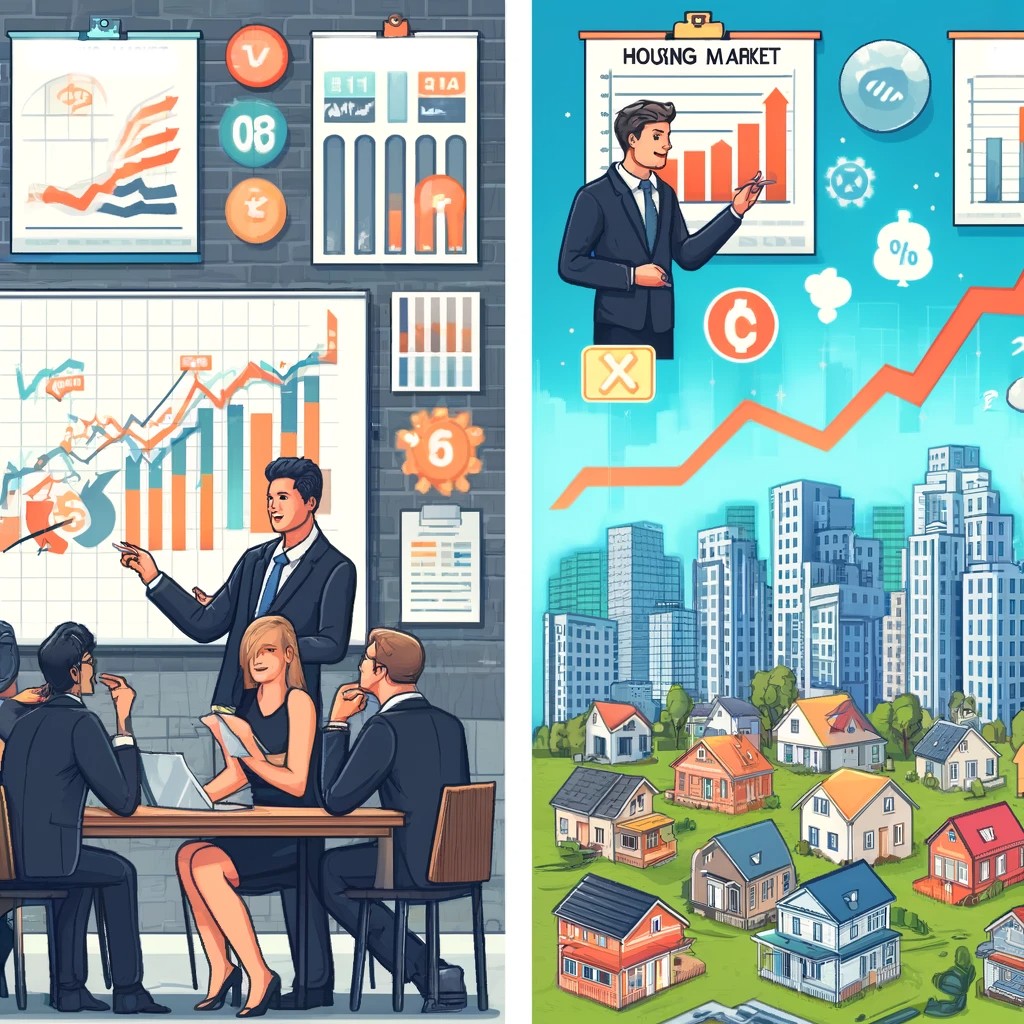
The digital nomad lifestyle has risen exponentially in recent years, prompting significant shifts in various sectors of society—none more so than in the housing market. As remote work becomes increasingly accessible and prevalent, professionals are no longer bound by geographical constraints, leading to a unique demand for housing that’s reshaping urban landscapes. With companies embracing flexible work arrangements and technology bridging the gap between home and office, many individuals now have the freedom to live anywhere. This newfound liberty is causing ripples throughout the real estate market, affecting everything from rental prices to property values and even urban planning strategies.
This article aims to delve into the integral ways digital nomads are influencing the housing market. We’ll explore various facets of this trend, including the rising demand for short-term rentals, the changes in housing policies, and the role technology plays in facilitating this shift. By understanding these factors, stakeholders in the real estate and urban planning sectors can better adapt to meet the evolving needs of this burgeoning demographic.
From the rise of co-living spaces to the increasing popularity of secondary cities, we will uncover how digital nomads are steering the direction of modern housing markets. It is crucial for both property developers and urban planners to grasp these dynamics to make informed decisions that align with contemporary demands. As digital nomads continue to redefine conventional living standards, their impact on the housing market will only intensify.
The Rise of Short-Term Rentals
One of the most visible impacts of digital nomads on the housing market is the surging demand for short-term rentals. Platforms like Airbnb, Vrbo, and Booking.com have made it incredibly convenient for individuals to find temporary housing that suits their nomadic lifestyle. For property investors, this shift presents both opportunities and challenges. Short-term rentals often yield higher income compared to long-term leases, making them an attractive option for homeowners and landlords.
However, the increasing preference for short-term rentals has also led to several complications. Cities experiencing a high influx of digital nomads are witnessing a surge in rental prices, making it difficult for local residents to find affordable housing. This has prompted some cities to implement regulations to cap short-term rentals and protect long-term housing stock. For instance, cities like Barcelona and San Francisco have introduced stringent rules to monitor and limit short-term rental activities, aiming to strike a balance between tourism and local housing needs.
Additionally, this trend has incentivized real estate developers to invest in properties that cater specifically to the short-term rental market. From designing studios with high-speed internet to creating common areas for socializing, property developers optimize their buildings to attract digital nomads. The result is a rapidly evolving rental market that continually adapts to the needs of this new group of renters.
Policy Changes and Urban Planning
Governments and municipalities are becoming increasingly aware of the influence digital nomads have on housing markets and urban environments. This awareness is leading to new policies and changes in urban planning strategies. For instance, city planners are incorporating flexible living spaces and co-working areas into new residential projects to accommodate the dual needs of living and working remotely.
Additionally, some cities are leveraging the digital nomad trend to stimulate local economies. Examples include countries offering special visas for digital nomads, such as Estonia’s Digital Nomad Visa or Barbados’ Welcome Stamp. These programs attract remote workers, leveraging their disposable income to boost local businesses and services. Urban planners are thus incorporating amenities that appeal to these globally minded professionals, such as improved public transportation, high-speed internet infrastructure, and community-oriented spaces.
Moreover, the surge in digital nomadism prompts cities to rethink zoning laws and property usage frameworks. Traditional zoning often separates residential, commercial, and industrial activities but with the rise of mixed-use developments, these distinctions are blurring. By formulating more flexible zoning policies, cities can better accommodate the varying requirements of digital nomads, making urban environments more dynamic and versatile.

The Co-Living Phenomenon
The concepts of co-living and shared housing have gained significant traction, driven largely by digital nomads looking for affordable, community-centric living solutions. Co-living spaces offer a blend of private and communal areas, enabling residents to form social connections while maintaining a level of personal space. These setups are particularly attractive to digital nomads who might be far from friends and family.
Co-living spaces are often equipped with amenities tailored to the remote working experience, such as communal working areas, meeting rooms, and high-speed internet. Real estate developers and landlords are increasingly investing in co-living projects, recognizing the potential for higher occupancy rates and reduced turnover typical of this model. This trend extends to both urban centers and suburban areas, reflecting the wide-ranging appeal of co-living arrangements.
In addition to fostering a sense of community, co-living spaces often come with flexible lease terms, which are ideal for digital nomads who might stay in one place for a few months before moving on. This flexibility helps fill a gap in the housing market that traditional rentals cannot accommodate, further underscoring the broad impact of digital nomads on housing trends.
Technological Advancements in Real Estate
The rise of digital nomads has also driven technological advancements within the real estate sector. Technologies like virtual tours, digital contract signing, and online property management platforms have become essential tools for modern real estate transactions. These technologies make it easier for digital nomads to find, lease, and manage properties without being physically present.
Virtual tours, for example, have significantly reduced the need for in-person property visits, allowing potential renters to explore homes and apartments from anywhere in the world. Online platforms also facilitate seamless communication between landlords and tenants, addressing issues or concerns quickly and efficiently. Additionally, real estate apps are evolving to offer filters and features tailored to the needs of digital nomads, such as highlighting properties with co-working spaces or proximity to essential amenities.
Moreover, blockchain technology is beginning to play a role in the real estate market, offering robust security and transparency in transactions. Smart contracts can streamline the leasing process, making it quicker and more efficient. As these technologies continue to evolve, they will further shape the housing market, catering to the specific needs of digital nomads and making it easier for them to navigate the complexities of finding and managing housing remotely.
The Rise of Secondary Cities
Another noteworthy trend driven by digital nomads is the growing popularity of secondary cities. While major urban centers like New York, London, and Tokyo have long been the go-to destinations for professionals, the high cost of living and intense competition have made these cities less attractive to digital nomads. Instead, many are flocking to smaller, more affordable cities that offer a high quality of life and lower living expenses.
Secondary cities are not only more affordable but often boast a range of amenities that cater to the digital nomad lifestyle, such as co-working spaces, cultural attractions, and robust infrastructure. Cities like Chiang Mai in Thailand, Medellín in Colombia, and Lisbon in Portugal have become popular hubs for digital nomads. These cities provide a balanced mix of work and leisure opportunities, making them ideal for remote workers looking to maintain a high quality of life.
This migration has positive and negative impacts on secondary cities. On the one hand, the influx of digital nomads can stimulate local economies and lead to the development of services and infrastructure. On the other hand, it can also drive up housing prices and create competition for local residents. Urban planners and policymakers in these cities must carefully manage this growth to ensure it benefits both digital nomads and the existing population.
Conclusion
The impact of digital nomads on the housing market is multifaceted and far-reaching. As remote work becomes a permanent fixture in the professional landscape, this demographic will continue to shape housing trends, influencing everything from rental prices to urban planning policies. Property developers, landlords, and city planners must stay attuned to these changes to meet the evolving needs of this dynamic group.
Short-term rentals, co-living spaces, and secondary cities are just a few of the ways digital nomads are leaving their mark on the housing market. Their influence drives innovation in real estate technology, encourages flexible urban planning, and prompts new housing policies. By understanding the unique needs and preferences of digital nomads, stakeholders can create housing solutions that cater to this group’s requirements and contribute to more vibrant, adaptable urban environments.
The future of the housing market is being shaped by the fluid, borderless lifestyle of digital nomads. As this trend continues to grow, its impact will only become more pronounced, necessitating ongoing adaptation and innovation in the housing sector. By recognizing and responding to these shifts, the real estate industry can better serve both digital nomads and the broader population, fostering sustainable growth and inclusive communities.
“`htmlFrequently Asked Questions
1. What is a Digital Nomad and how are they affecting the housing market?
A digital nomad is someone who leverages technology to perform their job, enabling them to work remotely from anywhere in the world. This has led to a distinct change in the housing market. Instead of being tethered to a single location, these professionals move often, seeking affordable, flexible, and furnished places that allow them to continue their work without interruption. As a result, there is a growing demand for short-term rentals and co-living spaces over traditional long-term housing arrangements. This demand has increased rental prices in desirable locations, shifting how urban and suburban areas develop their housing infrastructure to cater to this transient group. The ripple effect of their presence has sparked discussions on housing affordability and availability as landlords and property management companies pivot to attract these tenants with shorter lease terms and modern amenities.
2. Which areas are seeing the most significant impact from digital nomads?
Digital nomads are gravitating towards locations that offer both affordable living options and rich cultural experiences. Cities like Lisbon, Bali, and Prague are notable examples where the influx of digital nomads has been most pronounced. These areas offer a blend of low cost of living, robust Wi-Fi infrastructure, and appealing lifestyle options that attract remote workers. In the U.S., hotspots like Austin, Texas, and Asheville, North Carolina, have seen marked increases in digital nomad populations. Such areas are reshaping their residential landscapes to accommodate the diverse needs of a mobile workforce, from boutique co-living spaces to tech-savvy apartments. As these communities expand, they bring both economic stimulation and challenges related to maintaining local housing affordability for the area’s long-term residents.
3. How do digital nomads influence urban development and infrastructure?
Digital nomads are influencing urban development significantly by increasing demand for coworking spaces, reliable internet connectivity, and lifestyle amenities such as wellness centers and cafes. This demand prompts cities to adapt their infrastructure and urban planning processes to remain attractive to these modern professionals. For instance, we see a surge in developments that are not only residential but also cater to work-life balance directly through adjoining workspace solutions and community-centric designs. Internet speed and accessibility are now prioritized in development plans more than ever. Cities competing to become digital nomad hubs are investing heavily in both public and private sectors to address these needs, ultimately enhancing the overall fabric of the urban landscape.
4. Are there any negative effects on local housing markets due to digital nomads?
While digital nomads undoubtedly bring economic benefits to the areas they live in, there can be negative consequences as well. Their preference for short-term leases can drive up rental prices, which often impacts local residents who are seeking long-term housing solutions. Moreover, as landlords and businesses pivot to serve the nomadic lifestyle—offering shorter leases and upscale amenities—the availability of traditional housing may decrease. This can lead to increased competition and gentrification, where long-standing community members find it challenging to afford living in their own neighborhoods. These dynamics create a complex relationship between digital nomads, local economies, and housing markets, sparking local and governmental debates about regulation and market intervention to preserve housing equity and accessibility.
5. How can cities balance the interests of digital nomads with the needs of local residents?
Cities aiming to balance the needs of both digital nomads and local residents should adopt strategic urban planning and inclusive housing policies. This includes developing zoning laws that encourage diverse housing types, supporting affordable housing initiatives, and creating robust community engagement strategies to ensure all voices are heard in growth discussions. Additionally, fostering an environment where both transient and permanent populations feel equally valued can help mitigate tension. Urban planners might focus on mixed-use developments that thoughtfully integrate coworking and residential spaces. Collaborative policy-making that includes stakeholder dialogue from local businesses, community leaders, residents, and the digital nomad community is crucial. Such approaches ensure that while cities innovate to attract global talent, they also maintain their commitment to sustainability and inclusivity for their established population.
“`