

Urban sprawl has been a topic of concern for city planners, environmentalists, and policy makers for decades. This phenomenon describes the uncontrolled expansion of urban areas into the surrounding rural land, often leading to various social, economic, and environmental challenges. The concept of affordable housing is frequently discussed within the context of urban sprawl as a possible solution or contributing factor. Today, we will delve into how affordable housing impacts urban sprawl, discussing its benefits, challenges, and the methodologies that can be employed to implement it effectively.
The Context of Urban Sprawl
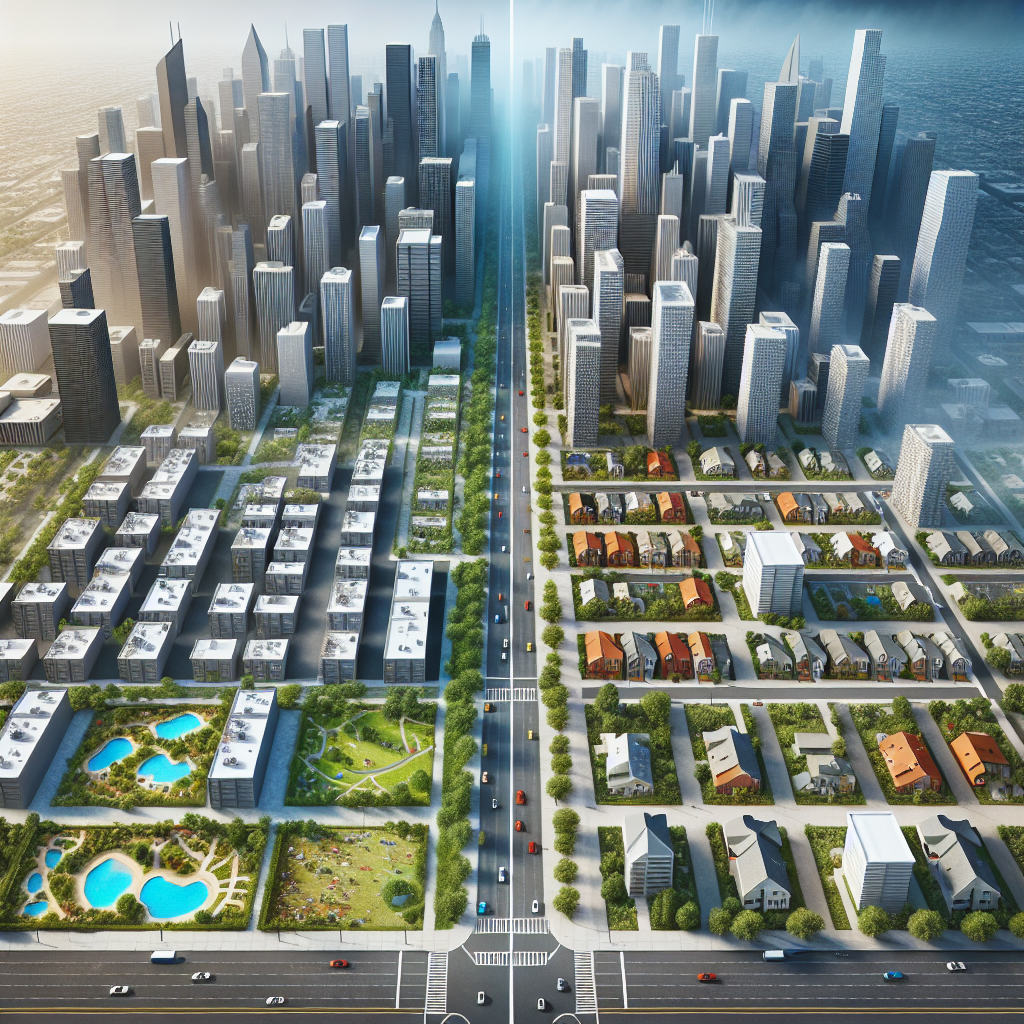
Urban sprawl is characterized by low-density, car-dependent development. It involves the spread of cities and towns into previously non-urbanized areas, typically resulting in longer commutes, increased traffic congestion, and the loss of agricultural or natural lands. This expansion often happens without stringent planning and can strain public resources and infrastructure, complicate service delivery, and result in the degradation of the natural environment.
Understanding the root causes of urban sprawl is essential for developing targeted solutions. Factors such as population growth, economic opportunities, lifestyle preferences, and inadequate urban planning play significant roles. As housing affordability becomes a pressing issue within major urban centers, it raises the question: can affordable housing serve as a means to control or at least mitigate the negative effects of urban sprawl?
The Role of Affordable Housing
Affordable housing refers to housing units accessible to people with low to moderate incomes, ensuring that they spend no more than 30% of their annual income on housing costs. Affordable housing can positively impact urban sprawl by providing necessary housing options within urban cores. This can help reduce the pressure on rural and suburban areas to accommodate displaced urban residents seeking more affordable living spaces.
By strategically placing affordable housing in downtown areas and existing neighborhoods, urban planners can enhance the density and efficiency of urban living. Increasing urban density helps create vibrant communities where people can live, work, and play without needing extensive transportation. Furthermore, this approach can reduce the ecological footprint of housing developments and preserve natural landscapes surrounding urban areas.
Challenges to Implementing Affordable Housing
Despite its potential benefits, implementing affordable housing projects is fraught with challenges. A significant hurdle is the financial aspect of constructing and maintaining affordable housing units. Many cities struggle with high land costs, construction expenses, and scarcity of funding, making it difficult to provide stable, long-term affordable housing solutions.
Another challenge is the social stigma associated with affordable housing. Negative perceptions and the “Not In My Backyard” (NIMBY) syndrome can hinder the approval and development of projects. Local communities may oppose the introduction of affordable housing, fearing it will devalue properties or lead to increased crime rates.
Furthermore, regulatory and zoning limitations can restrict the scope of affordable housing developments. Antiquated zoning laws often favor single-family homes over multi-family units, reducing the variety of housing options and perpetuating urban sprawl.
Case Studies and Success Stories
Several cities have successfully integrated affordable housing into their urban planning strategies, mitigating urban sprawl to varying degrees. For instance, Portland, Oregon, has utilized inclusive zoning and compact development policies to integrate affordable housing effectively. The city encourages high-density development along transit corridors and mandates affordable housing quotas for new developments, facilitating mixed-income neighborhoods.
In Arlington, Virginia, the county has actively pursued affordable housing initiatives to address urban sprawl. Through the Affordable Housing Investment Fund and public-private partnerships, Arlington has created numerous affordable housing units near transit hubs, enhancing urban density and reducing reliance on personal vehicles.
International examples also highlight the benefits of affordable housing in controlling urban sprawl. Cities like Vienna, Austria, have employed inclusive housing policies for decades, resulting in well-distributed, affordable housing across the city. The city’s model includes municipal housing, anti-speculation laws, and consistent investment in social housing, creating a balanced urban landscape free from excessive sprawl.
Strategies for Effective Affordable Housing Implementation
For affordable housing to make a significant impact on urban sprawl, a coordinated, multifaceted strategy is essential. Policies should focus on mixed-use and mixed-income developments, ensuring affordable housing units are part of a broader urban development plan. Mixed-use developments promote higher density and diverse land use, bringing housing, commercial, and recreational spaces closer together.
Incentives and subsidies can encourage private developers to invest in affordable housing projects. Tax credits, grants, and land donations can significantly reduce financial barriers, making it more attractive for developers to contribute to affordable housing stock.
Community engagement and education are also crucial in overcoming opposition to affordable housing. Transparent dialogue with local residents can address concerns and demonstrate the long-term benefits of inclusive housing policies. Highlighting success stories and data-driven outcomes can further counteract the stigma associated with affordable housing developments.
Finally, modernizing zoning laws to prioritize denser development and affordable housing inclusivity is vital. Reducing minimum lot sizes, allowing accessory dwelling units, and promoting multi-family housing can enhance urban density and reduce sprawl.
The Environmental Benefits of Affordable Housing
Affordable housing has significant environmental benefits that can contribute to reducing urban sprawl. High-density housing in urban areas leads to more efficient land use and preserves open spaces, reducing greenhouse gas emissions and lowering the urban heat island effect.
The reduced need for long commutes decreases transportation-related pollution and fuel consumption. With residents living closer to work, shopping, and recreational facilities, there’s a shift towards public transport, cycling, and walking, helping cut down on vehicle emissions.
The construction of affordable housing can also employ sustainable building practices. Utilizing energy-efficient materials, renewable energy sources, and green building techniques can minimize the environmental impact of new developments, leading to more sustainable urban growth.
Moreover, affordable housing close to public amenities fosters vibrant, self-sustaining communities. The increased density promotes local businesses, reducing the necessity for extensive travel and supporting the local economy, further decreasing environmental degradation associated with sprawled urbanization.
Social and Economic Implications
Affordable housing plays a vital role in fostering social equity and economic stability. By providing housing options for low to moderate-income families within urban centers, cities can ensure a diverse socioeconomic mix, creating balanced and inclusive communities.
The proximity of affordable housing to job hubs boosts economic productivity. Workers can reside closer to their workplaces, reducing absenteeism, enhancing punctuality, and improving overall job satisfaction, contributing positively to economic growth.
Educational attainment can also see improvements with stable, affordable housing. Children from low-income families benefit from consistent schooling, better study environments, and reduced incidences of school displacement due to housing instability. This long-term social benefit significantly impacts community welfare and future generations.
The economic savings for cities are substantial when considering reduced infrastructure costs, lower healthcare expenses due to improved living conditions, and enhanced public safety. These savings can be redirected to further urban development, enhancing the quality of life for all residents.
Conclusion
In conclusion, affordable housing is a multifaceted solution that holds immense potential for mitigating urban sprawl. It offers numerous benefits, from environmental sustainability to social equity and economic stability. However, its successful implementation requires coordinated efforts, overcoming financial, social, and regulatory challenges.
By leveraging case studies and adopting a holistic approach to urban planning, cities can effectively incorporate affordable housing into their landscapes, reducing sprawl and fostering vibrant, inclusive communities. Comprehensive policies that promote mixed-use developments, incentivize private investments, update zoning laws, and engage communities are crucial.
The impact of affordable housing on urban sprawl cannot be overstated. As cities worldwide grapple with growth and sustainability challenges, prioritizing affordable housing will be central to their success. The future of urban development hinges on our ability to balance growth with inclusivity and environmental stewardship.
Frequently Asked Questions
1. What is urban sprawl, and why is it a problem?
Urban sprawl refers to the rapid and often unplanned expansion of urban areas into neighboring rural lands. This sprawling development pattern typically results in several challenges. Firstly, it can lead to increased reliance on automobiles, as public transit may not be as accessible or efficient in these more dispersed areas. This dependence contributes to traffic congestion and elevated greenhouse gas emissions. Additionally, urban sprawl often results in the loss of agriculture and green spaces, disrupting ecosystems and reducing biodiversity. Socially and economically, sprawl tends to strain local governments due to the higher costs of extending infrastructure and services like roads, sewage, and emergency services. Moreover, it can lead to economic polarization, as those with lower incomes may be pushed to the fringes of cities with less access to amenities and employment opportunities.
2. How can affordable housing help address urban sprawl?
Affordable housing has the potential to mitigate the effects of urban sprawl by offering more inclusive and economically diverse housing options within city limits. By constructing affordable housing near existing infrastructure and public transportation systems, cities can encourage more efficient land use and reduce the need for expansion into rural areas. Denser development patterns associated with affordable housing can decrease the per capita resource consumption and promote more sustainable living options. Furthermore, affordable housing can support economic diversity in urban centers, allowing individuals and families with varying income levels to live closer to their workplaces and essential services. It actively supports mixed-income communities, curtailing the economic segregation often exacerbated by urban sprawl.
3. Are there any negative consequences of integrating affordable housing in the context of urban sprawl?
While affordable housing can contribute to reducing urban sprawl, certain challenges must be managed carefully. If poorly planned, affordable housing developments can sometimes exacerbate rather than alleviate urban sprawl. For instance, placing affordable housing in areas lacking adequate infrastructure or public transit can contribute to increased commuting times and further urban extension. Additionally, hasty development without considerations for community character or environmental impact may lead to local opposition or “Not In My Back Yard” (NIMBY) attitudes, hindering the integration of affordable housing projects. Therefore, it is crucial to approach affordable housing within a well-thought-out urban planning framework that ensures accessibility, infrastructure compatibility, and environmental sustainability.
4. How does affordable housing influence the environmental dimensions of urban sprawl?
When executed correctly, affordable housing can significantly influence the environmental aspects of urban sprawl. By encouraging higher density living arrangements, affordable housing can reduce the need for further expansion into greenfields and help preserve natural habitats and agricultural lands. Living closer to urban cores decreases dependence on personal vehicles, thereby reducing carbon emissions and improving air quality. Moreover, well-planned affordable housing can integrate energy-efficient designs and promote sustainable living practices, such as community gardens or shared renewable energy systems. However, these benefits depend on strategic placement and design considerations that prioritize both ecological preservation and human well-being.
5. What role do policy makers play in balancing affordable housing and urban sprawl?
Policymakers have a critical role in guiding urban development towards sustainable patterns by crafting policies that simultaneously encourage affordable housing and control urban sprawl. Through zoning laws and land-use regulations, they can direct where and how affordable housing is constructed, ensuring it contributes positively to urban density and sustainability goals. Policymakers can also provide incentives for developers to incorporate affordable housing into their projects, such as tax credits or allowances. Additionally, they can advocate for integrated public transportation systems and other infrastructures that support dense, mixed-use neighborhoods. For effective results, collaboration across different government agencies, private sectors, and communities is essential, bridging the gap between affordable housing initiatives and sprawl prevention strategies.


