

Affordable housing stands as a cornerstone of healthy, vibrant communities. Yet, its provision, particularly in the context of urban renewal, presents a complex array of challenges and opportunities. With the rapid growth of urban populations, cities around the world are grappling with the twin issues of ensuring adequate housing for low-income residents and revitalizing deteriorated urban areas. Understanding the dynamics, potential, and pitfalls of affordable housing within urban renewal is essential for planners, policymakers, and communities alike.
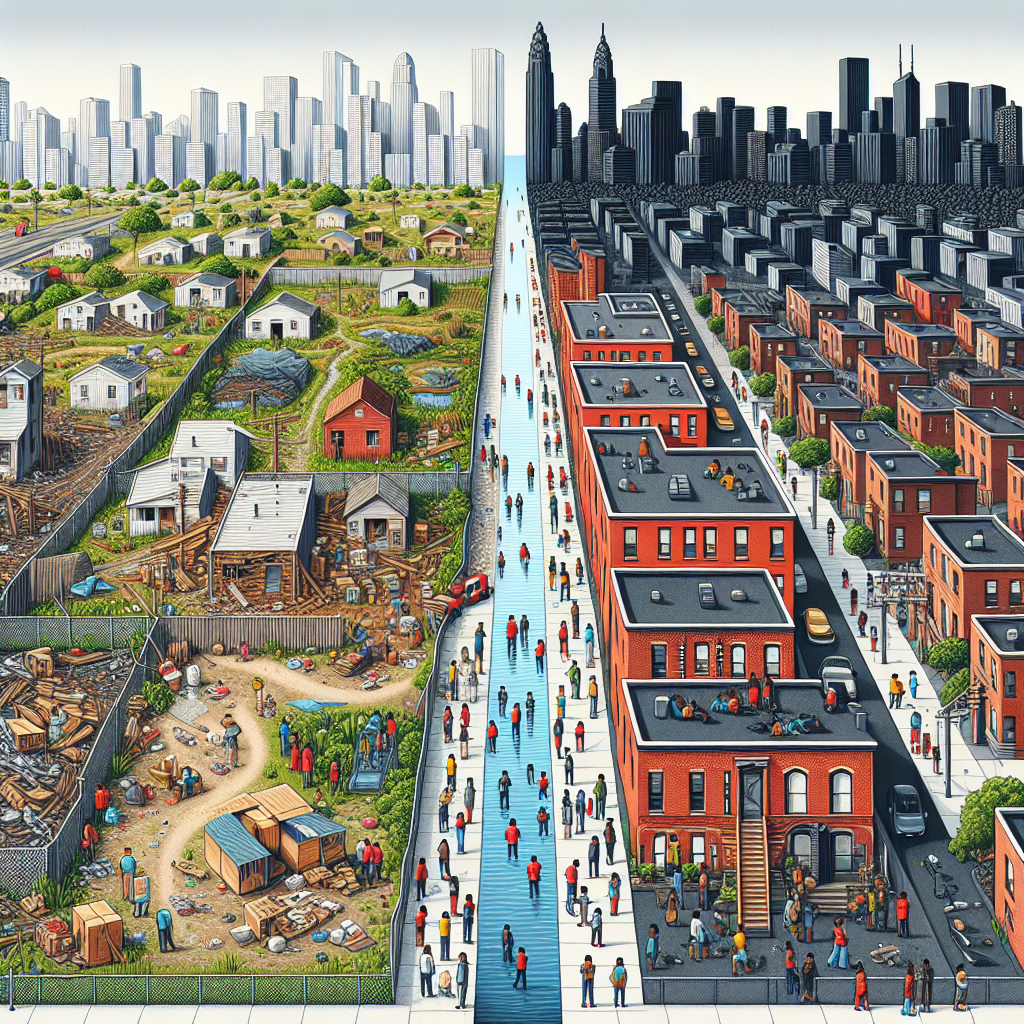
The urgency of the affordable housing crisis cannot be overstated. In many cities, rising housing costs have outpaced income growth, pushing many working families to the brink of homelessness. Urban renewal, while often aimed at improving infrastructure and stimulating economic development, can sometimes exacerbate these issues if not carefully managed. At its best, urban renewal integrates affordable housing initiatives, leveraging redevelopment efforts to create inclusive, sustainable communities. But achieving this balance requires addressing a myriad of factors, from financing and zoning regulations to community engagement and environmental sustainability.
In this article, we will explore the critical challenges and innovative opportunities of integrating affordable housing into urban renewal efforts. Through this exploration, we aim to highlight strategies that cities and policymakers can employ to create more equitable and resilient urban environments.
Challenges of Affordable Housing in Urban Renewal
One of the primary challenges in integrating affordable housing into urban renewal projects is financial constraints. Funding for affordable housing often falls short due to limited public resources and competing priorities. Additionally, private developers may be hesitant to invest in affordable housing projects, perceiving them as less profitable than market-rate developments. Securing the necessary capital requires innovative financing solutions, from public-private partnerships to leveraging tax incentives and grants.
Zoning and regulatory hurdles also pose significant challenges. Restrictive zoning laws can limit the availability of land for affordable housing, while lengthy approval processes can delay projects and increase costs. In some cases, outdated or exclusionary zoning practices may hamper efforts to create mixed-income communities. Reforming zoning regulations to promote higher density and inclusive development is crucial to overcoming these barriers.
Another obstacle is the potential for gentrification. Urban renewal initiatives can sometimes lead to the displacement of long-standing residents as property values and rents increase. This risk underscores the need for carefully crafted policies that protect vulnerable populations and ensure that the benefits of redevelopment are broadly shared. Understanding the social dynamics at play and engaging with affected communities can help mitigate the negative impacts of gentrification.
Opportunities for Affordable Housing through Urban Renewal
Despite these challenges, urban renewal offers significant opportunities to address affordable housing needs. One promising approach is the adaptive reuse of existing structures. Converting underutilized or obsolete buildings, such as old factories, schools, or office spaces, into affordable housing units can provide a cost-effective solution. This approach not only preserves the cultural heritage of a community but also reduces the environmental impact associated with new construction.
The creation of mixed-income developments is another key opportunity. By integrating affordable units within market-rate projects, cities can promote socioeconomic diversity and enhance community cohesion. Mixed-income developments can also support a broader range of local businesses and services, contributing to the overall vitality of urban areas. Policies that incentivize developers to include affordable housing, such as density bonuses or inclusionary zoning, can facilitate the creation of such communities.
Leveraging innovative technologies and construction methods can significantly enhance the affordability and sustainability of urban housing. Prefabricated and modular construction techniques, for instance, can reduce building costs and timelines, making affordable housing projects more viable. Additionally, incorporating energy-efficient designs and renewable energy systems can lower operating costs and improve the quality of life for residents. Investing in smart infrastructure can also help cities manage resources more effectively, further supporting sustainable urban development.
Community Engagement and Participatory Planning
Community engagement is vital to the success of affordable housing and urban renewal projects. Engaging residents, local organizations, and other stakeholders in the planning process ensures that development initiatives align with the needs and aspirations of the community. Participatory planning approaches can help build trust, foster collaboration, and generate creative solutions to complex challenges.
Effective community engagement can take many forms, from public meetings and workshops to digital platforms and social media. Tailoring engagement strategies to the unique context and demographics of a community is crucial to ensuring meaningful participation. Moreover, transparent communication and regular updates can help manage expectations and keep communities informed throughout the development process.
Collaborative partnerships with community-based organizations, nonprofits, and advocacy groups can strengthen the social fabric of urban areas and amplify the voices of marginalized populations. These partnerships can also facilitate access to resources and support services, such as job training, educational programs, and healthcare, which are essential to the well-being and resilience of residents.
Policies and Strategies for Success
Developing effective policies and strategies is essential to integrating affordable housing into urban renewal efforts. One crucial strategy is the implementation of inclusionary zoning laws that require developers to include a percentage of affordable units within new developments. Such mandates can ensure that affordable housing is distributed throughout the city, promoting inclusivity and preventing the concentration of poverty.
Financial incentives can also play a significant role in making affordable housing projects feasible. Tax credits, grants, and low-interest loans can help offset the costs associated with affordable housing development. Public-private partnerships can mobilize additional resources and expertise, creating synergies that enhance the overall impact of urban renewal initiatives.
Land banking is another effective strategy. By acquiring and holding land for future affordable housing development, cities can ensure that suitable sites are available as opportunities arise. Land banking can also help stabilize property values and prevent speculative practices that drive up costs. Additionally, land trusts and community land ownership models can provide long-term affordability and community control over development processes.
The Role of Design in Affordable Housing
Thoughtful design plays a critical role in the success of affordable housing projects. High-quality, aesthetically pleasing design can enhance the livability and appeal of affordable housing, challenging stereotypes and fostering pride among residents. Inclusive design principles that address the needs of diverse populations, including families, seniors, and individuals with disabilities, can create more adaptable and resilient communities.
Integrating green spaces, community amenities, and recreational facilities into affordable housing developments contributes to the overall quality of life for residents. Access to parks, playgrounds, and communal areas can promote physical activity, social interaction, and mental well-being. Additionally, designing for walkability and connectivity to public transit and services can enhance mobility and reduce transportation costs for low-income households.
Architectural innovation and flexibility are also important considerations. Designing units that can be easily modified to accommodate changing household needs or combined to create larger spaces can provide a more adaptable housing solution. Incorporating universal design principles ensures that housing is accessible to people of all ages and abilities, supporting the long-term viability and inclusiveness of the development.
Conclusion
Integrating affordable housing within the framework of urban renewal is both a formidable challenge and a transformative opportunity. It necessitates a multifaceted approach that addresses financial constraints, regulatory hurdles, community engagement, and innovative design. By leveraging adaptive reuse, mixed-income developments, and sustainable construction methods, cities can create inclusive and vibrant urban environments.
Community participation and transparent planning processes are essential to the success of these initiatives. Policymakers and developers must prioritize the voices and needs of residents, particularly those most vulnerable to displacement and housing insecurity. Formulating effective policies, such as inclusionary zoning and financial incentives, can further ensure that affordable housing is integrated into urban renewal efforts.
Ultimately, the goal is to create resilient communities where affordable housing is not an isolated component but an integral part of a thriving, diverse urban landscape. With thoughtful planning, innovative solutions, and a commitment to equity, cities can turn the challenge of affordable housing into an opportunity for inclusive growth and long-term sustainability.
Frequently Asked Questions
1. What are the main challenges of providing affordable housing within urban renewal projects?
Providing affordable housing within urban renewal efforts can be particularly daunting due to several overlapping challenges. First and foremost, there’s the issue of land availability in densely populated urban settings. Since city centers are highly sought after for commercial and more lucrative residential developments, land prices tend to be exorbitant. This inflates the costs of developing affordable housing, making it less attractive to developers who prioritize profits.
Moreover, urban renewal often involves revitalizing areas that have been underfunded or neglected for decades. This means addressing a slew of infrastructural issues ranging from outdated utilities to inadequate public transportation. The costs involved in such upgrades can be prohibitive. Additionally, there’s the challenge of potential displacement. As urban areas get rejuvenated, property values tend to spike, oftentimes pushing out the very low-income residents the affordable housing initiatives aim to assist. Balancing redevelopment while maintaining community integrity and affordability is a tightrope act many cities struggle to walk.
2. How can cities successfully integrate affordable housing in urban renewal projects without causing gentrification?
Successfully integrating affordable housing into urban renewal without triggering gentrification requires a multifaceted approach. Identifying suitable policy frameworks is the starting point. Cities can implement inclusionary zoning mandates, where developers are obliged to include affordable units in new projects or contribute to affordable housing funds. Alternatively, cities can offer incentives, such as tax abatements or density bonuses, in exchange for affordable unit allocations within larger developments.
Community involvement in planning stages is crucial too. By engaging local communities early and incorporating their feedback into urban renewal plans, cities can nurture developments that reflect the community’s needs and preserve its character. Besides, sustainable funding mechanisms need to be in place, such as leveraging public-private partnerships to pool resources and expertise.
On a broader scale, cities might invest in establishing land trusts or cooperative housing models that secure land for affordable housing permanently, thus protecting it from market pressures that lead to gentrification. It’s a balance of strategic policy-making, community collaboration, and innovative financing that can help cities walk the fine line between development and displacement.
3. What opportunities does urban renewal present for enhancing affordable housing?
Urban renewal represents an exceptional opportunity to innovate and integrate affordable housing within thriving communities. For one, rejuvenating urban areas can lead to upgraded infrastructure and enhanced public services, benefitting affordable housing initiatives and their residents. Improved public transportation, green spaces, and utility services can elevate the quality of life for low-income residents.
Furthermore, urban renewal can drive economic development and job creation. As deteriorated areas are revitalized, they attract new businesses and investments, potentially providing job opportunities for current residents. There’s also an opportunity to exploit cutting-edge sustainable technologies in housing construction. This can result in environmentally friendly and energy-efficient affordable housing units that reduce the living costs for their occupants in the long term.
Incorporating mixed-use developments within urban renewal zones can foster vibrant neighborhoods where residential, commercial, and recreational spaces coexist. This mix not only enhances community interaction but also alleviates isolation often associated with low-income housing projects, integrating affordable housing seamlessly within the urban fabric.
4. What role do public policies play in addressing the challenges of affordable housing in urban renewal?
Public policies are pivotal in steering affordable housing efforts within urban renewal landscapes. Effective policies can craft a conducive environment for affordable housing development through strategic zoning laws and land-use regulations. Policies can direct funds strategically, ensuring scarce resources are utilized efficiently in supporting affordable housing goals.
Governments can institute tax incentives and subsidies that encourage developers to invest in affordable housing. Moreover, policies can regulate short-term rental markets, preventing them from destabilizing housing costs in revitalized areas. Rent control measures can be a tool to protect residents from price surges post-renewal.
Perhaps most importantly, governments can set up frameworks that insist on transparent and equitable planning processes. These would guarantee community involvement and ensure urban renewal benefits are equitably shared among all residents, not just new or affluent arrivals. Policies serve as the guidepost for aligning urban renewal ambitions with sustainable and inclusive community growth.
5. Can public-private partnerships enhance the availability of affordable housing in urban renewal projects?
Public-private partnerships (PPPs) can indeed play a crucial role in boosting the stock of affordable housing amidst urban renewal projects. When public entities collaborate with private developers, they can achieve a more balanced sharing of risks and resources. Public sectors can offer incentives like tax reliefs or access to prime land, while private sectors bring in capital and development expertise.
Through PPPs, the integration of affordable housing becomes more financially viable for developers, thereby encouraging more projects that incorporate such units. These partnerships can also spearhead innovation, leveraging private sector efficiency and adaptability to overcome logistical or financial barriers inherent in urban renewal initiatives.
Beyond financial arrangements, such collaborations can foster shared visions for community-centered development, wherein both public and private sectors work towards not just profit but also social equity and sustainability. In summary, public-private partnerships create a synergy that can deliver scalable and impactful affordable housing solutions within the urban renewal framework.


