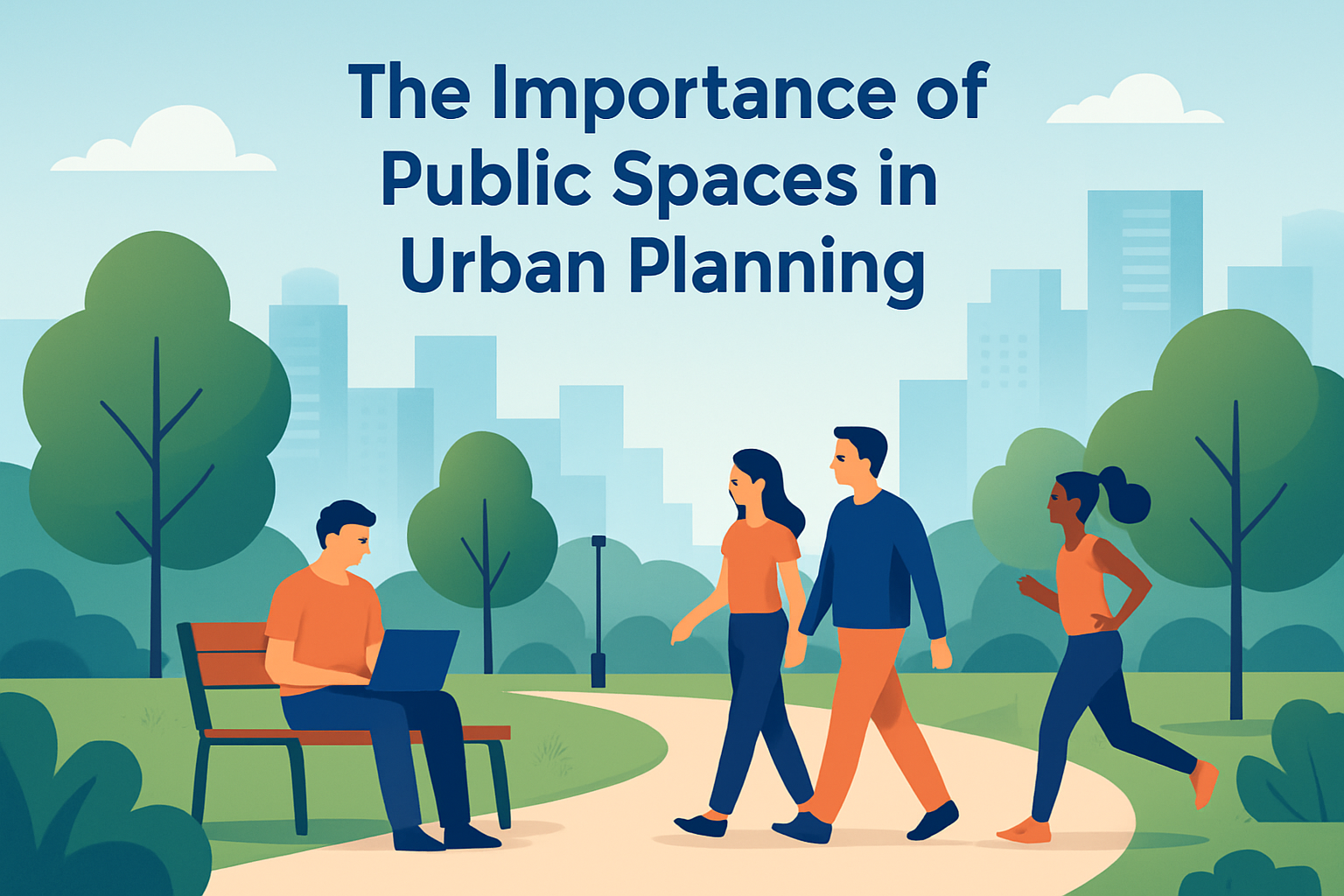
Public spaces are integral components of urban landscapes, playing pivotal roles in both cultural expression and socio-economic development. These are areas such as plazas, parks, and streets that are accessible to the public and serve as arenas for a diverse range of activities. Often underestimated, public spaces have the potential to trigger significant transformation within urban environments, leading to renewed vibrancy, economic growth, and improved quality of life. Understanding and harnessing this potential has become crucial for urban planners, city officials, and communities striving for sustainable development. By functioning as hubs for social interaction, commerce, and creativity, public spaces lay the groundwork for urban renewal, enhancing both the physical and social fabric of cities.
The notion of urban renewal refers to the process of revitalizing neglected or underdeveloped city areas to create more dynamic and sustainable urban environments. Unlike older methods of urban renewal, which sometimes involved demolishing entire neighborhoods, contemporary strategies emphasize inclusivity, sustainability, and social equity. Public spaces, when designed and managed effectively, serve as catalysts for these modern urban renewal efforts, spurring economic activities, encouraging cultural exchanges, and fostering community bonding. This article explores the multifaceted roles public spaces play in urban renewal and how they can transform beleaguered areas into thriving urban ecosystems.
The Social Dimension: Enhancing Community Engagement
Public spaces serve as the heart of community life, acting as common grounds where individuals from various backgrounds can interact and engage. This social dimension is crucial in urban renewal, as fostering strong community ties contributes to safer and more cohesive neighborhoods.
An exemplary instance is New York City’s High Line Park. Originally an abandoned elevated railway track, it has been transformed into a vibrant green space attracting millions of visitors annually. The project not only revitalized the surrounding neighborhoods but also became a symbol of community collaboration. Locals were actively involved in its planning, ensuring that the space reflects the diverse interests and needs of its users. The High Line exemplifies how public spaces can be instrumental in knitting communities closer by providing a platform for interaction and cultural expression.
This transformation outlines the benefits when public spaces prioritize inclusivity and accessibility. A well-designed public space encourages social interaction, unity, and ultimately fosters a strong community identity that is foundational for sustainable urban renewal.
Economic Impact: Revitalizing Local Economies
Public spaces are not just social hubs but also engines of economic activity. They influence urban economies by attracting businesses, boosting tourism, and raising property values. Successful urban renewal projects often include vibrant public spaces that draw foot traffic and stimulate the local economy.
Consider the case of Bryant Park in New York City. Once a neglected area, it has been transformed into a well-maintained public space that hosts various activities and events, leading to a renaissance of the surrounding midtown area. The park’s revitalization spurred the development of new restaurants, cafes, and retail shops, significantly contributing to the local economy. These businesses benefit from the steady stream of visitors and events, leading to job creation and increased revenue generation.
The synergy between public spaces and economic vitality underscores the critical role these areas play in urban renewal. By fostering commercial activities, public spaces can generate significant economic benefits and create a sustainable economic foundation for urban communities.
Environmental Benefits: Promoting Sustainable Urban Development
Public spaces can significantly contribute to environmental sustainability within urban areas. Parks, greenways, and urban gardens provide vital green infrastructure that enhance air quality, offer urban cooling, and promote biodiversity. These ecological benefits are essential in the context of urban renewal, as they address environmental challenges and make cities more liveable.
A notable example is the Cheonggyecheon Stream Restoration Project in Seoul, South Korea. This ambitious project transformed a covered highway into a functional urban waterway, creating a central public space that enhances the city’s ecological footprint. The public space not only offers a recreational area for residents but has also helped to reduce urban heat and improve air quality.
Through intentional design and adaptive management, public spaces can embody principles of environmental sustainability, which are crucial for modern urban renewal strategies. By prioritizing green design and sustainability, cities can ensure a resilient urban future.
Cultural and Aesthetic Enrichment: Nurturing Urban Identity
Public spaces contribute to the cultural and aesthetic richness of urban areas, serving as platforms for public art, cultural events, and social gatherings. These elements are vital in the context of urban renewal as they foster a distinctive urban identity and cultural pride.
The Millennium Park in Chicago illustrates how public spaces can serve as cultural icons. Home to the Cloud Gate sculpture and the Jay Pritzker Pavilion, the park is a centerpiece for cultural activities and art installations. It draws millions of visitors annually, becoming synonymous with the city’s cultural identity while enhancing its aesthetic appeal.
| Element | Description |
|---|---|
| Public Art Installations | Unique sculptures and art pieces that define the space and attract visitors. |
| Cultural Events | Concerts, exhibitions, and festivals that engage diverse communities. |
| Landscaping and Design | Aesthetic arrangements that enhance the overall ambience of the area. |
Through artistic expressions and cultural programming, public spaces like Millennium Park contribute to a vibrant urban culture—an essential factor in successful urban renewal initiatives. Such spaces ensure that urban renewal isn’t just a physical transformation but also a cultural renaissance, infusing cities with unique, dynamic identities.
Policy and Planning: Integrating Public Spaces in Urban Strategies
To maximize their potential, public spaces must be integral to urban planning and policy-making. Successful urban renewal hinges not just on creating public spaces but ensuring that they are well-integrated into broader urban development frameworks.
In Copenhagen, Denmark, the city’s approach to urban planning places a strong emphasis on enhancing public spaces. The city’s policy prioritizes pedestrian and bike-friendly environments, ensuring accessibility and connectivity. This urban vision laid the groundwork for the rejuvenation of the Copenhagen harbor front, transforming it into a series of interconnected public spaces filled with activities and commerce.
- Integration of public spaces in urban planning documents.
- Funding and incentives for public space initiatives.
- Community engagement in the planning process.
- Collaboration between public, private, and civic sectors.
Understanding public spaces as integral components of urban infrastructure can drive comprehensive urban renewal efforts. A strategic approach to planning facilitates the development of inclusive, vibrant public spaces that address social, economic, and environmental needs.
Technological Integration: Innovating Urban Experiences
As cities worldwide embrace technology, integrating digital innovations into public spaces can enhance their functionality and appeal. Smart technologies in public spaces provide opportunities for interactive experiences, enhanced safety, and efficient resource management.
The development of Smart Parks in cities like Barcelona illustrates the potential of technology in public spaces. Sensors and IoT devices provide data on usage patterns, helping city officials enhance space management and maintenance. Additionally, interactive kiosks and mobile apps offer visitors information and engagement opportunities, making public spaces more dynamic and user-friendly.
Technological integration in public spaces highlights their evolving role in urban environments. By leveraging technology, cities can create innovative public spaces that respond effectively to residents’ needs and preferences, which is essential in modern urban renewal processes.
Challenges and Considerations: Ensuring Equitable Access
While the benefits of public spaces in urban renewal are vast, challenges such as equitable access and gentrification must be considered. The creation of vibrant public spaces may lead to increased property values, potentially displacing low-income residents. Ensuring that public spaces contribute positively to urban renewal involves balancing redevelopment with social equity.
In San Francisco, the development of Market Street as a vibrant public space took deliberate measures to include affordable housing and community input as part of the redevelopment process. This approach ensures that all community members benefit from public space improvements and urban renewal efforts.
The challenge of equitable development requires careful planning and inclusive policy-making to safeguard holistic urban renewal outcomes. Addressing these challenges ensures that public spaces remain accessible and beneficial to all city residents.
Conclusion: Embracing Public Spaces for Urban Transformation
Public spaces stand as powerful catalysts for urban renewal, offering multifaceted benefits that enhance the social, economic, environmental, cultural, and technological landscapes of cities. By fostering community engagement, driving economic revitalization, promoting sustainability, enriching urban culture, and integrating into urban policies, public spaces can transform urban areas into vibrant, sustainable environments.
The key takeaway for stakeholders is clear: effective planning, inclusive policies, and community involvement are crucial to unlocking the full potential of public spaces in urban renewal. Embracing these principles ensures a holistic approach to creating inclusive and dynamic urban centers.
As a call to action, urban planners, city officials, and communities are encouraged to prioritize public spaces in their development agendas, taking inspiration from successful models worldwide. Through strategic investments and partnerships, public spaces can become the cornerstone of urban transformation, leading cities toward a more sustainable and equitable future.
Frequently Asked Questions
1. Why are public spaces considered important for urban renewal?
Public spaces are crucial for urban renewal as they serve as focal points for community activities and cultural expression. They provide a platform where people can connect, share experiences, and build a sense of community. These spaces, such as parks, plazas, and streets, play a vital role in enhancing the aesthetic and functional value of urban areas, making them more livable and enjoyable. By encouraging public interaction and participation, they help to develop a strong community identity and pride, which are essential characteristics of vibrant and sustainable cities. Moreover, public spaces can attract businesses and tourists, contributing to local economies and encouraging further investments, which can lead to extensive urban regeneration.
2. How do public spaces influence economic growth in urban areas?
Public spaces can significantly impact economic growth by attracting visitors and businesses and providing venues for various economic activities. Well-maintained and designed public spaces can draw foot traffic, encouraging local businesses to thrive. They often host events such as markets, festivals, and performances, which can boost local economies by increasing demand for nearby services like restaurants, shops, and hotels. Additionally, attractive public spaces can enhance property values and stimulate real estate development in surrounding areas. This economic boost can, in turn, provide local governments with increased tax revenues, which can be reinvested into further urban improvements, creating a positive cycle of economic development and urban renewal.
3. In what ways do public spaces improve the quality of life in urban environments?
Public spaces enhance the quality of life by offering areas for recreation, relaxation, and social interaction. They provide residents with access to green space, which has been linked to improved mental and physical health. The presence of nature in urban areas can reduce stress, encourage physical activity, and contribute to cleaner air. Public spaces also serve as platforms for cultural activities and community events, fostering community engagement and empowerment. When people have vibrant and accessible public spaces in their neighborhoods, they are more likely to feel connected to their community, leading to a greater sense of well-being and satisfaction with their living environment.
4. What role do public spaces play in cultural expression within cities?
Public spaces serve as vital locations for cultural expression by hosting events, performances, and art installations that reflect the diverse backgrounds and traditions of the community. They act as open, inclusive platforms where individuals can share their stories, heritage, and creativity, enriching the cultural tapestry of the city. Festivals, parades, and public art exhibitions are some of the ways culture is manifested in these spaces, often celebrating the unique identity of the area while promoting tolerance and understanding among different communities. By bridging cultural divides and providing opportunities for cultural interaction, public spaces can foster a more cohesive and dynamic social environment.
5. How can the transformation of public spaces lead to urban revitalization?
The transformation of public spaces can be a powerful catalyst for urban revitalization by paving the way for comprehensive area-wide improvements. Revitalizing public spaces involves enhancing their appearance, accessibility, and functionality, making them more appealing and user-friendly. This process often includes implementing new landscaping, improving public infrastructure such as lighting and seating, and ensuring spaces are safe and welcoming for everyone. When public spaces are revitalized, they can become centers of attraction and activity, encouraging residents and visitors to spend time there. This increased attention can stimulate interest in surrounding areas, prompting investment in housing, shops, and amenities. The ripple effect of improved public spaces can lead to a renewed sense of community vitality, encourage population growth, and contribute to a city’s overall success and sustainability.