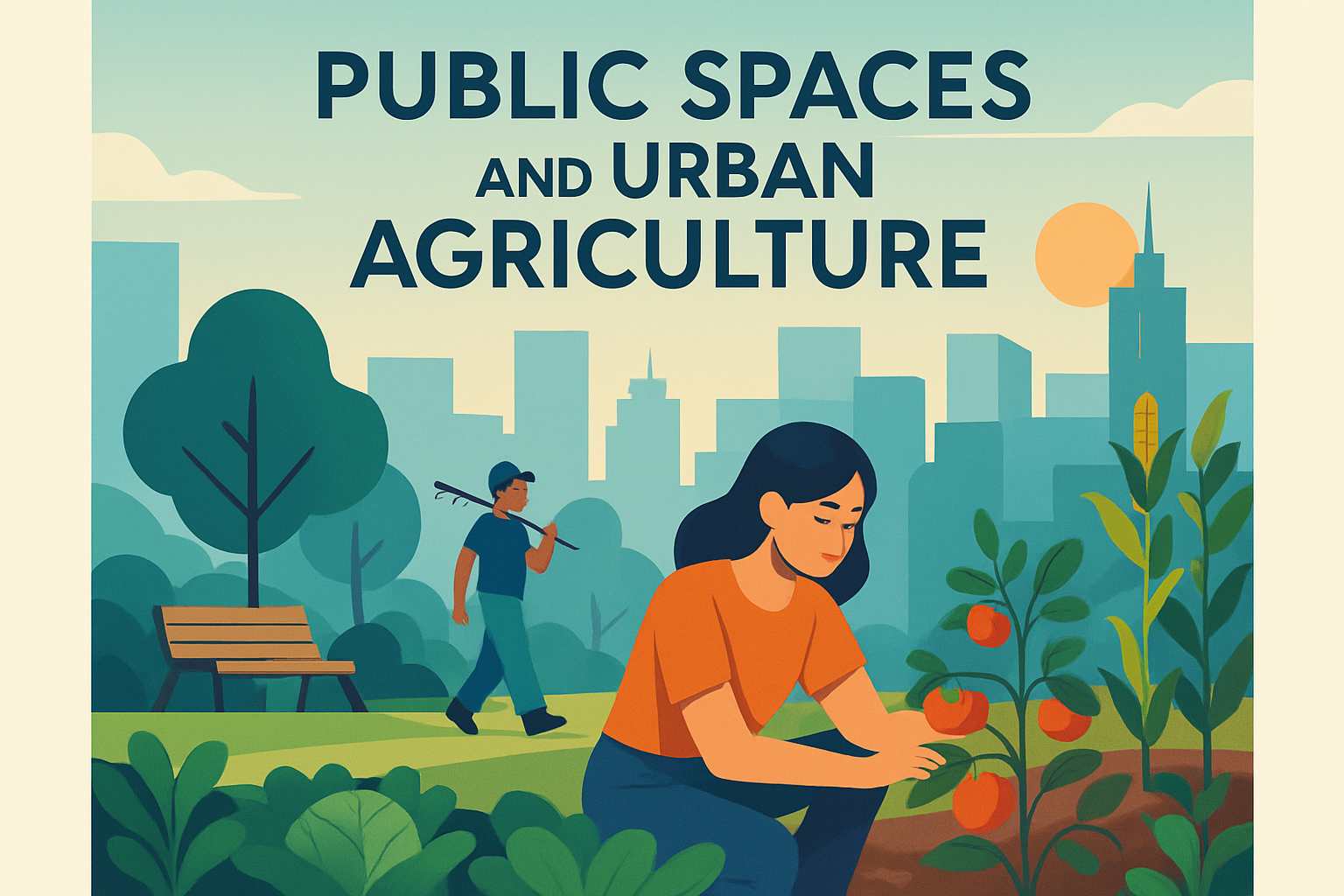
Urban agriculture, the practice of cultivating, processing, and distributing food in or around urban areas, is a growing trend worldwide. These practices are increasingly being integrated into public spaces such as parks, rooftops, and community gardens. Public spaces serve as central locations accessible to the community, making them ideal for urban farming initiatives. This marriage between public spaces and urban agriculture is not only a practical solution to urban food deserts but also acts as a means to enhance urban biodiversity, improve food security, and foster community engagement. Understanding the synergy between public spaces and urban agriculture is essential in addressing contemporary urban challenges and promoting sustainable urban development.
Understanding Urban Agriculture
Urban agriculture encompasses a variety of food production practices, ranging from small-scale gardens to commercial-sized farming enterprises within city settings. It includes growing plants and raising animals, as well as other related activities such as processing, distributing, and recycling of used products. Urban agriculture utilizes available urban spaces, taking advantage of rooftops, vacant lots, and public parks to produce fresh food locally. This practice opens up opportunities for cities to enhance their self-sufficiency, reduce carbon footprints, and provide residents with access to healthy food options.
The Role of Public Spaces in Urban Agriculture
Public spaces provide a platform for urban agriculture to flourish, offering the space needed to cultivate crops and raise awareness about sustainable food practices. For example, New York City’s Battery Park Urban Farm is a notable initiative that demonstrates how public spaces can be effectively utilized for urban agriculture. By transforming an otherwise ordinary park into a vibrant food-producing area, the Battery Park Urban Farm is not just a space for growing vegetables but also serves as an educational hub where people can learn about gardening and food sustainability. This integration helps make the community more resilient by providing local food sources and fostering environmental stewardship among city dwellers.
Benefits of Urban Agriculture in Public Spaces
Implementing urban agriculture in public spaces provides a multitude of benefits. Firstly, it contributes significantly to improving urban food security by making fresh produce accessible within city limits. In cities like Detroit, community gardens in public spaces have played a crucial role in addressing food insecurity. Additionally, urban agriculture can enhance environmental quality by increasing green spaces, which help reduce urban heat, improve air quality, and support local ecosystems.
Beyond the ecological benefits, public spaces dedicated to urban agriculture can foster stronger community ties. For example, the South Central Farm in Los Angeles, an urban farm community initiative, not only provides fresh produce but also serves as a gathering place for community activities, strengthening social bonds among residents. Furthermore, these urban farms can revitalize neglected areas by turning underutilized spaces into productive and aesthetically pleasing environments.
Challenges Facing Urban Agriculture in Public Spaces
Despite its benefits, urban agriculture in public spaces faces several challenges. One significant obstacle is the competition for land in densely populated urban areas. Public spaces are often limited, and the demand for housing, recreational areas, and infrastructure is high, limiting the availability of land for urban farming. Additionally, regulatory hurdles such as zoning laws, land tenure complexities, and water access can hinder the development of urban farms.
Another challenge is the potential for soil contamination in urban areas. Many cities have a history of industrial activities, leaving soils polluted and unsafe for food production. However, projects like Chicago’s Growing Power have demonstrated effective methods for remediating contaminated soils through composting and other soil improvement techniques, thereby creating safe environments for urban farming.
Innovative Approaches and Future Directions
Innovative approaches are emerging to overcome the challenges faced by urban agriculture in public spaces. Vertical farming, hydroponics, and aquaponics allow efficient use of limited space and resources. Projects like Lufa Farms in Montreal utilize rooftop greenhouses to grow food hydroponically, significantly reducing the environmental impact and maximizing space efficiency.
Public policies and initiatives are also crucial in supporting urban agriculture. For instance, the City of Portland’s Urban Agriculture Program actively fosters community gardening through supportive zoning codes and land leasing opportunities. Encouraging collaboration between local governments, community organizations, and citizens is vital in establishing sustainable urban agriculture practices.
| City | Urban Agriculture Initiative | Impact |
|---|---|---|
| New York | Battery Park Urban Farm | Community education, local food production |
| Detroit | Community Gardens | Improved food security |
| Los Angeles | South Central Farm | Community engagement, revitalization |
| Chicago | Growing Power | Innovative soil remediation |
| Montreal | Lufa Farms | Space-efficient food production |
Community Involvement and Education
Community involvement is a cornerstone of successful urban agriculture projects in public spaces. Activities such as workshops, volunteer opportunities, and educational programs promote a deeper understanding of sustainable practices and empower residents to take active roles in their local food systems. The Edible Schoolyard Project in Berkeley, California, serves as a prime example of how education can be integrated with urban agriculture. By using gardening as a teaching tool, students are exposed to the processes involved in food production, fostering a lifelong appreciation for environmental conscientiousness and healthy eating habits.
The Economic Potential of Urban Agriculture
Urban agriculture in public spaces also holds significant economic potential. By creating local food systems, these initiatives can reduce dependency on distant food supplies, thus lowering transportation costs and emissions. Additionally, urban farms can provide job opportunities, support local economies, and contribute to economic diversification. In Toronto, the Black Creek Community Farm not only supplies fresh food but also provides employment opportunities and job training programs in agriculture and food-related fields.
Integrating Urban Agriculture into Urban Planning
Urban planners play a pivotal role in the incorporation of agriculture into public spaces. Thoughtful urban design that includes provisions for community gardens and agricultural plots can lead to healthier, more sustainable cities. Planners can adopt inclusive policies that prioritize food production in urban settings, ensuring that urban agriculture is considered in the early stages of city development. For example, Seattle’s P-Patch Community Gardening Program has been instrumental in integrating gardening into neighborhoods, providing city residents with plots to grow their food.
The Impact on Public Health
The integration of urban agriculture in public spaces can have profound impacts on public health. Access to fresh, locally grown produce can improve nutritional status and reduce diet-related diseases. Furthermore, urban farming encourages physical activity and provides mental health benefits through exposure to nature. The Boston Food Forest Coalition is one group that uses urban agriculture to address public health concerns. By planting edible forests in public spaces, the coalition provides residents with access to nutritious food while promoting an active lifestyle and environmental awareness.
Conclusion
Public spaces and urban agriculture together create synergistic opportunities that address multiple urban challenges. By using public spaces for agriculture, cities can enhance food security, promote sustainability, and foster community engagement. Despite the challenges faced, innovative approaches, supportive policies, and community initiatives can drive the successful integration of urban farming into public spaces. For readers interested in partaking in or promoting urban agriculture, engaging with local community initiatives, supporting policy advocacy, or even starting a small urban garden could be meaningful steps forward. Embracing urban agriculture is pivotal in designing smart, resilient, and sustainable urban communities that nurture both people and the planet.
Frequently Asked Questions
1. What exactly is urban agriculture and how is it connected to public spaces?
Urban agriculture refers to the practice of cultivating, processing, and distributing food within or around urban areas. This concept brings farming activities into city environments, utilizing spaces like rooftops, parks, and community gardens. Public spaces, often central and accessible to communities, are being increasingly transformed into urban agriculture sites. This integration serves multiple purposes: it addresses urban food deserts by bringing fresh produce directly to city dwellers, it repurposes underutilized land, and it creates community hubs where people can come together to learn about food production, sustainability, and healthy eating practices. By embedding farming activities into public spaces, urban areas can promote environmental awareness, reduce food miles, and support local economies.
2. How do urban agriculture projects benefit communities and individuals in public spaces?
Urban agriculture projects housed in public spaces offer a wealth of benefits that ripple throughout communities. Firstly, they provide fresh, locally-sourced produce which can be pivotal in areas that otherwise have limited access to nutritious foods, addressing the issue of food deserts. Additionally, these projects offer educational opportunities for people of all ages, teaching residents about sustainable farming practices, ecological systems, and healthy eating habits. Communities often experience enhanced social cohesion and connections as individuals from diverse backgrounds work together towards a common goal in these spaces. Also, urban agriculture can bolster local economies by creating jobs and attracting investment in neighborhood revitalization efforts. Furthermore, public spaces with agricultural initiatives improve urban aesthetics and biodiversity, bringing much-needed greenery into concrete landscapes and fostering environmental stewardship.
3. What are the environmental impacts of integrating urban agriculture into public spaces?
The environmental impacts of integrating urban agriculture into public spaces are predominantly positive. These projects help reduce urban heat islands by increasing the green cover, which in turn moderates temperatures and improves urban microclimates. Additionally, urban agriculture can contribute to better air quality as plants absorb pollutants and release oxygen. The increased permeability of land allows for better stormwater management, reducing runoff and preventing soil erosion. Urban farms also support biodiversity by providing habitats for various insects and birds within city environments. Moreover, they promote sustainable food systems by reducing the distance food travels to consumers, thus lowering carbon emissions associated with transportation and reducing reliance on industrial farming practices that are often detrimental to the environment.
4. What challenges does urban agriculture face when implemented in public spaces?
Implementing urban agriculture in public spaces does face several challenges that need careful consideration and strategic planning. Access to land is a significant barrier, as urban areas are densely populated and land is in high demand for various functions. Finding available and suitable sites can be difficult. Water availability and management is another challenge, as consistent and sustainable water sources are essential for farming operations. Legal and regulatory hurdles, including zoning laws and liability issues, must also be navigated effectively. Additionally, there exists potential for pest and disease challenges, which require integrated pest management systems to maintain the health of crops without disrupting the urban ecosystem. Moreover, securing consistent funding and community buy-in are critical in sustaining these initiatives long-term. Addressing these challenges requires collaboration between city planners, community organizations, and local governments.
5. How can individuals participate in or support urban agriculture in public spaces?
Individuals have numerous opportunities to engage with and support urban agriculture within their communities. Volunteering at local community gardens or urban farms is an excellent way to get hands-on experience and contribute to these initiatives. Residents can also participate in workshops and educational events often hosted at these sites, which aim to enhance knowledge on sustainable practices and self-sufficiency. Supporting local policies that promote the development of urban agriculture can also make a significant impact. This can involve advocating for zoning changes, funding allocations, and urban planning that prioritizes green spaces for agriculture. Additionally, individuals can support local markets that sell produce from urban farms, thereby investing in the local economy and sustainable food production. Sharing these experiences and spreading awareness within social networks also helps to build community enthusiasm and broader support for urban agriculture initiatives.