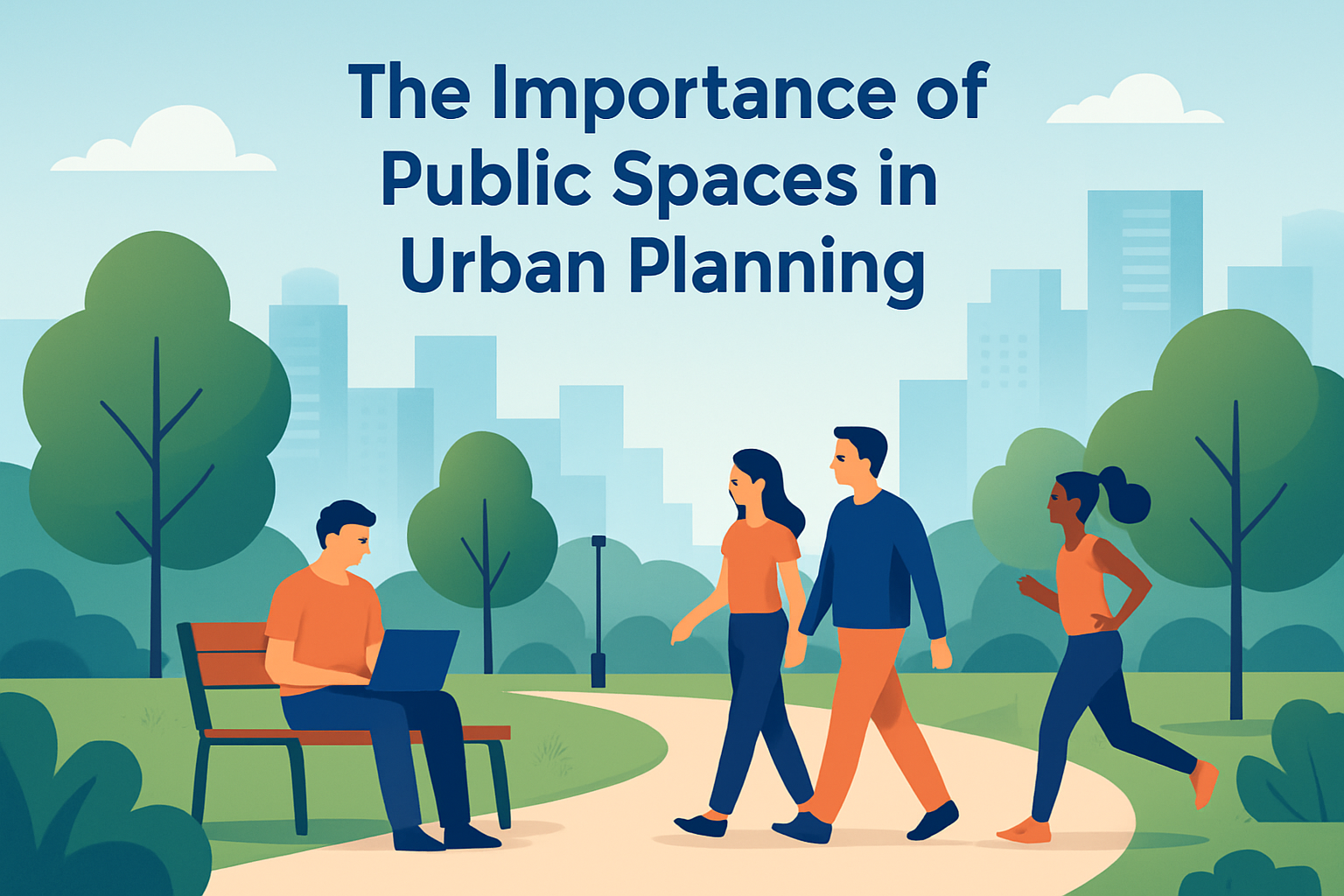
Public spaces are the lifeblood of modern communities. They are the parks, streets, squares, and other areas accessible to everyone, designed for recreational purposes, social interactions, and community events. These spaces play a significant role in enhancing the quality of life and boosting overall urban vibrancy. However, along with their benefits, public spaces also bring about challenges concerning community safety. Public spaces can serve as congregating grounds for unlawful activities if not designed or managed appropriately. Hence, the importance of establishing a balance between accessibility and safety in public spaces cannot be overstated.
Public spaces invite individuals from diverse backgrounds and interests to coexist, sparking interactions that might not occur in private spheres. This mix can serve as a catalyst for community involvement, inclusiveness, and cooperation, all crucial aspects of a robust societal framework. Furthermore, well-designed public spaces can significantly reduce crime rates by increasing natural surveillance and promoting healthy community interactions. On the other hand, poorly designed public spaces might contribute to the spread of crime, either due to insufficient lighting, lack of visibility, or inadequate policing. Understanding the dynamics between public spaces and community safety is crucial to creating thriving urban environments where individuals feel secure and connected.
Designing Safe Public Spaces
One of the most effective ways to enhance community safety in public spaces is through intentional design. Thoughtful design can deter criminal activity and encourage community use, making public areas safer and more enjoyable. Crime Prevention Through Environmental Design (CPTED) is a key strategy employed by urban planners to achieve this balance. CPTED principles suggest using natural surveillance, territorial reinforcement, and access control to prevent crime.
A real-world example of CPTED in action is Bryant Park in New York City. In the 1980s, Bryant Park was notorious for crime and drug use. A redesign in the early 1990s, incorporating principles of CPTED, transformed it into a bustling community hub. This transformation was achieved by opening up sightlines, reducing dark and hidden spaces, and adding more lighting and seating areas. The park’s new design encouraged greater foot traffic and diverse usage, which helped deter criminal activity and boost safety.
Community Engagement and Involvement
The role of the community in maintaining the safety of public spaces cannot be understated. A strong sense of ownership and responsibility encourages community members to protect and preserve their shared environments. Active participation in local governance, community watch programs, and neighborhood events can foster a safe atmosphere in public spaces.
An illustrative example of community involvement contributing to safer public spaces can be seen in the “Love Your Block” initiative in Pittsburgh. Residents were encouraged to propose small-scale community projects to improve local spaces. These projects range from cleaning up parks, planting gardens, to installing better lighting in public areas. The initiative has seen a marked reduction in crime rates within participating neighborhoods as a result of increased community activity and improved public spaces.
Use of Technology in Public Spaces
Recent advancements in technology provide a valuable ally in managing the safety of public spaces. Surveillance cameras, improved lighting technologies, and integrated communication systems are just a few examples of how technology enhances public safety.
For instance, in Chicago, the “Smart City” initiative has deployed technology to improve safety in public places. The program uses a network of surveillance cameras and streetlights equipped with sensors to collect data on local activity. This information is analyzed to identify potential risks and enhance policing efforts accordingly. This tech-driven approach has resulted in a decrease in crime and an increase in community trust and overall safety.
| Technology | Purpose | Impact |
|---|---|---|
| Surveillance Cameras | Monitor public spaces for criminal activity | Increased deterrence and crime resolution |
| Smart Streetlights | Enhance visibility and collect environmental data | Improved safety and urban planning |
| Communication Systems | Enable rapid reporting and response | Faster emergency response times |
Balancing Security and Accessibility
While ensuring safety in public spaces is crucial, it is equally important to preserve accessibility. Over-policing and excessive security measures can alienate community members and discourage them from using public spaces. Striking the right balance between security and accessibility is key to fostering inclusive environments.
An example of this balance is witnessed in Singapore’s Gardens by the Bay, where the integration of security features does not impede the accessibility or enjoyment of public spaces. The park uses unobtrusive security measures such as plainclothes patrols and strategically placed surveillance systems, allowing visitors to feel secure without feeling surveilled. This approach ensures that these areas remain inviting and widely utilized.
Future Directions in Public Space Safety
The future of public spaces holds exciting possibilities as urban planners examine innovative solutions to enhance community safety. Emerging trends include the use of artificial intelligence to predict crime patterns, design-driven public spaces co-created with community input, and green infrastructure that combines ecological and safety benefits. These strategies offer potential solutions to contemporary challenges in public safety.
One forward-thinking example is the ongoing project in Helsinki, Finland, known as “Helsinki New Spaces.” This initiative involves the creation of adaptive public spaces that respond dynamically to real-time data, such as changes in weather or foot traffic, to optimize both safety and usability. Such intelligent design is set to redefine how public spaces are managed in an increasingly urbanized world.
Conclusion and Call to Action
The intersection of public spaces and community safety is essential for creating urban areas where people can live, work, and play confidently. By drawing from principles of design, community engagement, technology, and balanced security, we can cultivate environments that promote safety and inclusivity. The strategies and examples discussed demonstrate how effectively managed public spaces can foster a sense of community and contribute to enhanced quality of life.
For community stakeholders, urban planners, and local governments, the next step involves actively seeking ways to apply these strategies within their surroundings. Explore opportunities to enhance existing public spaces, engage with community members to understand their needs, and implement appropriate technological solutions to ensure safety. Together, we can achieve safer, more vibrant public spaces that serve as the beating heart of unified, diverse communities.
Join the movement to improve public spaces: think critically about the public environments in your area, advocate for changes, and collaborate with others to build the urban environments our future demands.
Frequently Asked Questions
1. Why are public spaces considered important for communities?
Public spaces are crucial because they offer a realm where people can congregate, socialize, and participate in various activities. Parks, streets, and squares encourage recreational opportunities, provide room for cultural and community events, and foster social interactions. These interactions are essential for building strong community bonds, nurturing social cohesion, and promoting inclusivity. Public spaces also enhance urban vibrancy and play a pivotal role in mental and physical well-being by offering serene environments away from the hustle of daily life. In essence, they are essential for the overall quality of life in communities, providing a space for relaxation, creativity, and civic engagement.
2. What are some common safety concerns associated with public spaces?
Public spaces, while beneficial, come with specific safety concerns that communities must address. Some common issues include the potential for crime, such as theft, vandalism, or violent activities. Public spaces can sometimes be sites for illicit activities like drug dealing or gang-related incidents due to their accessibility. There are also concerns about adequate lighting and surveillance, which can impact safety especially during nighttime. Moreover, the condition of the space, such as poorly maintained equipment or uneven paths, can pose physical safety risks to users. Ensuring community safety in public spaces means addressing these potential dangers proactively and effectively.
3. How can community safety in public spaces be improved?
Improving community safety in public spaces involves a combination of design, policy, and community engagement. Firstly, well-designed spaces naturally deter crime; for example, clear sightlines, ample lighting, and natural surveillance can reduce the likelihood of unlawful activities. Implementing positive policing strategies and maintaining a presence can provide reassurance to visitors. Community engagement is vital too, as communities that actively use their public spaces, organize events, and take pride in them are less likely to experience crime. Moreover, establishing partnerships between local authorities, police, and community organizations can enhance safety by fostering accountability and responsiveness to community needs. Regular maintenance and upkeep of public spaces are also necessary to ensure they remain safe and welcoming.
4. What role does community participation play in maintaining safety in public spaces?
Community participation is a fundamental aspect of maintaining safety in public spaces. When community members are involved in decision-making processes regarding their public spaces, there is generally a higher level of stewardship and care for those areas. Events organized by citizens can increase foot traffic, which naturally deters criminal activities. Community-driven initiatives like neighborhood watch programs or regular clean-up days create a sense of ownership, leading to more vigilant and proactive safety measures. Community input can help tailor safety interventions to meet the specific needs and concerns of the local population, ensuring that public spaces remain vibrant, welcoming, and secure for everyone.
5. How can technology be leveraged to enhance safety in public spaces?
Technology offers numerous opportunities to bolster safety in public spaces. One of the most effective tools is the installation of CCTV cameras, which can deter criminal activities and assist in law enforcement efforts by providing evidence when needed. Smart lighting that adjusts based on time of day or activity levels can enhance visibility and deter potential wrongdoers. Mobile applications can be developed to report safety issues effectively or to alert authorities about suspicious activities. Social media platforms can be utilized for community alerts and to coordinate neighborhood efforts. Additionally, some cities have implemented ‘smart’ infrastructure like facial recognition or sensor technologies to monitor activity in real-time, thus providing data that can be invaluable for ensuring timely and efficient responses to safety concerns. Technology, when implemented thoughtfully, can greatly enhance the sense of security in public spaces while respecting individual privacy and community values.