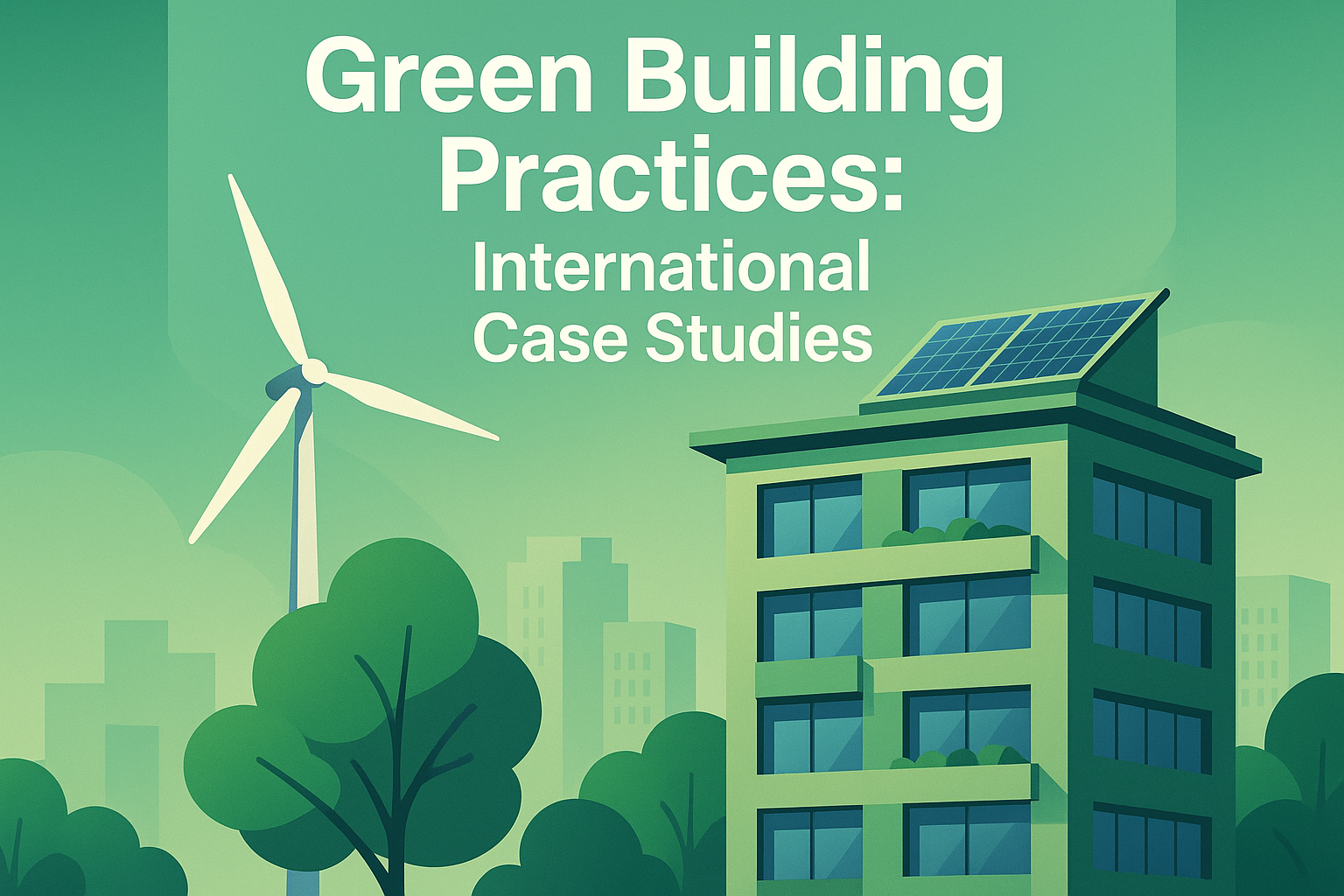
In our increasingly interconnected world, the impact of buildings on the environment is gaining attention. This concern has led to the development of green building practices, which are designed to minimize the environmental footprint of our built environment while promoting healthy, sustainable living. Many international organizations and builders have pioneered these techniques, resulting in innovative, eco-friendly structures that set new standards in design and construction. By examining these practices and their adoption globally, we gain insight into a future where construction harmonizes with nature rather than resists it. Understanding green building practices involves delving into terms such as “sustainability,” “energy efficiency,” “renewable resources,” and “environmental performance.” These elements lie at the heart of an approach that matters because it tackles urgent environmental challenges, promotes resource efficiency, and can lead to healthier living spaces. Not only do green buildings help preserve the planet’s natural resources, but they also result in cost savings through reduced energy consumption, enhanced indoor air quality, and increased value over time. By exploring international case studies, we can better comprehend how these principles translate into practical execution, offering models that various regions adapt according to their unique circumstances.
The Role of Energy Efficiency in Green Buildings
Energy efficiency sits at the core of every green building practice. By minimizing energy consumption, buildings can reduce their reliance on non-renewable resources and lower greenhouse gas emissions. The concept revolves around optimizing various systems within a building, from heating and cooling systems to lighting and appliances. A prominent example of energy efficiency in green building is the Bank of America Tower in New York City. This landmark not only harnesses renewable energy sources like wind and solar but also utilizes a variety of energy-efficient technologies. Its use of an underfloor air distribution system, daylight dimming controls, and high-efficiency chillers exemplifies how technology can mitigate energy waste.
Sustainable Materials: Beyond Traditional Choices
The materials used in construction significantly impact a building’s environmental footprint. Sustainable materials, often locally sourced or recycled, offer a more environmentally friendly alternative to traditional building materials. They not only reduce waste and conserve natural resources but also contribute to healthier indoor environments. One example is Singapore’s Gardens by the Bay, which incorporates sustainable materials throughout its construction. The use of recycled concrete and sustainably sourced wood demonstrates how thoughtful material selection contributes to sustainability goals. The project highlights sustainable material’s role in creating iconic structures with minimal environmental disturbance.
Water Conservation and Management in Green Buildings
Water conservation is another critical component of green building practices. By incorporating water-efficient plumbing fixtures and irrigation systems, buildings can significantly reduce their water usage. Additionally, rainwater harvesting systems enable buildings to utilize natural precipitation, further decreasing reliance on municipal water supplies. Australia’s Council House 2 in Melbourne serves as a model for water conservation. Featuring a sophisticated rainwater harvesting system and greywater recycling, the building has dramatically reduced its water demand. Such innovations demonstrate that water resource management can be integral to green building design.
Indoor Environmental Quality: Healthier Living and Working Spaces
Creating spaces with superior indoor environmental quality (IEQ) is a priority for green buildings. This involves enhancing aspects such as air quality, lighting, and thermal comfort. Improved IEQ contributes to better health, productivity, and wellbeing of occupants. The Edge in Amsterdam is a testament to enhanced IEQ in practice. Boasting smart lighting systems, natural ventilation, and extensive greenery, the building offers a more pleasant and healthier environment for its users. This marks a significant shift toward prioritizing human wellbeing in building design.
Renewable Energy Integration in Building Design
Green building practices often involve integrating renewable energy sources, such as solar or wind power, into the building’s infrastructure. This integration not only reduces carbon emissions but also promotes energy independence. The Bullitt Center in Seattle exemplifies this approach by being one of the greenest commercial buildings in the world. The building is powered entirely by solar energy, features a rainwater-to-drinking water system, and has composting toilets. The center serves as a remarkable example of how renewable energy can power modern buildings while minimizing ecological impact.
| Green Practice | Location | Example Structure |
|---|---|---|
| Energy Efficiency | USA | Bank of America Tower |
| Sustainable Materials | Singapore | Gardens by the Bay |
| Water Conservation | Australia | Council House 2 |
| Indoor Environmental Quality | Netherlands | The Edge |
| Renewable Energy | USA | Bullitt Center |
Interconnected Systems and Smart Building Technologies
An exciting evolution in green building practices involves the use of smart technologies and interconnected systems. These systems improve operational efficiency, reduce energy waste, and provide on-demand information to optimize resource use. Smart buildings incorporate technology like sensors and automated systems to adapt to the needs of occupants and environmental conditions in real time. Hong Kong’s International Commerce Centre leverages such technologies, employing smart lifts and intelligent climate controls to reduce energy consumption and enhance user experience. These innovations demonstrate the pivotal role that technology plays in achieving green building goals.
Community and Cultural Considerations in Green Building Design
Community and cultural elements are crucial considerations in green building practices, as they enhance a building’s relevance and acceptance. Incorporating local traditions and community needs can drive the success of sustainable projects. A prime example is the Bosco Verticale in Milan, which integrates living trees and plants into residential towers, reflecting Italy’s deep connection with nature and urban greenery. This approach not only enhances aesthetic appeal but also supports the creation of micro-environments that improve both social and ecological quality within urban landscapes.
Economic Viability and Long-Term Benefits
The economic viability of green buildings is a significant factor driving their adoption. While initial costs can be higher due to the use of advanced materials and technologies, the long-term savings in energy and maintenance justify the investment. The Dubai Sustainable City is an inspiring case where residential and commercial buildings achieve zero net energy, owing to solar panels and a smart supergrid. This self-sufficiency underscores the economic rationale for investing in sustainable design. The reduction in utility costs and the increase in property value are compelling benefits for stakeholders.
Policy and Regulations: The Role of Governance
Government policy and regulation are instrumental in fostering green building practices. By establishing benchmarks and incentives, authorities can encourage wider adoption of sustainable methods across the construction industry. Japan’s Act on the Promotion of Energy Efficiency and Renewables showcases how governance can support sustainable building development. Under this legislation, builders receive tax incentives and subsidies to implement energy-efficient designs. Moreover, Japan’s regulations promote regular assessments and improvements, ensuring buildings maintain high standards of environmental performance over time.
In summary, exploring green building practices through international case studies illustrates their critical role in contemporary construction. Energy efficiency, sustainable materials, water conservation, superior indoor environmental quality, and renewable energy integration stand as foundational elements in green building, each offering solutions to significant ecological challenges. Moreover, the integration of smart technologies, economic viability, cultural empathy, and regulatory frameworks further enrich these practices. For individuals and organizations, embracing these principles means contributing to a sustainable future while reaping economic and well-being benefits. We invite readers to engage with local and global efforts, whether by advocating for green building in community projects, investing in sustainable properties, or championing policy changes. Together, we can shape a resilient, eco-friendly built environment for generations to come.
Frequently Asked Questions
1. What are green building practices and why are they important?
Green building practices refer to the architectural and construction methods that aim to reduce the environmental impact of buildings. These practices emphasize energy efficiency, water conservation, air quality, and the use of sustainable materials, thereby fostering a healthier living environment. The importance of green building practices stems from their ability to lower carbon emissions, reduce waste, and promote biodiversity. Moreover, these practices often lead to cost savings in energy and water consumption, which can be financially beneficial for both owners and occupants in the long run. Ultimately, embracing green building practices plays a crucial role in combating climate change by decreasing the carbon footprint of our built environment while enhancing the overall well-being of society.
2. Can you provide examples of international case studies that highlight successful green building practices?
Absolutely! One renowned example is the Bosco Verticale (Vertical Forest) in Milan, Italy. This innovative residential building is covered in thousands of trees and shrubs, which help to improve air quality, reduce noise pollution, and regulate building temperature. Another notable case is The Edge in Amsterdam, often referred to as the greenest and smartest office building globally. It incorporates solar panels, a rainwater harvesting system, and a state-of-the-art smart lighting system. The One Central Park in Sydney is yet another exemplary case, featuring a green facade and using recycled water systems, light-reflecting heliostat technology, and renewable energy sources. These case studies showcase how green building practices can be creatively employed to create functional, aesthetically pleasing, and sustainable structures worldwide.
3. What are some common challenges faced when implementing green building practices internationally?
Implementing green building practices globally often comes with its set of challenges. Firstly, there may be a lack of skilled professionals familiar with sustainable building techniques, which can hinder proper implementation. Secondly, the initial cost of green building materials and technologies can be higher compared to conventional options, which might deter some developers. Additionally, there can be regulatory barriers where existing building codes and construction standards may not support or even permit innovative green techniques. Furthermore, different climates and geographical conditions may require adaptations of certain practices that work elsewhere, adding complexity to the process. To overcome these challenges, education, government incentives, and international collaboration are pivotal.
4. How do green building practices contribute to more sustainable living environments?
Green building practices contribute significantly to sustainable living environments by promoting energy and resource efficiency, improving indoor environmental quality, and reducing negative impacts on the natural environment. By utilizing renewable energy sources, efficient insulation, and smart building technologies, green buildings dramatically lower energy consumption and greenhouse gas emissions. Water-saving fixtures, rainwater harvesting, and greywater recycling reduce water usage and manage stormwater more effectively. Additionally, by prioritizing non-toxic materials and improving ventilation systems, green buildings ensure healthier indoor environments, minimizing the risk of respiratory issues and other health problems. Cumulatively, these efforts lead to more resilient communities that both benefit the ecosystem and enhance the quality of life for their inhabitants.
5. How have international standards for green building evolved over time?
International standards for green building have evolved considerably over the years, driven by advancements in technology, changing environmental policies, and increased awareness of sustainable practices’ benefits. Initially, the focus was on energy efficiency, with standards like LEED (Leadership in Energy and Environmental Design) and BREEAM (Building Research Establishment Environmental Assessment Method) emerging as pioneers. Over time, these standards have expanded to encompass water efficiency, waste reduction, and indoor environmental quality. The integration of smart technologies into building design has also been a significant evolution, enhancing the ability to monitor and optimize energy usage in real-time. Furthermore, global initiatives like the United Nations’ Sustainable Development Goals have emphasized the need for comprehensive and adaptable standards that address regional environmental and socio-economic challenges. Today, green building standards are more holistic, encouraging innovation and collaboration across the global construction industry.