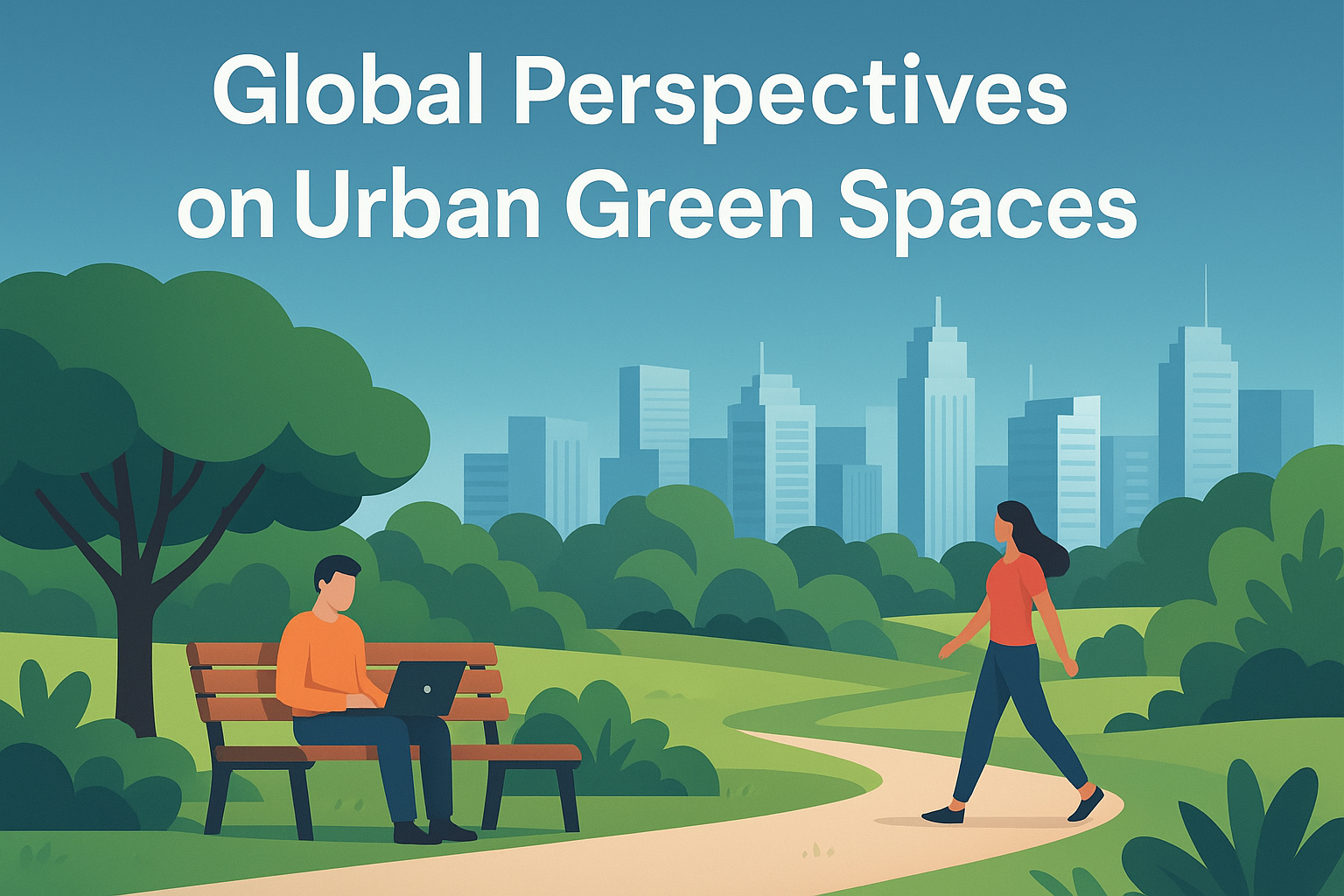
Urban green spaces have become a pivotal aspect of city planning and development worldwide. As urbanization continues to spike globally, these green sanctuaries offer not just aesthetic appeal but crucial environmental, social, and economic benefits. The term “urban green spaces” refers to public or private areas in urban settings that contain grass, trees, and other vegetation. These spaces can encompass parks, gardens, playgrounds, and even green rooftops and community gardens. The significance of urban green spaces lies in their ability to improve air quality, mitigate urban heat, enhance biodiversity, and provide recreational opportunities that elevate citizens’ well-being.
With rapid urban growth, cities are facing challenges related to pollution, heat islands, and mental stress. Integrating green spaces within urban planning is not just a trend but a necessity. Urban green spaces contribute significantly to sustainable urban development. They offer residents a breath of fresh air and a place to connect with nature, encouraging better physical and mental health outcomes. As urban populations worldwide are expected to grow by 2.5 billion by 2050, according to the United Nations, the role of urban green spaces is more crucial than ever.
Environmental Impact of Urban Green Spaces
Urban green spaces are known for their profound environmental impact, acting as the lungs of a city. Trees and plants in these areas perform essential functions such as carbon sequestration and oxygen release, which improve air quality significantly. Moreover, they help in regulating the urban climate by providing shade, thus reducing the heat island effect often experienced in densely constructed city areas.
For example, New York City’s Central Park is an emblematic example that demonstrates the environmental impact green spaces have in urban environments. Central Park, through its extensive foliage and open spaces, acts as an urban oasis by filtering pollutants and cooling the city’s temperature. Studies have shown that temperatures in Central Park can be several degrees cooler than those in the surrounding urban landscape, underscoring the park’s importance in increasing climate resilience.
Social Benefits of Urban Green Spaces
The inclusion of green spaces in urban environments extends beyond environmental improvements to encompassing various social perks. These areas are pivotal in fostering community cohesion and providing recreational opportunities. They offer residents a place to engage in physical activities, which are essential for maintaining health and reducing the incidences of lifestyle-related diseases such as obesity and heart disease. Furthermore, they serve as social hubs where people can interact, thereby strengthening community ties and reducing feelings of isolation commonly experienced in urban settings.
Consider the example of Parc de la Villette in Paris. This park not only serves as a green lung for the city but also as a cultural hub featuring concerts and community events, fostering a sense of community. Such spaces are crucial for integrating different demographic groups, facilitating cultural exchanges, and promoting social inclusivity.
Economic Implications of Urban Green Spaces
Urban green spaces also have a substantial economic impact. Green areas can increase property values and attract businesses, contributing positively to the local economy. Additionally, they can decrease healthcare costs by promoting healthier lifestyles and providing a venue for relaxation and stress reduction, thereby decreasing the burden of mental health services on public systems.
A remarkable real-world example is The High Line in New York City. This elevated linear park, established on a historic freight rail line, has revitalized the surrounding area by attracting tourists and locals alike, boosting neighborhood property values, and providing numerous job opportunities linked to tourism and park maintenance. The High Line demonstrates how well-planned urban green spaces can lead to economic revitalization.
Challenges and Solutions in Implementing Urban Green Spaces
Creating and maintaining urban green spaces presents several challenges, including financial constraints, competing land uses, and maintenance issues. Urban areas often grapple with limited space, and the high cost of land presents a significant challenge to developing new green areas. Moreover, maintaining these spaces requires financial investment in infrastructure, regular upkeep, and security.
Innovative solutions have emerged to tackle these challenges. A notable approach is the concept of vertical gardens and green roofs, which optimize limited space and allow for the integration of vegetation into existing urban infrastructure. Cities like Singapore have embraced such innovations, evident in the Supertree Grove at Gardens by the Bay. These vertical gardens maximize space efficiency, contribute to biodiversity, and demonstrate how cities can creatively incorporate green spaces without sprawling land requirements.
Innovative Urban Green Spaces: A Global Overview
Urban green spaces are being reconceptualized and redesigned continuously, with cities around the world taking innovative approaches. This push towards creativity is necessary to address specific urban challenges while accommodating growing populations. Below is a table highlighting some innovative examples of urban green spaces worldwide:
| City | Innovative Green Space | Key Feature |
|---|---|---|
| Singapore | Gardens by the Bay | Vertical gardening and artificial supertrees |
| Mexico City | Bosque de Chapultepec | Largest city park with museums and natural reserves |
| Seoul | Cheonggyecheon Stream | Urban renewal project creating a streamside park |
| Shanghai | Houtan Park | Scientific design integrating ecological and cultural aspects |
These innovative designs showcase a global commitment to enhancing urban quality of life through creative green space solutions. Inspired usage of urban landscapes ensures cities remain livable, sustainable, and vibrant despite escalating urban density.
Conclusion: Harnessing the Benefits of Urban Green Spaces
The integration of urban green spaces across global cities marks an essential step towards sustainable urban development. These areas go beyond mere aesthetic enhancements; they provide critical environmental benefits by improving air quality, alleviate urban heating, and bolster biodiversity. Additionally, they play a substantial role in strengthening social cohesion and offering economic advantages, thus reinforcing their overall importance in urban settings.
From New York’s Central Park to Singapore’s Gardens by the Bay, urban green spaces around the world exemplify how cities can transform concrete jungles into vibrant, sustainable living environments. As cities continue to grow and evolve, planning and investing in urban green spaces should be a priority for policymakers to ensure current and future generations reap their vast benefits.
Readers are encouraged to advocate for more green spaces in their communities by engaging with local policymakers or participating in community green initiatives. It is only through collective efforts that cities can effectively integrate more green spaces into their urban fabric and reshape urban living for the better.
Incorporating more urban green spaces offers a benefit to every urban dweller and the environment. Let us not merely envision greener urban spaces but actively participate in making them a reality.
Frequently Asked Questions
1. Why are urban green spaces important in the context of global urbanization?
Urban green spaces have gained immense importance as urbanization accelerates globally. As cities expand, they often engulf natural landscapes, leading to issues like habitat loss, increased pollution, and urban heat islands. Green spaces act as vital patches of nature within these concrete expanses, providing crucial environmental benefits. They help in reducing temperature through shading and evapotranspiration, improving air quality by filtering pollutants and absorbing carbon dioxide, and facilitating water management by allowing rainwater filtration and reducing runoff.
Moreover, green spaces contribute to the physical and mental well-being of urban residents. They offer a tranquil escape from the urban hustle, fostering mental rejuvenation and relaxation. Socially, these spaces serve as communal hubs that promote interaction, inclusivity, and a sense of community, which are often lost in densely populated urban environments. Economically, they can increase property values, attract tourism, and spur local business development by making urban areas more desirable places to live and visit. Therefore, the integration of green spaces into urban planning is not just beneficial but essential for sustainable city living.
2. What types of urban green spaces are commonly found around the world?
Urban green spaces come in many forms, each offering unique benefits and serving different community needs. Parks are perhaps the most recognizable type, providing large open spaces for recreation, exercise, and gatherings. Gardens, whether community, botanical, or rooftop, bring diverse plant life into urban settings, often showcasing local flora and offering educational opportunities.
Playgrounds specifically cater to younger demographics, providing safe areas for children to engage in play and develop social skills. Green rooftops are a more modern adaptation, transforming unused rooftop areas into green havens that help combat the urban heat island effect and optimize building insulation. Community gardens are becoming increasingly popular, providing residents with space to grow their own plants and vegetables, fostering a sense of community ownership and food security. Collectively, these spaces contribute significantly to the aesthetic and functional value of urban environments.
3. How do urban green spaces impact public health?
The impact of urban green spaces on public health is profound and multifaceted. Firstly, they provide opportunities for physical activity such as walking, jogging, cycling, and sports, which are crucial for maintaining physical health and preventing conditions like obesity, cardiovascular diseases, and diabetes. Regular interaction with nature in these spaces can also boost mental health by reducing stress, anxiety, and depression, which are common in high-pressure urban settings.
Green spaces promote social interaction and cohesion, factors often linked with improved mental well-being. The presence of greenery also stimulates neurological and cognitive functioning, contributing to better concentration and productivity. From a public health perspective, these spaces also contribute to reducing pollution-related health problems, providing cleaner air, and lowering the incidence of respiratory issues. These benefits underscore the need for policymakers to prioritize accessible green areas in urban health strategies.
4. How do different countries approach urban green space development and management?
Approaches to urban green space development vary significantly worldwide, influenced by cultural, economic, and environmental factors. In Europe, cities like Copenhagen and Amsterdam emphasize integrating green spaces into urban planning, prioritizing accessibility, biodiversity, and sustainability. Copenhagen is famed for its ambitious goal of becoming the world’s first carbon-neutral city, with green spaces playing a pivotal role in achieving this through solutions such as multifunctional parks that also manage stormwater.
In Asia, cities like Singapore have adopted innovative urban greening strategies to counteract space constraints, including vertical greenery, green roofs, and nature reserves. Singapore’s “City in a Garden” vision integrates lush vegetation into urban architecture, creating a symbiotic relationship between nature and urban development. Meanwhile, in North America, cities like New York have revitalized spaces like the High Line, demonstrating how disused infrastructure can be transformed into thriving public spaces. These international examples highlight that while the challenges vary, the global recognition of green spaces as a vital urban component remains consistent.
5. What challenges do cities face in maintaining and expanding urban green spaces?
Several challenges confront urban planners and policymakers in their efforts to maintain and expand green spaces. Rapid urbanization often leads to competition for land, where the pressure to accommodate housing, infrastructure, and commercial development can overshadow the allocation of space for greenery. Budget constraints are another significant issue, as developing and maintaining green areas require substantial investment, often with delayed financial returns compared to other urban projects.
There is also the challenge of ensuring equitable access to these spaces. Many urban green areas are not evenly distributed, often leaving underserved communities with limited access to such vital resources. Environmental challenges, such as climate change, further exacerbate the situation, as increased temperatures and extreme weather can affect plant health and sustainability. To overcome these hurdles, cities must adopt innovative practices such as multi-purpose green areas, community engagement in maintenance, flexible public-private partnerships, and policies aiming at balanced urban growth. By doing so, they can ensure that urban green spaces continue to thrive amid expanding cities.