Understanding Urban Growth and Its Importance
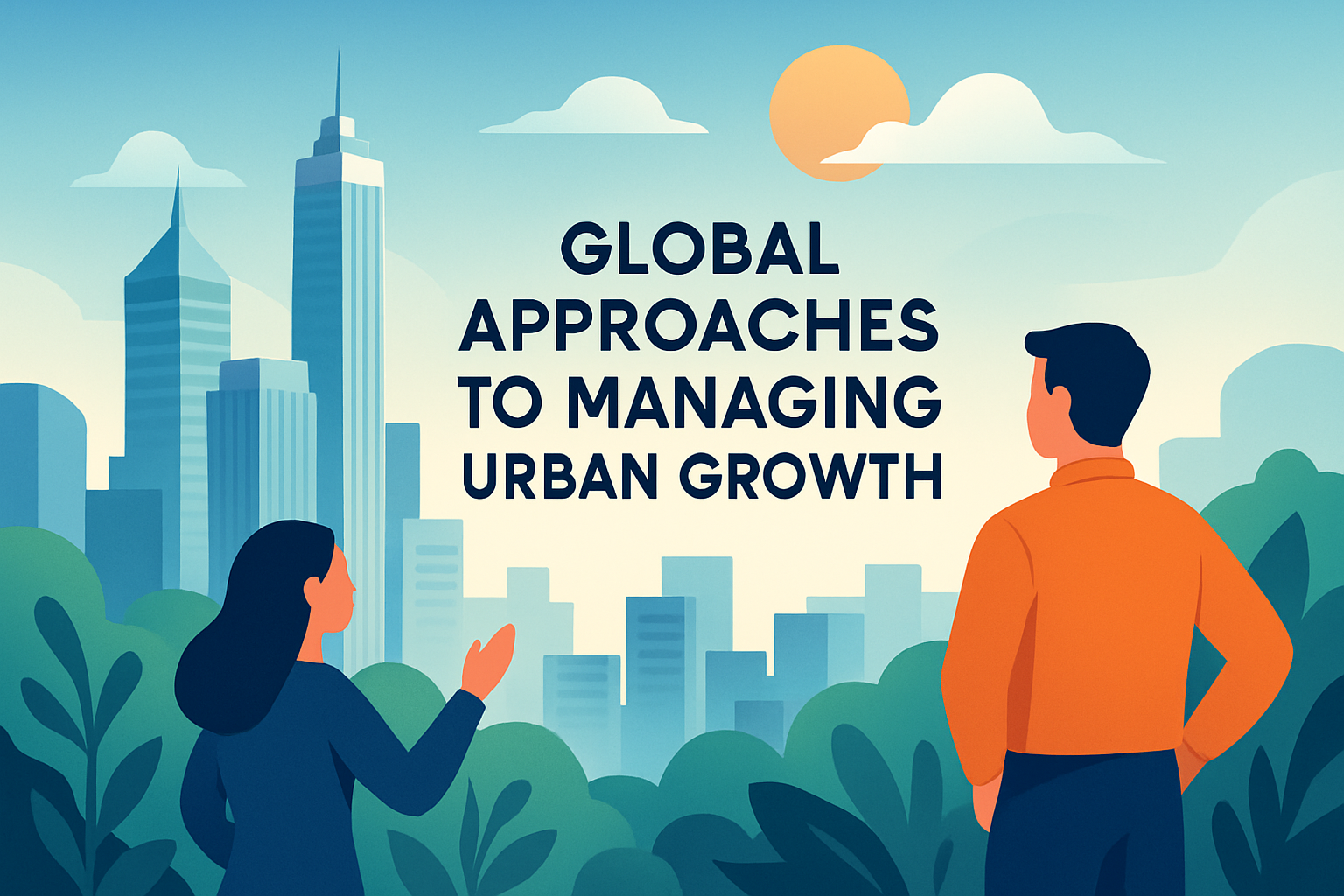
Urban growth refers to the increase in population and expansion of cities, often resulting in greater infrastructural development and economic activity. This phenomenon has been accelerating globally due to factors like rural-to-urban migration, natural population growth, and globalization. As urban areas expand, they can bring about both opportunities and challenges for local and international communities. It is crucial to understand urban growth because it significantly impacts economic development, environmental sustainability, resource management, and social dynamics.
Key terms involved in this discussion include “sustainable urban development,” which denotes urban growth managed in a way that allows cities to function efficiently without degrading environmental and social structures over time. “Smart cities” leverage technology and data analytics to improve urban infrastructure and services. It is vitally important to manage urban growth effectively to maintain a balance between economic progress, environmental sustainability, and social equity. Addressing these aspects impacts everything from climate change mitigation efforts to socioeconomic disparities within urban settings.
Managing urban growth matters because it directly affects the quality of life of millions of people both today and in the future. Across the world, different approaches are being undertaken to ensure that urban growth is not just managed, but strategically directed toward benefiting society as a whole. This article explores some of these global approaches, offering insights into real-world examples and the strategies applied in diverse urban settings.
Sustainable Urban Development: The Green Cities Initiative
Sustainable urban development ensures that cities grow in a way that is environmentally, economically, and socially sustainable. This approach revolves around creating urban areas where economic activity does not come at the expense of environmental degradation or social inequity. Many governments and organizations worldwide are adopting sustainable practices to support urban growth.
A prime example of this is the Green Cities Initiative, a global movement that aims to integrate sustainability into all aspects of urban living. Cities involved in this initiative commit to reducing carbon footprints, promoting renewable energy, and enhancing resource efficiency. A noteworthy example is Copenhagen, Denmark, which has made significant strides toward becoming carbon-neutral by 2025. The city has invested in wind energy, advanced public transportation, and green architecture, demonstrating that sustainable urban development is feasible and effective.
By implementing practices such as increasing green spaces, optimizing waste management, and encouraging energy-efficient buildings, cities can manage growth while preserving the environment. This model focuses on a long-term vision where economic growth supports ecological balance and social prosperity. The adoption of such sustainable practices is crucial for cities worldwide to cope with the effects of rapid urbanization and climate change.
Implementing Smart City Technologies
Smart cities leverage technology and data to improve urban infrastructure and services, ensuring efficient growth. This approach includes the use of Internet of Things (IoT) devices, artificial intelligence, and data analytics to manage everything from traffic flow to energy consumption. Implementing smart city technologies can revolutionize urban governance and the daily life of city dwellers.
Barcelona, Spain, serves as a leading example of a city successfully implementing smart technologies. The city has integrated IoT sensors across urban furniture to manage parking efficiently, reduce energy consumption in street lighting, and optimize waste management systems. These efforts have resulted in significant cost savings for the city while improving the quality of services provided to residents.
Another application in smart cities includes real-time data analytics for traffic management, reducing congestion and pollution. Improved communication systems also enhance emergency response times and overall safety. Smart city initiatives create opportunities for citizens, businesses, and governments to collaborate more effectively to meet urban challenges. This approach emphasizes a data-driven decision-making process, ultimately fostering urban growth that is smarter, more efficient, and citizen-centric.
Incorporating Equitable Urban Planning
Equitable urban planning ensures that the benefits of urban growth are distributed fairly among diverse populations within a city. This approach addresses social disparities and ensures inclusivity in access to urban services and opportunities. It focuses on integrating socioeconomic factors into urban planning processes to enhance quality of life for all residents.
A pertinent example of equitable planning can be seen in Medellín, Colombia, often heralded for its innovative urban transformation. Medellín’s government initiated the “social urbanism” approach, which placed special emphasis on disadvantaged neighborhoods. Investments in public transportation, public spaces, and educational facilities dramatically improved mobility and accessibility, reducing crime rates and increasing quality of life.
Achieving equity in urban planning involves creating policies that consider the needs of marginalized communities. Participatory processes in decision-making empower residents and ensure their voices are heard. Additionally, constructing affordable housing and providing access to essential services like healthcare and education increase economic opportunities for low-income families, contributing to a more equitable society. This inclusive strategy of urban development fosters harmonious growth, supporting diverse communities within thriving urban environments.
Addressing Urban Resilience Against Natural Disasters
Urban resilience involves planning and developing urban areas to withstand and recover from natural disasters and other shocks. As urban populations grow, more people and infrastructure become vulnerable to natural threats like floods, earthquakes, and hurricanes. Building resilient cities requires robust planning and infrastructure investments that can minimize the impact of these events.
Japan’s Sendai city exemplifies an effective application of urban resilience strategies. After the devastating 2011 earthquake and tsunami, Sendai adopted comprehensive resilience plans focusing on enhancing infrastructure, disaster preparedness, and community awareness. These measures included enforcing stricter building codes, developing early warning systems, and constructing flood barriers. These enhanced the city’s capability to cope with future natural disasters.
Enhancing urban resilience involves integrating risk assessment into urban planning strategies and dedicating resources to infrastructure improvement. Moreover, fostering public awareness and encouraging local communities’ participation in resilience planning further strengthens cities’ capacities to tackle uncertainty. Proactive urban resilience ensures that cities not only survive but thrive despite facing natural challenges, securing safer living conditions for urban residents.
Promoting Public Transportation and Connectivity
The promotion of public transportation is essential to managing urban growth, reducing traffic congestion, and controlling pollution levels in burgeoning cities. Efficient public transportation systems enhance mobility while decreasing the adverse environmental and social impacts of reliance on private vehicles.
Curitiba, Brazil, has become a benchmark in promoting effective public transit solutions. The city pioneered the concept of Bus Rapid Transit (BRT) in the 1970s, implementing dedicated bus lanes that improved travel efficiency significantly. The success of Curitiba’s BRT system resulted in reduced emission levels and encouraged many other cities worldwide to adopt this model. Additionally, fostering connectivity through improved transit networks facilitates economic activities, decreases commute times, and fosters equitable access to opportunities. Well-connected urban areas enable enhanced interactions among city residents, helping to build vibrant societies.
Public transportation systems are increasingly integrated into broader urban planning processes, emphasizing the need for sustainable growth that prioritizes access and mobility. By investing in reliable public transit options, cities can confront urban growth challenges effectively while offering residents improved transportation solutions and quality of life.
| City | Strategy | Example |
|---|---|---|
| Copenhagen | Sustainable Development | Carbon-neutral initiatives |
| Barcelona | Smart Technologies | IoT for energy efficiency |
| Medellín | Equitable Planning | Social urbanism projects |
| Sendai | Urban Resilience | Disaster preparedness measures |
| Curitiba | Public Transportation | Bus Rapid Transit |
Conclusion: Key Takeaways and a Call to Action
The global approaches to managing urban growth as discussed show diverse strategies in sustainable development, smart technologies, equitable planning, resilience building, and enhancing public transportation. Collectively, these strategies showcase an integrated roadmap for balancing urban expansion while effectively addressing environmental, economic, and social challenges.
One key takeaway from this exploration underscores the multifaceted nature of urban growth. Just as urbanization solutions cannot be one-size-fits-all, applying tailored approaches that align with specific city contexts is paramount. Whether pursuing sustainability, embracing smart technologies, or fostering equity and resilience, each element plays a critical role in shaping urban futures.
The reader stands to gain valuable insights into global practices that are not only innovative but actionable within other cities and regions developing comprehensive urban plans. Engaging in collaborative efforts among government institutions, private sectors, and communities can further catalyze positive changes in urban landscapes worldwide.
Finally, this call-to-action invites readers to reflect on their respective urban environments. Encourage public awareness, participate in local urban development discussions, and support initiatives poised to ensure better quality of living and ecological balance. By doing so, individual contributions collectively solve today’s urbanization challenges, steering global societies toward sustainable and prosperous futures. The time to act is now, as managing urban growth determines the well-being of current and future generations.
Frequently Asked Questions
1. What Is Urban Growth and Why Is It Important?
Urban growth refers to the increase in population and the expansion of infrastructure in cities and towns. It’s a phenomenon that can be observed worldwide, driven by factors such as rural-to-urban migration, which is when people move from the countryside to cities, natural population growth, and various aspects of globalization. Understanding urban growth is essential because it directly impacts economic development and environmental sustainability. As cities grow, they can provide more opportunities for employment and innovation, becoming hubs for cultural and economic activities. However, this also means they face challenges like traffic congestion, pollution, and under-pressure public services which need efficient management to ensure sustainable development. Recognizing the importance of urban growth is crucial for policymakers, urban planners, and the general public as it influences quality of life and the future of urban environments worldwide.
2. What Are Some of the Major Challenges of Urban Growth?
Urban growth presents several challenges that cities must address to maintain livability and sustainability. One major issue is overcrowding, which can lead to inadequate housing and increased pressure on public infrastructure like transportation systems, schools, and healthcare facilities. Moreover, growing cities often experience environmental challenges, including air and water pollution and increased waste production, challenging efforts to maintain a healthy living environment for residents. Congestion is another significant issue, as more people and increased economic activities lead to traffic jams and longer commute times. Additionally, rapid urban expansion can result in the loss of green spaces, exacerbating the urban heat island effect where city centers become significantly warmer than outlying areas. Addressing these challenges requires comprehensive urban planning, investment in sustainable infrastructure, and innovative solutions to balance growth with the well-being of urban inhabitants.
3. How Do Different Countries Approach Urban Growth?
Countries worldwide employ diverse strategies to manage urban growth based on their unique contexts, challenges, and resources. For example, Singapore has adopted a highly organized approach with a focus on efficient land use, investing in vertical housing solutions, and integrating green spaces within urban landscapes. They’ve enacted stringent zoning laws and innovative technology to maximize space and efficiency. Meanwhile, cities in Scandinavia have focused heavily on sustainable urbanization by promoting cycling, public transportation, and renewable energies to decrease the carbon footprint of their urban areas. On the other hand, developing nations may focus on expanding basic infrastructure and services to accommodate the rapid influx of rural migrants to urban regions, often requiring international aid and partnerships to manage effectively. These varied approaches showcase the importance of context-specific strategies in urban planning, tailored to meet the evolving needs of populations and the specific challenges they face.
4. Is Urban Growth Always a Positive Thing?
While urban growth brings numerous advantages like economic prosperity, enhanced cultural exchanges, and innovative business opportunities, it doesn’t always translate to positive outcomes. When unmanaged, rapid urban expansion can lead to informal settlements or slums, where inhabitants lack access to proper housing, clean water, and sanitation. This unchecked growth can also lead to environmental degradation, increased greenhouse gas emissions, and strain on natural resources. Moreover, socio-economic inequities can become more pronounced, as wealthy areas prosper while underdeveloped neighborhoods fall behind. Therefore, for urban growth to be genuinely positive, it must be directed and managed through comprehensive policies that aim for inclusive, sustainable, and equitable urban environments that enhance the quality of life for all residents.
5. What Role Does Technology Play in Managing Urban Growth?
Technology plays an increasingly crucial role in managing urban growth, offering innovative solutions to urban challenges through the concept of smart cities. Advanced information and communication technologies (ICT) enable cities to efficiently manage resources, improve infrastructure, and enhance the quality of public services. For instance, the use of big data analytics helps city planners in traffic management by reducing congestion and optimizing public transportation routes. Likewise, IoT devices can monitor and manage energy use in buildings, reducing emissions and promoting sustainability. Smart waste management systems that utilize sensors can ensure timely garbage collection and improve recycling processes. Furthermore, technology supports urban governance by providing platforms for citizen engagement, facilitating better feedback mechanisms, and promoting transparency and accountability in local governments. Thus, embracing technological advancements is vital for cities aiming to achieve efficient and sustainable growth while addressing the complex challenges that urban expansions entail.