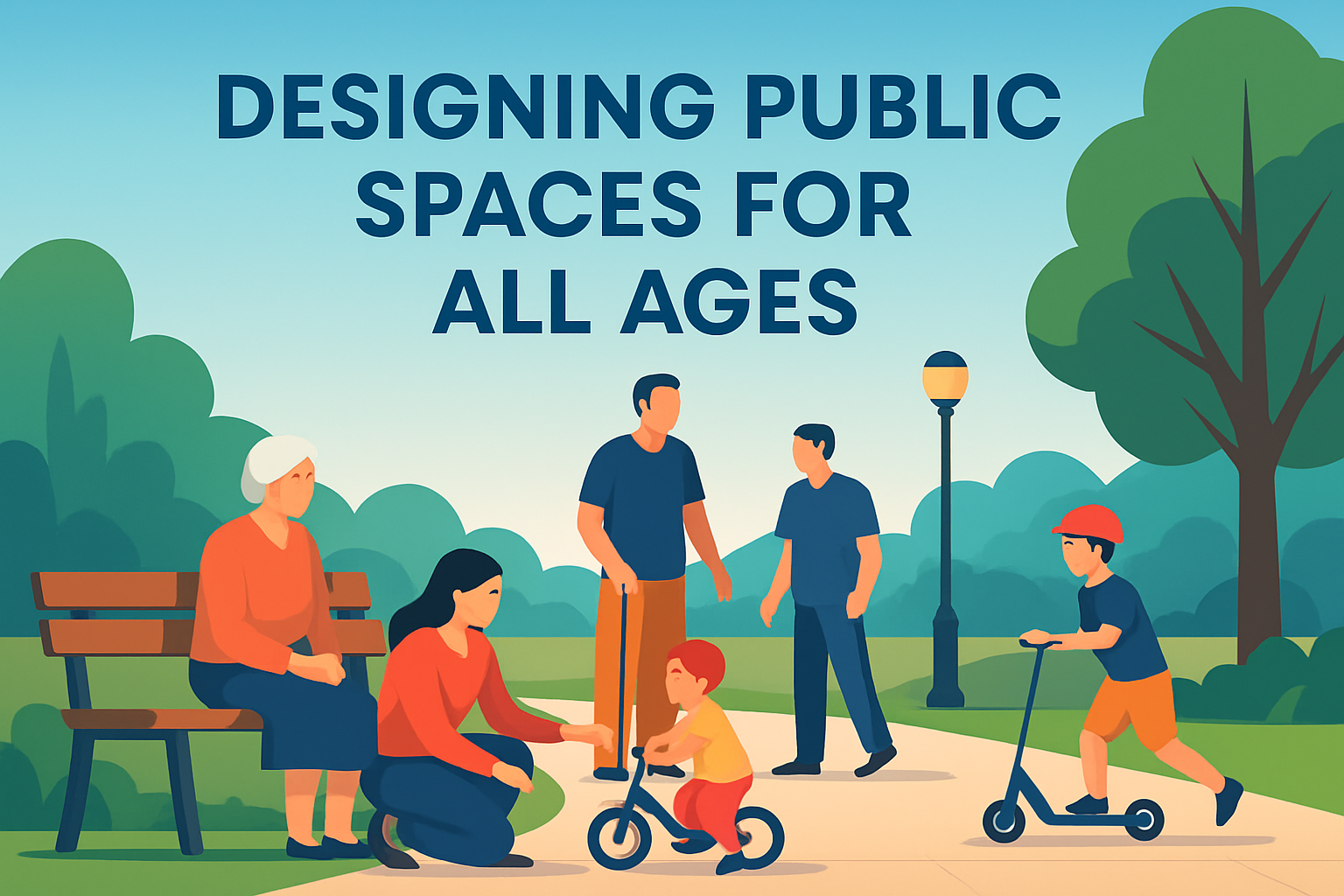
Public spaces play a crucial role in community life, serving as gathering spots where individuals of various ages can interact, relax, and engage in recreational activities. These spaces include parks, plazas, streets, and community centers, each contributing to the social and physical fabric of a community. Designing public spaces that cater to individuals of all ages is essential for fostering inclusivity, promoting health, and enhancing quality of life. By focusing on the needs of diverse age groups, urban planners can create environments that are accessible, enjoyable, and beneficial for everyone. This article will delve into the fundamental aspects of designing age-friendly public spaces, highlighting the importance of inclusivity and providing real-world examples to illustrate successful implementations.
Understanding Age-Friendly Design Principles
Age-friendly design principles revolve around the idea of creating environments that are accessible and beneficial for all age groups, from children to seniors. These principles emphasize accessibility, usability, safety, and comfort. For instance, features like smooth pathways, safe crosswalks, adequate seating, and clear signage are vital for accommodating the elderly and young alike.
A compelling example is the city of Copenhagen, Denmark, which has integrated age-friendly principles in its urban planning. The city ensures that its public spaces are accessible to individuals of all mobility levels by incorporating features such as wheelchair-friendly trails and benches with armrests for extra support. These designs not only help the elderly navigate the city safely but also provide parents with strollers and young children greater ease in moving through public areas.
Integrating Play Areas for Children
Incorporating play areas within public spaces offers significant benefits by fostering social interaction, physical activity, and cognitive development among children. Well-designed playgrounds provide safe and stimulating environments for children to explore and learn through play. Key elements include appropriate safety surfacing, engaging play equipment, and shaded areas for comfort and protection.
Take the example of Maggie Daley Park in Chicago, which showcases an innovative design for its play areas. The park features diverse play structures catering to children of various age groups, allowing for a rich play experience that stimulates imagination and physical activity. Additionally, the park includes accessible play equipment, encouraging children with disabilities to participate in play activities alongside their peers. By integrating such inclusive designs, public spaces promote community engagement and support healthy childhood development.
Creating Relaxation Zones for Adults
While play areas capture the interest of children, adults benefit from relaxation zones within public spaces that offer opportunities for rest and leisure. These areas typically include comfortable seating, green spaces, water features, and artwork. Such elements contribute to a serene environment where adults can unwind, socialize, and enjoy a break from daily responsibilities.
A standout example is Bryant Park in New York City, which seamlessly combines relaxation zones with event spaces and gardens. The park features an array of seating options, walking paths flanked by lush greenery, and seasonal activities like outdoor movie nights and yoga sessions. The versatility and design of Bryant Park make it an ideal urban oasis that caters to the needs of adults while enhancing community life.
Ensuring Accessibility for Seniors
Accessibility is a critical consideration in public space design, particularly for senior citizens who may face mobility challenges. To create age-friendly environments, planners must incorporate elements that accommodate the needs of seniors, such as low-gradient ramps, non-slip surfaces, adequate lighting, and accessible restrooms. These features ensure that seniors can navigate public spaces safely and independently.
The city of Tokyo, Japan, exemplifies accessibility in its public spaces with its comprehensive urban design strategies. Tokyo’s streets are pedestrian-friendly, featuring wide, even sidewalks and clearly marked pedestrian crossings. In addition, public transit access points are equipped with elevators and escalators, facilitating ease of movement for the elderly. The attention to detail in the city’s design highlights a commitment to inclusivity and encourages active participation of senior citizens in public life.
Promoting Intergenerational Interaction
Intergenerational interaction in public spaces fosters community cohesion and mutual understanding among age groups. Designing environments that encourage such interaction is crucial for building vibrant communities. Strategies include creating multi-use spaces where people of different ages can engage in shared activities, such as community gardens, cultural events, and sports facilities.
A noteworthy example is Jubilee Gardens in London, which serves as a hub for intergenerational engagement. The gardens host events and activities that attract a diverse demographic, from children participating in puppet shows to seniors enjoying outdoor aerobics classes. By designing spaces that accommodate collective experiences, urban planners can nurture community bonds and support healthier, more connected populations.
Incorporating Sustainable Features
Sustainability in public space design benefits all ages by ensuring long-term environmental health and resource efficiency. Incorporating green infrastructure, such as rain gardens, green roofs, and permeable pavements, enhances the ecological value of these spaces while reducing the urban heat island effect and improving air quality.
Toronto’s Evergreen Brick Works showcases how sustainable features can be integrated into public spaces. The site includes native plant gardens, solar panels, and walking trails that absorb rainwater, thus minimizing environmental impact. These sustainable elements not only enrich the natural surroundings but also educate visitors about the importance of environmental stewardship.
| Design Aspect | Implementation Example |
|---|---|
| Age-Friendly Design | Copenhagen, Denmark |
| Children’s Play Areas | Maggie Daley Park, Chicago |
| Relaxation Zones for Adults | Bryant Park, New York City |
| Accessibility for Seniors | Tokyo, Japan |
| Intergenerational Interaction | Jubilee Gardens, London |
| Sustainable Features | Evergreen Brick Works, Toronto |
Emphasizing Safety and Security
Safety and security are paramount in designing public spaces that serve all ages. Adequate lighting, clear sightlines, and the presence of security personnel contribute to creating a sense of safety. These measures reassure families visiting with children and provide a secure environment for seniors.
The city of Amsterdam has successfully implemented safety features in its public parks by integrating smart lighting systems that adjust brightness based on foot traffic, ensuring well-lit paths during evening hours. The presence of park rangers and emergency call stations further enhances safety, making public spaces in Amsterdam inviting for all generations.
Conclusion: Creating Inclusive Public Spaces
Designing public spaces for all ages requires careful consideration of diverse needs and preferences, ensuring accessibility, inclusivity, and enjoyment for everyone. By applying age-friendly principles, incorporating play and relaxation areas, promoting intergenerational interaction, and integrating sustainable features, urban planners can create spaces that positively impact community well-being. The examples highlighted in this article demonstrate the potential of thoughtfully designed public spaces to enhance quality of life for all age groups.
To make a meaningful difference, communities should prioritize inclusive design in public spaces and encourage shared experiences across generations. By doing so, they pave the way for healthier, more connected, and resilient communities. Next time you visit a public space, observe the design elements at play and consider how they contribute to an inclusive environment, advocating for improvements where necessary to ensure these spaces meet the needs of everyone.
Frequently Asked Questions
1. Why is it important to design public spaces for all ages?
The importance of designing public spaces for all ages cannot be understated as these areas serve as vital parts of community life. Public spaces are where people come together, regardless of age, to interact, enjoy leisure activities, and strengthen community bonds. By ensuring that these spaces are accessible and comfortable for everyone, from children to the elderly, cities can promote inclusivity and a sense of belonging.
Designing spaces with all ages in mind also encourages intergenerational interactions, fostering understanding, respect, and learning among different age groups. Moreover, these environments support the physical and mental health of a community. For instance, playgrounds in parks offer children essential outlets for play and exploration, while walking paths provide spaces for exercise and relaxation for all age groups.
Furthermore, thoughtful design can enhance the quality of life by providing environments in which everyone feels safe and welcome. This inclusiveness supports social structures and builds community resilience, especially in times of societal stress or change. Ultimately, designing public spaces for all ages contributes to creating vibrant, diverse, and thriving communities.
2. What elements should be included in age-inclusive public spaces?
To design public spaces that cater to individuals of all ages, several critical elements should be incorporated to address the varied needs and preferences of different age groups.
Firstly, safety and accessibility are paramount. Features such as smooth, well-maintained pathways, ramps for wheelchairs and strollers, ample seating, and clear signage can significantly enhance accessibility for older adults and people with disabilities. Adequate lighting also plays a crucial role in enhancing safety and comfort, particularly at night.
Secondly, it’s essential to incorporate diverse amenities that cater to varied interests and activities. Play areas for children, engaging fitness stations for teens, inviting seating, and gathering spaces for adults and seniors are just a few examples. Multi-functional spaces that support a range of activities can maximize the use of the area and engage a broader segment of the community.
Natural elements like trees, gardens, and water features can create soothing environments that benefit mental health and provide much-needed respite from urban settings. Lastly, facilities such as restrooms, shaded areas, and drinking fountains increase the usability and enjoyment of public spaces for everyone.
3. How can community feedback be integrated into the design of public spaces?
Integrating community feedback into public space design is a critical process that ensures the space meets the actual needs and desires of its users. This approach fosters a sense of ownership and encourages more active use of the space by the community.
First, engaging the community early in the planning process can be achieved through public forums, workshops, or surveys. These methods allow community members to share what they value about existing spaces, what they feel is lacking, or what improvements they’d like to see. Such participatory design processes ensure that diverse perspectives are considered, especially from groups that may be less vocal, such as teenagers or the elderly.
Focus groups and consultations with community leaders or stakeholders can also yield insightful input. Digital platforms and social media can facilitate broader participation by reaching residents who might not attend in-person meetings.
Once feedback is collected, it’s essential to keep the community informed about how their input is being used and demonstrate how it influences the final design. This transparency helps build trust and shows respect for community involvement, ultimately leading to more successful and well-loved public spaces.
4. How do public spaces improve community health and well-being?
Public spaces significantly enhance community health and well-being by providing opportunities for physical activity, social interaction, and mental relaxation.
Physical health is promoted through the availability of spaces for walking, jogging, cycling, or sports, encouraging physical activity that can reduce the risk of various health issues such as obesity, heart disease, and diabetes. Additionally, access to green spaces has been linked to improved air quality and reduced noise pollution, contributing positively to residents’ physical health.
Mental well-being is another critical benefit of public spaces. Natural settings such as parks and gardens offer peaceful environments where individuals can relax, meditate, and escape from the stresses of urban life, which can reduce anxiety levels and enhance overall mental health. Moreover, exposure to nature has been shown to boost mood and improve cognitive functioning.
Social health is enhanced through the creation of spaces where people can gather, socialize, and build community ties. These interactions are vital for fostering a sense of belonging and community cohesion, which can help reduce feelings of isolation and loneliness. The design of public spaces that encourages community events, cultural activities, and social gatherings plays an essential role in strengthening community well-being.
5. What challenges are commonly faced when designing public spaces for all ages?
Designing public spaces for all ages presents several challenges that need to be carefully navigated to ensure optimal use and enjoyment by everyone in the community.
A significant challenge is balancing the diverse needs and preferences of different age groups. For instance, the activity and play needs of children often require robust, interactive equipment and open spaces, while older adults might prioritize quiet areas with comfortable seating and easy access. Achieving a harmonious design that accommodates varying needs while avoiding conflict can be tricky.
Another challenge is ensuring accessibility for all, including individuals with disabilities, which requires careful planning of pathways, entrances, and facilities to meet legal standards and user needs. Designing for safety, particularly in areas heavily frequented by children and seniors, involves thoughtful consideration of potential hazards such as traffic, weather conditions, and lighting.
Budget constraints and maintenance considerations often pose additional hurdles. While inclusive and well-equipped spaces are ideal, cost limitations might reduce the scope of projects or the quality and durability of materials. Furthermore, sustainable planning for the ongoing maintenance of public spaces is crucial to ensure they remain welcoming and functional over time.
Finally, designing public spaces that can adapt to future community needs and changes, such as population growth or shifts in cultural practices, is a challenge that requires forward-thinking approaches and flexible design solutions.