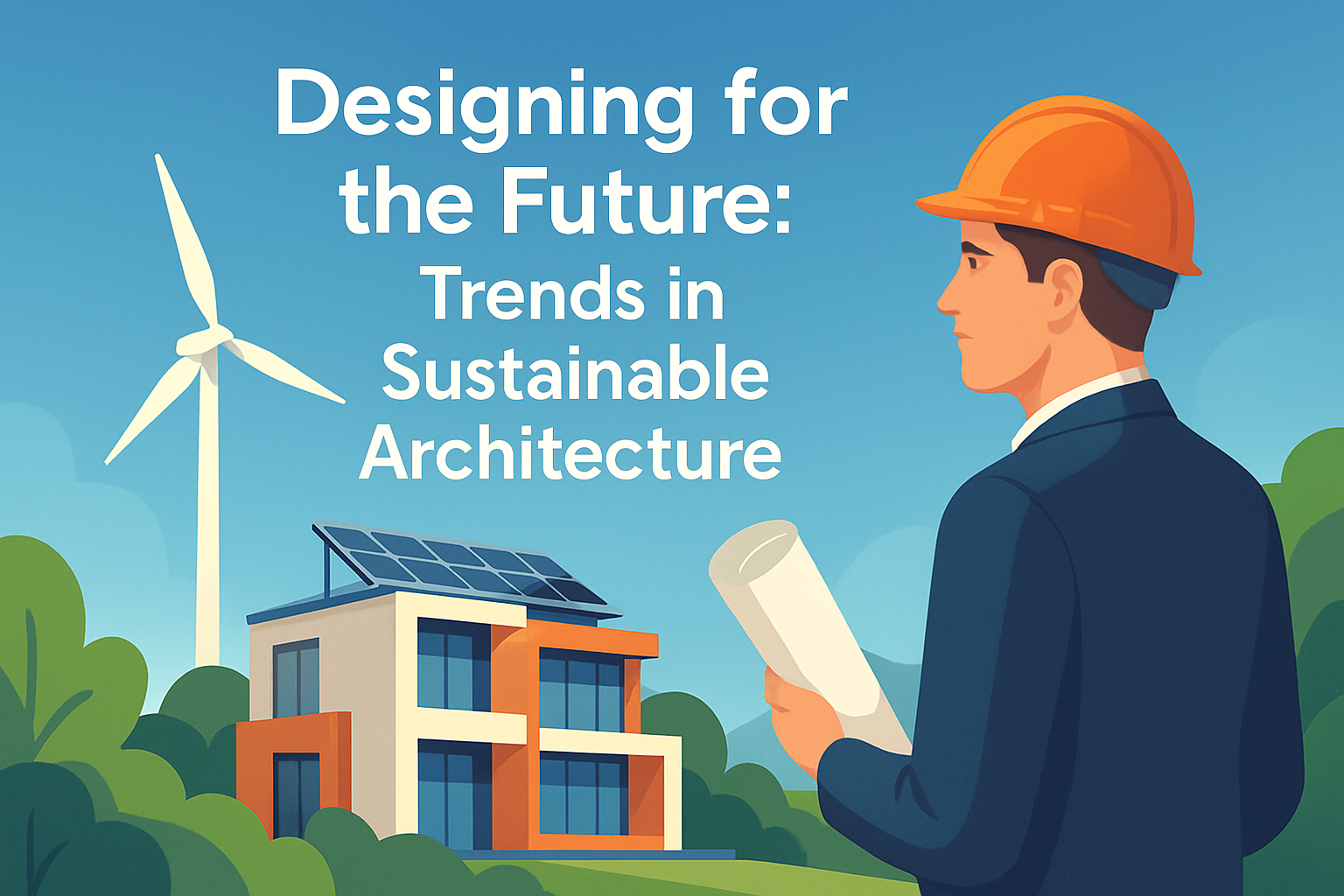
The demand for sustainable architecture continues to grow as global awareness of environmental challenges increases. Sustainable architecture is an approach to building design that seeks to minimize the negative environmental impact of structures through energy efficiency, the use of renewable resources, and environmentally friendly building materials. This concept, once on the fringes of architectural design, is now becoming mainstream as architects and builders recognize the importance of creating spaces that are both functional and eco-friendly. As we look toward the future, it is crucial to understand the current trends in sustainable architecture and how they can shape a more sustainable world. This understanding will help architects, builders, and property owners make informed decisions about their building projects, ensuring they contribute positively to the planet’s health rather than detract from it.
Green Roofs and Living Walls
One of the most prominent trends in sustainable architecture is the integration of green roofs and living walls into building designs. These features not only enhance the aesthetic appeal of buildings but also contribute significantly to environmental sustainability by providing natural insulation and absorbing carbon dioxide. Green roofs are covered with vegetation and soil, or a growing medium, planted over a waterproofing membrane, while living walls are vertical gardens attached to external or internal building walls.
A prime example of an effective green roof is the Chicago City Hall rooftop garden. Installed in 2001, the project was designed to test the benefits of green roofs by reducing the “urban heat island” effect, improving air quality, and managing stormwater. The garden spans 20,300 square feet with more than 150 species of plants. In real terms, this green roof has helped lower the temperature of the building, provide a habitat for wildlife, and reduce rainwater runoff.
Innovative Use of Sustainable Materials
The choice of materials plays a critical role in sustainable architecture. Comprehensive research and development efforts have led to the utilization of innovative sustainable materials that boast reduced carbon footprints and increased longevity. Reclaimed wood, bamboo, recycled steel, and sustainable concrete are popular choices that offer both durability and eco-friendliness. On the cutting edge of material science, developments such as carbon-positive concrete and bioplastics are showing great promise for further reducing the environmental impacts of construction.
The Bullitt Center in Seattle, widely considered one of the greenest commercial buildings in the world, is an example of innovative material use. This building utilizes FSC-certified wood, non-toxic materials, and features designed for disassembly and reuse, which further enhances its sustainability credentials. Notably, the structure’s net-zero energy and net-zero water goals are met without compromising comfort for the occupants.
Energy Efficiency and Net-Zero Buildings
Maximizing energy efficiency is crucial in designing sustainable buildings, and it goes hand-in-hand with the concept of net-zero energy buildings. These structures produce as much energy as they consume, generally through a combination of energy conservation measures and renewable energy sources such as solar panels and wind turbines. These buildings employ advanced technologies like energy-efficient HVAC systems, LED lighting, and smart thermostats to minimize energy consumption.
One of the finest examples of a net-zero building is the Zero Energy House in Auckland, New Zealand. Designed to create more energy than it uses, this home is equipped with solar photovoltaic panels, a solar hot water system, double glazing, and high levels of insulation. Its construction emphasizes passive design principles, including optimal building orientation for sun exposure and strategically placed windows for natural ventilation and light.
Water Conservation Strategies
With many parts of the world experiencing water shortages, sustainable architecture often incorporates rainwater harvesting, greywater recycling, and water-efficient fixtures to minimize water consumption. These strategies not only save water but also reduce the burden on municipal water supply and treatment facilities.
The Solaire apartment complex in New York City exemplifies cutting-edge water conservation strategies. As the first green residential high-rise in the United States, it features water-efficient appliances, dual-flush toilets, and an on-site water treatment facility that processes blackwater and greywater for reuse. This system enables the building to use 50% less water than conventional designs.
Adaptation and Resilience to Climate Change
Sustainable architecture is not only about creating eco-friendly buildings but also about designing structures that are resilient to the changing climate. This includes architecture that can withstand extreme weather events, such as hurricanes and floods, and that is adaptable to future climate conditions.
The Copenhagen International School is an example of a building designed with climate adaptability in mind. Its innovative facade is covered with 12,000 solar panels, producing half of its energy needs. The building is raised to accommodate rising sea levels, and its materials are selected for durability and resistance to weather extremes.
Visual Representation of Sustainable Design Features
- Green Roofs and Living Walls: Enhance aesthetic and provide insulation.
- Sustainable Materials: Include reclaimed wood, bamboo, and recycled steel.
- Energy Efficiency: Utilize solar panels, LED lighting, and smart systems.
- Water Conservation: Implement rainwater harvesting and greywater recycling.
- Climate Resilience: Build adaptable structures for extreme weather conditions.
Summary and Next Steps
Sustainable architecture, through the use of green roofs, energy-efficient designs, and innovative materials, presents a robust solution to many environmental challenges. Each of the discussed trends not only provides environmental benefits but also promotes healthier living environments and reduces operational costs over time. Embracing these architectural trends brings us closer to a future where buildings are not only functional and comfortable but also harmonious with nature. For architects and developers, the next step is to remain informed about advancements in sustainable design practices and materials, integrating these innovations into their projects wherever possible. For individuals, educating oneself about sustainable choices when renovating or purchasing property can significantly impact the environment positively. With collaborative efforts, we can all contribute to a more sustainable and resilient built environment.
Frequently Asked Questions
1. What is sustainable architecture and why is it important for the future?
Sustainable architecture refers to the design and construction of buildings that aim to limit their ecological impact, primarily through the efficient use of resources and environmentally friendly practices. The significance of sustainable architecture lies in its potential to mitigate the negative effects of climate change, including the depletion of natural resources, pollution, and unsustainable energy consumption. This architectural approach is crucial for the future as it promotes long-term environmental health by prioritizing resource efficiency, renewable energy sources, and minimizing waste. By embracing sustainable architecture, we lay down the foundation for healthier communities, ecosystems, and economies. Not only does it contribute to the conservation of the planet’s limited resources, but it also sets a precedent for future generations, showcasing how innovative thinking and respect for the environment can coexist harmoniously.
2. What are some key trends in sustainable architecture that we should be aware of?
Several exciting trends are currently shaping the landscape of sustainable architecture. One of these trends is the increased use of renewable energy sources, like solar panels and wind turbines, which help reduce the carbon footprint of buildings. Another trend involves the use of eco-friendly materials such as recycled steel, bamboo, and reclaimed wood, which lower the demand for virgin resources and reduce waste. Green roofs and walls—living installations of plants—are becoming prevalent, not only for their aesthetic appeal but also for their capacity to improve air quality and moderate building temperatures. Water conservation techniques, such as rainwater harvesting and greywater recycling systems, are being integrated into designs to address water scarcity issues. Lastly, the adoption of smart technology and energy-efficient appliances is becoming common, enhancing the overall energy performance of buildings. These trends collectively aim at creating structures that are not only sustainable but also adaptable to future environmental challenges.
3. How are architects incorporating renewable energy into building designs?
Architects are employing several innovative strategies to integrate renewable energy sources into their designs. Most commonly, they install photovoltaic solar panels on roofs or façades to harness solar energy as a primary power source for the building. In areas with appropriate wind conditions, small-scale wind turbines might be utilized to supplement energy needs. Geothermal heating systems are another method, leveraging the Earth’s stable underground temperatures to heat and cool buildings more efficiently. Furthermore, architects often design buildings to maximize natural light, minimizing reliance on artificial lighting, and use passive solar building strategies such as strategic window placement and thermal mass to enhance natural heating and cooling. These efforts not only reduce dependency on non-renewable sources but also significantly decrease operational costs, making renewable energy integration a vital component of sustainable architectural practices.
4. What role do environmentally friendly building materials play in sustainable architecture?
Environmentally friendly building materials are at the heart of sustainable architecture. They are selected based on their low environmental impact, from sourcing to disposal. Materials like bamboo, which grows quickly and sequesters carbon efficiently, and reclaimed wood, which reduces waste and the need for virgin timber, are popular choices. Insulation materials made from recycled denim or cellulose, derived from recycled paper products, provide thermal efficiency without the chemical burden of traditional insulation. Low-VOC paints and finishes ensure healthier indoor air quality by avoiding the release of volatile organic compounds. Additionally, some architects experiment with construction methods that utilize local materials, reducing transportation emissions and supporting regional economies. The use of these sustainable materials not only exemplifies responsible resource management but also fosters innovation and creativity within the architectural design process, promoting a future where construction and conservation work in harmony.
5. How is technology influencing the field of sustainable architecture?
Technology is revolutionizing sustainable architecture by enhancing design capabilities and operational efficiencies. Advanced modeling tools, such as Building Information Modeling (BIM) and energy simulation software, allow architects to visualize and optimize building designs for energy efficiency from the earliest stages. Smart home systems and Internet of Things (IoT) devices enable real-time monitoring and control of energy usage, lighting, and climate within buildings, contributing to significant energy savings and improved user comfort. Innovations in construction technology, such as 3D printing, facilitate the use of sustainable materials in novel and resource-efficient ways. Furthermore, data analytics and machine learning provide insights into building performance, enabling continuous improvement in energy efficiency and sustainability metrics. These technological advancements do not only streamline the process of designing and maintaining sustainable buildings but also foster an environment of sustained technical and creative growth within the architectural industry.