

Affordable housing is more than just a social policy issue; it is a cornerstone of urban regeneration. With the rapid urbanization sweeping across global cities, the challenge of providing affordable housing has become even more critical. Urban regeneration seeks to revitalize dilapidated buildings, decayed neighborhoods, and economically stagnant regions, making them vibrant hubs of life and activity. Affordable housing is an indispensable element of this entire process because it curtails homelessness, reduces economic disparity, and fosters social inclusion. As cities continue to grow, the development of affordable housing plays a significant role in sustaining urban growth and achieving inclusive progress.
The concept of affordable housing isn’t only confined to providing shelter to low-income populations; it also includes ensuring that living conditions are decent and conducive to leading a fulfilling life. Efficient urban planning and innovation in construction techniques are required to produce affordable housing options that meet these criteria. Moreover, public policies, community engagement, and private sector participation are equally essential to address the diverse housing challenges. In this article, we delve into the multifaceted relationship between affordable housing and urban regeneration, exploring its significance, challenges, and potential solutions.
The Role of Affordable Housing in Urban Regeneration
Affordable housing serves as a linchpin for catalyzing urban regeneration. When affordable housing projects are integrated into urban planning, they help create mixed-income communities that drive economic activities and foster social cohesion. For instance, a vibrant, diverse community comprised of people from different socioeconomic backgrounds can stimulate local businesses, enhance public amenities, and attract further investment in the area. This dynamic can turn previously marginalized areas into hotspots of development and innovation.
The infusion of affordable housing also combats issues like gentrification, which often displaces low-income residents in the wake of urban development projects. By ensuring an adequate supply of affordable units, cities can mitigate displacement and help maintain social fabric and community ties. Furthermore, affordable housing projects frequently bring improvement in public infrastructure, such as improved public transport, parks, and schools, contributing to the overall betterment of urban landscapes.
Challenges in Affordable Housing Development
Despite its undeniable importance, affordable housing development is fraught with challenges. One of the primary hurdles is the high cost of land in urban areas, which makes it financially unviable for developers to undertake affordable housing projects without subsidies or incentives. Additionally, bureaucratic red tape and zoning laws can delay projects and increase costs, further dissuading developers from venturing into affordable housing.
There’s also the issue of community opposition, commonly referred to as “Not In My Backyard” (NIMBY) syndrome. Residents may oppose affordable housing projects due to misconceptions or fears about decreased property values and increased crime rates. Such opposition can stall or derail affordable housing initiatives, perpetuating cycles of inequality and limiting access to essential resources for low-income households.
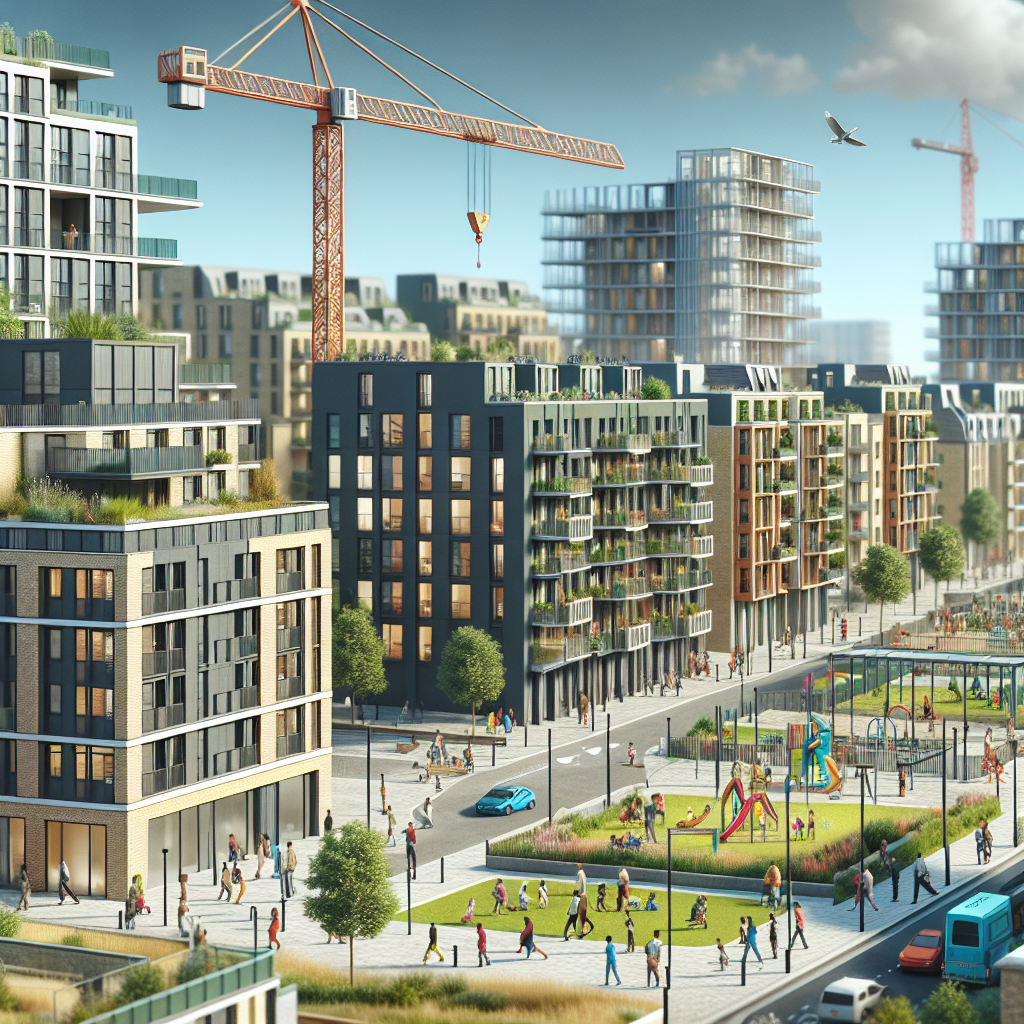
Innovative Practices in Affordable Housing
Innovation has a crucial role to play in making affordable housing a reality. Technologies like prefabrication and modular construction can significantly reduce building costs and time. These methods involve prefabricating components in a controlled factory environment and then assembling them on-site. Such techniques not only cut costs but also improve quality and consistency, making housing projects more viable and scalable.
Furthermore, energy-efficient designs and green building technologies can help lower utility bills for residents, thereby making homes more affordable in the long run. Policy innovation is equally important; governments can adopt inclusionary zoning laws, tax incentives, and public-private partnerships to stimulate affordable housing development. By fostering collaboration between various stakeholders, including government bodies, private developers, and community groups, innovative practices can be effectively integrated into the urban regeneration agenda.
Case Studies: Successful Affordable Housing Projects
Examining successful case studies can provide valuable insights into what works and what doesn’t in affordable housing. One notable example is the Bronx River Houses in New York City, which integrated eco-friendly designs and community amenities to create affordable living spaces while significantly reducing the carbon footprint. The project achieved a balanced approach to development, blending affordability with sustainability.
Another exemplary project is the Vauban district in Freiburg, Germany. This former military base was transformed into a thriving, ecologically friendly community that combines affordable housing with sustainable living. The district hosts a mix of income groups, community-owned housing projects, and innovative energy solutions like solar panels and passive houses, setting a global benchmark for what comprehensive urban regeneration can achieve.
Policy Recommendations for Affordable Housing
Public policy plays a pivotal role in accelerating the development of affordable housing. Governments can spearhead urban regeneration efforts by introducing policies that prioritize mixed-income developments and incentivize affordable housing through subsidies, tax credits, or grants. Inclusionary zoning laws are another effective tool, requiring developers to include a proportion of affordable units in new residential developments.
Additionally, streamlining regulatory processes can help reduce the time and cost associated with obtaining permits and approvals, making it easier for developers to embark on affordable housing projects. Collaboration with non-profits and the private sector can also amplify these efforts. By creating frameworks for public-private partnerships, municipalities can pool resources and expertise to address affordable housing shortages more efficiently.
Conclusion
Affordable housing and urban regeneration are intrinsically linked; one cannot thrive without the other. As cities grow and evolve, ensuring an equitable distribution of housing resources becomes increasingly important for sustainable urban development. The challenges in developing affordable housing are manifold, from high land costs and bureaucratic hurdles to community opposition. However, innovative practices and effective policy interventions offer promising solutions.
By embracing a holistic approach that combines economic, social, and environmental considerations, cities can successfully integrate affordable housing into their urban regeneration strategies. Through proactive public policy, community engagement, and cutting-edge construction technologies, we can pave the way for more inclusive, sustainable, and vibrant urban communities. The ultimate goal should be to create cities where everyone, regardless of their economic background, has access to quality housing and a supportive community environment.
Frequently Asked Questions
1. What role does affordable housing play in urban regeneration?
Affordable housing serves as a crucial pillar within the framework of urban regeneration. Urban regeneration’s primary goal is to breathe new life into areas that have seen better days, transforming them from zones of neglect into vibrant, dynamic communities. By integrating affordable housing into these plans, cities can ensure that the revitalized areas are inclusive and accessible to people of varying income levels, effectively preventing gentrification. This accessibility is vital because it keeps the social fabric of the community intact, allowing existing residents to benefit from improved amenities, enhanced infrastructure, and new opportunities that arise from these urban renewal projects. In essence, affordable housing in this context not only provides shelter—a fundamental human need—but also fosters a sense of community and belonging, which are essential for sustainable urban development.
2. Why is providing affordable housing in urban areas becoming more challenging?
Several factors contribute to the escalating challenge of providing affordable housing in urban settings. Firstly, rapid urbanization means that more people are flocking to cities in search of better economic opportunities, healthcare, and education, thereby escalating demand for housing. With a surge in demand, property values and rental prices naturally skyrocket, often pricing out lower and even middle-income families. Zoning laws, land scarcity, and the cost of construction also play significant roles in making affordable housing scarce. These regulatory and logistical hurdles often delay construction projects and inflate costs, making it difficult for developers to commit to low-cost housing. Additionally, the economic disparities that exist within cities also compound the issue, making holistic and inclusive housing solutions a critical but complex endeavor.
3. What are some strategies used to create affordable housing within urban regeneration projects?
There are several strategies urban planners and policymakers employ to incorporate affordable housing into urban regeneration projects. Inclusionary zoning is a popular approach, requiring a percentage of new housing developments to be affordable for low- and moderate-income families. Public-private partnerships are also invaluable, bringing together the strengths and resources of both sectors to tackle the shortage of affordable housing. Furthermore, providing incentives for developers, such as tax breaks or eased regulations, can encourage them to include affordable options in their projects. Another strategy involves retrofitting existing structures, which can be a cost-effective way to provide quality, affordable housing without the extensive costs and timeframes associated with new construction. Utilizing land trusts to maintain affordable prices over the long term is also gaining traction as an effective tool to ensure affordability persists.
4. How does affordable housing contribute to the economic growth of a regenerated urban area?
Affordable housing acts as a catalyst for economic growth in regenerated urban areas by fostering a more integrated and inclusive economy. When people from diverse income levels have access to housing, it ensures that the workforce needed to support local businesses and services remains robust and readily available. This accessibility enables businesses to thrive and even attract new entrepreneurs and startups drawn by the revitalized environment and consumer base. Furthermore, affordable housing stabilizes communities, reducing the turnover rates associated with displacement caused by rising living costs. This stability nurtures community ties and collaboration, creating a more attractive environment for investment and development. Academic research has consistently highlighted that when adequately implemented, affordable housing can spur growth by reducing economic inequality and enhancing employment opportunities in urban centers.
5. Can affordable housing initiatives help prevent gentrification during urban regeneration?
While gentrification is often an unintended consequence of urban regeneration efforts, implementing affordable housing initiatives can be a significant counterbalance to this trend. By ensuring that a portion of new and rehabilitated housing remains affordable, cities can accommodate both new residents and long-standing community members alike. This selective inclusivity helps maintain cultural diversity and mitigates the displacement effects commonly associated with gentrification. Additionally, community land trusts can play a pivotal role in maintaining affordable housing in perpetuity, ensuring that rising property values do not negate affordability efforts over time. By aligning urban regeneration with equitable housing policies and community engagement, cities can strike a balance between attracting investment and protecting existing residents, successfully curbing the adverse effects of gentrification. This approach ultimately fosters a livable urban environment conducive to diverse socioeconomic backgrounds without displacing those who have long called the area home.


