Introduction to Urban Greenery and Renewable Energy
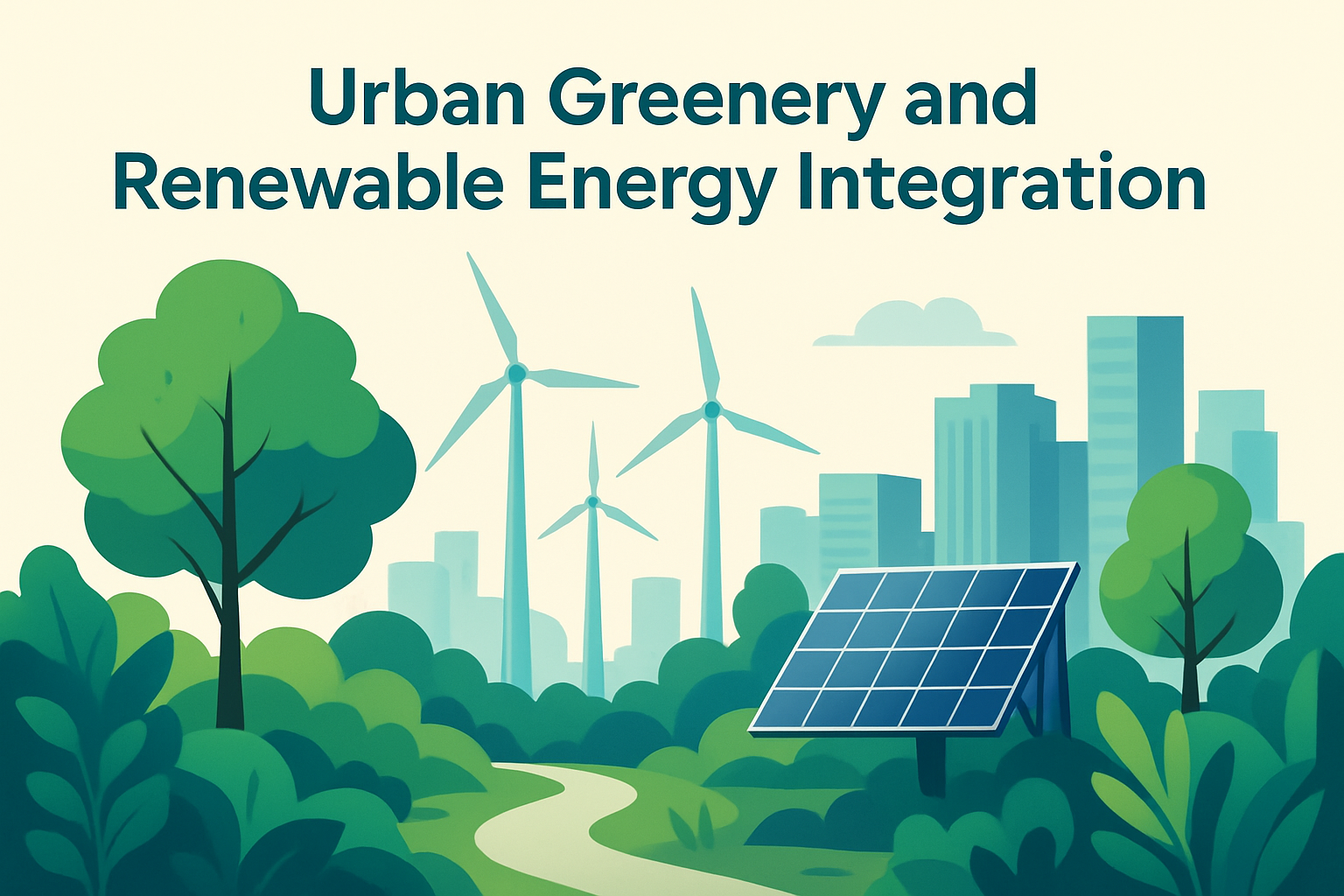
Urban greenery and renewable energy integration is becoming increasingly relevant in today’s urban planning and development strategies. Urban greenery refers to the presence and incorporation of natural elements like parks, gardens, and green roofs in city landscapes. On the other hand, renewable energy refers to energy sourced from natural processes that are continually replenished, such as solar, wind, and hydroelectric power. The integration of these two elements is not just an innovative concept but a crucial step in addressing the challenges of urbanization, climate change, and sustainability.
Integrating urban greenery with renewable energy solutions offers multiple benefits. It helps in reducing urban heat, improving air quality, and promoting biodiversity, all while encouraging more sustainable energy consumption. With the challenges posed by climate change and the ever-growing demand for urban spaces, combining green infrastructure with sustainable energy solutions is key for cities to sustain their growth while minimizing their carbon footprint. This synergy promises not only environmental benefits but also economic and social enhancements, making cities more livable and resilient.
Green Roofs and Solar Panels: A Harmonious Blend
Green roofs, also known as living roofs, involve growing plants on rooftop surfaces. They provide vital environmental benefits including reducing urban heat island effects, improving air quality, and managing stormwater. These benefits can be further enhanced when combined with solar panels on the same rooftop space. This mix, referred to as biosolar roofs, allows for energy generation while promoting biodiversity.
An excellent example of this integration is found in Chicago, where the city has encouraged the installation of solar panels on green roofs as part of its city-wide sustainability strategy. This initiative not only aims to reduce the buildings’ energy demand but also enhances insulation, which in turn lowers heating and cooling costs. The dual approach facilitates creating a more sustainable urban ecosystem, capitalizing on the available space to deliver maximum environmental benefits.
Urban Parks and Wind Turbines
Urban parks offer a sanctuary of natural beauty amidst the concrete jungle, playing a crucial role in enhancing the community’s well-being. These spaces are also potential sites for integrating renewable energy sources like wind turbines. Small-scale, aesthetically designed wind turbines can be installed in parks to generate electricity, which can help in powering park facilities or even nearby residential areas.
In the case of Rotterdam, the Netherlands, the city’s Kralingse Bos park features small, community-friendly wind turbines that blend seamlessly with the park’s serene environment. These installations are not only functional but also serve as educational tools, offering park visitors a glimpse into the potential of renewable energies. Integrating such technology into urban parks demonstrates how urban centers can pivot towards sustainable energy sources without compromising the natural beauty and recreational value of these green spaces.
Community Gardens and Community Solar
Community gardens represent collaborative spaces where urban residents can grow their own produce. These gardens foster a sense of community, contribute to food security, and enhance neighborhood aesthetics. Coupling these areas with community solar programs can power the gardens themselves or benefit the neighborhood.
In New York City, the community gardens in Brooklyn are increasingly adopting solar panels to harness local energy for lighting and irrigation needs. By doing so, they reduce operational costs and decrease reliance on grid electricity. This approach exemplifies how urban green spaces can also be platforms for communal energy efforts, propelling the shared use of renewable energy while enhancing the sustainability credentials of the community.
Urban Agriculture and Biogas Production
Urban agriculture involves the cultivation of food within city limits, offering fresh produce and reducing transportation emissions associated with food imports. This practice can be paired with biogas production—a process that converts organic waste into energy through anaerobic digestion. The use of food and garden waste to produce biogas creates an efficient cycle of use and reuse.
An illustration of this integration can be seen in Stockholm, Sweden, where biogas produced from urban agricultural waste is used to fuel public transit buses, creating a closed-loop system. This example shows how urban agriculture can extend its contribution beyond fresh produce, offering a renewable source of energy that decreases urban reliance on fossil fuels. The dual-output of food and energy fosters urban ecosystems where sustainability and efficiency feed into each other seamlessly.
Benefits of Urban Greenery and Renewable Energy Integration
- Enhanced Urban Resilience: The integration helps cities better cope with climate change impacts.
- Improved Public Health: Greenery improves air quality and reduces temperatures.
- Energy Efficiency: Efficient use of urban spaces for dual purposes of greenery and energy generation.
- Cost Savings: Reduced energy costs and maintenance expenses over time.
- Community Engagement: Projects can foster community involvement and awareness.
By examining the above benefits and examples, it’s clear how urban greenery and renewable energy integration is both feasible and beneficial in a multitude of contexts. Utilizing innovative designs and strategic planning, urban centers globally are showcasing how these integrations can promote sustainable urban environments.
Conclusion: Harnessing the Synergy
The integration of urban greenery and renewable energy is not a future vision; it is a present-day reality, representing an essential component of sustainable urban development. As cities face increased pressures from population growth and climate change, such integrative strategies become not just advantageous but necessary. The seamless combination of renewable energy sources with urban greenery can transform cityscapes into vibrant, resilient, and thriving environments.
The key takeaway is the potential for cities everywhere to adopt similar integrative measures, using examples like Chicago’s biosolar roofs or Stockholm’s biogas-driven public transport as models. Urban planners, policymakers, and citizens should collectively push forward in exploring these innovative solutions, advocating their benefits while implementing these changes at local and regional levels.
To begin this transformative journey, individuals and communities can take simple yet meaningful steps—encouraging city governments to invest in renewable infrastructures, championing community solar projects, or supporting local urban agriculture initiatives. Embracing these practices at the grassroots level cultivates wider acceptance and integration globally, paving the way for a healthier, more sustainable urban ecosystem.
Frequently Asked Questions
1. What is urban greenery, and why is it important for cities?
Urban greenery refers to the presence and acknowledgment of natural elements like parks, gardens, green roofs, urban forests, and street trees within city landscapes. It plays a crucial role in enhancing the quality of urban life. Here’s why it’s so important:
- Environmental Benefits: Urban greenery helps in reducing air pollution by filtering particulate matter and absorbing CO2. Trees and plants also moderate urban temperatures by providing shade and releasing moisture through transpiration.
- Aesthetic Appeal: Green spaces contribute to the beauty of urban areas, making them more livable and attractive. They provide a visual break from concrete and steel, helping to reduce stress and improve mental health.
- Biodiversity: Even within the concrete jungle, urban greenery offers crucial habitats for various species of birds, insects, and small mammals, thereby promoting biodiversity.
- Social Interaction and Recreational Opportunities: Parks and gardens provide spaces where communities can come together and engage in recreational activities, fostering social cohesion.
- Economic Benefits: Proximity to green spaces can boost property values and attract business investments, providing positive economic impacts.
2. How does integrating renewable energy in urban environments benefit cities?
Integrating renewable energy like solar panels on rooftops, wind energy systems in parks, and hydroelectric facilities within urban areas offers several compelling advantages:
- Reduced Emissions: By shifting away from fossil fuels, cities can significantly lower greenhouse gas emissions, contributing to cleaner air and mitigating climate change.
- Energy Independence: Utilizing renewable sources can decrease reliance on imported fuels, allowing cities to take charge of their energy production and consumption.
- Cost Savings: Though there might be significant initial investments, renewables often lead to reduced energy bills over time since they harness free resources like sunlight and wind.
- Job Creation: The renewable energy sector offers employment opportunities in manufacturing, installation, maintenance, and research, boosting local economies.
- Enhanced Grid Resilience: Decentralized energy generation eases the strain on centralized power grids and can enhance resilience against outages and disruptions.
3. What are some challenges associated with incorporating urban greenery and renewable energy?
While there are numerous benefits, the integration of urban greenery and renewable energy into city landscapes comes with its set of challenges:
- Space Constraints: In densely packed urban environments, there may be limited space for new green areas or renewable energy installations, necessitating creative solutions like green roofs or vertical gardens.
- Cost and Investment: Initial costs for developing green infrastructure or deploying renewable energy systems can be high, presenting economic barriers, especially for smaller municipalities.
- Maintenance: Both urban greenery and renewable energy systems require regular upkeep to remain effective, posing additional operational challenges for city administrations and stakeholders.
- Regulatory and Policy Issues: Implementing widespread changes often requires navigating complex regulatory frameworks, which can slow down progress and innovation.
- Cultural and Social Barriers: Different communities can have varying levels of acceptance or resistance to changes in their urban environments, needing effective communication strategies for successful implementation.
4. What role can technology play in enhancing urban greenery and renewable energy integration?
Technology is a powerful enabler in the integration of urban greenery and renewable energy systems, helping to optimize efficiency and effectiveness through various means:
- Sensors and IoT Devices: These technologies can monitor environmental conditions in real-time, enabling better management of urban green spaces and efficient deployment of renewable resources according to changing weather patterns.
- Data Analytics: Big data analytics helps cities gain insights and make informed decisions on where to expand green spaces or place renewable energy installations for maximum benefit.
- Smart Grid Technologies: These enable better integration of renewable energy sources into existing power grids, enhancing stability, reliability, and responsiveness to supply and demand fluctuations.
- Innovative Materials: The development of advanced materials enables lighter, more efficient solar panels and durable, adaptable green walls and roofs suited to urban conditions.
- Apps and Platforms: Mobile applications and online platforms can facilitate community involvement by providing information, encouraging participation in green initiatives, and fostering collaborative efforts in renewable energy adoption.
5. How can communities be involved in the development of urban greenery and renewable energy projects?
Community involvement is key for the successful development and sustainability of urban greenery and renewable energy projects:
- Public Consultations: Engaging residents in the planning stages ensures that their needs and preferences are considered, building support and ownership of the projects.
- Educational Programs: Workshops and seminars can raise awareness about the benefits of urban greenery and renewable energy, empowering individuals to contribute positively to their environment.
- Volunteer Opportunities: Community groups and individuals can participate in tree planting, garden maintenance, or renewable energy workshops, fostering a hands-on approach to environmental improvement.
- Community-Driven Initiatives: Encouraging grassroots projects and providing support can lead to innovative solutions tailored to local contexts and challenges.
- Partnerships with Local Organisations: Collaborating with schools, non-profits, and local businesses can amplify the impact and outreach of urban greenery and renewable initiatives.