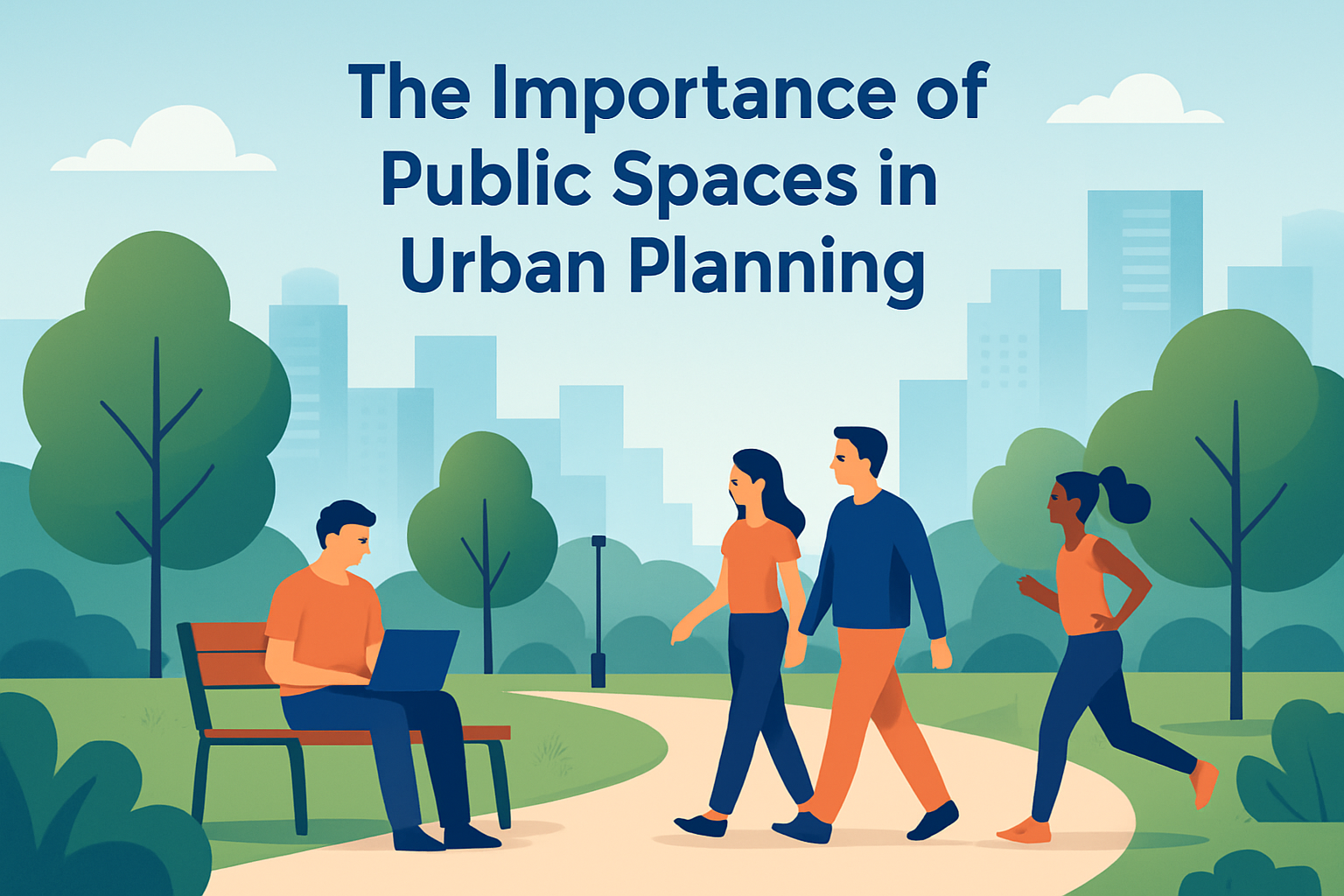
In the face of climate change, our global environment is rapidly evolving, and with it, the challenges we face in urban settings. Among these challenges, designing public spaces for climate resilience has become paramount. But what exactly does “climate resilience” mean? Climate resilience refers to the capacity of social, economic, and environmental systems to adapt and recover from climate-related disturbances. Public spaces, such as parks, plazas, and streetscapes, are integral areas of urban life that require adaptation to mitigate the impacts of climate change.
Why does climate resilience in public spaces matter? The answer is two-fold: it ensures the safety and health of urban populations and protects infrastructural investments. Urban areas are particularly susceptible to climate-related events like flooding, heatwaves, and poor air quality due to their dense populations and structures. By designing public spaces that can withstand such stresses, cities can better protect their residents, contribute to ecological sustainability, and maintain the quality of urban life.
In this article, we will explore various key facets of designing public spaces for climate resilience, delve into real-world examples, and clarify the benefits of such initiatives. Understanding and implementing climate resilience in public spaces not only prepares us for future climatic disturbances but also enhances our urban environments today.
Urban Heat Management and Green Infrastructure
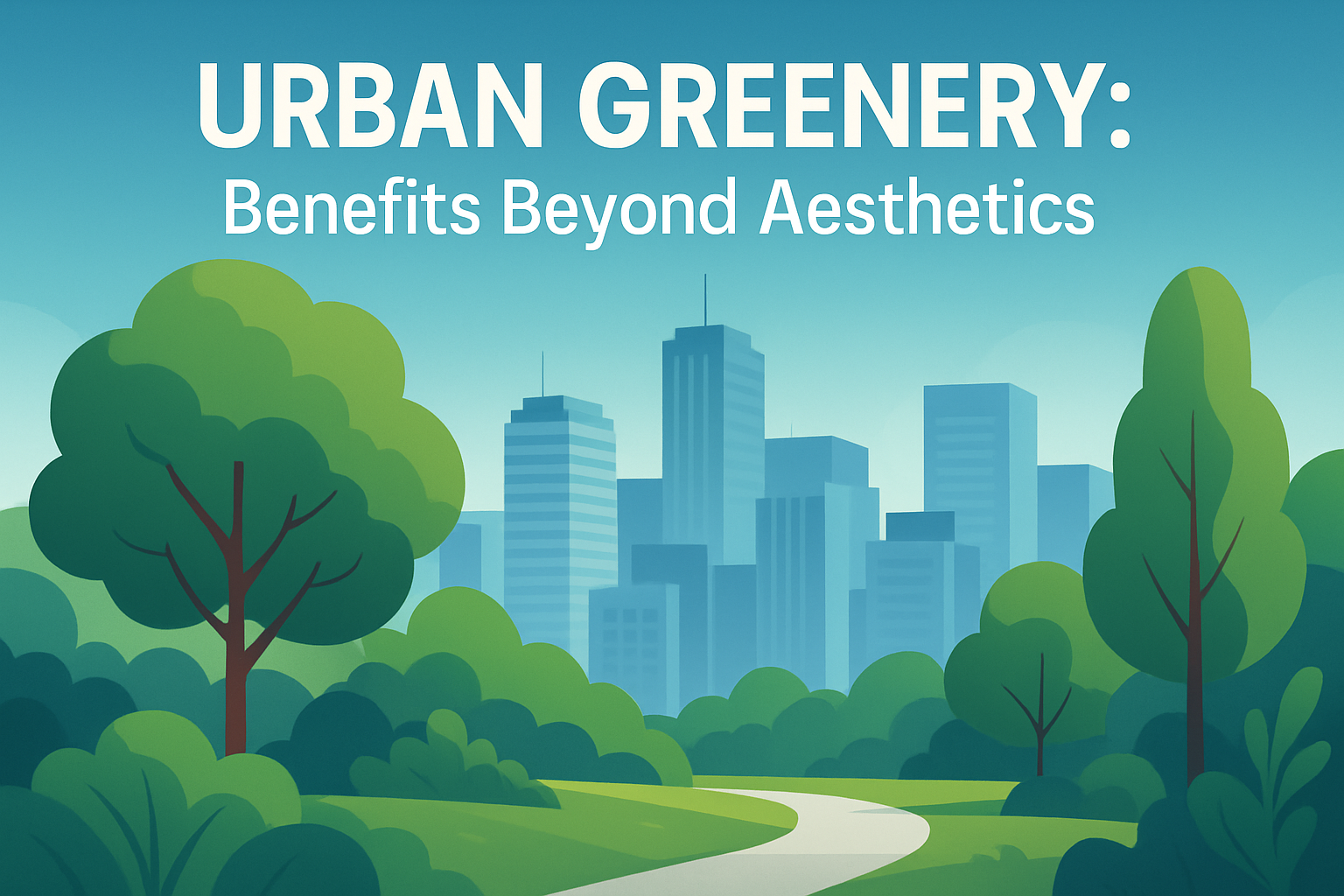
As urban areas expand, the phenomenon of urban heat islands — where city surfaces absorb heat and the ambient temperature rises — becomes more prominent. Design interventions in public spaces can greatly reduce these temperature escalations. One effective strategy is integrating green infrastructure, which includes elements like green roofs, vegetated parks, and street trees.
Green infrastructure not only reduces temperatures through shading and evaporative cooling but also improves air quality and provides aesthetic and recreational benefits. For example, in Singapore, the “Gardens by the Bay” project leverages extensive plantings and vertical gardens to combat the urban heat island effect. The project’s futuristic “Supertrees” – towering vertical gardens – incorporate sustainable energy and water technologies, showcasing an innovative approach to climate resilience.
Flood Mitigation Through Water-Sensitive Urban Design
With climate change increasing the frequency and severity of rainfall, urban flooding has become a significant concern. Public spaces designed with water-sensitive principles can effectively manage stormwater and reduce the risk of floods. These designs often involve permeable surfaces, rain gardens, and bio-swales that aid in water absorption and filtration.
| Water-Sensitive Elements | Function | Benefits |
|---|---|---|
| Permeable Pavements | Allow water infiltration | Reduce surface runoff and flooding |
| Rain Gardens | Capture and filter rainwater | Enhance groundwater recharge |
| Bio-swales | Direct and manage rainwater flow | Prevent erosion and sedimentation |
An exemplary model is the “Water Square” in Rotterdam, Netherlands, which combines a functional water management system with a social space. During dry periods, the square serves as a recreational area, but during heavy rains, it transforms into a water retention basin, alleviating pressure on the city’s drainage system.
Adaptive Reuse of Infrastructure
The adaptive reuse approach emphasizes repurposing existing structures to enhance climate resilience without extensive new construction. This approach is both economically advantageous and environmentally friendly, as it minimizes resource consumption and waste generation.
In Paris, the conversion of former railway stations into community hubs exemplifies this concept. The “Les Réserves” project transformed old train platforms into green pedestrian zones, integrating native plants that thrive in local conditions. This adaptation not only preserves historical structures but also counteracts heat and provides community-centric outdoor spaces.
Integrating Biodiversity and Urban Wildlife Habitats
A critical aspect of climate-resilient public spaces involves creating environments that support biodiversity. By designing spaces that accommodate plants and wildlife, cities can bolster ecosystems that contribute to ecological balance and resilience.
In Melbourne, Australia, the “Green Your Laneway” program turns underutilized laneways into vibrant ecologically diverse corridors. Incorporating indigenous plantings and features that attract urban wildlife, these transformed laneways offer urban dwellers a unique encounter with nature while enhancing the city’s ecological connectivity.
Community Engagement and Environmental Education
Crucial to the success of any climate resilience project is community involvement. Engaging local communities in the design, implementation, and management of public spaces ensures that these spaces meet the needs of their users and foster a sense of ownership and stewardship.
A successful example is the “Brooklyn Bridge Park” in New York City. The park’s design involved extensive community input and collaboration with local organizations. Workshops and education programs were integral to its development, creating a participatory model of urban space management that aligns with the community’s environmental values and priorities.
Technology and Innovation in Public Space Design
Harnessing advancements in technology can significantly augment the climate resilience of public spaces. Innovations such as smart sensors, climate modeling tools, and automated irrigation systems can optimize resource use and improve infrastructure adaptability.
The City of Chicago, for instance, employs a sensor-based system to monitor park conditions in real-time. This infrastructure allows for responsive maintenance and management, ensuring that parks are prepared for extreme weather events and remain functional and accessible to the public.
Conclusion: Building a Resilient Future Together
As we confront the multifaceted challenges posed by climate change, reimagining and redesigning our public spaces for climate resilience becomes imperative. Through strategies like urban heat management, flood mitigation, adaptive reuse, biodiversity integration, community engagement, and technological innovation, cities can transform their open spaces into bastions of resilience and sustainability.
The benefits of these initiatives are manifold: they provide social, ecological, and economic returns by enhancing urban livability, protecting infrastructure investments, and fostering inclusive community experiences. The necessity for collaboration and innovation in this endeavor is clear, as no single organization or individual can tackle these challenges alone.
As urban planners, designers, policymakers, and citizens, our call to action is to advocate for and implement climate-responsive strategies in our public spaces. By doing so, we pave the way for a future where cities not only survive climate disruptions but thrive amidst them. Let us commit to revisiting our urban landscapes with a vision that prioritizes resilience, community, and ecological stewardship.
Frequently Asked Questions
1. What does designing public spaces for climate resilience involve?
Designing public spaces for climate resilience involves creating areas that not only withstand climate disruptions but also enhance the ability of communities to cope with these changes. This entails incorporating greenery, such as trees and plants, which can provide shade, reduce urban heat effects, and manage stormwater. It also means using hard materials that are durable to extreme weather conditions, like heat waves and heavy rain. Moreover, it involves planning layouts that help natural air flow, cool down hot areas, and lead water away safely, thus preventing flooding. These spaces are meant to be adaptable to changing climate conditions, allowing them to function effectively even as those conditions fluctuate.
2. Why is it important to consider climate resilience in urban planning?
The urban areas of today face numerous challenges because of climate change, including rising temperatures, unpredictable rainfalls, flooding, and increased frequency of severe storms. Considering climate resilience in urban planning is crucial to address these challenges head-on. Urban areas that incorporate climate resilience as part of their design can adapt to and mitigate the impacts of climate extremes, protecting both people and property. This leads to safer, more sustainable urban settings that can handle climate-related stresses more effectively. Furthermore, it supports economic stability as resources are better managed, and it enhances the quality of life for residents by providing them with comfortable, livable, and enjoyable public areas.
3. How can vegetation in public spaces contribute to climate resilience?
Vegetation plays a pivotal role in enhancing the climate resilience of public spaces. Trees and plants act as natural air conditioners, providing shade and significantly reducing the heat island effect—a common issue in urban areas where concrete and asphalt surfaces absorb and retain heat. Plants also improve air quality by filtering out pollutants and providing oxygen. Additionally, vegetation aids in stormwater management. It helps absorb rainwater, reduces runoff, and decreases the likelihood of flooding by allowing water to slow down and percolate into the ground. Moreover, strategic planting can create windbreaks that protect properties and infrastructure from storm damages.
4. What are some examples of public space designs that enhance climate resilience?
There are numerous innovative designs in public spaces that enhance climate resilience. For instance, bioswales, which are landscape elements designed to concentrate and filter stormwater runoff, can be seen in many urban parks and streets. They look like vegetated channels and are very effective at filtering pollutants. Green roofs are another example, where building rooftops are covered with soil and plants, providing insulation and reducing the urban heat island effect. Moreover, permeable pavements that allow rainwater to seep through and reduce runoff are increasingly used in plazas and walkways. Parks with dense tree canopies offer shady refuges for urban dwellers, and they often incorporate native plant species that are better suited to local climates, requiring less water and maintenance.
5. How do climate-resilient public spaces benefit communities socially and economically?
Climate-resilient public spaces can have multiple social and economic benefits for communities. Socially, these spaces provide areas for recreation, relaxation, and social interaction, enhancing the overall quality of life. They can improve mental health by offering spots of tranquility and nature amidst busy urban life. Economically, resilient spaces reduce damage costs associated with severe weather by preventing flooding, managing stormwater, and protecting against heatwaves. These spaces can increase property values and attract tourism and businesses, boosting local economies. Moreover, they often reduce energy costs related to cooling, as green areas can lower surrounding temperatures. By investing in climate-resilient designs, municipalities can create vibrant, safe, and prosperous environments, capable of withstanding the test of time and climate change.