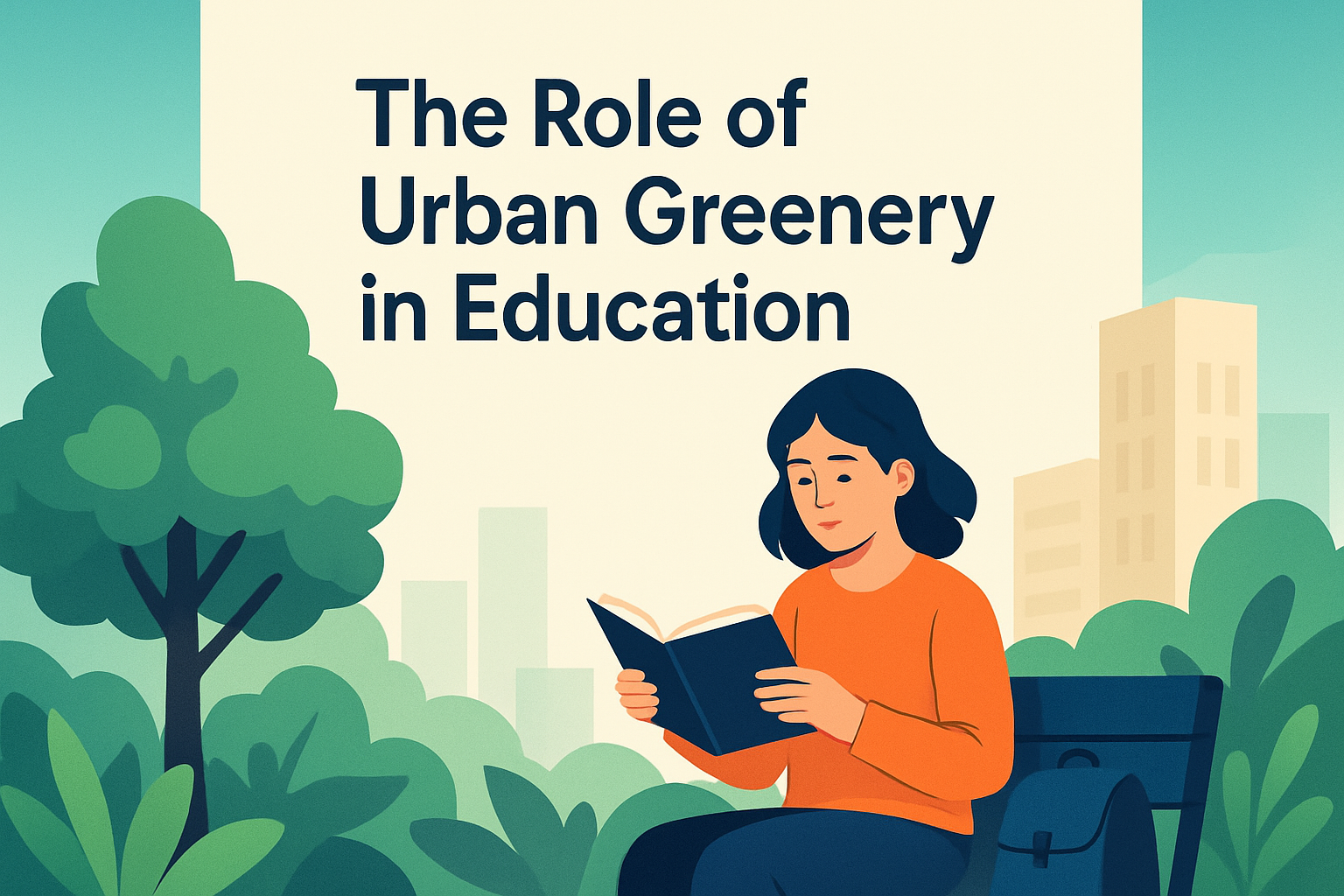
Urban greenery plays a critical role in the educational landscape, serving as more than just decorative plants that brighten up the view. It encompasses the incorporation of green spaces like parks, gardens, and tree-lined streets within urban environments. These spaces are not only important for environmental health but also offer tremendous educational benefits. As urban populations continue to expand, city planners and educators are increasingly recognizing the importance of integrating nature within learning environments. The presence of greenery can significantly impact students’ learning processes, emotional wellbeing, and physical health, ultimately fostering a more rounded educational experience. In this article, we will explore why urban greenery matters in education and how it can transform traditional schooling methods.
Enhancing Cognitive Function and Academic Performance
Research shows a strong correlation between exposure to urban greenery and cognitive function enhancement. Green spaces have been found to positively impact students’ focus, memory retention, and creativity. An environment with abundant plant life stimulates the brain and alleviates mental fatigue, allowing students to concentrate better during study sessions. For example, a study conducted by the University of Illinois found that students who engaged in activities in greened schoolyards showed improved attention spans compared to those who were restricted to traditional indoor settings.
Moreover, having classes dispersed in garden surroundings or involving nature-centric activities may lead to higher academic achievement. By diversifying the learning environment, educators can provide students with hands-on experiences that foster critical thinking and problem-solving skills. This dynamic approach caters to various learning styles, potentially improving class performance, grades, and overall knowledge retention.
Boosting Emotional Wellbeing and Reducing Stress
Emotional wellbeing is closely tied to learning efficacy. The presence of greenery has been shown to reduce stress and anxiety among students. Natural environments often provide a sense of calmness and peace, allowing students to engage in their studies with a relaxed mindset. For instance, studies by the University of Melbourne indicate that students facing exams feel less pressured when they can spend time observing or interacting with greenery before their assessments.
The reduction of noise pollution and the increase of natural light in green spaces contribute significantly to mood enhancement. Participating in gardening or spending break times in tree-rich areas can cultivate resilience, empathy, and strong emotional intelligence, essential for personal development. As students learn to manage their emotions better, they become more capable of handling academic pressures and social challenges.
Promoting Physical Health Through Activity
Urban greenery provides opportunities for physical activities, crucial for developing physical health in students. Access to parks, playgrounds, and sports fields encourages students to engage in outdoor exercise, improving their physical fitness, coordination, and general wellness. Schools with nearby green spaces offer a platform for recreational sports and physical education, motivating students to adopt healthy, active lifestyles.
Moreover, exposure to natural elements can strengthen the immune system. A study by the University of East Anglia highlighted that students with regular access to green spaces displayed fewer health issues, such as respiratory difficulties, compared to their peers in less green environments. The benefits gained from such physical interactions promote not only better health outcomes but also support increased attendance rates and participation in school activities.
Encouraging Environmental Stewardship
Urban greenery instills a sense of responsibility and stewardship towards the environment in students. When students are exposed to nature, they develop a better understanding of ecosystems and the importance of conservation efforts. Schools that incorporate eco-friendly practices, such as recycling programs or garden projects, effectively educate students about sustainability.
By participating in activities like planting trees or maintaining school gardens, students learn the value of preserving their surroundings. This hands-on education cultivates caring and responsible individuals who are more likely to make conscious choices in their daily lives—choices that can positively influence the future of urban ecosystems and foster a culture of environmental stewardship.
Providing Diverse Learning Opportunities
Urban greenery supports diverse learning opportunities beyond the conventional classroom setting. Schools can utilize nearby parks or natural habitats for outdoor classes where students can explore subjects like biology, art, and geography in immersive, practical ways. Utilizing green spaces encourages exploration and hands-on learning, crucial for understanding complex subjects more fully than through textbook instruction alone.
| Subject | Activity in Green Space | Learning Outcome |
|---|---|---|
| Biology | Observing local fauna and flora | Understanding biodiversity |
| Art | Nature sketching | Improved creativity and inspiration |
| Geography | Studying ecosystems | Increased environmental awareness |
By integrating these activities into their curricula, educators can break the monotony of classroom routines, thereby enhancing engagement and enthusiasm among students. These experiences stimulate curiosity and imagination, paving the way for innovative, independent thinkers.”
Building Social Skills and Community Bonds
The shared experience of urban greenery can also foster social connections and community spirit among students. Group projects undertaken in garden settings or collective participation in environmental initiatives enhance teamwork and communication skills. Students learn to collaborate effectively, respect diverse opinions, and resolve conflicts amicably—a vital component of character education.
Additionally, these green initiatives can extend to involving parents and the larger community, creating strong partnerships and a supportive network around the school environment. Successful projects, such as community gardens or park clean-up events, demonstrate how environmental initiatives can serve as a unifying force, promoting inclusivity and shared objectives.
Conclusion
Integration of urban greenery in education offers numerous advantages, from enhanced cognitive function and academic performance to improved emotional wellbeing and physical health. Such an environment encourages environmental stewardship, provides diverse learning opportunities, and strengthens social skills and community bonds. With the increasing emphasis on forming holistic educational experiences, the role of nature within these frameworks has never been more pronounced.
Educators and policy makers should advocate for the inclusion and maintenance of greenery in urban educational settings, understanding that the cultivation of such spaces is not merely ornamental but an essential component of enriching educational landscapes. Communities can become proactive by supporting local green initiatives, advocating for protective policies, and fostering a generational appreciation for nature.
Adopting these measures will ensure future students receive the stimulation and support they need to thrive in academic environments that are as nurturing to their minds as they are to their spirits. Take the first step towards a green future—embrace urban greenery in education today.
Frequently Asked Questions
1. What is the significance of urban greenery in education?
Urban greenery goes beyond beautifying city landscapes—it’s a powerful educational tool. Parks, gardens, and tree-lined streest in urban areas provide a rich environment for learning. They offer hands-on experiences in subjects like biology, ecology, and environmental science, turning theoretical knowledge into tangible experiences. This experiential learning helps students grasp concepts better and retain information longer. Additionally, exposure to such environments can instill a sense of environmental stewardship, encouraging students to engage in sustainable practices. Green spaces also offer a serene backdrop for educational activities, reducing stress and enhancing focus and creativity. Schools and educational institutions increasingly recognize these benefits and advocate for the integration of green spaces into educational curriculums and infrastructure.
2. How can urban greenery impact student health and well-being?
The presence of greenery in urban settings is closely associated with positive health outcomes for students. Studies have shown that access to green spaces can decrease stress levels, improve mood, and enhance mental well-being, all of which contribute to better academic performance. Natural surroundings have been linked to decreased symptoms of attention deficit hyperactivity disorder (ADHD) and other behavioral issues, making it easier for students to concentrate and learn. Furthermore, urban greenery encourages physical activity by providing safe and attractive spaces for recreation and exercise. This not only supports physical health by combating issues like obesity but also promotes mental well-being through increased physical activity. Overall, urban greenery provides a multifaceted approach to enhancing student health and wellness.
3. In what ways can urban greenery be integrated into school curriculums?
Urban greenery offers numerous opportunities to enrich school curriculums with creative and innovative teaching methods. For example, science classes can use gardens to teach students about plant biology, ecology, and the importance of biodiversity. Mathematics lessons can incorporate the measurement and design of garden plots, teaching practical applications of geometry and algebra. History and social studies classes might explore the historical significance of particular plants or the cultural importance of urban green spaces in different societies. Art and literature courses can draw inspiration from the natural world, encouraging students to create works based on the colors, forms, and feelings evoked by greenery. Additionally, sustainability and environmental education can prepare students to become insightful about the challenges and opportunities in urban planning and conservation. By including urban greenery in the curriculum, educators can develop well-rounded approaches that appeal to various learning styles.
4. What challenges might schools face when implementing urban greenery initiatives, and how can they overcome them?
While incorporating greenery into educational settings offers immense benefits, schools can face several challenges in doing so. Limited space in urban environments is a major barrier, but creative solutions like rooftop gardens, vertical plant walls, and partnerships with local parks can make more green space available. Budget constraints can be another hurdle; however, grants, community sponsorships, and collaborative projects with local businesses or non-profit organizations can provide financial support. Additionally, maintenance of green spaces requires ongoing commitment and resources. Schools can tackle this by involving students, parents, and volunteers in the maintenance process, making it an educational and community-building activity. Finally, it’s crucial for educators and school administrators to undergo training in sustainable practices to ensure that green spaces are used effectively and maintained properly for educational purposes. By addressing these challenges with proactive strategies, schools can successfully integrate urban greenery into their environment.
5. How does urban greenery prepare students for future challenges?
Integrating urban greenery in education equips students with the skills and perspectives needed to tackle future global challenges. As climate change and environmental issues intensify, fostering an appreciation for nature and an understanding of ecological systems becomes vital. By interacting with green spaces, students learn about sustainability, biodiversity, and the human impact on natural environments. These lessons encourage critical thinking and problem-solving skills, preparing students to engage in developing sustainable solutions for real-world problems. Urban greenery also nurtures a global mindset, where students learn to appreciate cultural and ecological diversity. Such experiences help cultivate future leaders and innovators with a commitment to creating healthier, sustainable urban communities. Educated in environments that prioritize green space, students carry forward values that can drive meaningful change and innovation in various fields, particularly in urban planning, environmental policy, and community development. Ultimately, exposure to urban greenery in education empowers the next generation to approach future challenges with knowledge, empathy, and a commitment to sustainability.