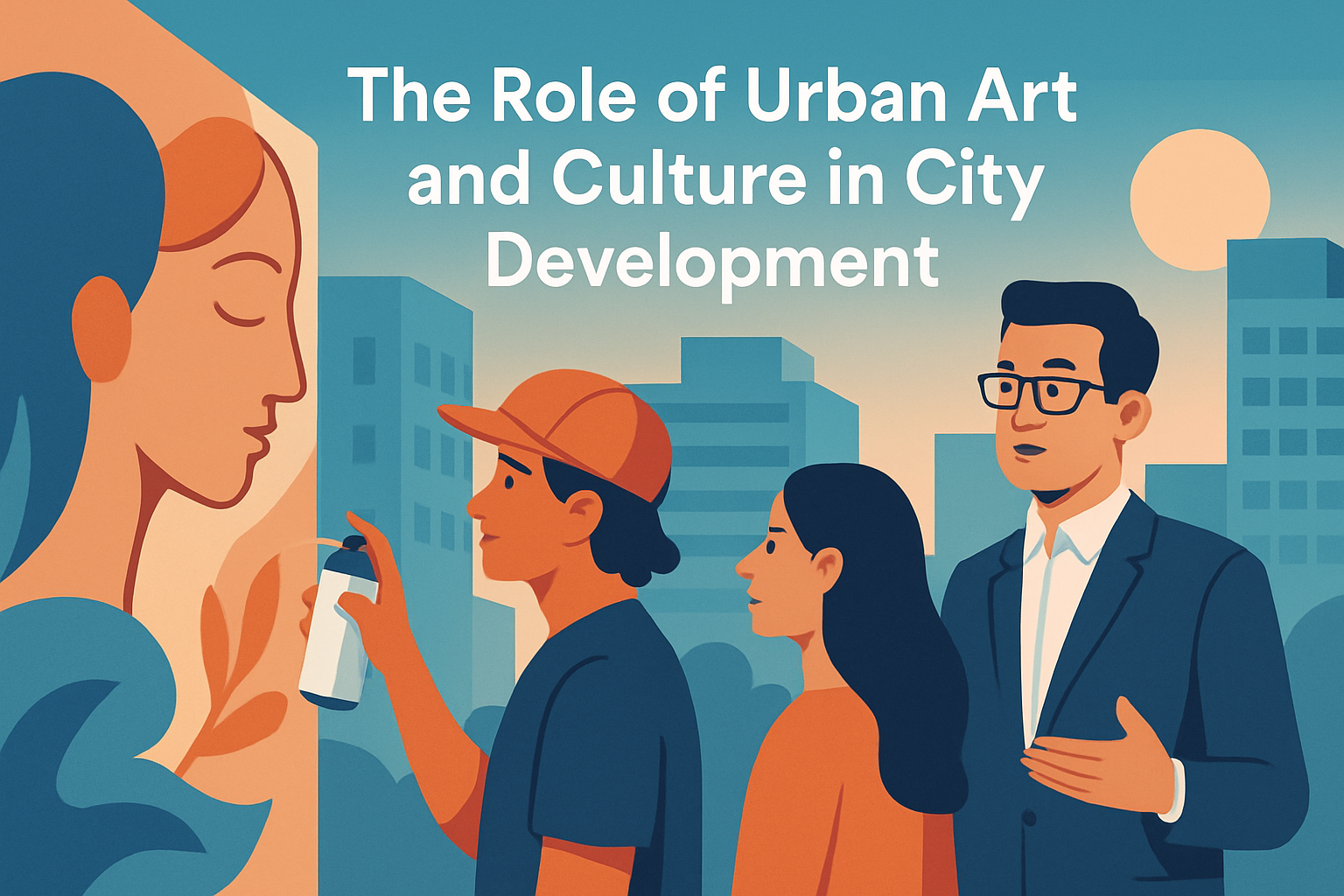
Urban art and culture have long played a significant role in shaping the landscape of cities around the world. From vibrant murals to iconic sculptures, artistic expressions in urban environments have the power to transform communities and stimulate economic growth. This article explores these concepts by delving into how art and culture contribute to the development of urban spaces, crucially affecting the lives of city dwellers. Understanding urban art and culture is vital because it elucidates the interplay between artistic innovation and urban renewal. As cities continue to expand and evolve, integrating art and culture into urban planning and development offers tangible benefits, such as improving community engagement, fostering tourism, and enhancing the quality of life for residents.
Definition and Impact of Urban Art and Culture
Urban art refers to various art forms found in urban settings, including street art, murals, graffiti, and public installations. Meanwhile, urban culture encompasses the behaviors, practices, and trends that define life in metropolitan areas. Together, urban art and culture contribute to the vibrancy and identity of cities, establishing them as hubs of creativity and innovation.
One notable example is the city of Berlin, renowned for its dynamic street art scene. Artists from across the globe come to Berlin to contribute to its rich tapestry of murals and graffiti. The East Side Gallery, a series of murals painted on the remains of the Berlin Wall, attracts millions of tourists annually. This cultural landmark not only celebrates Berlin’s unique history but also stimulates the local economy and fosters a sense of community pride.
In plain terms, when cities embrace urban art and culture, they become more than just places to live and work—they become destinations that draw people in, encourage social interactions, and promote a diverse range of cultural experiences. The infusion of art into the urban landscape can transform neglected areas into vibrant neighborhoods, sparking collaboration and innovation.
Urban Art and Economic Development
The economic impact of urban art and culture is significant. Art installations, cultural festivals, and creative events attract tourists and generate revenue through increased foot traffic and local spending. This influx of visitors can lead to job creation and help support local businesses.
A prime example of this phenomenon is the Wynwood neighborhood in Miami, Florida. Once an industrial district, Wynwood has been revitalized through a well-curated collection of street art and cultural events, such as Art Basel Miami Beach. As a result, Wynwood is now a thriving arts district that contributes significantly to Miami’s economy. The transformation of Wynwood underscores the potential for art and culture to drive urban renewal and economic revitalization, turning once-overlooked areas into bustling hubs of activity.
Urban Art as a Tool for Social Cohesion
Urban art can play a pivotal role in fostering social cohesion within cities. By creating public spaces that encourage dialogue and interaction, art installations can bring together diverse communities and bridge cultural divides.
The Philadelphia Mural Arts Program exemplifies how urban art can strengthen social ties. Through collaborative mural projects, the program involves local residents, artists, and community organizations in creating artworks that reflect the community’s identity and values. These initiatives empower residents to engage positively with their environment, promote a sense of belonging, and reduce social tensions.
By making art accessible to all, cities can cultivate inclusive environments that welcome diverse perspectives and experiences. In doing so, urban art fosters a sense of unity and belonging, which is essential for building resilient and harmonious communities.
Cultural Districts and Their Role in City Planning
Cultural districts serve as concentrated areas of artistic and cultural activity that can significantly enhance a city’s attractiveness and quality of life. These districts often feature theaters, museums, galleries, and performance spaces, drawing residents and tourists alike.
One of the most prominent cultural districts is New York City’s Broadway district. Known as the heart of the American theater industry, Broadway attracts millions of visitors yearly who come to experience its world-renowned productions. This influx of tourists not only benefits the theaters but also boosts local restaurants, hotels, and retail businesses. By investing in cultural districts, cities can enhance their cultural capital, create jobs, and bolster their economic resilience.
Urban Art and Sustainability
Urban art and culture can play a vital role in promoting sustainability within cities. Creative expressions often draw attention to local and global environmental issues, encouraging residents to consider the impact of their actions on the planet.
For instance, the “Art+Climate=Change” initiative in Melbourne, Australia, harnesses the power of art to engage audiences with climate-related themes. By using art as a vehicle for environmental awareness, the initiative stimulates conversation and inspires positive action in addressing climate challenges.
Moreover, sustainable urban design can incorporate functional art, such as green roofs and eco-friendly public installations. These projects not only beautify urban areas but also contribute to environmental conservation efforts, promoting sustainability in city development.
The Role of Art in Public Spaces
Art in public spaces enhances urban aesthetics and enriches the daily experiences of city dwellers. Public art increases accessibility to cultural experiences, reaching people who might not otherwise visit galleries or museums.
| City | Notable Public Art | Impact |
|---|---|---|
| Chicago | The Cloud Gate (“The Bean”) | Tourist attraction and city landmark |
| Paris | Stravinsky Fountain | Cultural engagement and recreational space |
| London | Fourth Plinth | Platform for contemporary artists |
These examples demonstrate how integrated art in urban settings can become synonymous with the city itself, drawing visitors and creating a rich cultural dialogue among residents. By implementing thoughtfully curated public art, city planners can transform everyday spaces into inspiring environments that reflect the unique character and ambitions of their communities.
Conclusion
Urban art and culture are integral to the evolution and development of cities. They enhance aesthetics, boost economies, foster social cohesion, and provide platforms for addressing crucial societal issues. Investing in and prioritizing urban art is not merely about beautification—it is about comprehensive and sustainable development that recognizes the vital role creativity plays in enriching lives and communities.
To capitalize on these benefits, city planners, policymakers, and communities must collaborate to integrate art and culture into urban environments strategically. By doing so, they can cultivate vibrant, inclusive, and economically resilient cities that resonate with both current and future generations.
Your role in this transformative process is vital. Whether you’re an artist, city planner, community leader, or resident, consider how you can support and participate in local art and cultural initiatives. Advocate for policies that prioritize art in public spaces and engage with projects that harness the power of creativity to foster a sense of belonging and collective growth. Together, we can shape cities that celebrate and thrive on the diverse tapestry of urban life.
Frequently Asked Questions
1. What is the impact of urban art on community identity?
Urban art plays a crucial role in shaping the identity of a community. Murals, street art, and sculptures often reflect the cultural, historical, and social aspects of the neighborhoods where they are located. These artworks can tell stories of the past, highlight cultural diversity, and express the collective values of the residents. Through these visual representations, people develop a sense of pride and belonging. The unique identity that urban art helps create not only distinguishes a neighborhood but also fosters a deeper connection between its residents and their surroundings. Furthermore, when locals and visitors engage with the art, they often gain a greater appreciation for the community’s history and culture, enhancing the collective identity and strengthening the social fabric.
2. How do urban art and culture influence economic development in cities?
Urban art and culture are potent catalysts for economic development in cities. They attract tourists and boost local economies through increased foot traffic, which benefits businesses like cafes, restaurants, and shops near art installations. Cities known for vibrant art scenes often find themselves as cultural destinations, drawing both international tourists and new residents interested in the artistic and cultural offerings. This influx not only generates direct revenues but also encourages investment in infrastructure and services. Moreover, in fostering a more dynamic and appealing urban environment, art and culture can increase property values and inspire entrepreneurial ventures. Urban art programs may also provide jobs for artists and art professionals, further stimulating economic growth. As cities invest in cultural projects and support local artists, they form a fertile ground for innovation, creativity, and economic opportunities.
3. In what ways does urban art contribute to community engagement and social cohesion?
Urban art serves as a vital tool for community engagement and social cohesion. Public art projects often require collaboration between artists, local governments, community organizations, and residents, fostering a sense of collective ownership and responsibility. This engages community members in meaningful dialogue and partnership, and when people work together towards a common cultural or artistic goal, it strengthens social ties and builds trust among participants. Art also provides a platform for expression, helping marginalized voices to be heard and instilling a sense of agency within communities. Through public murals or participative art installations, people can share their stories, experiences, and aspirations, promoting empathy and mutual understanding. Ultimately, urban art enhances social cohesion by bringing people from diverse backgrounds together, breaking down barriers, and fostering a shared sense of purpose and unity.
4. How does urban art and culture impact the mental and emotional well-being of city dwellers?
The presence of urban art and culture significantly impacts the mental and emotional well-being of city dwellers. Artistic elements in urban settings can transform drab, uninspiring environments into visually stimulating spaces that elicit positive emotional responses. They have the power to reduce stress and anxiety by providing aesthetically pleasing landscapes and cultural experiences that offer escapism from daily routines. Engaging with art can also foster a sense of wonder and curiosity, invoking contemplation and intellectual engagement. Particularly, participatory and interactive art projects can enhance social interactions and create a sense of community, promoting emotional wellness through social connectedness. Furthermore, urban cultural events, such as festivals and performances, provide opportunities for joyful experiences and communal celebrations that uplift spirits and enhance overall happiness. The strategic integration of art into urban areas is an essential component of creating supportive environments that promote the well-being of inhabitants.
5. What challenges do urban areas face when integrating art and culture into city development initiatives?
While urban art and culture offer numerous benefits to city development, several challenges can arise when attempting to integrate them into urban planning initiatives. One significant challenge is funding scarcity, as cultural projects often rely on public or private investment, which can be limited or inconsistent. Balancing the needs of diverse communities and ensuring cultural projects reflect the unique characteristics of local populations can also present difficulties, as it requires inclusive planning processes and active community involvement. Additionally, cities must contend with potential issues of gentrification, as neighborhoods enhanced by art and culture may experience rising property values that displace long-term residents. Therefore, it is imperative that urban planners and local governments employ strategies that prioritize inclusivity and equity to mitigate these effects. Another challenge lies in navigating bureaucratic processes and securing the necessary permits or approvals, which can be time-consuming and complex. Despite these challenges, cities that successfully integrate art and culture into their development plans will likely cultivate vibrant, dynamic environments that benefit both individuals and the community as a whole.