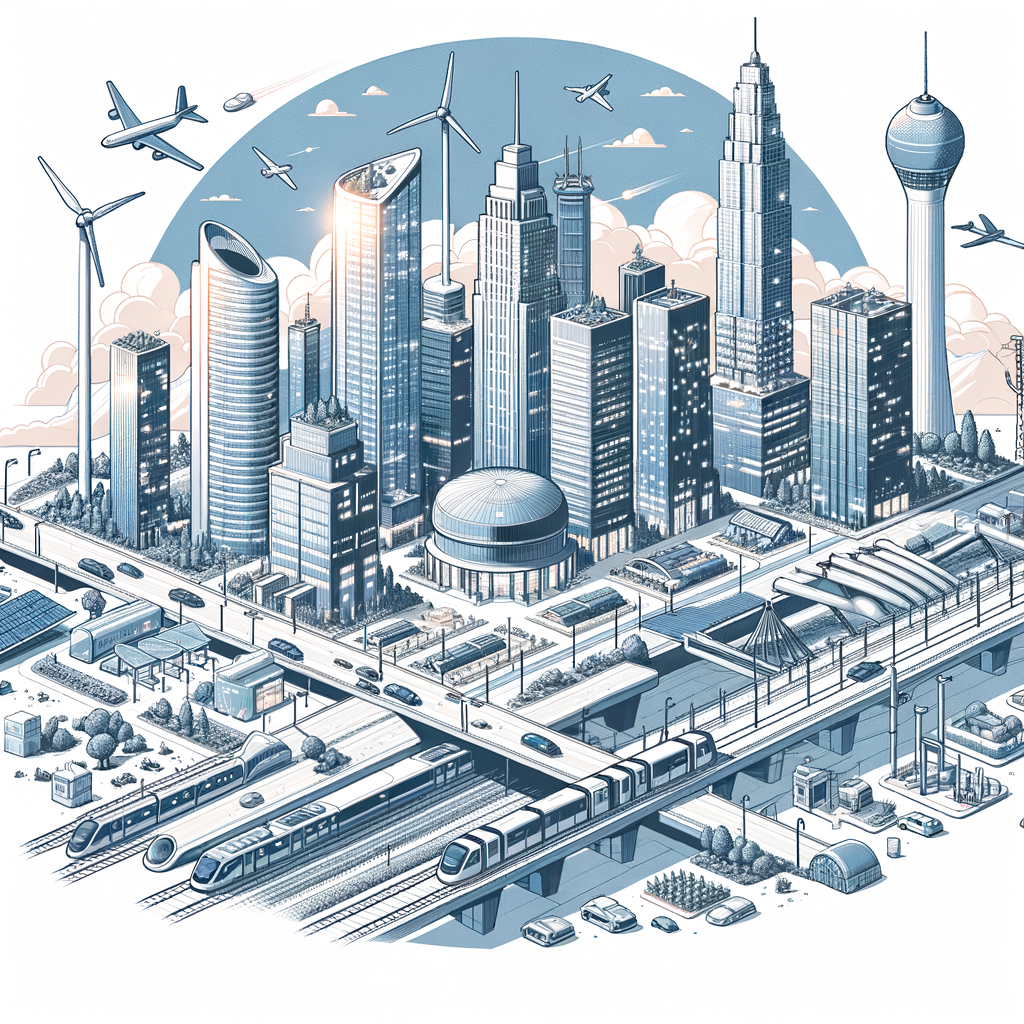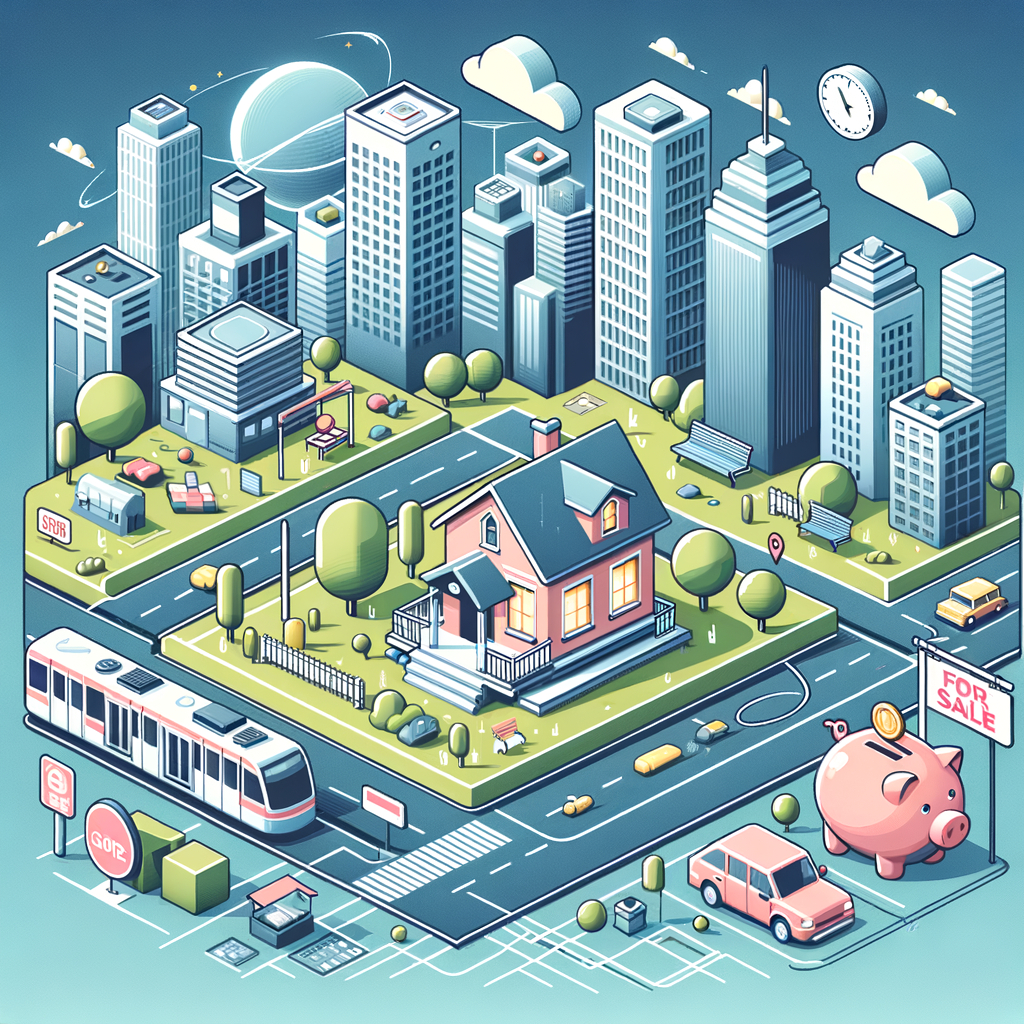
Urban infrastructure and housing affordability are two critical factors that significantly impact the quality of life in cities worldwide. As urbanization continues to accelerate, more people are moving to cities, drawn by the promise of opportunities, amenities, and services. However, this influx brings numerous challenges, particularly in housing availability and affordability. The demand for housing in urban areas often outpaces supply, driving up prices and making it difficult for many individuals and families to find affordable places to live. At the same time, the infrastructure that supports urban life, including transportation systems, utilities, and public services, must also keep pace with growing populations. The balance between developing robust urban infrastructure and ensuring housing remains affordable is a complex challenge for city planners, policymakers, and stakeholders.
Creating sustainable, affordable housing requires a deep understanding of the intricate web of urban infrastructure components. Transportation, water and sanitation systems, and energy supply are all interconnected with housing markets. These elements must be addressed collectively to create equitable and sustainable cities. As cities develop, the need for coordinated strategies in infrastructure planning and housing policy becomes paramount. Cities face the dilemma of expanding infrastructure capabilities without pricing out the very residents who make urban areas vibrant. In addressing these challenges, innovative solutions, inclusive policies, and comprehensive urban planning are essential. We must consider how these variables interact and how solutions can harness opportunities while mitigating constraints effectively.
Understanding Urban Infrastructure
Urban infrastructure refers to the physical and organizational structures that are necessary for the operation of a city. This includes transportation networks like roads, bridges, and public transit systems, as well as utilities such as water supply, waste management, electricity, and telecommunications. Public amenities including parks, schools, and hospitals also fall under this umbrella. This infrastructure not only facilitates day-to-day activities but also supports economic growth and development. Properly planned and well-maintained infrastructure can significantly improve the quality of life for city dwellers, influencing everything from commute times to environmental quality.
The complexity of urban infrastructure is compounded by the need for constant maintenance, upgrading, and expansion in response to growing populations. Transportation infrastructures, such as subways and highways, must be capable of handling increased demand without causing congestion or delays. Similarly, utility infrastructures must provide reliable services without failures or shortages. As cities become more populated, the stress on these systems can lead to breakdowns if they are not properly managed. Therefore, effective planning and investment in infrastructure are necessary to support sustainable urban growth and accommodate the needs of residents.
The Dynamics of Housing Affordability
Housing affordability is a global challenge that varies in nature and severity from one city to another. Affordability is typically assessed by comparing the cost of housing to income levels. When housing costs consume a significant portion of a household’s income, it leaves less for other essentials such as food, education, and healthcare, thereby reducing overall quality of life. The housing affordability crisis is exacerbated by factors like stagnant income growth, insufficient housing supply, and rising property values driven by demand.
One major factor impacting housing affordability is zoning laws and land use regulations. In many urban areas, these laws restrict the type and density of housing that can be developed, leading to a limited supply of affordable housing options. Additionally, the rise of speculative real estate investments has further driven up property prices, sometimes leading to gentrification, where original residents are displaced as neighborhoods become more affluent. To address housing affordability, comprehensive policies that include affordable housing development, subsidies for low-income households, and rent control measures may be necessary.
The Interrelationship between Urban Infrastructure and Housing Affordability
The relationship between urban infrastructure and housing affordability is deeply intertwined. Well-developed infrastructure can significantly influence where housing is developed and, consequently, its affordability. Accessible public transportation, for instance, allows for the expansion of residential areas beyond city centers. This can lead to more affordable housing options in suburban areas, alleviating some of the pressure on housing markets in urban cores. Furthermore, efficient transportation systems reduce commuting costs and time, enhancing the overall affordability of living in certain areas.
The location of infrastructure also plays a critical role in real estate values. Properties with easy access to amenities and efficient public services command higher prices in the market. Conversely, inadequate infrastructure can diminish an area’s attractiveness, lowering property values and potentially creating pockets of affordable housing. Nonetheless, this can lead to disparities in living conditions if infrastructure investment is unevenly distributed, highlighting the need for equitable infrastructure planning and development.
Utilities and essential services similarly affect housing affordability. Reliable and affordable utilities reduce the overall cost of living, making housing more affordable in the long run. Conversely, poor or unreliable services can increase living expenses, placing additional financial burdens on households. Moreover, modern infrastructure technologies, such as green energy solutions and smart grids, present opportunities to reduce costs and improve sustainability, further enhancing housing affordability.
Strategies for Enhancing Urban Infrastructure and Housing Affordability
To improve urban infrastructure and housing affordability, cities need to adopt integrated and forward-thinking strategies that address both issues simultaneously. One approach is the development of mixed-use communities, which combine residential, commercial, and recreational spaces. This model reduces the dependency on transportation by allowing residents to live, work, and play within the same vicinity, thus cutting down commuting costs and enhancing accessibility to essential services.
Public-private partnerships (PPPs) can also play a crucial role in infrastructure development and housing affordability. By leveraging private investment and expertise alongside public resources, cities can efficiently fund and deliver projects that might otherwise be financially unattainable. PPPs can streamline the construction of both infrastructure and affordable housing, ensuring quality oversight while expediting project timelines.
Another strategy is to embrace technological advancements such as smart city solutions. These involve integrating digital technologies into urban planning and management to optimize resource use, improve service delivery, and enhance sustainability. Smart transportation systems, for example, can optimize traffic flow and reduce congestion, while smart energy grids can improve efficiency and reduce costs. Incorporating these technologies can enhance the livability and affordability of urban areas.
Policy Implications and Recommendations
Government policies have a significant impact on both urban infrastructure development and housing affordability. Policymakers must encourage innovative zoning laws and land use policies that allow for greater density and mixed-use development, particularly in areas well-served by public transit. Relaxing regulations that unnecessarily constrain housing supply can help to increase availability and reduce pressure on housing markets.
The provision of subsidies and incentives for affordable housing is another important policy tool. These can encourage developers to include affordable units in new developments or to refurbish existing buildings to create better housing options. Moreover, rent control measures might be necessary in some cases to prevent exploitation and ensure affordability for low and moderate-income families.
Creating comprehensive urban housing plans that incorporate infrastructure considerations is essential. Cities should adopt a holistic approach, addressing infrastructure, housing, and social issues concurrently. Planning should involve a wide range of stakeholders, including community groups, to ensure diverse perspectives and needs are met. Urban planning should also incorporate resilience to climate change, as sustainable practices can drive both economic savings and environmental benefits.
Conclusion
The challenges of urban infrastructure and housing affordability cannot be viewed in isolation, as they are deeply interconnected. As urban populations grow, cities must adopt comprehensive strategies that integrate infrastructure development with housing policy to create sustainable environments. Addressing these challenges requires innovative policies, strategic investments, and collaboration among government, private sector, and community stakeholders. By balancing these elements, cities can create diverse, inclusive urban spaces that cater to the needs of all residents.
While there is no one-size-fits-all solution, sharing best practices and learning from global successes can guide cities in crafting effective strategies. By prioritizing inclusivity and sustainability, urban areas can evolve into vibrant communities that support economic development and enhance residents’ quality of life. Efficient urban infrastructure, combined with accessible and affordable housing, provides the foundation for resilient and thriving cities well into the future.
Frequently Asked Questions
1. What is urban infrastructure, and how does it relate to housing affordability?
Urban infrastructure refers to the foundational services and facilities that support the functioning of a city. This includes roads, bridges, public transportation, water supply, sewage systems, power grids, and communication networks. Essentially, it’s all the physical and organizational structures needed for a city to operate smoothly and efficiently.
When we talk about its relation to housing affordability, it’s crucial to understand that robust urban infrastructure can significantly influence housing costs. Efficient public transportation can make housing in less central or traditionally less desirable areas more accessible, potentially easing the demand in city cores, which often have higher rents. Additionally, well-planned infrastructure attracts businesses and services to underserved areas, increasing their livability and, consequently, the diversity of affordable housing options. Conversely, inadequate infrastructure can compound housing challenges, as areas without good transport links or basic services become less viable living options, increasing pressure on available housing in well-served areas and driving up prices.
2. Why is housing affordability such a persistent problem in urban areas?
The primary reason housing affordability remains a persistent problem in urban areas is the imbalance between supply and demand. As more people flock to cities for better job prospects, education, and amenities, the demand for housing spikes. This demand often outpaces the supply of available or new housing, leading to increased competition for living space, which inevitably drives up costs.
Several factors contribute to this supply issue. Zoning laws, which dictate land use, often have restrictions that limit the types and density of buildings that can be constructed in certain areas. These regulations can hinder the development of new housing, particularly affordable options. Further compounding the issue are rising costs of land and construction, lengthy permitting processes, and a lack of incentives for developers to build affordable housing rather than more lucrative luxury units.
A city’s attractiveness can also exacerbate housing issues; when a city becomes a desirable place to live, work, and play, (think tech hubs or culture-rich cities) it creates a market where wealthier buyers or investors might buy properties, further inflating prices and displacing longtime residents.
3. What are some strategies cities can implement to improve housing affordability?
Cities have several tools at their disposal to enhance housing affordability. One of the most impactful strategies is revising zoning laws to allow for higher-density housing, such as apartment complexes or condominiums, in more areas. This change can enable more units to be built without necessitating the expansion of urban boundaries, which is often unpopular and less sustainable.
Inclusionary zoning policies can also be effective. These require developers to include a certain percentage of affordable units in new housing projects, ensuring some more accessible housing options are integrated throughout the city. In addition, offering incentives like tax breaks or reduced permit fees for developers building affordable housing can encourage these projects.
Improved urban infrastructure also plays a crucial role. By enhancing public transportation and other amenities in less central locations, these areas can become more attractive to residents, thereby distributing housing demand more evenly across a city. Lastly, preserving existing affordable housing through subsidies or rent control measures can help keep current housing stock within financial reach for lower-income residents.
4. How does the condition of urban infrastructure influence property values in a city?
The state of urban infrastructure has a direct impact on property values. Well-maintained and efficient infrastructure makes a neighborhood or area more desirable because it enhances convenience, accessibility, and overall quality of life. For instance, properties close to reliable public transportation, good schools, and well-maintained parks or public spaces often have higher values due to their desirability.
Conversely, areas with poor infrastructure – think of unpaved roads, unreliable public transit, frequent power outages, or inadequate water and sewage systems – tend to see lower property values. Poor infrastructure can lead to higher commuting times, lower standard of living, and, ultimately, a reduced demand for property in these areas.
Moreover, planned improvements or investments in urban infrastructure can lead to increases in property values. In anticipation of such improvements, real estate investors might be drawn to these areas, further driving up demand and prices. Therefore, both current conditions and future prospects of urban infrastructure play substantial roles in shaping the housing market dynamics in a city.
5. How does the increasing trend of urbanization affect infrastructure and housing policies?
Urbanization, the growing trend of populations moving from rural to urban areas, significantly influences infrastructure and housing policies. As urban areas expand, cities must continuously update and expand their infrastructure systems to accommodate the increasing population. This includes enhancing public transport systems to reduce congestion, upgrading water and sewage facilities to meet the demand, and ensuring reliable electricity and internet services.
The accelerating urbanization trend also necessitates a shift in housing policies. An increasing population in cities means an increasing need for diverse housing solutions that cater to varying income levels. Cities often need to explore innovative housing solutions, such as micro-apartments, co-living spaces, or modular homes, designed for affordability and sustainability in bustling urban environments.
Furthermore, urbanization can lead to policy efforts aimed at promoting livability in high-density environments. This includes making investments in public spaces, ensuring walkability, and maintaining environmental quality to prevent urban sprawl and its associated challenges. Essentially, as more people move to cities seeking opportunities, it’s vital for housing and infrastructure policies to evolve in tandem, ensuring that growth doesn’t sacrifice quality of life.