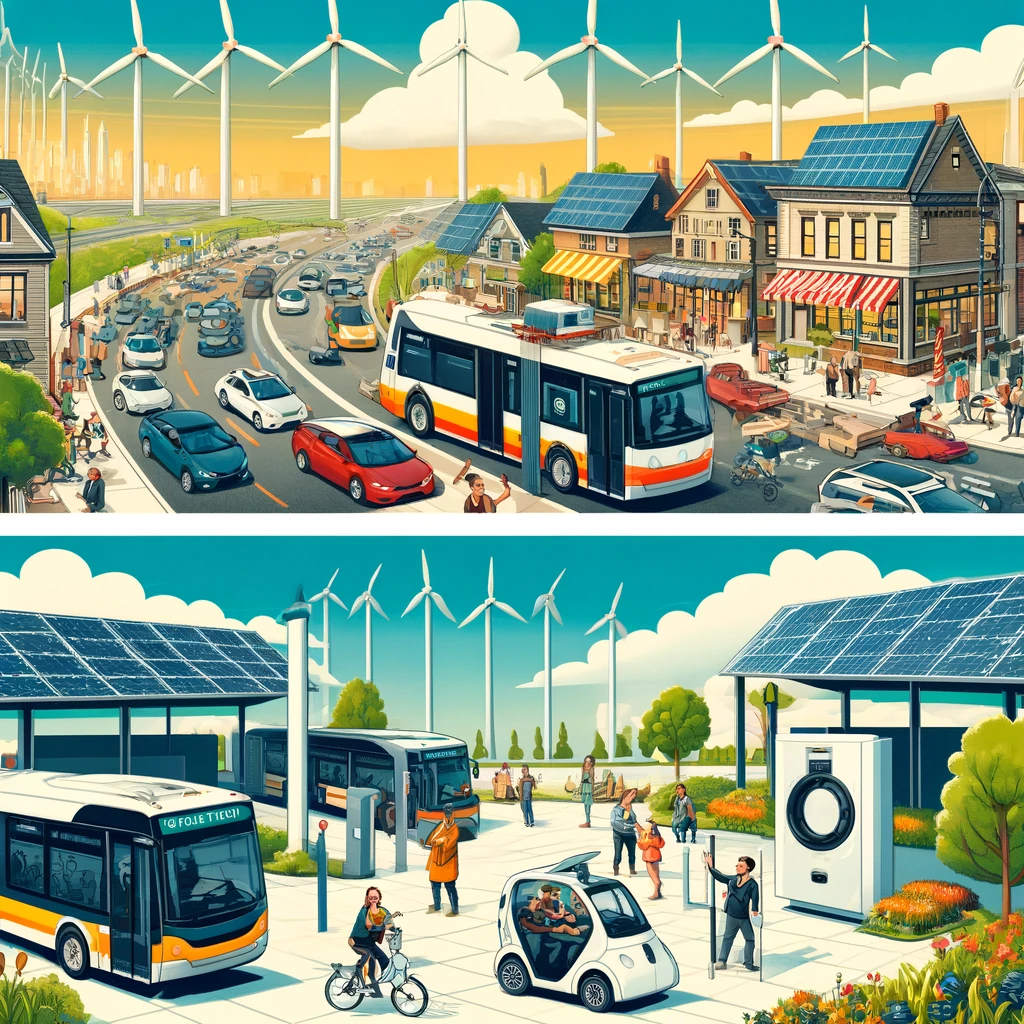
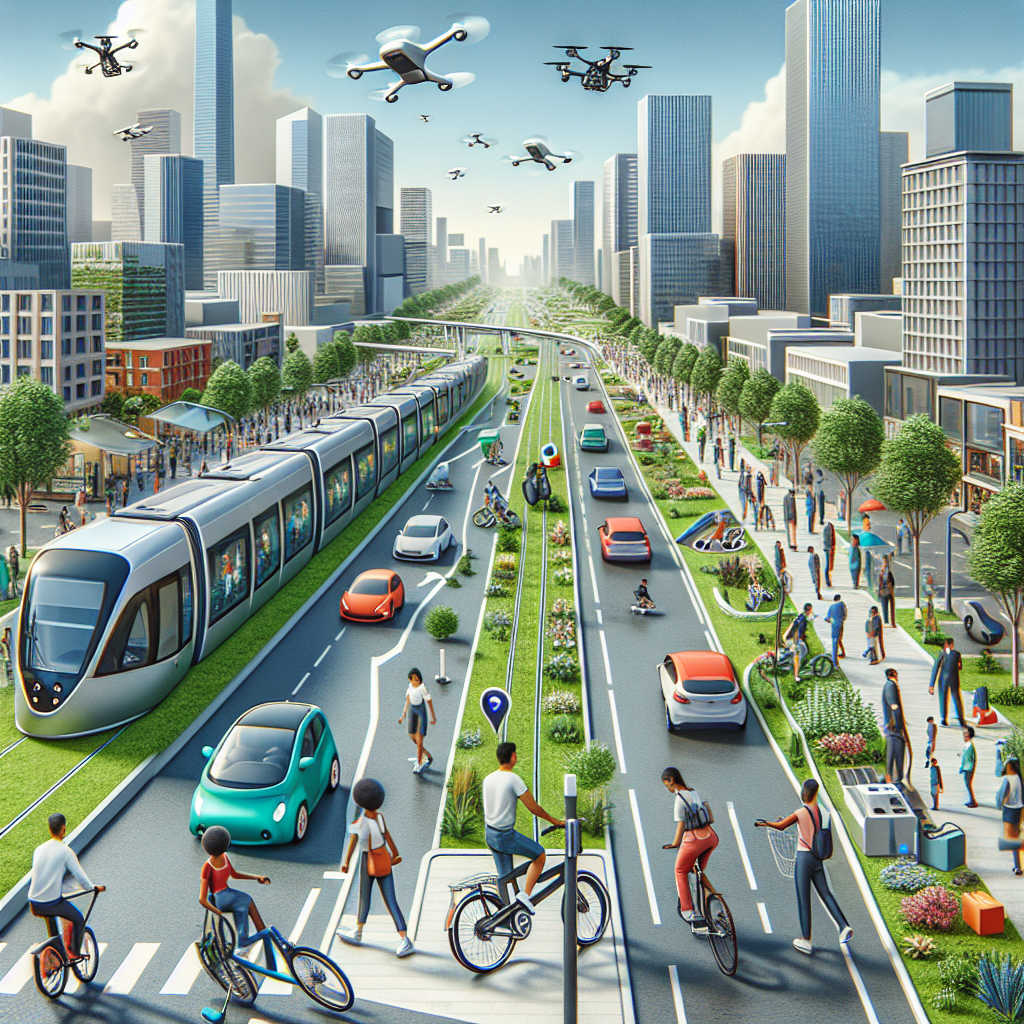
Sustainable urban development has become a pivotal focus in modern city planning, as the world grapples with the dual challenges of rapid urbanization and environmental degradation. The need for greener, more efficient construction methods and materials is more pressing than ever. Innovative materials for sustainable construction play a crucial role in achieving environmental goals while addressing urban development challenges.
Introduction
The construction industry, traditionally known for its substantial environmental footprint, is undergoing a paradigm shift towards sustainability. Sustainable construction materials are designed to reduce negative impacts on the environment, enhance energy efficiency, and improve the overall health and well-being of occupants in urban areas.
The concept of sustainable urban development encompasses the use of innovative materials that can mitigate pollution, lower carbon emissions, and promote energy savings. These materials are engineered to be durable, reusable, and recyclable, contributing to the conservation of natural resources. As populations grow and cities expand, the integration of sustainable construction practices becomes imperative for the creation of resilient, eco-friendly urban landscapes.
In this article, we will explore several innovative materials that are revolutionizing the construction industry. From advanced concrete alternatives to eco-friendly insulation and sustainable finishes, these materials represent the cutting edge of green building technology. By embracing these innovations, city planners, architects, and builders can contribute to the development of sustainable urban environments that meet the needs of present and future generations.
Advanced Concrete Alternatives
Concrete has long been the backbone of construction; however, its production is responsible for substantial CO2 emissions. Innovative alternatives to traditional concrete are now emerging, aimed at reducing environmental impact while maintaining structural integrity.
One notable example is geopolymer concrete, which utilizes industrial waste materials such as fly ash or slag as a replacement for Portland cement. This not only reduces carbon emissions but also repurposes waste products, making it a highly sustainable option. Another alternative is bio-concrete, which incorporates bacteria that precipitate calcium carbonate, enabling self-healing capabilities that prolong the lifespan of concrete structures and reduce maintenance costs.
Additionally, recycled aggregates such as crushed glass or recycled concrete can be used to replace natural aggregates in concrete mixtures, thus minimizing the extraction of natural resources. High-performance materials like ultra-high-performance concrete (UHPC) also offer superior strength and durability while using fewer raw materials, contributing to sustainable construction practices.
These advanced concrete alternatives showcase the potential of innovative research and technology in creating sustainable, low-carbon building materials that can significantly reduce the environmental impact of construction projects.
Eco-Friendly Insulation Materials
Insulation is critical for energy efficiency in buildings, but traditional insulation materials often involve environmentally harmful production processes and limited recyclability. Eco-friendly insulation materials are changing the landscape of building insulation, offering sustainable and effective alternatives.
Natural fibers such as sheep’s wool, cork, and cellulose (recycled paper) are excellent insulation materials that provide thermal and acoustic benefits. Sheep’s wool, for instance, is naturally fire-resistant and capable of absorbing and releasing moisture without losing its insulating properties. Cork is another sustainable option, harvested from the bark of cork oak trees without harming the tree, making it a renewable resource. Its natural resistance to mold, mildew, and insects also makes it an ideal insulator.
Another innovative material is bio-based foam insulation made from agricultural by-products like soybean or corn. These foams provide superior thermal insulation and have a lower environmental footprint compared to petroleum-based foams. Recycled denim insulation, made from cotton fibers, is yet another eco-friendly alternative that offers excellent thermal and acoustic insulation.
By prioritizing sustainable insulation materials, builders can significantly enhance the energy efficiency of buildings while reducing their environmental impact, aligning with the principles of sustainable urban development.
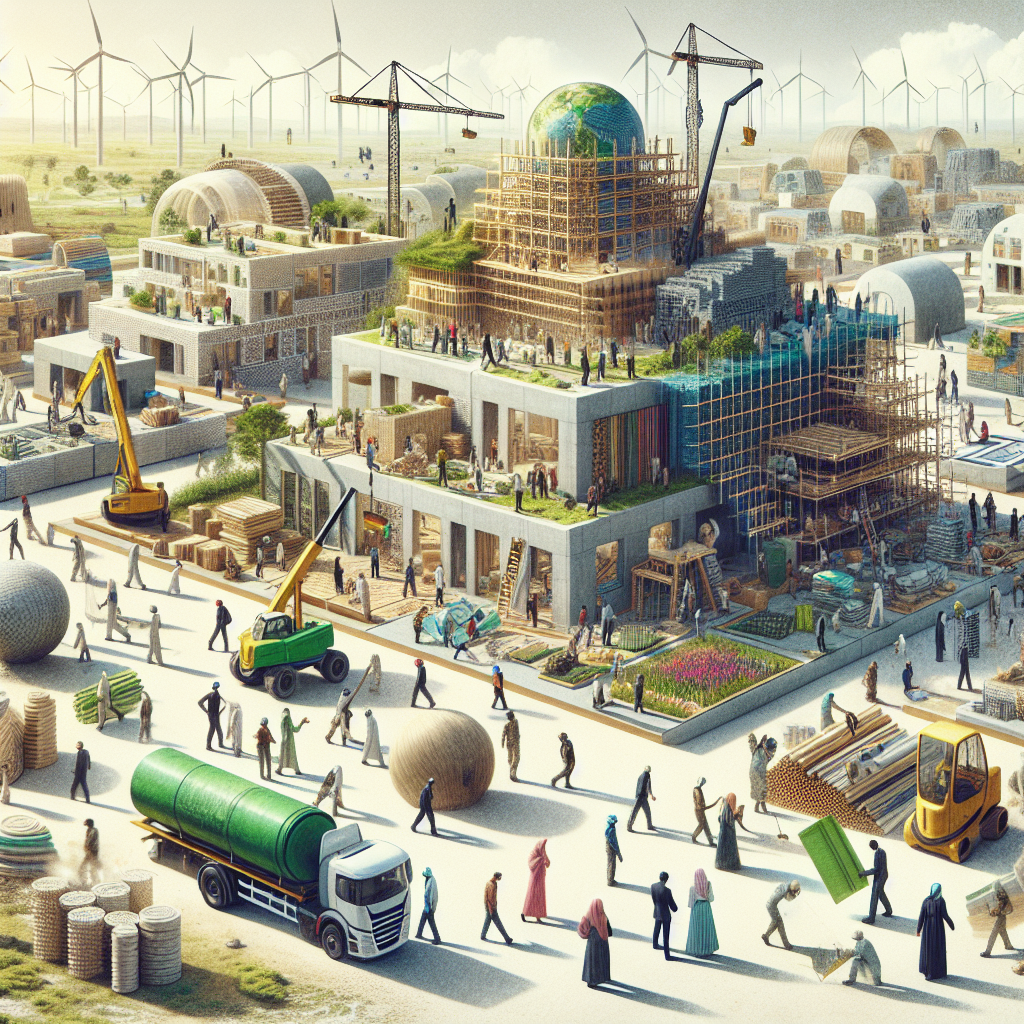
Green Roofing Solutions
Green roofs, also known as living roofs, are an innovative solution that integrates vegetation with roofing systems. These roofs offer numerous environmental benefits, including reducing urban heat islands, improving air quality, and enhancing stormwater management.
Extensive green roofs use shallow soil layers with drought-resistant plants, requiring minimal maintenance and structural support. They are ideal for retrofitting existing buildings. Intensive green roofs, on the other hand, have deeper soil layers that can support a wider variety of plants, including shrubs and small trees. These roofs offer greater biodiversity and can even be used to grow food.
Green roofs act as natural insulators, reducing heat transfer and lowering energy consumption for heating and cooling. They also absorb rainwater, reducing runoff and lowering the risk of flooding in urban areas. Additionally, green roofs provide habitats for wildlife, contributing to urban biodiversity.
The implementation of green roofing solutions exemplifies the integration of nature into urban environments, promoting sustainable development and making cities more resilient to climate change.
Sustainable Finishes
Sustainable finishes, including paints, coatings, and flooring materials, are essential for reducing the environmental impact of buildings. These finishes are designed to minimize volatile organic compounds (VOCs), reduce waste, and promote the use of renewable resources.
Low-VOC and zero-VOC paints and coatings are healthier alternatives to traditional products, improving indoor air quality and reducing health risks for occupants. These sustainable finishes are available in a wide range of colors and finishes, enabling designers to meet aesthetic goals without compromising environmental standards.
Sustainable flooring options include bamboo, cork, and reclaimed wood. Bamboo is a rapidly renewable resource that offers durability and a stylish appearance. Cork flooring, as mentioned earlier, is harvested sustainably and provides natural cushioning and insulation. Reclaimed wood gives new life to materials that would otherwise go to waste, offering a unique and environmentally friendly flooring solution.
By selecting sustainable finishes, builders can minimize the environmental impact of their projects, enhance the health and well-being of occupants, and contribute to the overall sustainability of urban developments.
Recycled and Upcycled Materials
The use of recycled and upcycled materials in construction is gaining momentum as an effective strategy for reducing waste and conserving resources. These materials repurpose waste products, reducing the demand for virgin materials and lowering the environmental footprint of building projects.
Recycled steel, for instance, can be used in structural frameworks, reducing the need for new steel production, which is energy-intensive and emits significant CO2. Recycled plastic can be transformed into various construction products, such as composite lumber for decking and recycled-content insulation.
Upcycling involves creatively repurposing materials that would otherwise be discarded. For example, old shipping containers can be converted into modular office spaces or homes, offering a unique and sustainable solution for urban housing. Upcycled materials not only reduce waste but also provide innovative design opportunities and cost savings.
By incorporating recycled and upcycled materials into construction projects, builders can significantly reduce their environmental impact and promote the circular economy, where materials are continuously reused and repurposed.
Conclusion
Sustainable urban development hinges on the adoption of innovative materials that reduce environmental impact, conserve resources, and enhance the health and well-being of urban populations. The materials discussed in this article represent cutting-edge solutions that can transform the construction industry and contribute to the creation of greener, more resilient cities.
Advanced concrete alternatives, eco-friendly insulation, green roofing solutions, sustainable finishes, and recycled and upcycled materials all demonstrate the potential for innovation in sustainable construction. As city planners, architects, and builders embrace these materials, they can play a pivotal role in mitigating the environmental challenges associated with urbanization.
The future of urban development lies in our ability to integrate sustainability into every aspect of the built environment. By prioritizing innovative materials and sustainable construction practices, we can create cities that not only meet the needs of today but also ensure a healthier, more prosperous future for generations to come.
Sustainable urban development is not just an aspiration; it is a necessity. As we continue to explore and adopt new materials and technologies, the path towards a more sustainable, resilient, and inclusive urban future becomes clearer.
Frequently Asked Questions
1. What are innovative materials for sustainable construction?
Innovative materials for sustainable construction are advanced building materials specifically engineered to minimize environmental impact, improve energy efficiency, and promote sustainability in construction projects. These materials often incorporate new technologies or utilize waste products and recycled resources. Examples include cross-laminated timber (CLT), which is made from renewable wood sources, or self-healing concrete, which repairs its own cracks to extend its lifespan, reducing the need for frequent repairs and replacements. Additionally, materials like aerogel or transparent solar panels are increasingly being used to enhance energy efficiency and sustainability in modern building designs by providing superior insulation and generating renewable energy, respectively.
2. How do these materials contribute to sustainable urban development?
Innovative materials contribute to sustainable urban development by addressing key environmental issues such as waste reduction, carbon emissions, and energy consumption. For instance, using recycled materials helps decrease the environmental footprint of new buildings. Materials like rammed earth or insulated concrete forms offer substantial thermal mass, thus enhancing energy efficiency by reducing the need for heating and cooling. Green roofs or bio-based insulation further enhance sustainability by improving air quality, reducing urban heat islands, and promoting biodiversity. By focusing on durability, many of these materials reduce the need for maintenance and replacement, thereby extending the lifecycle of buildings and decreasing material consumption.
3. What are some challenges in implementing these innovative materials in construction projects?
Implementing innovative materials often presents several challenges. One primary obstacle is the higher initial cost associated with these materials, which can be a deterrent for budget-conscious projects despite long-term savings. There’s also the issue of availability, as not all innovative materials are readily accessible or produced at a scale necessary to meet demand. Moreover, certain materials may require specialized labor or techniques, necessitating further training for construction workers. Regulatory hurdles can also impede progress, as building codes may need updates to accommodate new materials. Finally, there’s often resistance to change within the industry, where traditional practices and familiar materials are comfortably entrenched, slowing the adoption of innovative alternatives.
4. Are these sustainable construction materials available for small-scale projects like residential homes?
Yes, many innovative materials are increasingly becoming viable options for small-scale projects, including residential homes. As manufacturing processes improve and demand grows, materials like CLT, recycled steel, and geothermal technologies are now more accessible to homeowners. Products like eco-friendly bricks made from recycled plastics or other waste materials are gaining popularity in residential construction for their affordability and environmental benefits. Sustainable wood alternatives and green technologies, such as solar panels and energy-efficient windows, are being integrated into residential construction, allowing homeowners to partake in eco-friendly practices without compromising on design or functionality. These materials not only help reduce the carbon footprint of homes but often offer significant cost savings in terms of energy consumption.
5. What is the future outlook for innovative materials in sustainable construction?
The future for innovative materials in sustainable construction looks promising as urban centers continue to prioritize environmental sustainability. With advancements in technology, we can expect to see an evolution in material capabilities, including smarter, more adaptable materials that improve over time. Researchers are currently exploring the potential of nanotechnology and biotechnology to develop materials with unprecedented efficiency and environmental benefits. Additionally, as regulatory pressures increase and there is more awareness of environmental issues, the demand for these materials is set to grow, thereby driving down costs and encouraging wider adoption. Governments and industries alike may also invest more heavily in developing sustainable solutions, accelerating innovation and integration of these materials into mainstream construction practices. This dynamic shift suggests a construction industry that is not only more sustainable but also more resilient and responsive to future challenges.