
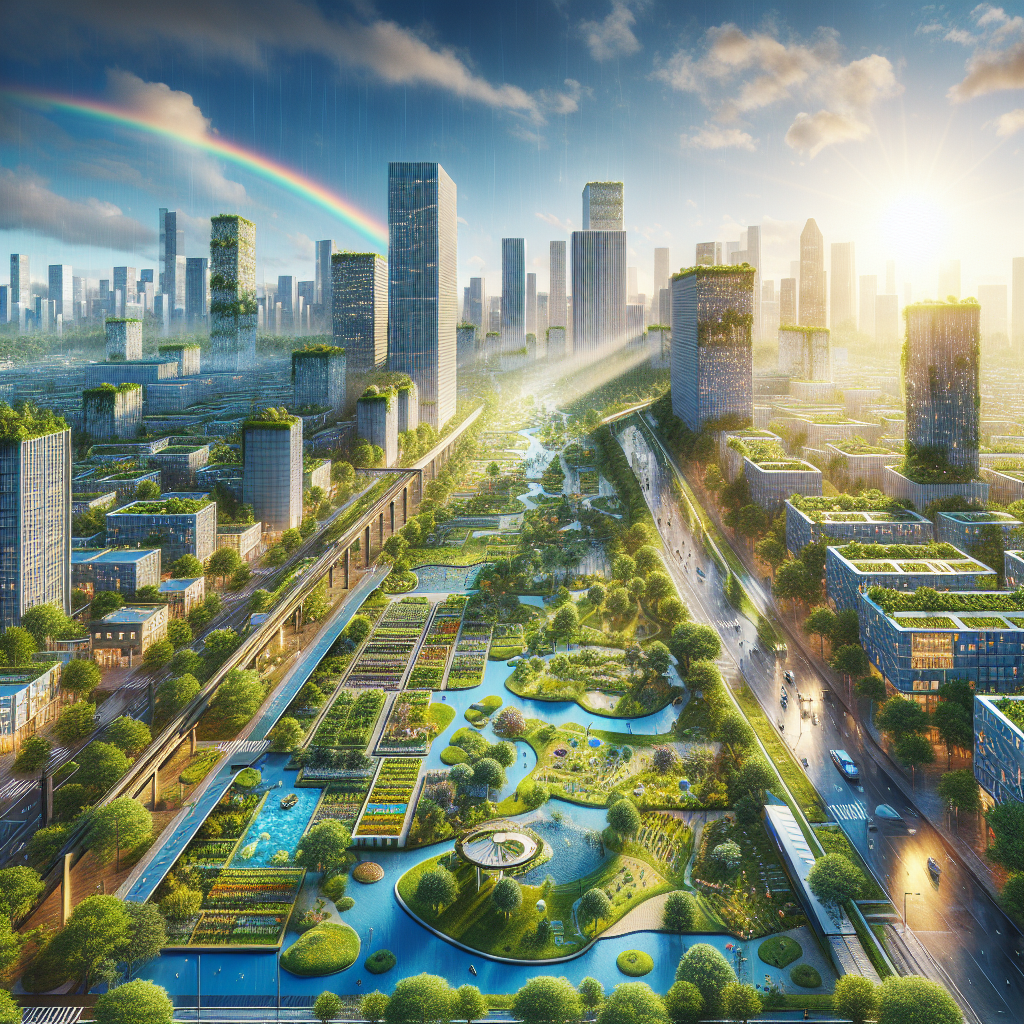
Urban planning has always been an essential aspect of developing sustainable and liveable cities. With the ever-growing challenges posed by climate change, urban planners face increasing pressure to design cities that are resilient, adaptable, and environmentally sustainable. One approach that is gaining traction worldwide is Water-Sensitive Urban Design (WSUD). This innovative concept integrates water management into the urban planning process, addressing issues such as flooding, water pollution, and scarcity. By incorporating WSUD principles, cities can not only mitigate water-related issues but also enhance the quality of life for their inhabitants.
The traditional urban planning framework often overlooked water as a central element. As cities expanded, impermeable surfaces such as roads and buildings increased, leading to a range of environmental problems, including decreased groundwater recharge and an increase in surface runoff. This, in turn, exacerbated flooding events, especially in highly urbanized areas. WSUD seeks to reverse this trend by treating water as a precious resource that should be managed thoughtfully within the urban environment.
Implementing WSUD requires a shift in thinking. Instead of viewing water only as a logistical challenge to be managed, cities need to see it as an opportunity to create aesthetically pleasing, functional spaces that serve both environmental and human needs. From the imaginative incorporation of green roofs and permeable pavements to the development of intricate wetlands and rain gardens, WSUD provides a comprehensive approach that addresses multiple urban challenges simultaneously. The goal is to create urban environments that are not only water-efficient but also resilient to climate change-related stresses.
The Principles of Water-Sensitive Urban Design
Understanding the fundamentals of WSUD is crucial for its effective implementation. This approach is built on several core principles, each designed to optimize water management within urban settings. First and foremost, WSUD seeks to minimize the hydrological impacts of urban development. This involves reducing surface runoff and promoting natural infiltration, which helps to replenish groundwater and maintain more stable hydrological cycles.
Another key principle is improving water quality. Urban runoff often contains pollutants such as oil, heavy metals, and nutrients that degrade water bodies. Through the use of biofiltration systems, constructed wetlands, and riparian buffers, WSUD can effectively filter out these contaminants before they reach rivers, lakes, or oceans. This not only protects aquatic ecosystems but also ensures cleaner water for human use.
WSUD also promotes the efficient use of water resources. This includes implementing water-saving technologies and practices such as rainwater harvesting, greywater recycling, and the use of drought-resistant native plants in landscaping. By reducing the demand for potable water, cities can lessen their impact on regional water supplies and ensure long-term sustainability.
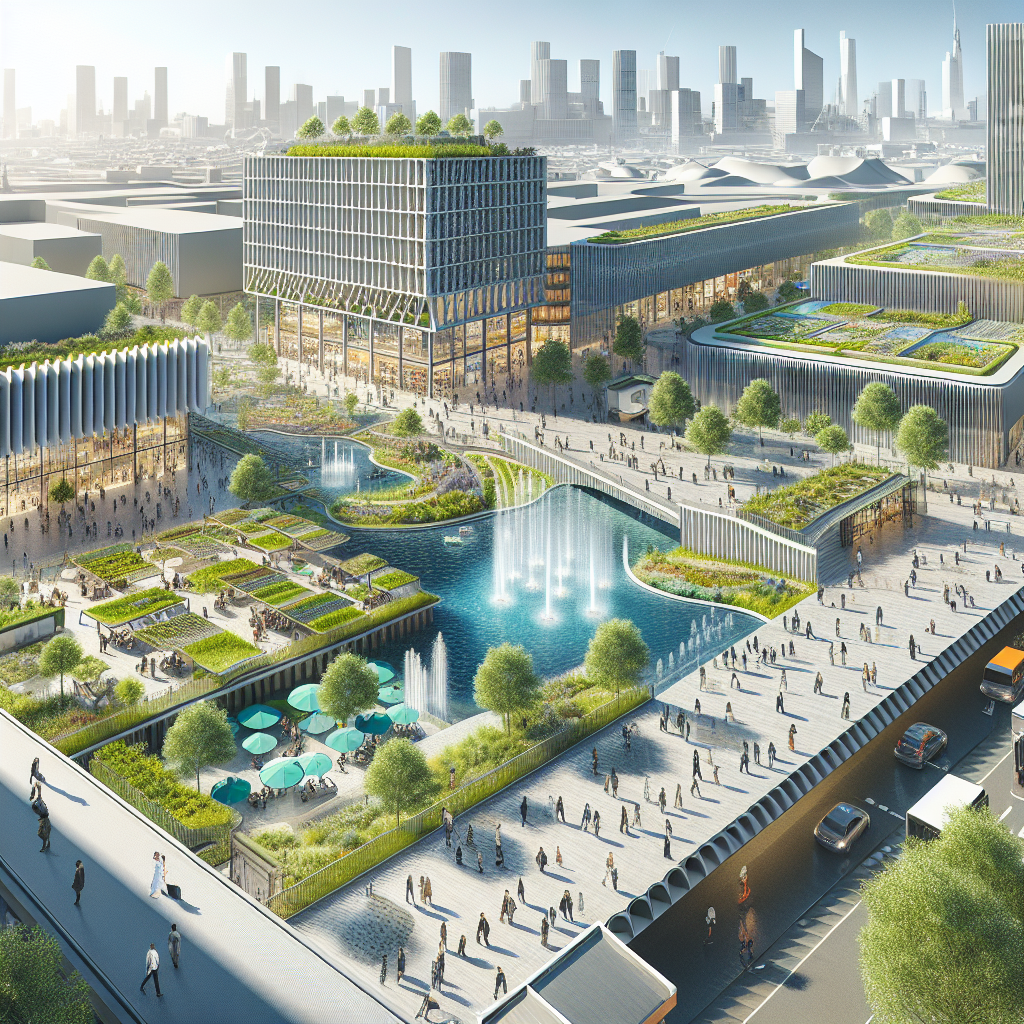
Finally, WSUD emphasizes the creation of multi-functional public spaces that enhance liveability. Integrating water features like ponds, streams, and fountains into parks and streetscapes not only manages water but also provides aesthetic and recreational benefits. These spaces can become community focal points, fostering social interaction and improving mental well-being.
Case Studies in Water-Sensitive Urban Design
Several cities worldwide have successfully implemented WSUD principles, demonstrating their effectiveness in urban environments. For instance, Melbourne, Australia, has been a pioneer in this field. The city implemented the “Water Sensitive Urban Design Guidelines,” which have transformed the approach to urban stormwater management. Projects like the Royal Park Wetlands have become flagship examples. This project involved creating a series of wetlands that filter stormwater before it enters the Yarra River, significantly improving water quality and providing a haven for wildlife.
Singapore is another example of a city embracing WSUD. The Bishan-Ang Mo Kio Park transformation project showcases how WSUD can create vibrant, multi-functional spaces. By converting a concrete canal into a natural river with adjacent parklands, the project has improved flood resilience and provided recreational opportunities for residents. The park’s design also features bio-retention swales and rain gardens, which enhance water filtration and promote biodiversity.
In Europe, Copenhagen has adopted various WSUD strategies to address its flooding challenges. The city’s Cloudburst Management Plan includes the construction of “cloudburst roads,” green roofs, and urban lakes that temporarily store excess rainfall. These measures not only prevent flooding but also enhance urban green space and biodiversity, contributing to the city’s liveability.
These case studies illustrate that WSUD is not a one-size-fits-all solution; instead, it must be tailored to the specific needs and characteristics of each city. However, the underlying principles remain consistent, emphasizing the integration of water management into urban planning and design to create resilient, sustainable cities.
Challenges and Barriers to WSUD Implementation
While WSUD offers numerous benefits, its implementation is not without challenges. One significant barrier is the initial cost of infrastructure. Constructing wetlands, retrofitting existing urban areas with permeable pavements, and developing new water management systems can be expensive. These upfront costs often deter municipalities, especially those with limited budgets.
Another challenge is the complexity of planning and coordination. WSUD requires a multidisciplinary approach involving urban planners, landscape architects, engineers, ecologists, and policymakers. Effective communication and collaboration between these professionals are essential, yet achieving this can be difficult due to differing priorities and perspectives.
Regulatory and institutional barriers also hinder WSUD adoption. Existing regulations and policies may not support or even allow for innovative water management solutions. Updating these frameworks to facilitate WSUD can be a lengthy and contentious process.
Furthermore, public awareness and acceptance of WSUD are crucial. Residents and businesses must understand the benefits and functionalities of WSUD elements in their community. Public education campaigns and participatory planning processes can help to build this support, but they require time and effort to be effective.
Technological and Innovative Solutions in WSUD
Technological advancements are continuously pushing the boundaries of what can be achieved through WSUD. One such innovation is the development of smart water management systems that use sensors and data analytics to monitor and manage urban water flows in real-time. These systems can optimize the operation of green infrastructure, ensuring that it performs effectively even during extreme weather events.
Another innovative approach is the use of permeable materials in urban design. Permeable pavements and surfaces allow water to infiltrate through them, reducing surface runoff and promoting groundwater recharge. Advances in material science have led to the development of highly durable and aesthetically pleasing permeable pavements suitable for various applications, from parking lots to pedestrian pathways.
Biological solutions also play a significant role in WSUD. The use of constructed wetlands and biofiltration systems leverages natural processes to treat urban runoff. These systems are designed to mimic natural ecosystems, providing habitat for wildlife while effectively removing pollutants from water. Recent research focuses on enhancing the performance of these biological systems through bioengineering and the introduction of specific plant species that excel in pollutant absorption.
Moreover, the integration of green roofs and walls in buildings is becoming increasingly popular. These features not only manage stormwater but also provide insulation, reduce the urban heat island effect, and improve air quality. New technologies in green roof construction, such as lightweight growing media and efficient irrigation systems, are making it easier to incorporate these elements into various building types, from residential homes to high-rise commercial buildings.
The Role of Policy in Promoting WSUD
Effective policy frameworks are essential for the widespread adoption of WSUD. Governments and municipalities must develop and implement policies that incentivize and support the integration of WSUD principles into urban planning processes. One approach is to establish regulatory requirements for new developments to include WSUD features. For instance, cities can mandate the inclusion of permeable surfaces, green roofs, or rainwater harvesting systems in new construction projects.
Financial incentives can also play a crucial role. Offering grants, tax credits, or subsidies for implementing WSUD measures can encourage developers and property owners to invest in sustainable water management practices. These financial tools can help offset the initial costs associated with WSUD infrastructure, making it more attractive to stakeholders.
Education and capacity-building initiatives are equally important. Providing training and resources for urban planners, architects, engineers, and landscape designers can enhance their understanding of WSUD principles and practices. By fostering a knowledgeable professional community, cities can ensure that WSUD is effectively integrated into urban development projects.
Moreover, participatory planning processes that involve community members in decision-making can build public support for WSUD. By engaging residents in the planning and design stages, cities can create spaces that not only meet technical requirements but also address the needs and preferences of the community.
Future Directions and Emerging Trends in WSUD
As the climate continues to change and urban populations grow, the importance of WSUD will only increase. Emerging trends point towards even greater integration of technology, community engagement, and interdisciplinary collaboration in WSUD practices. One notable trend is the growing emphasis on nature-based solutions. These approaches leverage natural processes and ecosystems to address urban water management challenges, offering sustainable and cost-effective alternatives to traditional grey infrastructure.
Climate resilience is another critical focus area. WSUD solutions are being designed to withstand extreme weather events, ensuring that urban areas remain functional and liveable even during floods or droughts. This involves not only enhancing the robustness of WSUD infrastructure but also incorporating adaptive management approaches that allow for flexibility and innovation over time.
The role of data and digital technology is also expanding. Smart city initiatives are increasingly integrating water management into broader urban data frameworks. By using sensors, IoT devices, and data analytics, cities can gain real-time insights into their water systems and make informed decisions to optimize performance and enhance resilience.
Community-led initiatives are becoming more prominent, with local groups and organizations taking an active role in designing and implementing WSUD projects. Participatory approaches ensure that WSUD solutions are tailored to the unique needs and preferences of each community, fostering a sense of ownership and stewardship among residents.
Conclusion
Water-Sensitive Urban Design represents a transformative approach to urban planning that addresses the multifaceted challenges of water management in cities. By rethinking traditional practices and embracing WSUD principles, urban planners can create resilient, sustainable, and liveable cities that effectively manage water resources while enhancing the quality of life for residents. The successful implementation of WSUD requires a holistic and collaborative effort, involving innovative design, supportive policies, and active community engagement. As demonstrated by real-world examples and case studies, the benefits of WSUD are substantial, offering cleaner water, reduced flood risks, and more vibrant public spaces.
While challenges and barriers remain, advancements in technology and innovative solutions are continually expanding the possibilities for WSUD. By investing in education, capacity-building, and multidisciplinary collaboration, cities can overcome these challenges and fully realize the potential of WSUD. As we move into the future, it is essential to prioritize the integration of WSUD into urban planning processes, ensuring that our cities can adapt to climate change and sustainably manage their water resources.
Moreover, fostering a strong policy framework and providing incentives for WSUD adoption will be crucial in driving widespread implementation. Policymakers, urban planners, and communities must work together to create environments where WSUD principles can thrive, paving the way for a more sustainable and resilient urban future.
Frequently Asked Questions
1. What is Water-Sensitive Urban Design (WSUD) and how does it integrate with urban planning?
Water-Sensitive Urban Design, or WSUD, is an innovative urban design framework that focuses on integrating water management into the planning of urban environments. The main goal of WSUD is to create cities that are not only sustainable but also adaptive to water-related challenges posed by climate change, such as flooding and water scarcity. By incorporating water management strategies into urban planning, WSUD seeks to improve water quality, optimize water use, and enhance the overall resilience of urban areas.
WSUD approaches encompass a range of strategies, including rainwater harvesting, stormwater management, sustainable drainage systems, and green infrastructure. These elements are incorporated into the urban landscape to manage and utilize water resources efficiently. Urban planners utilize WSUD to ensure that developments are not only environmentally friendly but also aesthetically pleasing and supportive of biodiversity.
Moreover, WSUD aims to reduce the urban heat island effect and improve microclimates, which enhances the liveability of city spaces. By focusing on solutions such as permeable pavements, bio-retention systems, and constructed wetlands, urban planners can significantly reduce surface runoff and promote groundwater recharge. Ultimately, WSUD is about harmonizing urban development and water systems to create thriving, water-sensitive urban areas.
2. How does WSUD address the issue of urban flooding?
Urban flooding is a pressing concern in many cities, exacerbated by climate change and rapid urbanization. WSUD addresses this issue by implementing a variety of practical strategies that aim to enhance natural water cycles and reduce the risk of flooding. One key concept in WSUD is the use of sustainable drainage systems (SuDS), which are designed to handle stormwater in a way that mimics natural hydrology.
SuDS include components such as retention basins, detention ponds, and green roofs, all of which capture and store rainfall, allowing it to be released slowly into the environment. This controlled release prevents overwhelming local drainage systems and substantially reduces the likelihood of flooding. Another element is permeable pavements, which allow water to infiltrate through surfaces, decreasing surface runoff and enhancing groundwater recharge.
Furthermore, WSUD promotes the incorporation of landscape features like bioswales and rain gardens that capture, filter, and absorb stormwater. By strategically placing these elements throughout urban areas, the risk of floods is minimized while simultaneously improving water quality and providing valuable green space. Through these measures, WSUD plays a crucial role in creating flood-resilient urban environments.
3. What role does WSUD play in improving water quality within urban settings?
WSUD enhances water quality in urban areas by incorporating strategies designed to filter and treat water as it moves through the urban landscape. In cities, stormwater can transport pollutants, such as heavy metals, oils, and nutrients from roads and other surfaces, leading to degraded water bodies. WSUD aims to mitigate these impacts through natural filtration and treatment solutions embedded within urban planning.
Bioswales, for example, are shallow, vegetated channels that capture and treat stormwater runoff. The vegetation within bioswales acts as a biological filter, capturing pollutants and breaking them down through microbial action. Similarly, constructed wetlands are engineered to mimic natural wetlands, using plants and soil to cleanse water of contaminants effectively.
Rain gardens also play an important role in filtering stormwater. These shallow depressions are planted with native vegetation and designed to absorb and filter runoff, removing pollutants before the water percolates into the groundwater or flows into storm drains. By applying these WSUD practices, urban planners can significantly improve urban water quality, contributing to healthier ecosystems and more sustainable water use within the city.
4. How can WSUD contribute to urban biodiversity and green spaces?
WSUD promotes urban biodiversity by creating and enhancing green spaces that serve not only as ecological habitats but also as functional parts of urban water management systems. The integration of WSUD practices such as green roofs, rain gardens, and urban wetlands enhance urban biodiversity by providing habitats for a diverse range of species.
These green infrastructures support various plant and animal life, offering refuge, food sources, and breeding grounds amidst the urban fabric. Green roofs, for example, can host a variety of plant species that attract pollinators like bees and butterflies, contributing to the overall ecological health of urban areas. Similarly, bio-retention systems and rain gardens planted with native shrubs and perennials can support amphibians and birds.
Constructing wetlands and woodland landscapes not only improve biodiversity but also add to the aesthetic and recreational value of urban spaces, creating attractive environments for city residents to enjoy. These natural areas draw citizens outdoors, fostering a greater connection with nature. By enhancing biodiversity through WSUD, cities can boast richer ecosystems, improving quality of life for both humans and wildlife alike.
5. Is Water-Sensitive Urban Design cost-effective, and what are its economic benefits?
Implementing Water-Sensitive Urban Design is indeed cost-effective when considering the long-term benefits and savings it provides. While the upfront costs of designing and constructing WSUD elements may be higher than traditional infrastructure, the lifecycle costs are often lower due to reduced maintenance and operational expenses.
For instance, green roofs and permeable pavements can extend the lifespan of roofing materials and road surfaces by protecting them from the elements, ultimately reducing replacement and maintenance costs. Moreover, WSUD can decrease the costs associated with flooding, as these designs reduce flood risks and the subsequent financial impacts of property damage and economic disruption caused by such events.
Economically, WSUD also adds value through increased property prices, as areas with attractive landscapes and effective water management tend to be more desirable. Additionally, the creation of pleasant green spaces enhances the quality of life and can boost local businesses by attracting more visitors to the area.
In summary, while the initial implementation costs of WSUD may be higher, the economic benefits of flood mitigation, low operation and maintenance, increased property values, and enhanced community well-being make it a financially sensible investment for urban developers and policymakers in the long run.


