

Urban planning is essential for the development of modern cities. It involves the strategic layout and organization of land, resources, and services to ensure sustainable growth and functionality. However, while the focus is often on human needs, urban planning also profoundly impacts local wildlife. From the smallest insects to larger mammals, the flora and fauna in urban areas can experience significant benefits or adverse effects due to human decisions on land use and infrastructure development. Understanding these impacts is crucial for creating cities that coexist harmoniously with wildlife.
Urban wildlife refers to all species that inhabit urban spaces, from well-manicured parks to derelict lots. These environments can offer unique challenges and opportunities for animals. For example, some species adapt well to urban settings, exploiting food sources and habitats that are created by human activities. Conversely, others may struggle to survive amidst traffic, pollution, and habitat destruction. The relationship between urban planning and wildlife is a delicate balance that necessitates careful consideration and intentional strategies.
This article explores the multifaceted impacts of urban planning on urban wildlife, examining various elements such as green spaces, water resources, pollution, and human-wildlife interactions. By delving into these topics, we aim to highlight the importance of incorporating wildlife conservation into urban planning processes, ultimately paving the way for cities that are not just human-centric but biodiverse and ecologically sustainable.
The Role of Green Spaces
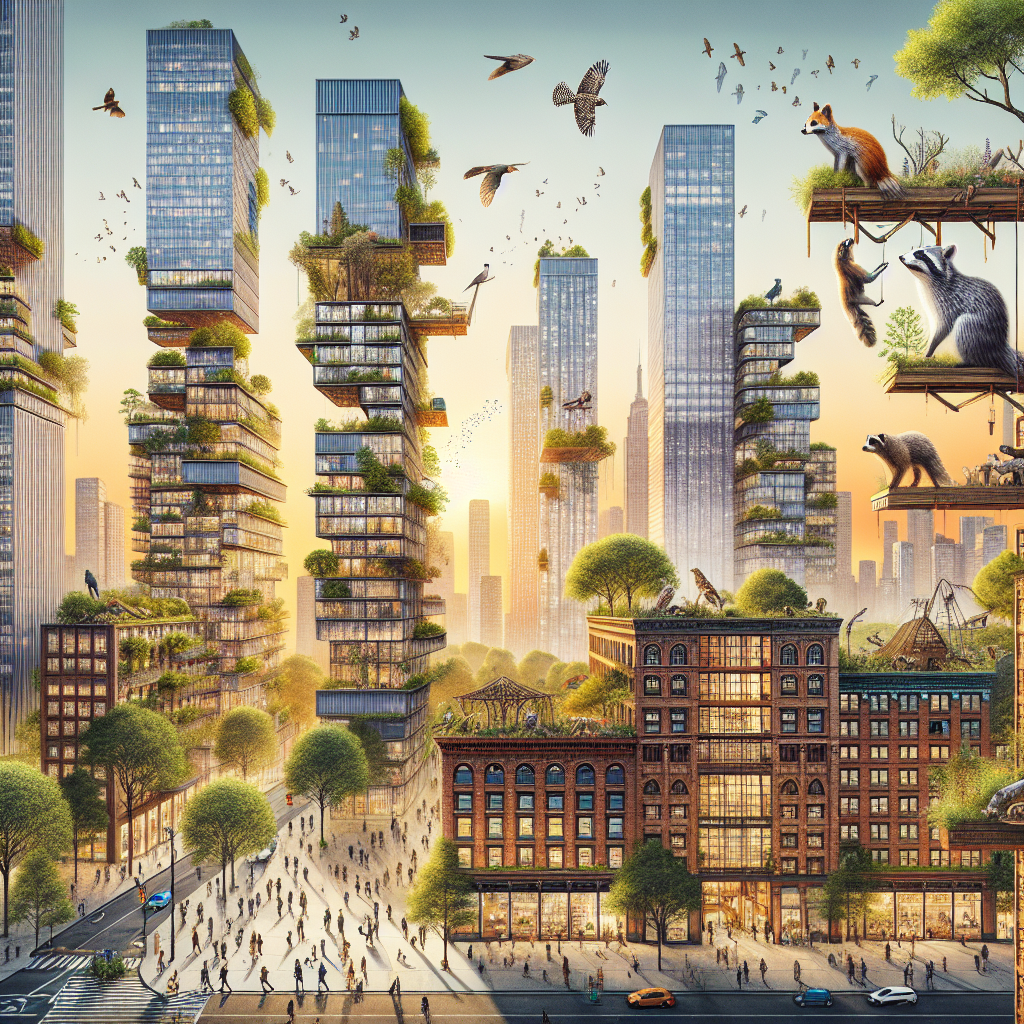
Green spaces are perhaps the most immediately recognizable aspect of urban planning that influences wildlife. Parks, gardens, and green rooftops can serve as essential refuges for local species. These areas offer critical resources such as food, shelter, and breeding grounds, which might not be available in other parts of the city.
The presence of green spaces in urban landscapes has numerous benefits. For one, they help to counteract the heat island effect, cooling the city and making it more hospitable for both wildlife and humans. Moreover, they provide corridors that allow animals to move safely between patches of habitat, mitigating the fragmentation caused by buildings and roads. These green spaces can also serve as educational and recreational areas for the community, fostering a greater appreciation for nature and wildlife.
However, not all green spaces are created equal. The design, accessibility, and maintenance of these areas play critical roles in determining their ecological value. Native plants, water features, and varying vegetation structures can significantly enhance the habitat quality. In contrast, monotonous landscapes with non-native species may offer little benefit to local wildlife. Urban planners need to consider these factors to create green spaces that effectively support biodiversity.
Water Resources and Urban Wildlife
Water bodies within urban areas, such as rivers, lakes, and wetlands, are vital habitats for many species. They provide drinking water, breeding sites, and food sources for a variety of animals. However, urban planning decisions can have significant effects on these water resources and the wildlife that depends on them.
Pollution is a major concern in urban water bodies. Runoff from roads, industrial sites, and residential areas can introduce pollutants such as heavy metals, pesticides, and nutrients that degrade water quality. This can lead to algal blooms, fish kills, and the disruption of aquatic ecosystems. Effective urban planning needs to address these issues through strategies like green infrastructure, which uses natural processes to manage water and reduce pollution.
Another aspect to consider is the modification of natural water courses for flood control or urban development. Channelization, damming, and the creation of artificial lakes can alter the hydrology of an area, affecting the availability and quality of habitats. Preserving natural water features and integrating them into urban designs can provide significant ecological benefits while also enhancing the aesthetic and recreational value of the city.
Pollution and Its Effects
Pollution in its various forms – air, noise, and light – is an inevitable byproduct of urban environments and can have severe impacts on wildlife. Air pollution, marked by elevated levels of particulates, sulfur dioxide, nitrogen oxides, and other pollutants, can impede respiratory functions in animals, just as it does in humans. Long-term exposure can lead to chronic health issues and reduce the population sizes of sensitive species.
Noise pollution is another pervasive problem in cities. Traffic, construction, and industrial activities create constant noise that can interfere with the communication, mating calls, and hunting behaviors of various wildlife species. Birds and amphibians, for instance, rely heavily on sound to navigate their environments, find mates, and avoid predators. Persistent noise pollution can therefore disrupt these crucial life processes and lead to population declines.
Light pollution is often overlooked but is equally detrimental. Artificial lighting alters natural light cycles, confusing nocturnal animals and affecting behaviors such as feeding, migration, and reproduction. For example, many species of insects are attracted to artificial lights, which can lead to exhaustion and death. Birds are also known to be disoriented by city lights, leading to collisions with buildings.
Urban planners can mitigate these impacts through thoughtful design and regulation. Implementing green buffers, sound barriers, and minimizing unnecessary lighting can make urban environments more accommodating to wildlife while also improving human quality of life.
Human-Wildlife Interactions
As urban areas expand, the frequency and intensity of human-wildlife interactions are bound to increase. These interactions can range from benign co-existence to conflict. Feeding animals, either intentionally or unintentionally, can lead to dependency, behavior changes, and increased human-wildlife conflicts. For example, raccoons and other small mammals often scavenge from human garbage, leading to safety concerns and property damage.
On the positive side, human-wildlife interactions can foster awareness and appreciation for nature. Urban wildlife sanctuaries, educational programs, and community involvement in conservation efforts can help bridge the gap between urban dwellers and nature. Such initiatives can promote coexistence and highlight the importance of preserving natural habitats even within urban settings.
Urban planners play a crucial role in managing these interactions. Designing habitats that are less likely to bring wildlife into conflict with humans and promoting policies that encourage responsible behavior towards wildlife are key steps. By fostering a culture of respect and conservation, cities can ensure that wildlife thrives while minimizing negative interactions with humans.
Conclusion
In summary, urban planning has profound and far-reaching impacts on urban wildlife. From the creation and management of green spaces to the mitigation of pollution and the regulation of human-wildlife interactions, every decision shapes the urban environment and its ability to support biodiversity. The challenge for urban planners is to balance human needs with ecological sustainability.
Incorporating wildlife considerations into urban planning not only helps preserve biodiversity but also enhances the quality of life for city residents. Green spaces, clean water, and reduced pollution contribute to healthier, more livable cities. Moreover, fostering positive human-wildlife interactions can promote a deeper connection to nature and a greater appreciation for the natural world.
As urban areas continue to grow, the importance of integrating wildlife conservation into urban planning will only increase. By prioritizing ecological sustainability and working collaboratively with ecologists, conservationists, and the community, urban planners can create cities that are not just sustainable but also vibrant and rich in biodiversity.
The future of urban planning must embrace a holistic approach that recognizes the intertwined fates of human and wildlife populations. Only by working together can we create urban environments that are truly sustainable, offering harmonious living spaces for all species.
Frequently Asked Questions
1. How does urban planning affect urban wildlife?
Urban planning affects urban wildlife in several ways. Firstly, it determines the allocation and usage of land, which can either preserve or destroy natural habitats. Careful planning can ensure that green spaces such as parks and nature reserves are integrated into urban environments, providing essential habitats for a variety of species. Secondly, decisions around infrastructure development, such as roadways and buildings, can result in habitat fragmentation, potentially isolating wildlife populations and limiting their ability to migrate or access resources. Moreover, urban planning decisions influence the types of plants that are used in landscaping, which can either support or hinder local ecosystems. For example, native plant species can provide food and shelter for local wildlife, whereas non-native species might not be as beneficial and can even become invasive, disrupting existing ecological balances.
2. What are some benefits of incorporating urban wildlife considerations into urban planning?
Incorporating urban wildlife considerations into urban planning can yield numerous benefits. It enhances biodiversity, allowing a wider range of animal and plant species to thrive in urban areas. This richness in biodiversity contributes to ecosystem resilience, making natural systems more robust and able to recover from stresses such as climate change or disease. It also enhances the quality of life for urban residents by providing opportunities for interaction with nature, which can improve mental health and well-being. Furthermore, urban wildlife can contribute to ecosystem services such as pollination, seed dispersal, and pest control, benefiting urban agriculture and gardening initiatives. Green areas designed to support wildlife can also aid in air quality improvement and urban cooling, mitigating heat island effects and contributing to climate resilience.
3. What challenges does urban planning face in trying to support urban wildlife?
While the intention to support urban wildlife in planning is beneficial, it faces several challenges. A primary challenge is balancing the need for human infrastructure with the preservation of natural habitats. Rapid population growth often demands more housing, transportation, and amenities, which puts pressure on available land. There is also the issue of economic considerations, where financial constraints might limit the extent to which wildlife habitat needs are prioritized within urban development projects. Another challenge is the lack of awareness or value placed on the benefits of urban wildlife by policymakers and the public, leading to insufficient planning measures. Coordination between multiple stakeholders, including city planners, conservationists, and the community, can also be complex and sometimes contentious, making it difficult to implement cohesive strategies that effectively consider the needs of urban wildlife.
4. How can urban planners create wildlife-friendly cities?
Urban planners can create wildlife-friendly cities by adopting several strategies. A key strategy is the creation and maintenance of green corridors that connect fragmented habitats and allow animals to move safely within urban environments. It’s essential that planners ensure these corridors are composed of native vegetation, which local wildlife species rely on. Moreover, establishing urban greening initiatives like rooftop gardens, vertical gardens, and wildlife-friendly balconies can provide additional habitats and enhance existing urban biodiversity. Urban planners can also utilize wildlife-sensitive lighting to reduce light pollution, which can disorient nocturnal species, and implement noise reduction strategies to minimize disturbances to wildlife. Engaging with ecologists and wildlife experts during the planning process is crucial to ensure that development initiatives are informed by sound environmental science. Public education and community involvement in wildlife-friendly practices can further enhance these efforts, fostering a culture of conservation within urban environments.
5. Are there examples of cities that have successfully integrated wildlife-supportive urban planning?
Yes, there are several cities around the world that have successfully integrated wildlife-supportive urban planning. The city of Singapore is often cited as an exemplary model, having transformed itself into a “City in a Garden.” Singapore has implemented an extensive network of parks, gardens, and nature reserves that support diverse ecosystems. Vertical greening and wildlife-friendly buildings are prevalent, showing how urban areas can coexist with natural spaces. Another example is the city of Portland, Oregon, which has made significant efforts to protect its urban waterways and wetlands, creating corridors and enhancing biodiversity in its urban landscapes. Vancouver in Canada is also known for its commitment to green urban development, supporting extensive urban forests and implementing initiatives like bee-friendly green roofs. These examples illustrate that with intentional planning and community involvement, cities can become sanctuaries for both people and wildlife.


