

Urban planning and transit-oriented development (TOD) have been pivotal in shaping modern cities, offering a blueprint for efficient, sustainable, and livable urban environments. As cities around the globe continue to grow, the adoption of TOD in urban planning policies has become increasingly essential.
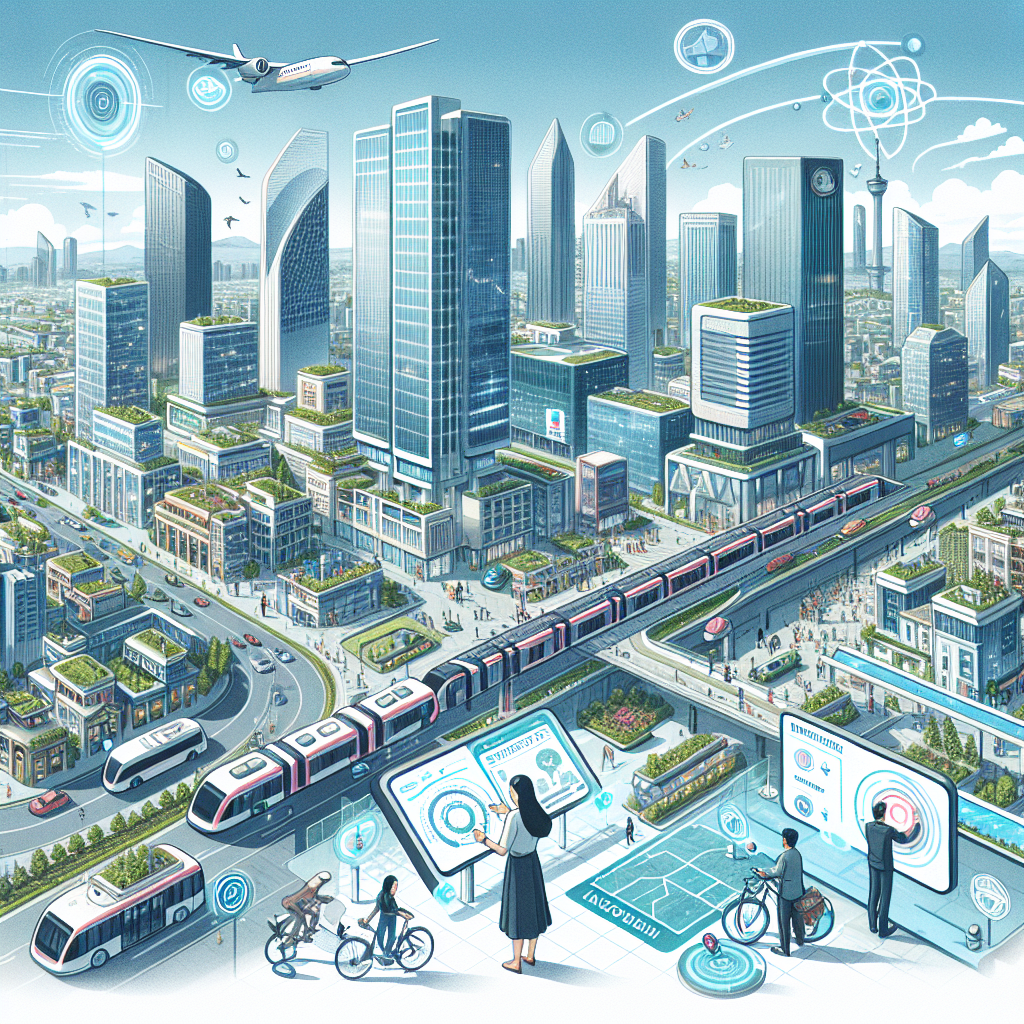
TOD is an urban planning and design strategy that promotes high-density, mixed-use neighborhoods centered around accessible and reliable public transit systems. It aims to create walkable communities, reduce reliance on automobiles, decrease traffic congestion, and minimize environmental impacts. At its core, TOD integrates land use and transportation planning to create seamless and efficient transit systems that support vibrant and sustainable communities.
Prioritizing public transit accessibility, TOD encourages the development of residential, commercial, and recreational spaces within close proximity to transit stations. This approach fosters greater mobility, enhanced economic opportunities, and higher quality of life for residents.
The significance of integrating land use and transportation through TOD cannot be overstated. It directly addresses challenges such as urban sprawl, traffic congestion, and environmental degradation. Furthermore, TOD contributes to social equity by providing affordable housing options and easy access to public amenities. In this article, we will delve deeper into the principles of TOD, examine successful case studies, and explore the benefits and challenges associated with implementing TOD in urban planning.
Principles of Transit-Oriented Development
Transit-oriented development is guided by a set of core principles that prioritize sustainable urban growth and the creation of vibrant communities. Understanding these principles is essential for urban planners, policymakers, and stakeholders involved in the design and implementation of TOD projects.
- Proximity to Public Transit: Convenience and accessibility to public transit are at the heart of TOD. Developments are strategically located within walking distance (typically ¼ to ½ mile) of transit stations, ensuring residents have easy access to reliable transportation options.
- High-Density, Mixed-Use Development: TOD promotes high-density development to maximize land use and support transit infrastructure. Mixed-use developments integrate residential, commercial, and recreational spaces, creating dynamic and multifunctional urban environments.
- Pedestrian and Bike-Friendly Environments: Emphasizing walkability and bikeability, TOD designs prioritize safe and enjoyable routes for pedestrians and cyclists. Sidewalks, bike lanes, and green spaces are integral components, enhancing the overall livability of the community.
- Reduced Car Dependence: By improving access to public transit and creating walkable communities, TOD aims to reduce the need for personal vehicles. This helps decrease traffic congestion, lower greenhouse gas emissions, and promote healthier lifestyles.
- Sustainable Infrastructure and Design: Environmental sustainability is a cornerstone of TOD. Eco-friendly building practices, green spaces, and energy-efficient transport solutions are implemented to minimize the environmental footprint of urban developments.
Successful Case Studies of TOD
To better understand the impact of transit-oriented development, it is helpful to examine successful case studies from various parts of the world. These examples demonstrate the potential benefits and effectiveness of TOD when applied correctly.
- Portland, Oregon, USA: Renowned for its comprehensive TOD strategies, Portland has integrated land use and transportation planning through its light rail system, the MAX. High-density developments along transit corridors have fostered a vibrant downtown area, walkable neighborhoods, and a significant reduction in car dependence.
- Hong Kong, China: Hong Kong’s Mass Transit Railway (MTR) system is a prime example of TOD. The city boasts high-density, mixed-use developments directly connected to transit stations. This integration has enhanced mobility, boosted economic growth, and enabled efficient land use in one of the world’s most densely populated cities.
- Copenhagen, Denmark: The Finger Plan in Copenhagen is a well-known TOD framework that aligns urban development along five “fingers” extending from the city center. Each finger is centered around rail lines, promoting sustainable growth, reduced traffic congestion, and improved accessibility to public transit.
- Arlington, Virginia, USA: The Rosslyn-Ballston Corridor in Arlington is a successful example of TOD in a suburban setting. High-density development around five Metro stations has transformed the area into a thriving, walkable urban corridor, increasing transit ridership and reducing car use.
Benefits of Transit-Oriented Development
The implementation of transit-oriented development offers a myriad of benefits that extend beyond urban planning, impacting various aspects of society, economy, and the environment.
- Enhanced Mobility and Accessibility: TOD facilitates convenient access to public transit, reducing travel times and enhancing mobility for residents. Efficient transit systems enable people to access job opportunities, education, healthcare, and other essential services.
- Economic Growth and Development: By encouraging mixed-use development, TOD stimulates local economies through increased business opportunities, higher property values, and job creation. Vibrant, transit-accessible neighborhoods attract investors and foster economic resilience.
- Environmental Sustainability: TOD plays a crucial role in promoting sustainable urban growth. Reduced car dependence leads to lower greenhouse gas emissions, decreased air pollution, and minimized urban sprawl. Additionally, sustainable building practices and green spaces further contribute to environmental stewardship.
- Social Equity and Inclusion: Affordable housing options near transit stations ensure that people from diverse socioeconomic backgrounds have access to reliable transportation and essential amenities. TOD supports inclusive urban development by addressing the needs of underserved communities.
- Improved Quality of Life: TOD creates walkable, vibrant neighborhoods that enhance the overall quality of life for residents. Access to green spaces, cultural amenities, and diverse recreational opportunities contribute to healthier and happier communities.
Challenges in Implementing TOD
Despite the numerous benefits of transit-oriented development, implementing TOD projects can pose several challenges. Addressing these challenges requires collaborative efforts from urban planners, policymakers, developers, and communities.
- High Initial Costs: The development of high-density, mixed-use projects and transit infrastructure often involves significant upfront costs. Securing funding and investments for TOD projects can be challenging, particularly in regions with limited financial resources.
- Zoning and Regulatory Barriers: Existing zoning laws and regulations may not always align with TOD principles, hindering project implementation. Policymakers must work to update and adapt zoning codes, land use policies, and building standards to facilitate TOD.
- Community Opposition: While TOD offers many benefits, not all community members may be supportive of high-density developments or changes to their neighborhoods. Engaging with the community, addressing concerns, and fostering open communication are crucial to gaining public support.
- Coordination Between Agencies: Effective TOD implementation requires coordination among various government agencies, transit authorities, developers, and stakeholders. Ensuring seamless collaboration and alignment of goals can be complex but is essential for successful outcomes.
- Balancing Density with Livability: High-density developments must be carefully designed to balance population growth with the quality of life. Ensuring sufficient green spaces, public amenities, and infrastructure is vital to maintaining livable and attractive communities.
Strategies for Successful TOD Implementation
Overcoming the challenges of transit-oriented development requires strategic planning, innovative design, and collaborative efforts. The following strategies can support the successful implementation of TOD projects.
- Public-Private Partnerships: Leveraging partnerships between public agencies and private developers can help secure funding, streamline project execution, and share risks. Collaborations enable innovative financing solutions and shared expertise.
- Community Engagement: Actively involving community members in the planning process is vital for gaining support and addressing concerns. Public workshops, forums, and participatory design approaches foster transparency and inclusivity.
- Policy Reforms: Policymakers must work to update zoning codes, land use regulations, and building standards to support TOD initiatives. Incentives such as density bonuses, tax credits, and expedited permitting can encourage development.
- Integrated Planning: Coordinating land use planning with transportation infrastructure is essential for seamless TOD implementation. Integrated plans ensure that transit stations are strategically located and connected to high-density developments.
- Sustainable Design: Emphasizing eco-friendly building practices, energy-efficient transport solutions, and green spaces enhances the sustainability of TOD projects.
Conclusion
Transit-oriented development represents a forward-thinking approach to urban planning that enhances mobility, supports economic growth, and promotes environmental stewardship. Embracing TOD will be critical in creating smarter, greener, and more equitable urban landscapes for future generations.
While implementing TOD involves navigating significant challenges, strategic planning, inclusive community engagement, and supportive policy reforms offer pathways to success. Public-private partnerships and innovative design solutions play pivotal roles in realizing the benefits of TOD, paving the way for resilient and thriving urban environments.
As cities continue to evolve, embracing transit-oriented development will be critical in creating smarter, greener, and more equitable urban landscapes. Policymakers, urban planners, developers, and communities must work collaboratively to harness the full potential of TOD, ensuring that our cities are prepared to meet the demands of the future while preserving the quality of life for all residents.
Frequently Asked Questions
1. What is Transit-Oriented Development (TOD) in urban planning?
Transit-Oriented Development (TOD) is an innovative urban planning and design strategy aimed at creating high-density, mixed-use neighborhoods that are centered around accessible and efficient public transit systems. It involves integrating land use with transport to foster environments where residents can live, work, and play without relying heavily on cars. The essence of TOD is to create vibrant, walkable communities with a range of housing options, shops, offices, and amenities all within a short distance from transit hubs. This approach not only enhances the quality of life by reducing congestion and pollution but also makes cities more sustainable by promoting greener ways of living.
2. Why has the adoption of TOD become essential in modern cities?
The rapid population growth and urbanization across the globe have led to numerous challenges, including traffic congestion, pollution, and inefficient land use. The adoption of TOD has emerged as a crucial solution to these urban woes. Cities that integrate TOD into their planning strategies can create communities that are more inclusive and sustainable. Prioritizing public transit reduces dependence on personal vehicles, which in turn decreases traffic and emissions. By focusing on high-density, mixed-use developments around transit systems, TOD aids in preserving open spaces and promoting healthier lifestyles without compromising urban efficiency or growth.
3. How does TOD impact the environment and sustainability?
Transit-Oriented Development is inherently designed to benefit the environment and enhance sustainability. By encouraging the use of public transit over private vehicles, TOD significantly reduces greenhouse gas emissions and lowers the carbon footprint of urban areas. Moreover, with increased density and mixed land uses, these developments can halt urban sprawl, preserving rural and natural habitats. TOD also often incorporates green building practices, energy-efficient technologies, and infrastructure that supports alternative transport modes such as cycling and walking. This comprehensive sustainability approach not only conserves resources but also ensures that urban growth occurs within the planet’s ecological limits.
4. What are the economic benefits of implementing TOD in cities?
The economic advantages of Transit-Oriented Development can be profound and multi-faceted. Firstly, TOD can boost local economies by increasing the value of real estate and attracting businesses and retailers eager to tap into concentrated foot traffic near transit hubs. Properties within TOD areas typically command higher prices due to their convenient access to transport and amenities. Additionally, TOD can lead to job creation both during the construction phase and as businesses move into developing urban centers. By reducing infrastructure costs through compact development, cities can allocate resources more efficiently, ultimately enhancing their overall economic resilience and growth potential.
5. How does TOD enhance community livability and social equity?
At its core, TOD is about creating livable, equitable communities that offer residents access to essentials like housing, jobs, and services without requiring lengthy commutes. By designing neighborhoods that promote walking and public transit use, TOD fosters community interaction, enhancing social bonds and reducing isolation. The mix of residential, commercial, and cultural venues ensures a lively and diverse environment. Importantly, TOD addresses social equity by providing affordable housing options and improving access to public transit, which can be transformative for low-income households. This accessibility helps bridge the gap between different socioeconomic groups, promoting more inclusive urban environments where everyone can thrive.


