

Urban planning and environmental sustainability are two inseparable aspects of modern urban development. As the world’s population grows and migration to urban areas increases, responsible urban planning is critical to ensure cities remain livable, resilient, and sustainable. Effective urban planning can significantly reduce environmental impacts, enhance resource efficiency, and improve the quality of life for residents.
Traditional urban development has often been associated with a wide range of environmental issues, including air and water pollution, deforestation, and the excessive consumption of natural resources. As these challenges become more prominent, urban planners are increasingly tasked with incorporating environmental considerations into their strategies. This includes managing land use, promoting sustainable transportation options, and integrating green spaces within urban areas.
In this article, we will explore the intersection of urban planning and environmental sustainability, examining the current best practices, innovative approaches, and future opportunities for creating sustainable urban spaces. By understanding the principles and benefits of sustainable urban planning, stakeholders from various sectors can collaborate to develop resilient and environmentally-friendly urban landscapes. Let’s dive into the vital aspects of this important issue, starting with the principles of sustainable urban planning.
Principles of Sustainable Urban Planning
Sustainable urban planning is guided by several key principles that aim to create environmentally responsible and resilient urban spaces. These principles include:
- Land Use Efficiency: Prioritizing the efficient use of land through mixed-use developments and higher density to prevent urban sprawl and preserve natural habitats.
- Sustainable Transportation: Promoting public transportation, cycling, and walking to reduce reliance on cars, thus lowering greenhouse gas emissions and improving air quality.
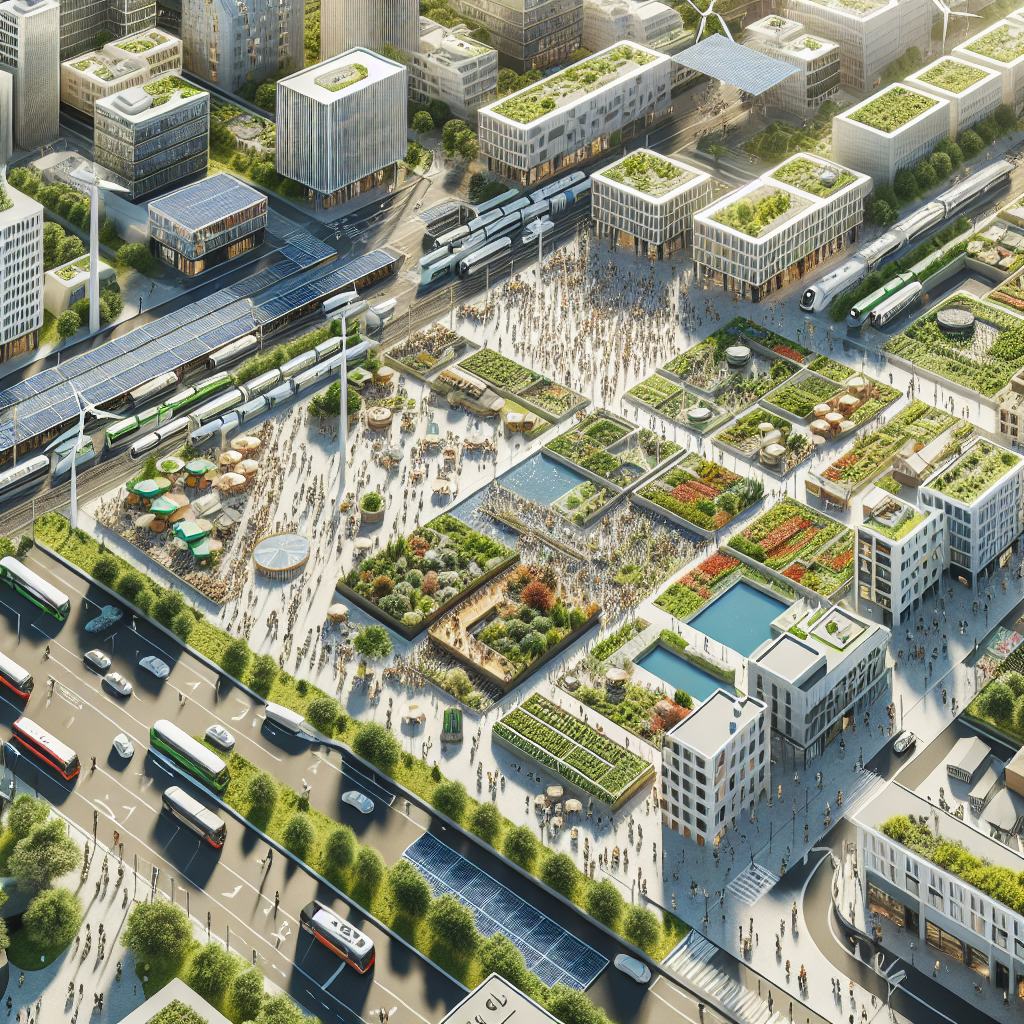
- Green Infrastructure: Incorporating parks, green roofs, and urban forests to enhance biodiversity, reduce urban heat islands, and manage stormwater.
- Resource Management: Encouraging the efficient use of resources through recycling, waste reduction, and sustainable construction practices.
- Community Engagement: Involving residents in the planning process to ensure that developments meet their needs and promote social equity.
By adhering to these principles, urban planners can create environments that not only support the growth and development of urban areas but also minimize their environmental impact, fostering a healthier and more sustainable future for all.
Innovative Approaches in Urban Planning
As urban areas continue to expand, new and innovative approaches are emerging to address the challenges of sustainability. Some of these approaches include:
- Smart Cities: Leveraging technology and data to optimize urban systems, enhance efficiency, and provide real-time solutions for energy management, transportation, and infrastructure maintenance.
- Green Building Certifications: Implementing standards such as LEED (Leadership in Energy and Environmental Design) to ensure buildings are designed and constructed with sustainability in mind, resulting in reduced energy and water consumption.
- Eco-Districts: Developing neighborhoods that incorporate sustainable design principles, prioritize renewable energy, and promote low-impact lifestyles.
- Transit-Oriented Development (TOD): Creating dense, mixed-use communities centered around public transport hubs to reduce car dependency and promote sustainable transportation options.
- Resilience Planning: Ensuring that urban areas are prepared for and can adapt to the impacts of climate change, natural disasters, and other environmental stressors through robust planning and infrastructure investment.
These innovative approaches demonstrate the potential for urban planning to contribute to environmental sustainability effectively. By integrating these methods into planning processes, cities can become more resilient, efficient, and livable for their residents.
Case Studies of Successful Urban Planning
Around the world, several cities have successfully integrated sustainable practices into their urban planning efforts. Here are a few notable examples:
- Copenhagen, Denmark: Known for its extensive cycling infrastructure and commitment to becoming carbon neutral by 2025, Copenhagen has implemented numerous green initiatives, including renewable energy projects and sustainable urban design.
- Singapore: This city-state has embraced green building standards, created lush urban green spaces, and invested in advanced water management systems to address its environmental challenges.
- Curitiba, Brazil: Renowned for its innovative public transportation system, Curitiba has prioritized sustainable urban development, resulting in reduced traffic congestion and improved air quality.
- Freiburg, Germany: A pioneer in sustainable urban planning, Freiburg has focused on renewable energy, eco-friendly transportation, and community engagement to create a model green city.
- Vancouver, Canada: With a goal of becoming the greenest city in the world, Vancouver has implemented sustainable land use policies, invested in public transportation, and promoted renewable energy usage.
These case studies illustrate the diversity of approaches that cities can take to achieve sustainability goals. By learning from these examples, other urban areas can adopt and adapt successful strategies to fit their unique contexts and needs.
Challenges and Barriers to Sustainable Urban Planning
Despite the many benefits of sustainable urban planning, several challenges and barriers can hinder its implementation:
- Financial Constraints: Implementing sustainable practices often requires significant upfront investment, which can be challenging for cities with limited budgets.
- Political and Institutional Resistance: Sustainable urban planning can face opposition from stakeholders who prioritize short-term economic gains or resist changes to existing systems.
- Technical and Logistical Challenges: Developing and implementing innovative solutions requires technical expertise and can present logistical challenges, particularly in older urban areas.
- Cultural and Social Factors: Public attitudes toward sustainability and resistance to change can impede the adoption of sustainable practices.
- Lack of Data and Research: Inadequate data and research on the long-term benefits of sustainable planning can make it difficult to justify investments and garner support from stakeholders.
Addressing these challenges requires a combination of strong leadership, collaborative efforts, and a commitment to long-term planning and investment. By overcoming these barriers, cities can effectively pursue sustainability goals and create healthier, more resilient urban environments.
Future Opportunities for Sustainable Urban Planning
As technology continues to advance and the urgency of environmental issues becomes more apparent, new opportunities for sustainable urban planning are emerging. Some of these opportunities include:
- Advances in Renewable Energy: Continued development of renewable energy sources, such as solar and wind power, can further reduce the environmental impact of urban areas.
- Integration of AI and Big Data: Utilizing artificial intelligence and big data can help optimize urban planning processes, enabling more accurate predictions and efficient resource management.
- Emergence of Circular Economy Models: Promoting the reuse and recycling of materials within urban areas can reduce waste and create more sustainable economic systems.
- Innovative Building Materials: Advances in building materials, such as carbon-neutral concrete and sustainable timber, can further reduce the environmental impact of construction.
- Community-Led Initiatives: Empowering local communities to take an active role in urban planning can ensure that sustainability efforts are tailored to the needs and priorities of residents.
Embracing these opportunities can help cities continue to innovate and evolve their urban planning strategies, paving the way for a more sustainable and resilient future.
Conclusion
Urban planning and environmental sustainability are essential components of modern urban development. By incorporating sustainable practices into urban planning, cities can address the environmental challenges posed by population growth and urbanization, while also enhancing the quality of life for residents.
The principles of sustainable urban planning, innovative approaches, successful case studies, and future opportunities all contribute to a comprehensive understanding of how cities can become more resilient and environmentally responsible. Despite the challenges and barriers, the potential benefits of sustainable urban planning make it a crucial endeavor for governments, planners, and communities worldwide.
As we move forward, collaboration and a commitment to sustainability will be key to creating urban spaces that are not only vibrant and dynamic but also capable of withstanding the environmental pressures of the future. By learning from successful examples and embracing new technologies and methodologies, cities can ensure that their development is both sustainable and inclusive, ultimately leading to healthier, happier, and more resilient communities.
Frequently Asked Questions
1. What is the role of urban planning in promoting environmental sustainability?
Urban planning plays a pivotal role in promoting environmental sustainability by strategically designing cities to reduce their environmental impact and enhance the quality of life for their residents. It involves the integration of spatial, fiscal, and socio-economic planning to ensure the responsible expansion and development of urban areas. By incorporating sustainable practices such as green infrastructure, efficient public transportation systems, and the encouragement of mixed-use developments, urban planning seeks to minimize energy consumption, reduce waste, and lower greenhouse gas emissions. Moreover, it emphasizes the importance of preserving natural resources and green spaces in urban settings to foster biodiversity and provide residents with access to recreational areas. By utilizing cutting-edge technologies, data analytics, and community engagement, urban planners can create adaptable and resilient cities that align with long-term sustainability goals.
2. How can urban areas manage population growth while maintaining sustainability?
Managing population growth in urban areas while maintaining sustainability is a multifaceted challenge requiring an integrated approach. One key strategy is the development of high-density, mixed-use neighborhoods that optimize land use and reduce dependency on vehicles by combining residential, commercial, and recreational spaces. This approach can alleviate urban sprawl and promote more efficient energy use. Additionally, investment in public transit infrastructure is crucial to provide reliable and sustainable transportation options that decrease reliance on cars, which in turn reduces congestion and emissions. Urban planners also focus on the sustainable management of resources such as water and energy through smart grid technologies and the promotion of renewable energy sources. By encouraging sustainable building practices and retrofitting existing structures with green technologies, cities can further accommodate growth while reducing their environmental footprint. Moreover, involving local communities in the planning process ensures that development aligns with the values and needs of residents, fostering stronger community ties and collective stewardship towards sustainability.
3. What are the environmental benefits of green spaces in urban planning?
Green spaces in urban planning offer numerous environmental benefits that are crucial for sustainable city development. They improve air quality by acting as natural air filters, absorbing pollutants, and providing oxygen through photosynthesis. Furthermore, green spaces help regulate urban temperatures through the process of evapotranspiration, reducing the urban heat island effect and creating cooler environments, especially during summer. These areas also contribute to biodiversity by providing habitats for wildlife, supporting ecological networks, and creating corridors that enable species to thrive even in densely populated regions. The presence of parks and vegetation can improve water management systems by facilitating natural drainage, reducing the risk of flooding, and improving water quality by filtering runoff through soil and plant roots. Beyond environmental benefits, green spaces greatly enhance residents’ well-being by providing spaces for recreation, relaxation, and social interaction, which contribute to improved physical and mental health outcomes.
4. How does urban planning address the challenges of climate change?
Urban planning addresses the challenges of climate change through various strategies aimed at mitigation and adaptation. By designing resilient infrastructure that can withstand severe weather events, urban planners can reduce the risk of damage and protect communities. This includes using materials and engineering techniques that enhance the durability of buildings and transportation networks. Urban planning also focuses on enhancing energy efficiency and encouraging the use of renewable energy sources, which helps cities reduce their carbon footprint. Through the implementation of zoning laws and building codes that prioritize sustainability, cities can promote climate-friendly practices such as green roofs, solar panels, and efficient water usage. Moreover, creating policies that incentivize the restoration of natural ecosystems can facilitate carbon sequestration and enhance urban resilience. Community engagement is a vital component, as it empowers citizens to adapt their lifestyles and support collective efforts towards climate change mitigation and adaptation. By fostering innovation and embracing technology, urban planning continues to evolve and address the growing impacts of climate change effectively.
5. What strategies can be implemented in existing urban areas to improve sustainability?
Improving sustainability in existing urban areas often requires retrofitting and revitalizing infrastructure to meet modern sustainability standards. One effective strategy is enhancing public transportation options, which can reduce commuters’ reliance on private vehicles and decrease overall emissions. Implementing bike lanes and pedestrian-friendly pathways also encourages alternative modes of transportation. Cities can invest in energy efficiency retrofits for buildings, such as better insulation, advanced heating/cooling systems, and smart energy management technologies, to reduce energy consumption. Water conservation is another critical strategy, which can be achieved by upgrading municipal water systems to reduce leaks, promoting water-efficient appliances, and implementing rainwater harvesting systems. Additionally, urban planners can enhance recycling and waste management programs by introducing comprehensive waste reduction policies and incentivizing community participation. Encouraging the development of community gardens and urban agriculture can increase local food production and foster a sense of community. By involving citizens in sustainability initiatives and fostering partnerships between governments, businesses, and non-profit organizations, cities can effectively transform existing urban areas into more sustainable and vibrant communities.


