
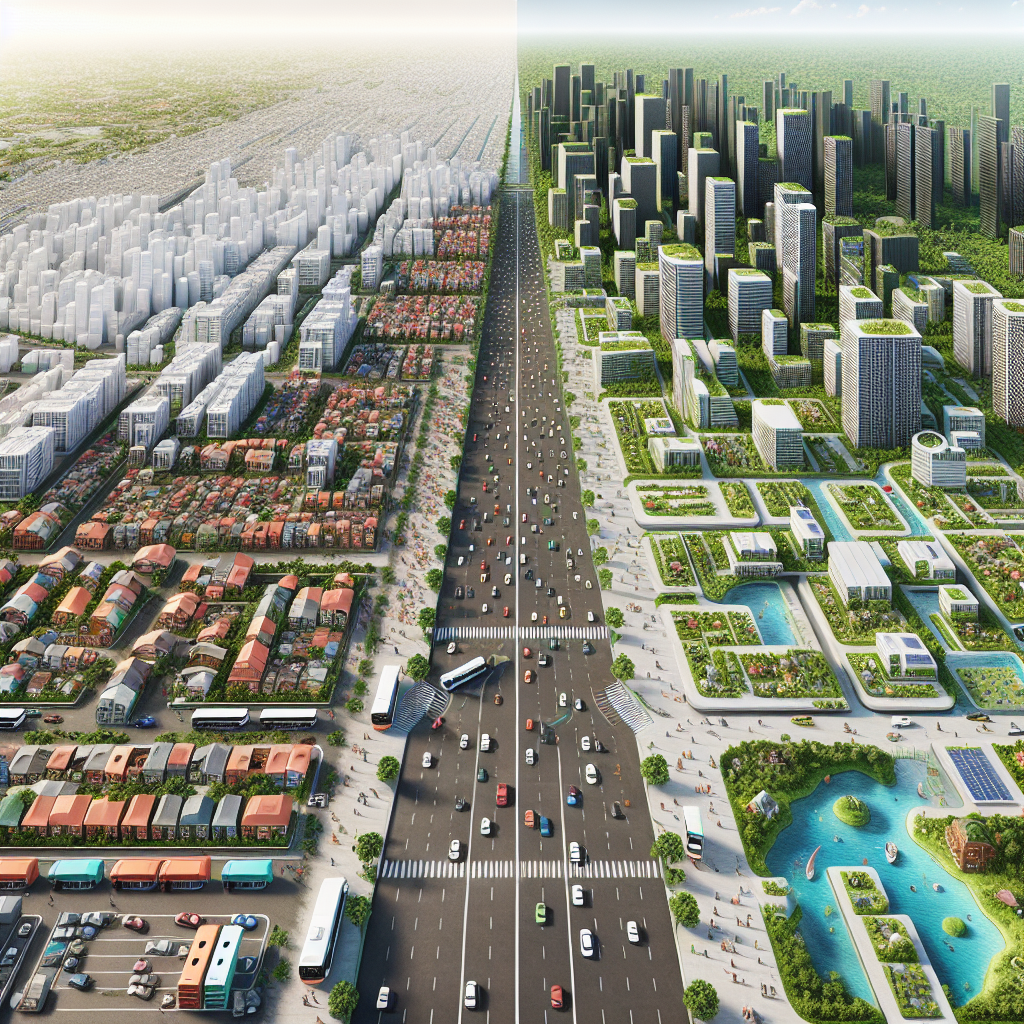
Urban planning and policy have long been topics of immense interest and deliberation. As our cities continue to grow, understanding how urban planning influences urban sprawl becomes increasingly critical. Urban sprawl is characterized by the uncontrolled expansion of urban areas into the surrounding rural land, leading to a host of social, environmental, and economic issues. This article delves into the impact of urban planning on urban sprawl, highlighting the mechanisms through which well-thought-out policies can either curb or contribute to this phenomenon.
Introduction
Urban planning is a multifaceted discipline aimed at optimizing the use of urban space to enhance the quality of life for residents. The mechanisms of urban planning involve diverse strategies such as zoning, land use regulation, and the development of transportation networks. Each of these strategies plays a significant role in shaping the growth and expansion of urban areas.
Urban sprawl, on the other hand, refers to the spread of city population into areas beyond the central urban area, often characterized by low-density, automobile-dependent development. This phenomenon has become a core issue in urban studies, primarily due to its numerous negative implications including increased traffic congestion, environmental pollution, loss of wildlife habitats, and a decline in community cohesion.
This article explores how urban planning fits into the equation of urban sprawl. It assesses historical trends, policy decisions, and modern practices that either mitigate or exacerbate urban sprawl. By doing so, it aims to provide a comprehensive understanding of how effective urban planning can serve as a pivotal tool in curbing the adverse effects of unchecked urban expansion.
Historical Context
To fully appreciate the current challenges associated with urban sprawl, it is essential to understand its historical context. The rise of suburbanization post World War II, especially in the United States, laid the groundwork for modern urban sprawl. Soldiers returning from war sought peace and quiet away from bustling city centers, facilitated by government policies such as the G.I. Bill, which made home loans more accessible.
The advent of the automobile industry also played a crucial role in promoting suburban living. Cars enabled people to live farther from their places of work, thus encouraging the development of residential areas on the outskirts of cities. The expansion of highway systems made commuting from these suburban areas to urban centers more feasible, further driving sprawl.
However, these developments often occurred with little regard for long-term sustainability. Policies were mainly reactive rather than proactive, aimed at facilitating immediate post-war housing demands rather than considering the future implications of such rapid suburbanization. This era laid the foundational issues that many cities grapple with today: increased traffic congestion, environmental degradation, and social inequities.
Modern Urban Planning Policies
In response to the challenges posed by urban sprawl, modern urban planning has evolved with a more holistic approach. Planners now take into consideration a variety of factors, ranging from environmental sustainability to social equity. One of the most significant transformations in urban planning is the shift from automobile-centric models to those prioritizing public transport, cycling, and walking.
Modern urban planning policies aim to create more inclusive and comprehensive zoning laws that can accommodate diverse community needs. Mixed-use developments are now favored over isolated residential zones, allowing people to live, work, and play within the same area. This reduces the need for long-distance commuting and fosters a sense of community.
Transit-oriented development (TOD) is another key strategy employed in modern urban planning. TOD involves designing communities around public transportation hubs to minimize reliance on personal vehicles. This approach aims to create more sustainable urban environments by reducing traffic congestion, lowering carbon emissions, and providing residents with easier access to amenities.
Furthermore, the advent of technology in urban planning, such as Geographic Information Systems (GIS) and big data analytics, has enabled planners to make more informed decisions. By examining patterns and trends in urban development, planners can proactively create strategies that mitigate sprawl and promote sustainable growth.
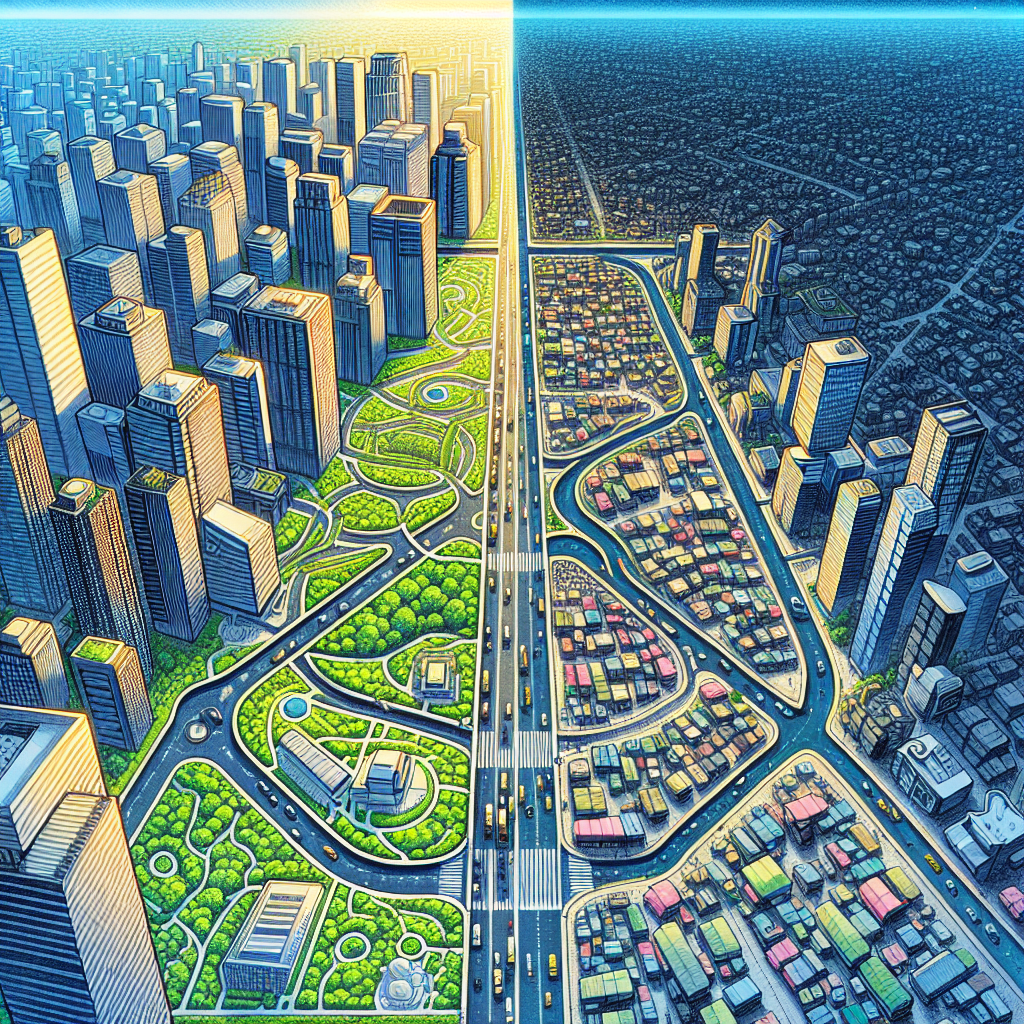
Environmental Impact
One of the most immediate and concerning impacts of urban sprawl is its effect on the environment. The spread of urban areas often leads to the destruction of natural habitats, resulting in a loss of biodiversity. Wetlands, forests, and farmlands are frequently converted into residential or commercial spaces, depriving wildlife of their natural habitats.
Moreover, urban sprawl contributes significantly to increased pollution levels. As people move further from city centers, their reliance on automobiles increases, leading to higher emissions of greenhouse gases. This not only deteriorates air quality but also contributes to global climate change.
Water resources are also adversely affected by urban sprawl. Impervious surfaces like roads and parking lots prevent rainwater from naturally seeping into the ground, leading to increased stormwater runoff. This runoff often carries pollutants, which can contaminate local water bodies and disrupt aquatic ecosystems.
To mitigate these environmental impacts, urban planners are now focusing on “smart growth” principles. These include the preservation of open spaces, the promotion of green building practices, and the incorporation of green infrastructure such as parks and green roofs in urban designs. By doing so, the aim is to curb urban sprawl while enhancing the sustainability and livability of urban environments.
Social and Economic Effects
The social and economic effects of urban sprawl are as significant as the environmental ones. One of the primary social impacts is the erosion of community cohesion. In sprawling suburban areas, residential zones are often isolated from commercial and recreational facilities, making it challenging for residents to interact and build strong community ties.
Economically, urban sprawl can drain public funds. Sprawling developments require extensive infrastructure such as roads, sewage systems, and public services spread out over larger areas. This makes it more expensive to provide these services compared to more compact, city-centered developments. Moreover, the dependence on personal vehicles in sprawling areas can strain household budgets. The costs associated with fuel, vehicle maintenance, and long commuting times can place a significant financial burden on families, reducing their overall quality of life.
On a broader scale, urban sprawl can also impact local economies by diminishing the vibrancy of city centers. As businesses and residents move to the outskirts, urban cores may experience decline and disinvestment. Revitalizing these areas often requires substantial economic resources, further complicating the financial landscape.
Recognizing these challenges, urban planners are increasingly adopting strategies aimed at promoting social equity and economic sustainability. These include creating affordable housing options in urban centers, ensuring equitable access to public services, and fostering economic development within city cores. By addressing the socio-economic dimensions of urban sprawl, these strategies aim to build more resilient and inclusive urban communities.
Innovative Urban Planning Solutions
Addressing urban sprawl requires innovative solutions that go beyond traditional planning practices. One such promising approach is the concept of “new urbanism.” This urban design movement emphasizes walkable neighborhoods, mixed-use development, and sustainable community design. By focusing on human-scale development, new urbanism aims to create vibrant communities where people can live, work, and play within close proximity.
Another innovative solution is the implementation of “smart city” technologies. These technologies leverage the power of data and connectivity to enhance urban living. Examples include smart traffic management systems that optimize traffic flow, reducing congestion and emissions; smart grids that improve energy efficiency; and Internet of Things (IoT) devices that enhance public safety and resource management.
Furthermore, urban infill development is gaining traction as a strategy to combat urban sprawl. This approach focuses on developing vacant or underutilized land within existing urban areas rather than expanding into rural land. Infill development not only optimizes land use but also revitalizes urban cores, making them more attractive for investment and habitation.
Public participation in urban planning is also crucial for devising innovative solutions to urban sprawl. Engaging communities in the planning process ensures that the resulting policies and developments reflect their needs and preferences. Participatory planning fosters a sense of ownership among residents, increasing the likelihood of successful implementation and long-term sustainability.
Global Perspective on Urban Planning and Urban Sprawl
The challenges and solutions related to urban sprawl are not confined to any one country; they are global in nature. Different regions of the world face unique challenges but also offer unique solutions. For instance, European cities often emphasize public transportation and cycling, significantly reducing automobile dependence and associated sprawl.
Asian cities, dealing with high population densities, have adopted vertical living and mixed-use developments as part of their urban planning strategies. These approaches effectively mitigate sprawl by maximizing the use of limited urban space.
In contrast, many African cities are currently in the midst of urbanization. Learning from the experiences of Western countries, these cities have the opportunity to adopt sustainable practices early in their development. International collaborations and knowledge exchange are pivotal in this regard, enabling cities worldwide to implement best practices that curb urban sprawl.
Additionally, global institutions such as the United Nations and the World Bank play a valuable role in promoting sustainable urban development. Through initiatives like the Sustainable Development Goals (SDGs), these organizations provide frameworks and resources for cities to pursue inclusive and sustainable growth.
Conclusion
The impact of urban planning on urban sprawl is multifaceted and profound. Effective urban planning can serve as a powerful tool to combat the negative implications of urban sprawl, including environmental degradation, social inequities, and economic inefficiencies. By adopting comprehensive and innovative approaches, urban planners can create sustainable, livable, and resilient cities that cater to the needs of current and future generations.
The transition toward sustainable urban development is not without challenges. It requires a concerted effort from policymakers, planners, and communities to work collaboratively towards a common vision. As cities around the world continue to grow and evolve, the importance of thoughtful urban planning cannot be overstated.
In summary, tackling urban sprawl necessitates a multifaceted approach that combines modern planning policies, innovative solutions, and global perspectives. Through these collective efforts, it is possible to build cities that are not only expansive but also equitable, vibrant, and sustainable.
Frequently Asked Questions
1. What is urban sprawl and why is it a concern in urban planning?
Urban sprawl is a phenomenon where urban areas spread outwards, often characterized by low-density residential development, single-use zoning, and increased reliance on vehicles. This expansion often spills into rural lands, leading to several concerns. From an urban planning perspective, sprawl makes efficient public transport systems difficult to implement due to dispersed population centers, which further increases dependence on cars and exacerbates traffic congestion and pollution. Moreover, it contributes to the loss of agricultural lands and green spaces, impacts ecosystems, and strains infrastructure and public services. Hence, effective urban planning aims to address these issues by promoting more sustainable and compact urban growth.
2. How does proper urban planning help control urban sprawl?
Proper urban planning plays a pivotal role in controlling urban sprawl by employing strategies that promote sustainable growth patterns. This includes encouraging higher-density development, mixed-use zoning, and the revitalization of urban areas rather than expanding outward. Planners can design cities to have efficient public transport networks, reducing the need for cars and shrinking the carbon footprint. Additionally, urban planning initiatives can focus on creating walkable neighborhoods that integrate residential, commercial, and recreational spaces, which minimizes the need for residents to travel long distances. Strict land-use regulations and urban growth boundaries are also essential tools that prevent encroachment into rural and agricultural lands, ensuring that urban expansion happens in a controlled, deliberate manner.
3. What role do zoning laws play in influencing urban sprawl?
Zoning laws are critical in shaping the pattern and form of urban development. They determine how land can be used and what types of structures can be built, significantly influencing the density and character of communities. When zoning laws favor single-use, low-density developments—a common feature in many suburban areas—they inadvertently contribute to urban sprawl by promoting segregation of land uses and expansion into undeveloped areas. In contrast, by adopting more flexible, mixed-use zoning, urban planners can encourage developments that combine residential, commercial, and public spaces, supporting higher density and reducing the spread of urban sprawl. Therefore, revising zoning regulations to favor balanced development is a fundamental step in mitigating sprawl.
4. How can transportation planning mitigate the effects of urban sprawl?
Transportation planning is a key component in mitigating urban sprawl. It focuses on developing a comprehensive public transportation network that reduces the dependency on personal vehicles, linking dense urban centers with outlying areas. Efficient transportation systems such as buses, trains, and cycling or pedestrian pathways contribute to compact urban growth by making it more convenient for people to commute without cars. Transit-oriented development (TOD) clusters mixed-use developments around transit hubs, enhancing accessibility and encouraging people to live and work near public transport, which reduces the push towards sprawling developments. By investing in sustainable transportation infrastructure, urban planners can significantly alleviate the impacts of sprawl and create more connected, accessible cities.
5. In what ways can community involvement influence urban planning decisions regarding urban sprawl?
Community involvement is crucial in shaping urban planning decisions effectively addressing urban sprawl. When cities engage residents in planning processes, they can better understand the needs, preferences, and values of the communities they serve, leading to more democratic and locally responsive planning solutions. Public participation helps ensure that development projects align with the social and economic fabric of the area, gaining public support and reducing opposition. In communities aware of the consequences of sprawl, locally driven initiatives can push for more sustainable practices such as preserving open spaces, supporting local businesses, or enhancing public transit options. Inclusive planning processes that actively incorporate community voices can drive policies that curb sprawl while respecting the character and needs of the community, leading to more socially beneficial outcomes.


