

In today’s rapidly growing urban landscapes, the importance of urban planning cannot be overstated. Increasing urbanization has brought about a myriad of challenges, from environmental degradation to social inequalities. As cities expand, the gap between the affluent and the underprivileged becomes more apparent, leading to divided communities and a host of related issues. Urban planning, when executed thoughtfully, can play a pivotal role in minimizing these disparities and fostering inclusive, equitable communities. Urban planning encompasses a wide range of activities, encompassing everything from zoning regulations and infrastructure development to public transportation systems and green spaces. The core objective of urban planning is not just to create aesthetically pleasing cities but to develop environments that promote a better quality of life for all residents, regardless of their socioeconomic status. Historically, urban planning has sometimes inadvertently contributed to inequality. Poorly designed public policies, lack of community engagement, and neglect of marginalized neighborhoods have often exacerbated social divisions. However, there’s a growing recognition of the power of strategic urban planning in bridging these gaps. By prioritizing social equity and adopting inclusive policies, urban planners can effectively address the root causes of inequality and pave the way for more cohesive urban communities. In the following sections, we will explore the multifaceted role of urban planning in reducing inequality. We’ll delve into specific strategies, case studies, and policy recommendations, illustrating how a balanced and inclusive approach to urban development can lead to significant social and economic improvements.
Inclusive Zoning and Affordable Housing
One of the primary ways urban planning can address inequality is through inclusive zoning policies and the development of affordable housing. Zoning regulations determine how land can be used in urban areas, and inclusive zoning ensures a mix of housing options, price points, and types, catering to diverse income levels. Affordable housing is a cornerstone of equitable urban planning. It ensures that lower-income families have access to safe and decent housing near essential services and employment opportunities. By integrating affordable housing into various neighborhoods rather than isolating them in less desirable areas, cities can promote social integration and reduce economic segregation. Policies such as inclusionary zoning can be instrumental in this regard. Inclusionary zoning mandates that a percentage of new construction be designated as affordable housing. This approach not only increases the availability of affordable units but also promotes diversified neighborhoods where people from different socioeconomic backgrounds can coexist. Successful examples of inclusionary zoning can be found in cities like New York and San Francisco, where developers must include affordable housing in exchange for zoning variances and other benefits. Moreover, ensuring public participation in the planning process is crucial. When community members, particularly from marginalized groups, are involved in decision-making, it results in policies and plans that better reflect the needs and priorities of all residents. This inclusive approach fosters a sense of belonging and shared responsibility, which is vital for the sustainable development of urban areas.
Improving Public Transportation Systems
Efficient and affordable public transportation is another critical element of urban planning that can significantly impact social equity. Reliable transportation connects people to education, employment, healthcare, and recreational opportunities, influencing overall quality of life and economic mobility. Urban planners need to design transportation systems that are accessible to all residents, including those in underprivileged areas. This might involve expanding bus routes, introducing affordable fare programs, or developing bike-sharing initiatives. Ensuring that transportation infrastructure reaches under-served communities can dramatically reduce the barriers they face in accessing essential services. Public transportation policies should also prioritize sustainability and environmental justice. Low-income communities are often disproportionately affected by pollution and climate change. By promoting eco-friendly transportation options like electric buses and bike lanes, urban planners can help mitigate these impacts while improving air quality and public health. Case studies from cities like Bogotá, Colombia, demonstrate the transformative power of equitable transportation planning. The city’s TransMilenio bus rapid transit system is a model for integrating efficient, affordable public transit into an urban landscape, significantly improving accessibility for lower-income populations.
Access to Green Spaces and Public Facilities
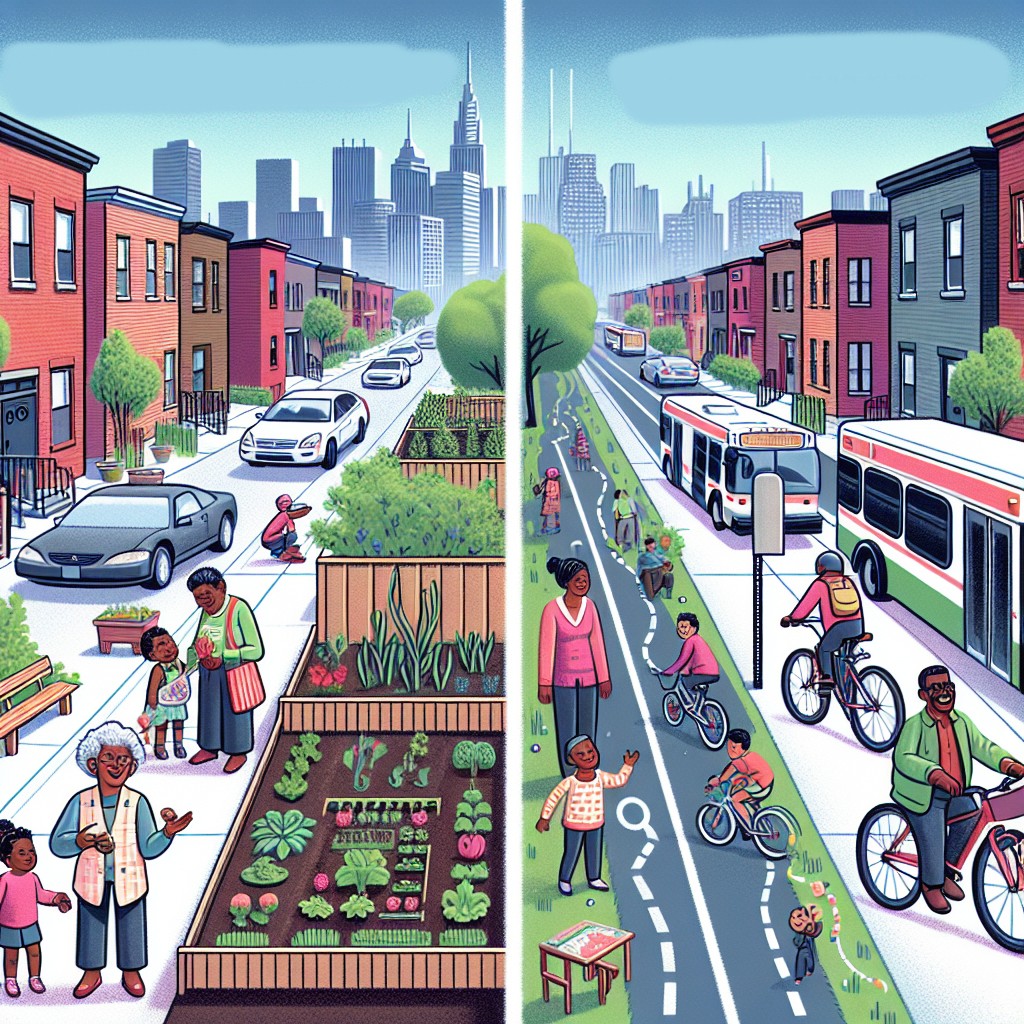
Urban planning should also focus on providing equitable access to green spaces and public facilities, which play a vital role in enhancing the well-being and social cohesion of communities. Parks, recreational centers, and public libraries serve as communal spaces where people of different backgrounds can come together, fostering a sense of community and belonging. Green spaces are particularly important in densely populated urban areas, offering residents a respite from the built environment and opportunities for physical activity, relaxation, and social interaction. Studies have shown that access to green spaces is linked to better mental health, reduced stress levels, and improved overall well-being. However, access to these amenities is often unevenly distributed. Wealthier neighborhoods typically enjoy more parks and recreational facilities than low-income areas. To address this disparity, urban planners should prioritize the development and maintenance of green spaces in underserved communities. This can be achieved through policies that allocate funding specifically for these areas or incentivize private developers to include green spaces in their projects. Moreover, public facilities such as community centers and libraries should be strategically located to serve all residents effectively. These facilities provide essential services, including educational programs, health resources, and social support, which are crucial for the development and empowerment of marginalized groups.
Enhancing Economic Opportunities
Urban planning can also play a significant role in enhancing economic opportunities for all residents, particularly those from disadvantaged backgrounds. By creating conducive environments for businesses and entrepreneurship, cities can stimulate economic growth and job creation. Mixed-use development is one strategy that can boost economic opportunities. Combining residential, commercial, and industrial zones allows for more dynamic and economically vibrant neighborhoods. Residents benefit from nearby job opportunities, while businesses gain from a diverse local customer base. Investing in education and vocational training centers is another critical aspect of economic planning. Equipping residents with the skills needed for the modern job market can break the cycle of poverty and reduce economic inequality. Urban planners should work with educational institutions, businesses, and community organizations to identify the skills in demand and develop relevant training programs. Moreover, urban planning should encourage the growth of small and medium-sized enterprises (SMEs), which are often significant sources of employment and innovation. Providing affordable commercial spaces, simplifying business licensing processes, and offering financial incentives can help SMEs thrive, thereby creating more job opportunities for local residents. Urban renewal projects can also spur economic development in depressed areas. These projects should be designed to benefit existing residents rather than displacing them. Strategies such as “just green enough” development focus on improving infrastructure and amenities without triggering gentrification and displacement.
Fostering Social Inclusion through Community Engagement
Effective urban planning should foster social inclusion by promoting strong community engagement and participation. Engaging residents in the planning process ensures that their voices and needs are considered, leading to more equitable and sustainable development outcomes. Community engagement involves consulting with residents, including those from marginalized and historically underserved groups, and incorporating their feedback into urban policies and projects. This process not only helps build trust between the community and planners but also ensures that development initiatives are responsive to the actual needs of the population. One effective method of community engagement is participatory planning, where residents are actively involved in decision-making processes. Participatory budgeting, for example, allows community members to decide how to allocate a portion of the municipal budget. This democratic approach empowers residents and ensures that resources are directed towards projects that have widespread support and impact. Inclusive urban planning also involves creating spaces for social interaction and cultural expression. Public spaces, community centers, and cultural events can help bridge social divides and foster a sense of unity and belonging. Urban designers should prioritize inclusivity in these spaces, ensuring they are accessible and welcoming to people from all backgrounds. Moreover, urban planners must be attentive to the unique needs of various demographic groups, including the elderly, people with disabilities, and immigrants. Tailoring urban environments to accommodate these groups not only promotes social inclusion but also enhances the overall livability of the city.
Conclusion:
The role of urban planning in reducing inequality is multifaceted and crucial for creating sustainable, inclusive cities. By implementing policies focused on affordable housing, accessible transportation, green spaces, economic opportunities, and community engagement, urban planners can address the root causes of inequality and foster an environment where all residents can thrive. It is important to recognize that reducing inequality requires a concerted effort from various stakeholders, including government agencies, private developers, community organizations, and residents themselves. Collaboration and inclusive policymaking are key to ensuring that urban development benefits everyone, particularly marginalized and disadvantaged groups. As cities continue to grow and evolve, the commitment to equitable urban planning must remain a top priority. By learning from successful examples and continuously innovating, we can build urban environments that not only meet the needs of today’s residents but also ensure a just and prosperous future for generations to come.
Frequently Asked Questions
1. What exactly is urban planning, and how does it impact social inequality?
Urban planning is a multi-disciplinary approach involved in designing and regulating the use of land, resources, facilities, and services across urban areas. It is about making informed decisions on land-use allocation, infrastructure development, and the provision of services to create sustainable and livable urban environments. The impact on social inequality is profound, as effective urban planning can ensure equitable access to resources, services, and opportunities for all social groups, including housing, transportation, employment, and education.
For instance, consider a residential development in a city. If urban planning prioritizes high-quality, affordable housing options and integrates public transit systems that connect these areas to key employment and commercial nodes, it helps bridge the gap between different socioeconomic groups. When planned inclusively, cities can offer everyone the chance to thrive, leveling the playing field for the marginalized by providing essential services close to where they live, reducing commuting costs and time, and affording more quality time at home or improving living conditions.
2. How can urban planning address segregation between affluent and underprivileged areas?
Segregation in urban spaces often reflects deep-rooted social inequities, leading to pockets of affluence and poverty within close proximity. Urban planning tackles this by promoting mixed-use, diverse neighborhoods, ensuring a blend of different housing types and affordability levels within a single area. Such diversity prevents the clustering of affluent or low-income groups, fostering integrated communities.
Moreover, urban planning can address segregation by improving infrastructure in neglected areas and incentivizing investments. Introduction of amenities like parks, schools, and healthcare facilities in underprivileged areas sometimes attracts mixed-income residents, altering the socioeconomic landscape gradually.
Effective urban planning initiatives also involve participatory processes wherein community members from varying backgrounds contribute to planning discussions. Such engagement facilitates a deeper understanding of local needs and wants, resulting in more equitable outcomes. The idea is to conceive cities that are welcoming to everyone and offer shared spaces that encourage interaction among diverse social groups, naturally reducing segregation.
3. How does urban planning influence public transportation, and why is it significant in reducing inequality?
Public transportation is a keystone of urban planning that significantly influences urban livability and equity. Well-designed transit systems connect people to vital opportunities such as jobs, education, and healthcare while minimizing travel time and cost. This accessibility is crucial for low-income individuals who often cannot afford private transportation.
Urban planners emphasize connectivity by designing transit-oriented developments (TODs), which are mixed-use communities centered around quality public transport options. Efficient public transport reduces reliance on personal vehicles, benefiting the environment and enhancing inclusivity.
Furthermore, public transportation infrastructure is linked to job creation and economic development. Planners consider strategic placement of transportation hubs, enhancing access to underdeveloped areas, and boosting economic prospects there. When public transport meets the needs of all city dwellers, it reduces spatial inequality by ensuring that geographical location doesn’t limit one’s access to key services and opportunities.
4. In what ways can urban planning improve access to affordable housing?
Housing affordability remains a pivotal concern as cities grow, with urban planning playing a crucial role in addressing it. Planners encourage and develop affordable housing through various mechanisms such as zoning laws, incentives for developers, and inclusionary zoning policies, which mandate or incentivize the construction of affordable units in market-rate developments.
Moreover, urban planning strategies involve land-use regulations that increase the density of residential areas, allowing for more housing units within smaller areas. Increased density supports economies of scale, lowering construction costs and offering affordable housing solutions.
Another approach involves rehabilitating underutilized or vacant properties into affordable homes, transforming urban landscapes and enhancing property value while offering viable solutions to housing shortages. Successful urban planning for affordable housing also engages public-private partnerships, pooling resources and expertise from government, private sector, and community groups to innovate and finance housing projects.
5. How can urban planning incorporate green spaces to help reduce inequality?
Green spaces are vital for livability, health, and wellbeing within urban environments, contributing to reduced inequality by improving quality of life across all demographics. Urban planners prioritize equitable distribution of parks, gardens, and recreational areas across cities, ensuring these amenities are easily accessible to both affluent and underserved communities.
Incorporating green spaces in urban planning supports physical and mental health by providing residents with areas for recreation, relaxation, and socialization. Planners focus on creating green belts, urban forests, and community gardens, transforming even small plots into valuable spaces.
Engagement of local communities in planning and maintaining green spaces ensures that all voices are heard, promoting inclusivity and stewardship. These areas can host community events, serving as gathering spots to foster social ties and cohesion across different socioeconomic groups.
Beyond social benefits, urban green spaces contribute to environmental sustainability by improving air quality, reducing heat islands, and enhancing urban aesthetics. Combined, these effects cement the role of green spaces in attenuating urban inequality, ensuring all residents benefit equally from the city’s natural assets.


