

Urban planning, a dynamic and multifaceted field, bridges the gap between growth and conservation. It is a discipline that blends art and science to create livable, sustainable spaces in which communities can thrive. One critical aspect of urban planning is the preservation of cultural heritage, an essential field that ensures future generations can appreciate the rich tapestry of history and culture woven into the fabric of our cities. The incorporation of cultural heritage into urban planning not only enriches the community’s quality of life but also helps preserve the identity and continuity of places. This article delves into the significant role urban planning plays in preserving cultural heritage, highlighting strategies, challenges, and success stories from around the world.
Introduction
Urban planning is inherently about looking towards the future while understanding and integrating the past. This forward-thinking discipline seeks to balance development needs while ensuring that historical and cultural elements of a city or town are not lost amidst the backdrop of progress. Cultural heritage encompasses tangible elements like historic buildings, artifacts, landscapes, and intangible aspects like traditions, languages, and folklore. Preserving these elements through urban planning is vital as they offer a sense of identity and continuity for communities.
Cultural heritage contributes to a community’s character, representing its history, achievements, and cultural milestones. It fosters pride among residents and can enhance tourism, leading to economic benefits. As cities around the globe urbanize at rapid rates, the challenge becomes how to integrate new development while preserving the unique cultural and historical identities of places.
Effective urban planning ensures that growth is sustainable and inclusive, addressing economic, social, and environmental goals simultaneously. It involves careful analysis, extensive stakeholder consultations, and strategic decision-making to balance the needs of modern development with the importance of cultural heritage. This delicate balance is essential for achieving a sustainable and inclusive urban future.
Historical Context and Importance
Cultural heritage preservation has a long-standing history, with roots tracing back to the ancient civilizations where the conservation of monuments and relics was a priority. Over time, the approach to preserving cultural heritage has evolved, incorporating more inclusive strategies that recognize the dynamic nature of culture and the need to cater to contemporary societal needs.
Urban planning as understood today began to take shape during the 19th century amidst widespread industrialization. The era faced significant urban challenges, such as overcrowding, pollution, and inadequate infrastructure, necessitating structured planning and regulations. During this period, the importance of preserving historical and cultural assets came to the fore, leading to the establishment of various preservation laws and planning methods.
Today, the scope of urban planning has broadened to include the comprehensive management of urban spaces. It encompasses balancing developmental pressures with the need to maintain cultural and historical continuity. Recognizing the importance of cultural heritage, Urban UNESCO World Heritage Sites and other global initiatives play a critical role in shaping urban planning policies aimed at preservation while fostering development.
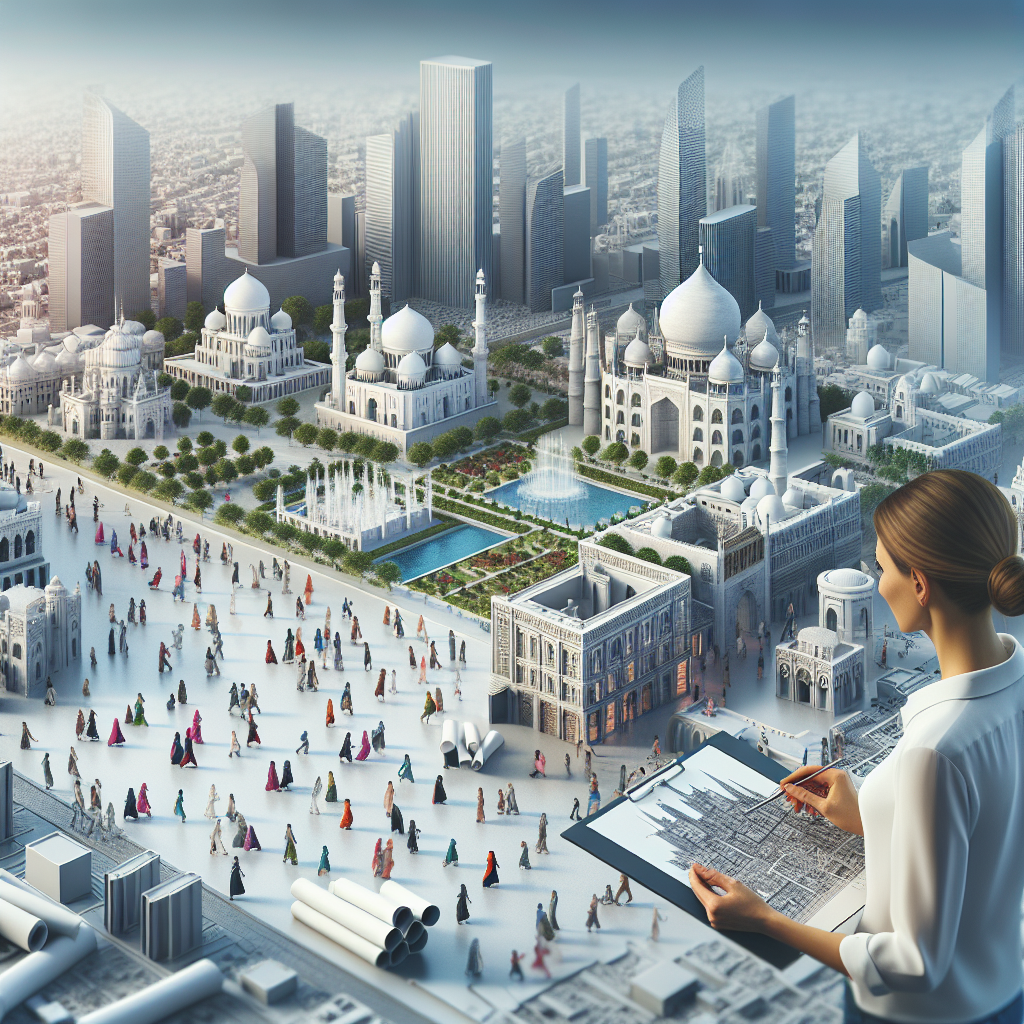
Strategies for Cultural Heritage Preservation in Urban Planning
Urban planners employ various strategies to integrate cultural heritage preservation into their frameworks deliberately. One of the primary approaches is through regulatory measures. Implementation of zoning laws and heritage preservation ordinances can manage and control the type, scale, and impact of new developments near historical sites and districts. These guidelines ensure that new constructions do not overshadow or physically impact cultural heritage sites.
Another strategy involves involving community participation in the planning process. Communities are the guardians of their cultural heritage, and their involvement ensures that preservation efforts are aligned with local values and priorities. Participatory planning approaches engage community members in identifying, documenting, and protecting their cultural assets.
Adaptive reuse is also a burgeoning trend in urban planning. This approach involves repurposing old buildings for new uses while retaining their historical elements. For instance, an old factory can be converted into a modern apartment complex or a cultural center. This preserves the physical structure while giving it new life and purpose.
Lastly, technological advancements such as Geographic Information Systems (GIS) and 3D modeling tools are becoming increasingly significant in identifying, managing, and preserving cultural heritage sites. These technologies facilitate the detailed mapping and analysis of cultural assets, supporting informed decision-making in urban planning.
Challenges in Integrating Cultural Heritage Preservation
Preserving cultural heritage within the urban planning framework is not without its challenges. One primary hurdle is balancing the competing demands of urban growth and heritage conservation. Rapid urbanization often leads to increased pressure on land resources, making it difficult to justify the preservation of heritage sites over new development projects.
Financial constraints also pose significant challenges. Heritage preservation efforts can be costly, encompassing the upkeep of historical structures, implementation of regulatory measures, and community engagement activities. Often, urban planners must navigate limited budgets and secure funding from multiple sources, including governmental, private, and community contributions.
Another obstacle is the varied perception of cultural heritage among different stakeholders. While some community members may place high value on preserving historical sites, others might prioritize economic development and infrastructure expansion. Reconciling these conflicting views requires delicate negotiation and advocacy.
Legal and administrative challenges also play a role, as heritage preservation often involves navigating complex regulatory frameworks and securing necessary permits and approvals. Ensuring that these processes are streamlined and efficient is crucial for successful preservation efforts.
Global Success Stories
Numerous cities worldwide have successfully integrated cultural heritage preservation into their urban planning frameworks. One exemplary case is the city of Kyoto, Japan. Known for its rich cultural history, Kyoto has managed to blend modernity with tradition seamlessly. The city’s stringent zoning laws and heritage preservation ordinances ensure that new developments do not detract from historical sites and traditional neighborhoods. Additionally, community participation initiatives have empowered residents to actively engage in preserving their cultural heritage.
Another notable example is the city of Barcelona, Spain. The city’s approach to urban planning emphasizes the preservation of its diverse architectural heritage, including the works of renowned architect Antoni Gaudí. Barcelona’s planners have adopted innovative strategies such as adaptive reuse and sustainable tourism management to protect and promote its cultural assets. The collaborative efforts of local authorities, cultural organizations, and residents have contributed to the city’s success in balancing growth with heritage preservation.
In the United States, the city of Charleston, South Carolina, stands out for its commitment to preserving its historic districts. Charleston’s urban planners have implemented strict design guidelines and heritage conservation programs to maintain the city’s unique architectural character. The city’s focus on adaptive reuse has transformed historic buildings into vibrant cultural and commercial spaces, preserving the city’s heritage while fostering economic growth.
The Future of Cultural Heritage Preservation in Urban Planning
Looking ahead, the future of cultural heritage preservation in urban planning is promising yet challenging. As cities continue to grow and evolve, the need for innovative and sustainable preservation approaches becomes increasingly critical. Several emerging trends and strategies are likely to shape the future of cultural heritage preservation.
One such trend is the integration of smart city technologies. Leveraging data analytics, sensors, and IoT (Internet of Things) technologies, urban planners can monitor and manage cultural heritage sites more effectively. These technologies enable real-time tracking of environmental conditions, structural integrity, and visitor traffic, ensuring timely interventions and maintenance.
Additionally, the concept of “cultural heritage tourism” is gaining traction. Cities are increasingly recognizing the economic potential of promoting their cultural assets to attract tourists. This approach not only generates revenue but also raises awareness and appreciation for cultural heritage. Successful examples of cultural heritage tourism can be seen in cities like Rome, Italy, and Istanbul, Turkey, where historical sites are major tourist attractions.
Furthermore, interdisciplinary collaboration will play a crucial role in the future of cultural heritage preservation. Urban planners, architects, historians, conservationists, and community members must work together to develop holistic preservation strategies. Inclusive planning processes that involve diverse stakeholders will ensure that preservation efforts are comprehensive and reflect the values of the entire community.
Conclusion
In conclusion, urban planning is a powerful tool for preserving cultural heritage and ensuring that the past remains an integral part of our present and future. By incorporating strategies such as regulatory measures, community participation, adaptive reuse, and technological advancements, urban planners can strike a balance between growth and preservation. While challenges such as competing demands, financial constraints, and varied perceptions exist, successful cases from around the world demonstrate that heritage preservation is achievable with innovative approaches and collaborative efforts.
As cities continue to evolve, the preservation of cultural heritage will remain a cornerstone of sustainable and inclusive urban development. By acknowledging the value of cultural heritage and integrating it into urban planning frameworks, we can create vibrant, resilient communities that honor their history while embracing progress. The future of urban planning holds great promise, and with a collective commitment to preserving cultural heritage, we can ensure that the richness of our past continues to inspire and shape generations to come.
Frequently Asked Questions
1. What is the role of urban planning in preserving cultural heritage?
Urban planning plays a significant role in preserving cultural heritage by striking a balance between development and conservation. At its core, urban planning assesses and integrates cultural landmarks and heritage sites into city plans to maintain the historical and cultural identity of an area. By doing so, planners not only protect these sites from being overshadowed or destroyed by modern development but also enhance the urban landscape, making it more attractive and meaningful for both residents and visitors.
Planners evaluate historical significance, structural integrity, and the cultural value of sites. They then draft policies and guidelines that ensure these locations are respected and preserved during city growth and redevelopment. These strategies often include zoning regulations, adaptive reuse of historic buildings, and integration of cultural landmarks into new community designs to serve both heritage preservation and contemporary urban needs.
2. How can urban planning assist in preventing the loss of cultural heritage?
Urban planning assists in preventing the loss of cultural heritage through proactive measures and extensive planning policies. This discipline involves rigorous research and documentation of heritage sites, enabling planners to understand the cultural significance and architectural features that need preservation. Through comprehensive urban plans, these elements are protected by establishing heritage conservation zones, enforcing building codes that regulate modifications, and promoting responsible and respectful development practices.
Moreover, urban planning fosters community engagement and participation, ensuring that local voices play a pivotal role in safeguarding their cultural heritage. Community engagement often leads to greater public awareness and appreciation for these sites, helping to manage and mitigate potential threats from development pressures.
3. What challenges do urban planners face in incorporating cultural heritage into city planning?
Urban planners face numerous challenges when incorporating cultural heritage into city planning. One of the main challenges is the tension between urban development needs and heritage conservation. Cities are continually evolving and expanding, and sometimes this rapid growth threatens existing heritage sites. Planners must navigate these conflicting interests and find solutions that accommodate both development and preservation.
Another challenge is funding and resource allocation. Preservation efforts require financial investment and resources, which are often limited. Planners need to be innovative and strategic, sometimes seeking partnerships with private investors and NGOs to secure the necessary resources for heritage projects.
Additionally, urban planners contend with legal and bureaucratic hurdles that can slow down conservation efforts. Regulatory frameworks are essential, yet they can also present intricate and lengthy processes that deter rapid implementation. Effective planners advocate for streamlined policies and regulations that better facilitate heritage conservation efforts within urban planning.
4. Can urban planning contribute to the economic development while preserving cultural heritage?
Yes, urban planning can significantly contribute to economic development while preserving cultural heritage. Heritage sites often attract tourism, providing a substantial boost to the local economy. By integrating cultural heritage into urban planning, cities can capitalize on these opportunities through the development of heritage tourism infrastructure, such as museums, cultural tours, and educational programs. This approach not only preserves cultural heritage but also creates jobs, stimulates local business, and generates revenue.
Moreover, urban planning that incorporates adaptive reuse of historic structures can revitalize communities, turning them into vibrant mixed-use developments that attract residents and businesses. These efforts can lead to increased property values and enhanced quality of life, creating a symbiotic relationship between economic development and heritage preservation.
5. How does urban planning engage communities in preserving cultural heritage?
Urban planning effectively engages communities in preserving cultural heritage by promoting inclusivity and collaboration in planning processes. One of the ways planners achieve this is through participatory planning initiatives, where community members are involved in decision-making processes regarding the development and preservation of their cultural assets. This can include workshops, public meetings, and surveys that gather input and aspirations from local residents and stakeholders.
Additionally, urban planners often work with local cultural organizations, historical societies, and educational institutions to foster community-driven projects that emphasize the significance of cultural heritage. Education and awareness campaigns developed in collaboration with these entities help to build a sense of ownership and pride among community members, motivating them to support and advocate for preservation efforts.
By considering community values and cultural stories, urban planners can develop strategies that reflect the identity and history of the area, ensuring that cultural heritage preservation resonates with the community’s fabric, aspirations, and future vision.


