In recent years, the housing market has seen a significant transformation, largely influenced by evolving cultural shifts. Today’s homebuyers are making choices that reflect their changing values, lifestyles, and needs. These shifts are more than just trends; they represent fundamental changes in the way we live and what we prioritize in our living spaces. This article delves into how cultural shifts have influenced housing preferences, providing a comprehensive overview of various contributing factors. Gone are the days when the emphasis was solely on the size and grandeur of homes. Modern buyers are now equally interested in sustainability, convenience, and community living. The Millennial and Gen Z generations, in particular, have different priorities compared to previous generations. Their preferences are driven by a blend of technology, environmental consciousness, and a desire for flexibility in their living arrangements. Moreover, the COVID-19 pandemic has accelerated some of these cultural changes, forcing people to reassess their housing preferences. Remote work, home schooling, and the need for multifunctional spaces have become significant factors in home-buying decisions. As society continues to evolve, these cultural shifts will play an even more critical role in shaping the housing market. In this article, we’ll explore several key areas where cultural shifts are making a noticeable impact on housing preferences. From the rise of sustainable living to the increasing demand for smart homes, we’ll cover all the bases to give you a thorough understanding of this dynamic landscape.
Sustainability Takes Center Stage
Sustainability is no longer a niche concern; it has become a central focus for many homebuyers. The growing awareness of climate change and environmental degradation has prompted a significant shift towards eco-friendly living. Modern homebuyers are looking for properties that feature energy-efficient appliances, sustainable building materials, and access to green spaces. Energy-efficient homes are not only good for the environment but also help in reducing utility bills, making them financially attractive. Solar panels, energy-efficient windows, and insulation are becoming standard features in new homes. Many buyers are also interested in using reclaimed or locally sourced materials, which help reduce the carbon footprint of their homes. Moreover, the concept of zero-waste homes is gaining traction. These homes are designed to produce minimal waste, both during construction and in daily living. Composting, recycling, and water-saving fixtures are integral parts of these eco-friendly residences. The trend extends to community living as well, with many new developments incorporating communal gardens, recycling programs, and shared resources to promote a sustainable lifestyle. As governments and organizations continue to promote green living through incentives and regulations, the demand for sustainable homes is expected to grow. Buyers are increasingly considering the long-term environmental impact of their housing choices, making sustainability a critical factor in the housing market.
The Rise of Smart Homes
The advent of technology has brought about a revolution in how we interact with our living spaces. Smart homes, equipped with advanced technology, are becoming increasingly popular among modern homebuyers. These homes offer a level of convenience and efficiency that was unimaginable just a few years ago. Smart home technology includes a wide range of features, from automated lighting and climate control to advanced security systems and voice-activated assistants. These technologies not only make life easier but also contribute to energy savings and overall home efficiency. For example, smart thermostats can learn your schedule and adjust the temperature accordingly, reducing energy consumption and lowering utility bills. Security is another significant aspect of smart homes. Modern security systems offer features like remote monitoring, motion detectors, and smart locks, providing homeowners with peace of mind. The ability to control and monitor home systems from a smartphone or tablet adds an extra layer of convenience. In addition to individual homes, smart technology is being integrated into entire communities. Smart grids, shared internet networks, and community-wide security systems are becoming common in new housing developments. This integration of technology not only enhances the quality of life but also adds value to the properties, making them more attractive to tech-savvy buyers. As technology continues to evolve, the demand for smart homes is expected to rise. Homebuyers are looking for properties that offer the latest technological advancements, promising a convenient, secure, and efficient living experience.
Urban Living vs. Suburban Retreats
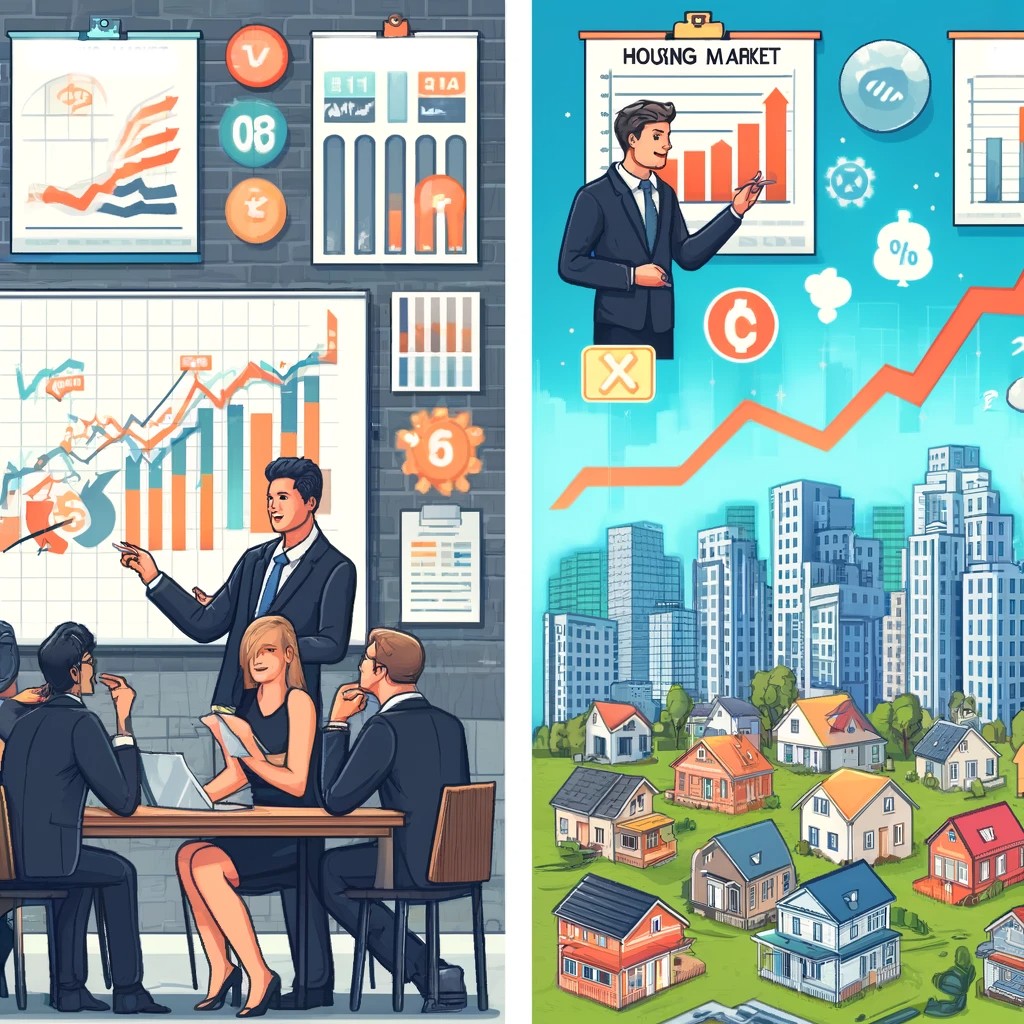
Urban living and suburban retreats each have their own set of advantages and appeal. However, recent cultural shifts are causing a reevaluation of these preferences. The desire for convenience, work-life balance, and community is influencing the choices between urban and suburban living. Urban areas offer the advantage of proximity to workplaces, entertainment, and dining options. The convenience factor is a significant draw for young professionals and those who thrive in a bustling environment. Cities also offer diverse cultural experiences and a vibrant social scene, appealing to those who enjoy an active lifestyle. On the other hand, the suburbs offer a quieter, more relaxed living environment. They’re often seen as ideal for raising families due to the availability of larger homes, yards, and good schools. The COVID-19 pandemic has further fueled the appeal of suburban living as people seek more space and a tranquil environment to accommodate remote work and home schooling. Interestingly, some modern housing developments are trying to offer the best of both worlds. Mixed-use developments that combine residential, commercial, and recreational spaces are becoming increasingly popular. These developments aim to provide the convenience of urban living with the space and tranquility of suburban life, catering to a wide range of preferences. As cultural shifts continue to influence housing decisions, the lines between urban and suburban living are becoming increasingly blurred. Homebuyers are prioritizing features that align with their lifestyle, whether it’s the convenience of city life or the spaciousness of the suburbs.
Community-Oriented Living
Community-oriented living is gaining traction as people seek a greater sense of connection and belonging. The importance of social interaction, shared spaces, and communal activities is influencing housing preferences, driving the demand for community-focused developments. Cohousing communities, for example, are designed around the idea of shared living spaces and resources. These communities often include common areas like kitchens, gardens, and recreational facilities, encouraging residents to interact and form close-knit relationships. The concept is particularly appealing to those who value social interaction and collaborative living. Another trend is the rise of multigenerational living arrangements. Cultural shifts are seeing more families opting to live together, with grandparents, parents, and children sharing a single home. This setup offers emotional and financial benefits, including shared responsibilities and reduced living costs. Homes designed for multigenerational living often feature multiple living spaces, private suites, and adaptable floor plans. Community-oriented living also extends to the broader neighborhood. Developments that incorporate parks, walking trails, and social hubs are becoming increasingly popular. These features promote a sense of community and offer residents a way to connect with their neighbors. As societal values shift towards inclusivity and connectedness, the demand for community-oriented living is expected to grow. Homebuyers are seeking environments that foster social interaction and provide a supportive community.
Flexibility and Adaptability in Home Design
The need for flexibility and adaptability in home design has never been more apparent. Cultural shifts are pushing homebuyers to look for spaces that can evolve with their changing needs, offering multiple functions and future-proof solutions. Remote work has become a significant factor in housing preferences. Many buyers are looking for homes that can accommodate a home office or flexible workspaces. The demand for adaptable rooms that can serve as offices, guest rooms, or recreational spaces is on the rise. This need for multifunctional spaces is driving innovations in home design, with features like movable walls and modular furniture becoming more common. Open floor plans continue to be popular as they offer a sense of spaciousness and allow for flexible use of space. However, there’s also a growing trend towards creating distinct zones within open layouts to provide privacy and functionality. This hybrid approach caters to the need for both open, communal spaces and private, quiet areas. The concept of “smart growth” is also influencing home design. This approach focuses on developing properties that can adapt to future changes, whether it’s accommodating new technologies or adjusting to different life stages. Homes built with future-proofing in mind often include features like expandable rooms, easy-to-update systems, and adaptable infrastructure. As cultural shifts continue to emphasize the importance of flexibility, home design will increasingly focus on creating adaptable spaces that meet the evolving needs of modern living. Homebuyers are looking for properties that offer the versatility to accommodate their current lifestyles while also providing room for future changes.
Conclusion:
Cultural shifts are having a profound impact on housing preferences, driving significant changes in the housing market. The emphasis on sustainability, smart technology, and community-oriented living reflects broader societal values and priorities. As these cultural shifts continue to evolve, they will shape the future of housing in ways that cater to the diverse needs and preferences of modern homebuyers. The rise of sustainability is encouraging the development of eco-friendly homes that not only benefit the environment but also offer financial incentives through energy savings. Smart home technology is transforming the way we interact with our living spaces, offering convenience, security, and efficiency. The balance between urban and suburban living is being reevaluated, with buyers seeking environments that align with their lifestyles, whether it’s the convenience of city life or the tranquility of the suburbs. Community-oriented living is gaining popularity as people seek social interaction and a sense of belonging, while flexible and adaptable home designs are becoming essential to accommodate changing needs and future-proof homes. These trends highlight the dynamic nature of the housing market, driven by ongoing cultural shifts. For homebuyers, understanding these cultural influences can help make informed decisions that align with their values and lifestyle. For developers and planners, staying attuned to these shifts is crucial in creating housing solutions that meet the evolving demands of the market. As we move forward, the interplay between cultural trends and housing preferences will continue to shape the landscape of urban and suburban living.
Frequently Asked Questions
1. Why are open floor plans becoming more popular in today’s housing market?
In the context of evolving cultural norms, open floor plans have gained significant traction among homebuyers for various reasons. The shift toward more casual, flexible living spaces reflects broader lifestyle changes. Over the years, there has been a movement away from formal and compartmentalized layouts towards environments that stimulate community and communication. Open floor plans foster an inclusive atmosphere, allowing families and guests to interact freely without the physical barriers of walls and doors. This preference aligns with a more holistic approach to living, where the lines between work, leisure, and family life are becoming increasingly blurred. This design style caters to the desires for space optimization, natural light proliferation, and visual connectivity, all of which are prioritized by today’s consumers. The trend underscores a cultural shift towards valuing communal experiences, convenience, and an adaptable home environment.
2. How do environmental concerns influence housing preferences?
With a growing awareness of climate change and environmental sustainability, many homebuyers have become increasingly eco-conscious, influencing their housing preferences. This change is rooted in a noticeable cultural shift that prioritizes environmental responsibility. Buyers are more inclined toward homes that feature energy-efficient appliances, sustainable building materials, and innovative green technologies. This trend is not just about reducing carbon footprints; it’s about a holistic approach to a healthier lifestyle. Sustainability-focused home features such as solar panels, rainwater harvesting systems, and geothermal heating are gaining popularity. Homebuyers are also considering the location of their homes, often opting for buildings with access to public transportation or in walkable neighborhoods to reduce reliance on vehicles. These preferences reflect a broader cultural awakening towards living harmoniously with the planet, resonating with values of minimal environmental impact, conservation, and energy efficiency.
3. In what ways has the increase in remote work affected housing choices?
The rise of remote work has brought a fundamental change in housing preferences as individuals redefine what they need from their living spaces. This shift towards flexible work arrangements, catalyzed by advancements in technology and recent global events, has expanded the definition of home to include workspaces. Home offices or dedicated work nooks are now a priority as people seek comfortable environments conducive to productivity. There is less emphasis on commuting convenience to central business districts, which has allowed many homebuyers to explore properties in suburban or rural areas where they can enjoy more space at a lower cost. As a result, there is an increasing desire for homes that offer tranquility and privacy, alongside practical infrastructures for digital work, such as reliable internet connectivity and organized office spaces. This cultural shift illustrates a reimagining of work-life balance, where homes serve as both sanctuaries and workplaces that accommodate our digitally interconnected lifestyles.
4. What has caused the resurgence in demand for homes with outdoor living spaces?
The resurgence in demand for homes with outdoor living spaces is a reflection of a cultural movement towards valuing outdoor activities, relaxation, and connection with nature. As societal priorities evolve, there’s an increasing emphasis on wellness, both mental and physical, which is being reflected in people’s living choices. Outdoor spaces, whether they be gardens, patios, or decks, have become essential as they provide a sense of escape, especially in densely populated urban environments. This trend has been further amplified by best-selling home and lifestyle publications that celebrate alfresco living as integral to a healthy lifestyle. Homeowners seek spaces that offer versatility for activities such as gardening, outdoor cooking, entertaining, and leisure, reflecting a desire for homes that integrate seamlessly with natural settings. The push for outdoor living spaces demonstrates a fundamental shift towards lifestyles that prioritize open-air experiences, personal sanctuaries, and sustainable connections with the environment.
5. How are demographic shifts altering what buyers look for in a new home?
Demographic shifts have substantially influenced what buyers look for in new homes, driven by the cultural transformation of family structures and living arrangements. As the population ages, there is an increased demand for homes that accommodate multi-generational living. This reflects a cultural value shift towards familial closeness and support, where elderly family members live alongside younger generations. Consequently, home designs are evolving to include features such as in-law suites or dual master bedrooms. Similarly, as millennials, who are now the largest share of homebuyers, enter the market, there is an emphasis on technology-rich homes, convenience, and affordability. This generation, often characterized by their preference for digital interconnectivity and minimalism, values technologically advanced homes with smart features that offer ease of use and efficiency. The demographic landscape continues to morph with influences from various age groups that are redefining housing preferences, showcasing a cultural trend towards diversity, inclusivity, and adaptability in living environments.