

Urban planning is an essential aspect of modern society, influencing how our cities and towns develop and operate. It encompasses everything from the layout of roads and public spaces to regulations regarding land use and construction. One of the key aspects of urban planning is its impact on community cohesion. Community cohesion refers to the strength of relationships and the sense of solidarity among members of a community. It is a vital component of a healthy, functioning society, promoting social inclusion, safety, and a sense of belonging. With the rapid urbanization and expansion of cities, urban planning practices play a significant role in shaping the way communities interact and integrate. In this article, we will delve into the various ways in which urban planning can foster or hinder community cohesion.
Urban planners have a profound responsibility to create spaces that facilitate community interaction and inclusivity. By carefully considering factors such as the placement of public amenities, the design of residential areas, and the provision of transportation options, planners can help to cultivate a sense of community and belonging. However, poor planning decisions can lead to social fragmentation, isolation, and a lack of identity within urban areas. Therefore, understanding the nuances of how urban planning impacts community cohesion is crucial for creating more harmonious and integrated urban environments.
This article will explore different aspects of urban planning and its effects on community cohesion. We will examine how well-designed public spaces, mixed-use developments, effective transportation systems, and inclusive housing policies can contribute to a stronger sense of community. Additionally, we will discuss potential challenges and pitfalls that urban planners face in balancing developmental goals with community needs. By the end of this article, readers will gain a comprehensive understanding of the significant influence urban planning has on fostering cohesive and vibrant communities.
Well-Designed Public Spaces
Public spaces are the heart of any community, serving as common grounds where people gather, interact, and engage in various activities. Urban planners recognize the importance of well-designed public spaces in promoting community cohesion. These spaces, which include parks, plazas, playgrounds, and community centers, provide opportunities for social interaction and the development of communal ties. They act as venues for events, recreational activities, and cultural exchanges, all of which contribute to a sense of shared identity and belonging.
One critical aspect of designing effective public spaces is ensuring they are accessible and welcoming to everyone. This means incorporating diverse, inclusive elements that cater to the needs and interests of different community members. For instance, having playgrounds for children, sports facilities for youths, picnic areas for families, and quiet zones for the elderly can create a balanced and inclusive public space. Additionally, integrating natural elements such as trees, gardens, and water features can enhance the aesthetic appeal of public spaces, making them more inviting and conducive to relaxation and socialization.
Moreover, public spaces should be designed with safety and security in mind. Adequate lighting, clean and well-maintained environments, and clear signage can help create a sense of safety, encouraging more people to visit and use these areas. Community cohesion is often built on trust and a sense of safety among residents, making these factors vital in urban planning.
Ultimately, well-designed public spaces can anchor communities by providing a shared environment where memories are made, relationships are built, and a sense of unity is nurtured. Through deliberate and thoughtful urban planning, public spaces can act as catalysts for stronger, more cohesive communities.
Mixed-Use Developments
Mixed-use developments are another crucial element in urban planning that can impact community cohesion. These developments combine residential, commercial, and recreational spaces within a single area, fostering an environment where people can live, work, and play. The integration of different land uses promotes increased social interaction and diverse community dynamics, which are essential for building strong, cohesive communities.
One of the advantages of mixed-use developments is the reduction of physical and psychological barriers between different community members. By having residential and commercial spaces in close proximity, residents are more likely to encounter each other in everyday activities, whether it’s shopping, dining, or participating in community events. This constant interaction helps build familiarity and trust, which are key components of community cohesion.
Mixed-use developments also encourage a sense of ownership and pride among residents. When people live and work within the same neighborhood, they are more invested in the welfare and development of their community. This investment can lead to greater participation in local initiatives, such as neighborhood watch programs, community clean-ups, and cultural celebrations, all of which foster a sense of belonging and unity.
Furthermore, mixed-use developments can contribute to economic vitality and sustainability. By providing local businesses with a steady customer base and reducing the need for long commutes, these developments support local economies and reduce the environmental impact associated with transportation. A thriving local economy can also enhance community cohesion by providing more job opportunities and fostering a sense of collective prosperity.
In conclusion, mixed-use developments play a significant role in enhancing community cohesion by promoting social interaction, fostering a sense of ownership, and contributing to economic sustainability. Urban planners must consider these factors when designing and implementing mixed-use projects to ensure they contribute positively to the fabric of the community.
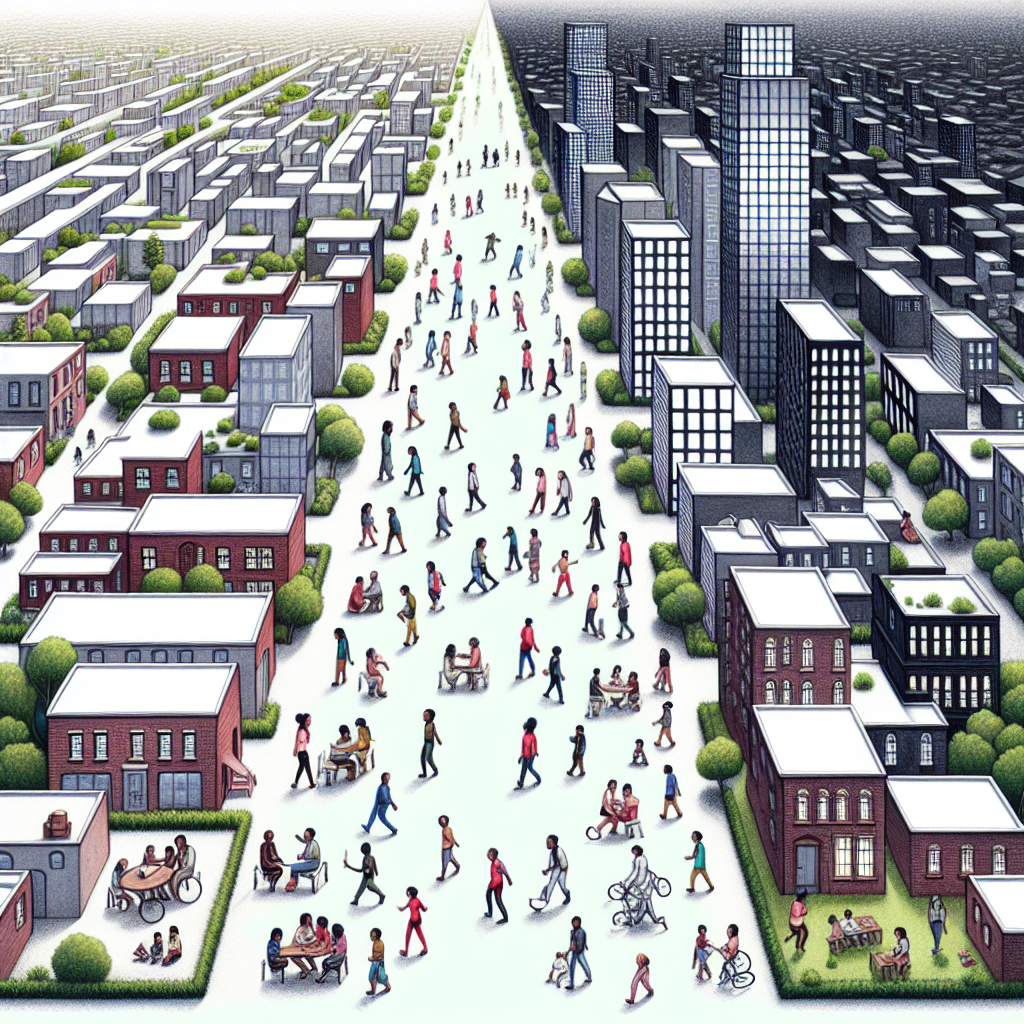
Effective Transportation Systems
An efficient and accessible transportation system is vital for fostering community cohesion within urban areas. Transportation networks connect different parts of a city, making it easier for residents to access services, amenities, and each other. Well-planned transportation systems can enhance mobility, reduce social isolation, and promote inclusivity, all of which are essential for a cohesive community.
One way transportation systems contribute to community cohesion is by providing reliable and affordable public transit options. Public transportation allows residents from different socioeconomic backgrounds to access various parts of the city, facilitating interactions and reducing the social divide. By ensuring that public transit is convenient, safe, and affordable, urban planners can encourage more people to use these services, promoting a more integrated and cohesive community.
In addition to public transit, the design of pedestrian and cycling infrastructure is crucial for community cohesion. Walkable neighborhoods with well-maintained sidewalks, pedestrian crossings, and bike lanes encourage residents to walk or cycle, promoting healthier lifestyles and more frequent social interactions. These active modes of transportation also contribute to the vibrancy of public spaces, creating a more dynamic and engaged community.
Transportation systems should also be designed with inclusivity in mind, ensuring that they cater to the needs of all community members, including those with disabilities, the elderly, and families with young children. By providing accessible transportation options, urban planners can help create an inclusive environment where everyone feels valued and connected. This inclusivity is fundamental to building a cohesive community, as it ensures that all residents have equal opportunities to participate in social and economic activities.
In summary, effective transportation systems are crucial for enhancing community cohesion by improving mobility, promoting inclusivity, and facilitating social interactions. Urban planners must prioritize the design and implementation of efficient, accessible, and inclusive transportation networks to foster stronger, more connected communities.
Inclusive Housing Policies
Housing policies play a significant role in shaping community cohesion within urban areas. Inclusive housing policies ensure that people from diverse backgrounds can live in safe, affordable, and well-connected neighborhoods. By promoting social integration and reducing segregation, these policies contribute to stronger, more cohesive communities.
One key aspect of inclusive housing policies is the provision of affordable housing options. Urban planners must ensure that there are sufficient affordable housing units available to accommodate low-income families, young professionals, and other vulnerable groups. This can be achieved through various strategies, such as inclusionary zoning, where developers are required to include a certain percentage of affordable units in new residential projects. By providing affordable housing, planners can help prevent social exclusion and create mixed-income neighborhoods where residents from different backgrounds can interact and build relationships.
Inclusive housing policies also involve addressing issues related to displacement and gentrification. As cities develop and property values increase, long-term residents, particularly those from marginalized communities, may be at risk of being priced out of their neighborhoods. Urban planners must implement measures to protect these residents, such as rent control policies, community land trusts, and housing assistance programs. By preventing displacement, planners can maintain the social fabric of neighborhoods and preserve the sense of community cohesion.
Another important aspect of inclusive housing policies is promoting diversity in housing types. A mix of housing options, including single-family homes, apartments, and co-housing arrangements, can cater to the needs of different household sizes, preferences, and lifestyles. This diversity allows for a more dynamic and inclusive community, where people from various backgrounds can coexist and thrive.
In conclusion, inclusive housing policies are essential for fostering community cohesion by promoting social integration, preventing displacement, and offering diverse housing options. Urban planners must prioritize these policies to ensure that cities remain accessible, inclusive, and vibrant, supporting the development of cohesive communities.
Potential Challenges in Urban Planning
Despite the positive impact that urban planning can have on community cohesion, there are several challenges that planners may encounter in their efforts to create inclusive and cohesive communities. These challenges can arise from political, economic, and social factors that complicate the planning and implementation processes.
One significant challenge is the balancing of competing interests and priorities. Urban planning involves multiple stakeholders, including government agencies, developers, businesses, and residents, each with their own objectives and concerns. Planners must navigate these competing interests to create plans that serve the broader community while addressing specific needs. This can be especially challenging in areas with limited resources or conflicting priorities.
Another challenge is addressing inequities and ensuring that urban planning efforts benefit all community members, particularly marginalized and underserved populations. Historically, urban planning practices have sometimes contributed to social and economic disparities, leading to the marginalization of certain groups. Planners must be mindful of these inequities and strive to create inclusive plans that promote social justice and equitable access to resources and opportunities.
Economic constraints can also pose challenges to urban planning efforts. Limited funding and budget constraints can hinder the implementation of comprehensive plans and the development of necessary infrastructure. Planners must find innovative solutions to maximize available resources and seek alternative funding sources, such as public-private partnerships, grants, and community investments, to support their initiatives.
Additionally, rapid urbanization and population growth can strain existing infrastructure and resources, making it difficult for planners to keep up with demand. As cities expand, there is an increased need for housing, transportation, public services, and amenities. Planners must anticipate and plan for future growth, ensuring that new developments are sustainable and do not compromise the quality of life for current and future residents.
Finally, community engagement and participation are crucial but can be challenging to achieve. Successful urban planning requires input and cooperation from residents, yet engaging diverse community members and fostering meaningful participation can be difficult. Planners must employ various strategies, such as public consultations, surveys, and workshops, to gather input and ensure that community voices are heard and considered in the planning process.
In conclusion, urban planners face numerous challenges in their efforts to create cohesive and inclusive communities. By addressing competing interests, inequities, economic constraints, rapid urbanization, and the need for community engagement, planners can overcome these challenges and contribute to the development of more harmonious urban environments.
Conclusion
Urban planning plays a pivotal role in shaping the cohesion and integration of communities within urban areas. Through thoughtful and inclusive urban planning practices, planners can create environments that foster social interaction, inclusivity, and a sense of belonging among residents. Well-designed public spaces, mixed-use developments, effective transportation systems, and inclusive housing policies are all critical components that contribute to community cohesion.
Public spaces serve as communal hubs where people can gather, interact, and build relationships, while mixed-use developments promote social integration and economic vitality. Effective transportation systems enhance mobility and accessibility, facilitating social interactions and reducing isolation. Inclusive housing policies ensure that people from diverse backgrounds can live in safe and affordable neighborhoods, promoting social integration and preventing displacement.
However, urban planners must also navigate various challenges, including competing interests, inequities, economic constraints, rapid urbanization, and the need for community engagement. By addressing these challenges with innovative and equitable solutions, planners can contribute to the development of cohesive and resilient communities.
As urbanization continues to accelerate, the importance of urban planning in fostering community cohesion cannot be overstated. Planners, policymakers, and community members must work collaboratively to create urban environments that prioritize inclusivity, connectivity, and social well-being. By doing so, we can build cities and towns that not only accommodate growth and development but also nurture the social fabric that binds communities together.
In conclusion, the impact of urban planning on community cohesion is profound and multifaceted. Through deliberate and inclusive planning practices, we can create urban environments that support the well-being, integration, and connectedness of all residents, ultimately leading to stronger, more cohesive communities.
Frequently Asked Questions
1. How does urban planning contribute to community cohesion?
Urban planning plays a significant role in shaping the environment in which people live, work, and interact. It influences community cohesion in several ways. Firstly, well-planned neighborhoods that prioritize pedestrian access and public transportation enhance connectivity among residents, making it easier for them to meet and build relationships. Additionally, urban planning that incorporates mixed-use developments and a variety of housing types encourages social interaction between people of different backgrounds and socioeconomic statuses.
Inclusive public spaces, like parks and community centers, designed through urban planning, provide venues for residents to gather, engage in activities, and participate in community events. This fosters a sense of belonging and encourages collaboration, cooperation, and friendship among residents. Moreover, urban planning policies that prioritize community involvement in decision-making processes empower citizens, giving them a stake in their community’s development, which strengthens the sense of unity and shared purpose.
2. Can urban planning negatively impact community cohesion?
Yes, urban planning can have negative impacts on community cohesion if not executed thoughtfully. Poorly designed urban layouts, such as those that prioritize vehicle traffic over pedestrian access, can create physical barriers that isolate neighborhoods, reducing opportunities for interaction among residents. Large highways or busy roads cutting through a community can divide neighborhoods, impacting the sense of connection and solidarity.
Additionally, if urban planning results in the displacement of long-term residents due to gentrification, it can dissolve established social networks and erode the cultural fabric of the community. This often leads to social tensions and a weakened sense of belonging among new and existing residents. Lack of consideration for affordable housing can also lead to segregation based on income, which diminishes diversity and further hinders community cohesion.
3. What role do public spaces play in enhancing community cohesion within urban planning?
Public spaces are integral to enhancing community cohesion because they serve as common areas where residents can come together, interact, and build social connections. Urban planning that includes parks, plazas, and community gardens offers accessible locations for social activities, relaxation, exercise, and cultural events.
These spaces act as a communal buffer, bringing together people of different ages, backgrounds, and lifestyles, encouraging inclusivity and dialogue. Well-maintained and thoughtfully designed public areas can become the heart of a community, fostering a shared identity and pride among residents. By investing in public spaces, urban planners can stimulate community engagement and resilience, enhancing overall cohesion.
4. How do mixed-use developments in urban planning impact community cohesion?
Mixed-use developments, which combine residential, commercial, and recreational spaces, significantly impact community cohesion by creating vibrant, accessible urban environments. These developments reduce the need for long commutes by bringing amenities closer to where people live, encouraging local patronage of businesses and services.
This proximity fosters regular interactions among residents, business owners, and employees, which strengthens social ties and creates a sense of community that extends beyond residential areas. Mixed-use neighborhoods often accommodate diverse populations by offering a range of housing options, which contributes to social integration and a cohesive community fabric. Together, these aspects of mixed-use developments enhance the vibrancy and sustainability of communities, promoting stronger cohesion among their members.
5. In what ways can urban planners actively promote community cohesion?
Urban planners can actively promote community cohesion by adopting various strategies and practices aimed at fostering inclusivity and connectivity. First, they can focus on creating pedestrian-friendly environments with safe, accessible pathways and cycling routes that encourage mobility and interaction. Prioritizing green spaces and ensuring their equitable distribution across neighborhoods can help ensure all community members have access to communal areas.
Incorporating community feedback into planning processes is essential. Urban planners should engage residents through participatory approaches, like workshops and public consultations, to understand their needs and visions. Moreover, planners should aim to integrate affordable housing initiatives to prevent segregation and support diverse demographic groups.
Another critical approach is to plan for diverse social infrastructure, like schools, libraries, and healthcare centers, that cater to the needs of all community members. By considering the cultural aspects of the community, urban planners can create an inclusive environment that respects and celebrates diversity, enhancing overall cohesion and resilience.


