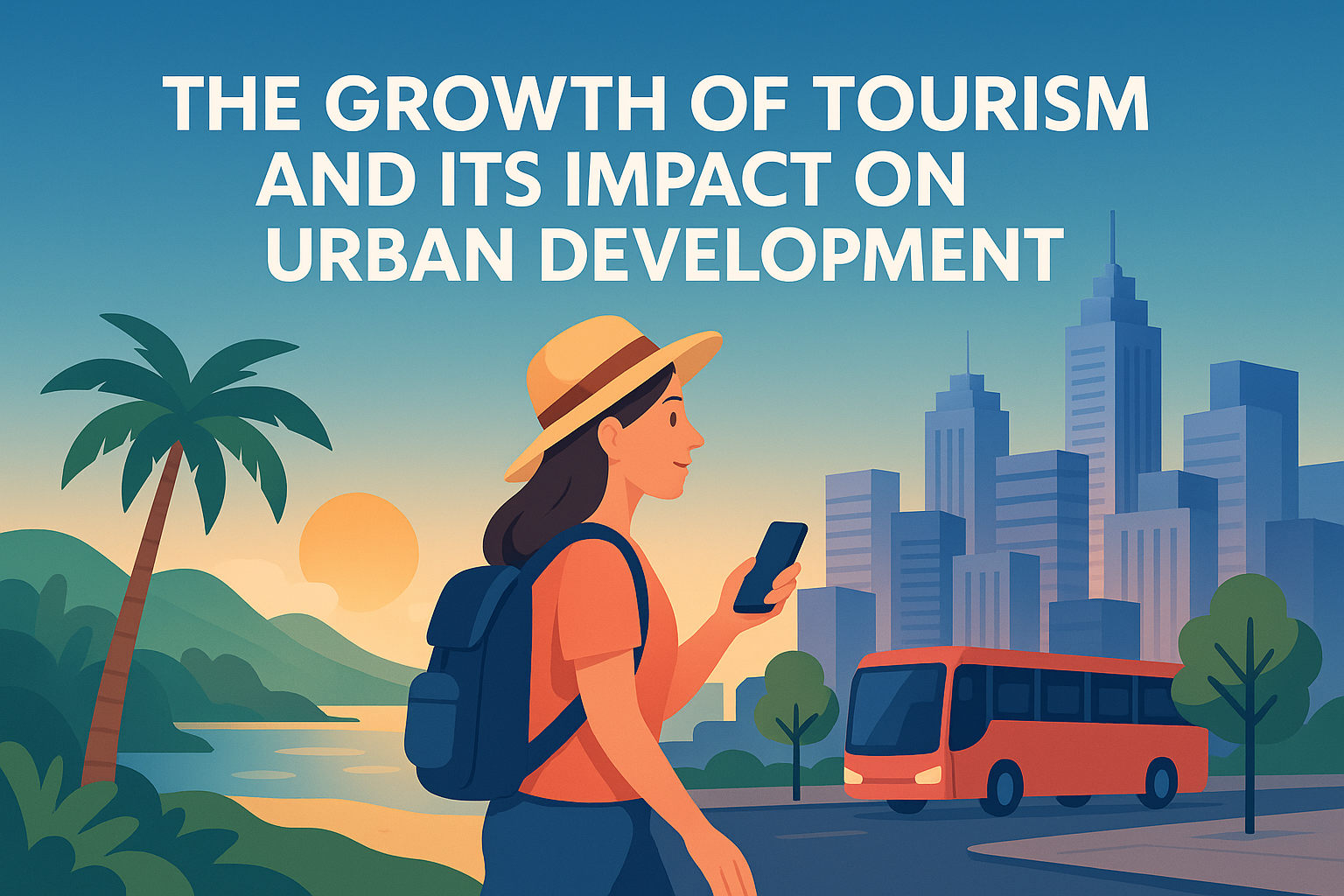
The tourism industry has witnessed a tremendous surge in recent decades, becoming a pivotal force in urban transformations across the globe. Defined as travel undertaken for leisure, business, or cultural purposes, tourism significantly contributes to both the economic viability and structural evolution of urban areas. The expansion of global travel networks, enhanced connectivity, and the digital revolution have made tourism more accessible and attractive than ever before. Understanding the interaction between tourism and urban development is crucial, as it sheds light on how cities adapt to embrace burgeoning visitor numbers while addressing the associated challenges. This discourse matters because it highlights the dynamic interaction between visitors’ demands and urban growth, showcases the positive and negative ramifications of tourism on city landscapes, and helps policy-makers, businesses, and residents navigate the complex landscape of urban planning and development.
The Economic Engine of Urban Tourism
Tourism serves as a robust economic engine that stimulates urban growth and sustenance. As tourists flock to cities around the world, they contribute significantly to local economies by spending money on accommodations, dining, entertainment, transportation, and shopping. A prime example is Paris, often dubbed the “City of Light,” known for its cultural, historical, and gastronomical appeal that attracts millions of tourists annually. The influx of visitors prompts job creation in various sectors, from hospitality to retail, and taxes generated bolster municipal budgets dedicated to infrastructure, public services, and community projects.
The economic infusion that tourism provides extends beyond direct spending. The indirect revenue impacts multifaceted sectors, spurring innovation and investment in urban infrastructure. Cities like London and New York exemplify how robust tourism sectors serve as cornerstones for broader economic development, facilitating international trade, business events, and cultural exchanges. Thus, tourism acts as a catalyst, propelling urban economies into cycles of development and prosperity.
Infrastructure Development and Urban Renewal
The continuous growth of tourism places a demand on cities to advance their infrastructure to accommodate tourists’ needs efficiently. Urban areas often experience substantial infrastructural upgrades, such as enhanced transportation networks, modernized airports, and expanded hospitality services. For instance, Barcelona leveraged its hosting role during the 1992 Summer Olympics to revamp its urban infrastructure, leading to long-term tourism growth and urban renewal. As a result, an upsurge of visitors helps catalyze transformations in the neglected or underdeveloped neighborhoods by breathing new life into them.
Infrastructure development is integral to urban renewal, changing how cities position themselves on the global stage. Effective infrastructure appeals to the modern traveler by providing seamless experiences from arrival to departure, while simultaneously benefitting local residents by improving quality of life. Constructing mixed-use developments, cultural venues, and recreational spaces exemplifies how strategic urban planning, driven by tourism needs, revitalizes cities and fosters sustainable growth.
Cultural Preservation and Tourist Attractions
Tourism serves as an incentive for cities to preserve their cultural heritage, ensuring historical landmarks and traditions are maintained for future generations. This preservation effort is evident in urban centers like Rome, where ancient ruins coexist with modern cityscapes, showcasing its rich history. Cities that invest in conserving their cultural heritage create unique tourist attractions that captivate visitors and function as educational resources.
As urban centers embrace cultural preservation within the tourism framework, they often find new opportunities to leverage authenticity and heritage as unique selling propositions. Historically significant locations transform into vibrant attractions that engage tourists while fostering a sense of identity and pride among residents. Moreover, these preserved sites bolster tourism by encouraging repeat visits and capital investment, culminating in a sustainable approach to urban development.
Environmental Impacts and Sustainable Tourism Practices
Despite the economic boon that tourism brings to urban areas, it also poses environmental challenges that necessitate sustainable practices. High concentrations of tourists in popular destinations can strain natural resources, exacerbate pollution, and lead to habitat degradation. An exemplar of mitigating such effects is Amsterdam, which has introduced sustainable initiatives such as promoting cycling tourism, encouraging green accommodations, and instituting tourist taxes to fund environmental preservation efforts.
Understanding the environmental impact of tourism on urban areas underlines the importance of adopting sustainable tourism practices. By prioritizing eco-friendly initiatives, cities can protect their natural environments while still welcoming visitors, leading to a balanced approach to urban tourism. This sustainable approach fosters harmonious coexistence between the city’s ecology and expanding tourism, catering to environmentally-conscious travelers seeking responsible urban experiences.
Socio-Cultural Interactions and Community Dynamics
The influx of global visitors to urban centers engenders unique socio-cultural interactions that shape community dynamics, creating vibrant cultural mosaics. Tourism promotes cross-cultural exchanges by exposing cities to diverse values, traditions, and tastes. This cultural amalgamation can augment cities into cosmopolitan hubs emphasizing inclusivity, social diversity, and multiculturalism.
- Miami, renowned for its fusion of Hispanic and American cultures, thrives as a tourism destination where visitors immerse in varied cultural experiences from food to festivals.
- Getsemaní, a neighborhood in Cartagena, Colombia, showcases how blending local and international influences can revitalize communities while honoring cultural roots.
- In New Orleans, tourism intertwines with music and culinary traditions, enhancing the city’s cultural fabric and tourist appeal.
While tourism can bring societies closer, it can also generate socio-cultural friction when locals perceive challenges to their way of life or rising living costs linked to tourism activities. Navigating these challenges is essential, as cities must balance promoting tourism attractions while fostering community cohesion and social equity.
Strategies for Urban Planning and Sustainable Development
Urban centers face the intricate challenge of developing strategic planning frameworks to accommodate the wave of tourism while ensuring sustainable growth. Effective urban planning considers the interconnectedness of economic, cultural, environmental, and social factors. Cities must adopt integrated tourism management strategies, incorporating stakeholder collaboration and public-private partnerships to harmonize aspirations and capabilities.
The city of Vancouver exemplifies innovative urban planning through its “Greenest City Action Plan,” championing sustainability and livability. By prioritizing public transportation, green spaces, and infrastructure innovations, Vancouver reinvents itself as an environmentally-conscious destination, complementing its tourism offerings with sustainable lifestyle options.
The complex nature of urban tourism necessitates adaptable planning frameworks that evolve alongside shifting visitor demographics and preferences. By adopting a holistic perspective, cities can unlock the potential for tourism as a catalyst for amplified urban development, creating inclusive and sustainable urban environments that cater to both residents and tourists.
Conclusion: Navigating the Future of Urban Tourism
Tourism remains a dynamic catalyst for urban development, presenting both opportunities and challenges that cities must address strategically. Recognizing tourism’s multidimensional impact elucidates the vital role it plays in reimagining urban landscapes by spurring economic growth, infrastructural advancements, and cultural revival. However, as cities vie to capture tourist interest, they must balance such aspirations with sustainability, encouraging environmental stewardship, social cohesion, and cultural preservation.
The most successful urban centers will be those that embrace comprehensive urban planning approaches, pivoting towards sustainable tourism models that integrate economic vigor with ecological and social equilibrium. As readers reflect on tourism’s expansive role, they are encouraged to engage actively in dialogues around sustainable urban tourism practices. This engagement, paired with collective action, will inspire future strategies that capitalize on tourism’s growth, ensuring urban environments that thrive harmoniously alongside robust tourism sectors.
Frequently Asked Questions
1. How has the growth of tourism influenced urban development?
The growth of tourism has fundamentally reshaped urban landscapes worldwide. As more people travel for leisure, business, or cultural experiences, cities have responded by upgrading their infrastructure to accommodate the increased visitor influx. Hotels, restaurants, shopping centers, and entertainment venues are proliferating, primarily in areas with high tourist footfall. But it’s not just physical structures – services and amenities are also expanding. Cities are investing more in public transportation, creating pedestrian-friendly zones, and improving signage and information centers to cater to international tourists’ needs. Such developments often lead to urban revitalization, breathing new life into previously underdeveloped or neglected neighborhoods. However, this tourist-driven development can also strain local resources and sometimes result in gentrification, where the local populace might be priced out of their neighborhoods due to rising property values and living costs. Cities must balance accommodating tourists and maintaining the character and affordability for their residents.
2. What economic benefits does tourism bring to urban environments?
The economic impact of tourism on urban areas is profound and multi-layered. Primarily, tourism generates significant revenue for cities. Visitors spend on accommodations, dining, attractions, and shopping, injecting money directly into the local economy. Tourism boosts job creation across various sectors, including hospitality, retail, transportation, and cultural institutions, offering employment opportunities to a diverse demographic. Additionally, cities often experience increased investments in infrastructure funded either directly or indirectly by tourism-related activities, enhancing the overall economic resilience of urban areas. These economic benefits can lead to improved public services and infrastructure, creating a positive feedback loop where enhanced urban environments attract even more visitors, perpetuating the cycle of economic vitality.
3. What negative impacts does tourism growth have on urban areas?
While tourism can drive positive urban development, it also presents several challenges. One significant drawback is the pressure on local resources, such as water, energy, and waste management systems, which may not have been designed to handle the increased demand that tourism brings. Moreover, popular tourist destinations often experience overcrowding, leading to a diminished quality of life for residents and sometimes even for the tourists themselves. This overcrowding can result in increased pollution and degradation of the physical environment. There’s also the cultural impact to consider: the influx of tourists can lead to the commercialization of local culture, where traditions and practices are altered to suit tourist expectations rather than authentic expressions. This can cause cultural erosion and a loss of identity for the local community. It’s crucial for cities to implement sustainable tourism practices to mitigate these negative effects and ensure that the development benefits both the visitors and the locals.
4. How has technology influenced the growth of urban tourism?
Technology has been a vital catalyst for the growth of urban tourism. The digital revolution has transformed how people plan and experience travel. Online platforms make it easier and more convenient to book flights, accommodations, and experiences from anywhere in the world. Social media has also played a significant role; destinations gain exposure through photos and posts shared globally, encouraging others to visit. Smartphones and other digital devices facilitate on-the-go planning, allowing tourists to navigate cities easily, explore local attractions, and even access translation apps to communicate better. Moreover, technology enables cities to improve their services through better data analytics, understanding visitor patterns, and preferences, leading to more personalized and efficient tourism experiences. Importantly, virtual reality is beginning to play a role by offering pre-arrival virtual tours, informing and enticing potential visitors. As technology continues to evolve, its integration with tourist experiences is likely to deepen, offering more interactive and enriched urban adventures.
5. How do cities balance tourism growth with sustainability?
Achieving a balance between tourism growth and sustainability is a complex challenge for cities around the world. To address this, urban planners and policy-makers are increasingly adopting sustainable practices and innovation. Cities are focusing on reducing the environmental footprint of tourism by promoting green buildings, encouraging the use of public transportation, and emphasizing the development of eco-friendly attractions. Strategic planning plays an essential role in managing tourist flows to prevent overcrowding, such as through visitor caps or by developing alternative attractions to distribute tourism activity more evenly. Education programs for both tourists and locals about sustainable practices are crucial, fostering a shared responsibility for maintaining the urban environment. Additionally, public-private partnerships are pivotal, as they often develop and implement solutions that align with both economic goals and environmental imperatives. These balanced approaches can help ensure that tourism remains a positive force for urban development, benefiting the community and the environment sustainably.