
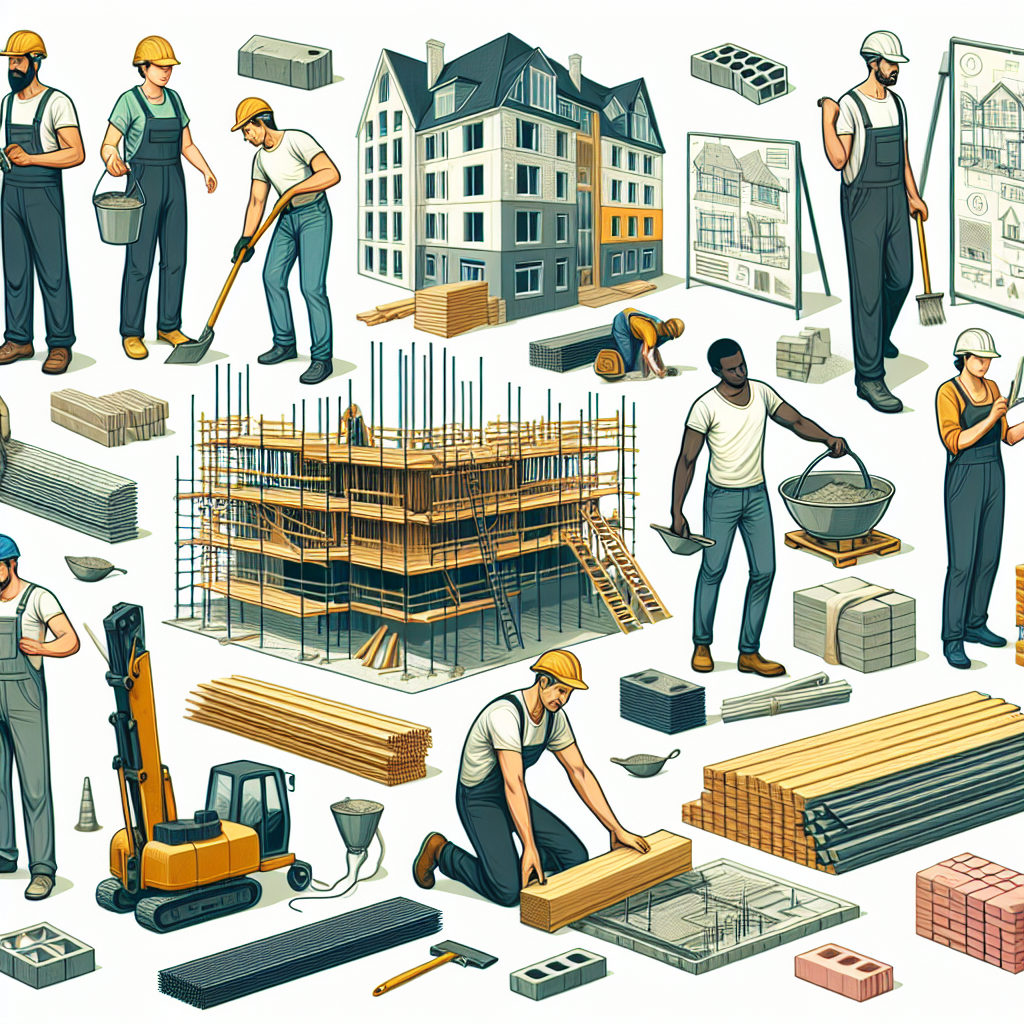
Affordable housing has emerged as a critical issue in urban planning and development in today’s rapidly urbanizing world. As property prices continue to soar, providing decent, safe, and budget-friendly housing options has become an increasingly complex yet imperative challenge. In this context, understanding and utilizing cost-effective materials and innovative construction methods can be a game-changer in making affordable housing a reality for more people. Innovations in building materials and methods offer numerous possibilities for reducing costs without compromising on quality or aesthetics. From prefabricated homes to sustainable materials, the options are diverse and promising.
In terms of materials, the emphasis has shifted towards using local, sustainable, and recycled resources. These materials not only lower the construction costs but also reduce the environmental impact. On the other hand, modern building methods such as modular construction and 3D printing are revolutionizing the way we think about building homes. These methods offer efficiency, speed, and cost reduction, making them ideal for affordable housing projects.
This article aims to delve deeper into the various materials and methods that can be employed to construct affordable housing. We will explore traditional materials that have stood the test of time, as well as cutting-edge innovations that are shaping the future of construction. We will also discuss the benefits and potential challenges associated with these options. By the end of this article, you should have a comprehensive understanding of how these materials and methods can be leveraged to address the growing need for affordable housing.
Sustainable Building Materials
When it comes to building affordable housing, one of the most effective strategies is to use sustainable building materials. Sustainable materials are sourced in a manner that has minimal environmental impact, are often derived from renewable resources, and can offer significant cost savings. Here are some examples of sustainable materials that are becoming increasingly popular in affordable housing projects:
- Bamboo: Known for its fast growth rate and strength, bamboo is a highly sustainable material. It can be used for framing, flooring, and even furniture.
- Recycled Steel: Steel is one of the most recycled materials on the planet. Using recycled steel reduces the need for virgin raw materials and energy consumption.
- Insulated Concrete Forms (ICFs): ICFs are forms for concrete that stay in place as a permanent part of the wall. They offer strong insulation, which can reduce energy costs in the long run.
- Rammed Earth: This ancient building technique involves compacting a mixture of earth and stabilizers into a formwork. It’s highly durable and offers excellent thermal mass.
- Reclaimed Wood: Wood salvaged from old buildings or other sources can be repurposed for new construction, reducing waste and lowering costs.
The use of these sustainable materials can significantly reduce the environmental footprint of a construction project. Additionally, many of these materials offer excellent insulation properties, which can lead to lower energy costs for residents. However, sourcing these materials can sometimes be a challenge, especially in regions where they are not readily available. Therefore, it’s crucial to plan ahead and establish reliable supply chains to ensure a consistent supply of sustainable materials.
Innovative Construction Methods
Innovative construction methods are redefining the way we build homes. These methods not only speed up the construction process but also reduce costs and waste. Here are some of the most promising construction methods for affordable housing:
- Modular Construction: This method involves constructing sections of a building off-site in a controlled environment, which are then transported and assembled on-site. This approach reduces construction time and minimizes waste.
- 3D Printing: 3D printing technology can be used to construct entire homes by layer-by-layer addition of material. This method is incredibly efficient and can significantly reduce labor costs.
- Prefab Homes: Prefabricated homes are built in sections in a factory and then transported to the construction site. This method offers quality control and reduces construction time.
- Panelized Construction: This method involves the construction of wall panels, roof trusses, and floor systems in a factory. These panels are then transported to the construction site and assembled.
- Insulated Concrete Forms (ICFs): As mentioned earlier, ICFs can also be considered a construction method. They provide excellent insulation and durability, making them suitable for affordable housing.
These innovative methods offer several advantages, including faster construction times, reduced labor costs, and minimized waste. However, they also come with their own set of challenges. For instance, transporting modular homes or large 3D printed components can be logistically complex and expensive. Additionally, some of these methods require specialized skills and equipment, which may not be readily available in all regions. Despite these challenges, the benefits often outweigh the drawbacks, making these methods a viable option for affordable housing projects.
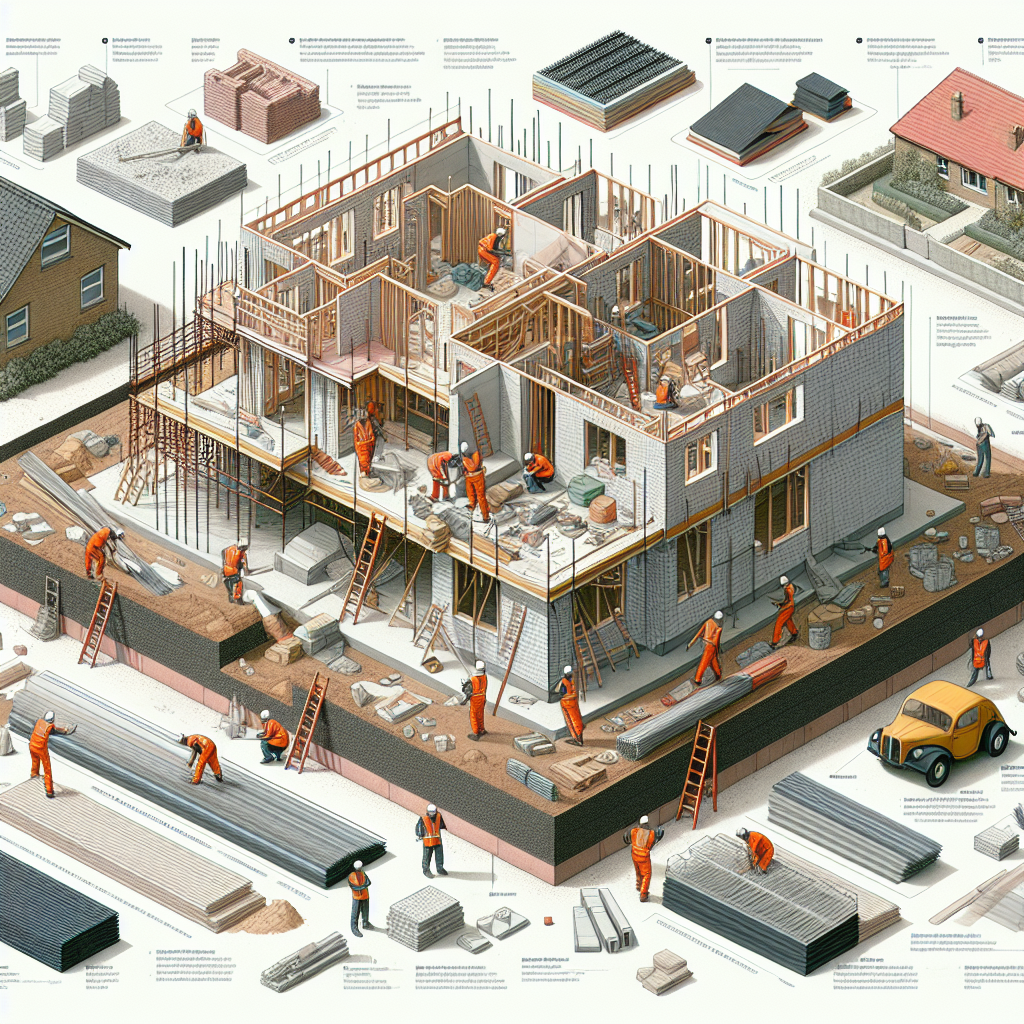
Challenges and Solutions
While the use of sustainable materials and innovative construction methods offers numerous benefits, several challenges must be addressed to make affordable housing a reality. Here are some common challenges and potential solutions:
- Sourcing Materials: Finding a reliable supply of sustainable materials can be challenging. Solution: Establish partnerships with local suppliers and invest in the development of local resources.
- Skilled Labor: Innovative construction methods often require specialized skills that may not be readily available. Solution: Invest in training programs to equip the local workforce with the necessary skills.
- Regulatory Hurdles: Building codes and regulations can sometimes hinder the adoption of new materials and methods. Solution: Work with local governments to update and adapt building codes to allow for innovative construction technologies.
- Financing: Securing funding for affordable housing projects can be difficult. Solution: Explore various financing options, including government grants, public-private partnerships, and innovative financing models like crowdfunding.
- Public Perception: There can be a stigma associated with affordable housing, which can affect community support. Solution: Engage with the community early in the planning process and emphasize the benefits of affordable housing for the entire community.
Addressing these challenges requires a multifaceted approach that involves collaboration among various stakeholders, including governments, developers, architects, and community members. By working together, we can overcome these obstacles and make affordable housing a reality for more people.
Case Studies
Examining case studies of successful affordable housing projects can provide valuable insights and inspire new initiatives. Here are a few notable examples:
- Nest We Grow, Japan: This project used locally-sourced timber and innovative design to create a community space and affordable housing units. The structure is sustainable and integrates traditional Japanese building techniques with modern technology.
- New York City Housing Authority (NYCHA): NYCHA has incorporated modular construction methods in several of its projects, resulting in reduced construction times and costs.
- Apis Cor, Russia: This company specializes in 3D printing homes and has successfully constructed a 400-square-foot home in just 24 hours, demonstrating the potential of 3D printing for affordable housing.
- Lake|Flato Porch House, USA: This project uses panelized construction methods to create energy-efficient, affordable homes that blend seamlessly with the natural environment.
- Green Village, Indonesia: This sustainable community used bamboo as the primary building material, showcasing the versatility of bamboo in creating durable and affordable housing.
These case studies highlight the potential of using sustainable materials and innovative construction methods in affordable housing projects. They demonstrate that with the right approach, it is possible to create high-quality, affordable homes that are also environmentally sustainable.
Future Trends
The field of affordable housing is continuously evolving, with new trends and innovations shaping the future of construction. Here are some emerging trends to watch:
- Smart Homes: Incorporating smart technology into affordable housing can enhance energy efficiency, security, and overall livability. Smart thermostats, lighting, and security systems are becoming more affordable and accessible.
- Sustainable Urban Planning: Integrating affordable housing into sustainable urban planning initiatives can create more inclusive and resilient communities. This includes mixed-use developments, green spaces, and public transportation options.
- Zero-Energy Buildings (ZEBs): ZEBs produce as much energy as they consume through renewable energy sources like solar and wind. These buildings can reduce energy costs for residents and contribute to environmental sustainability.
- Community-Led Development: Involving the community in the planning and development process can lead to more successful and sustainable affordable housing projects. This approach fosters a sense of ownership and ensures that the housing meets the needs of the community.
- Innovative Financing Models: New financing models, such as social impact bonds and community land trusts, are emerging as viable options for funding affordable housing projects. These models can attract private investment and reduce the financial burden on governments.
These trends indicate a promising future for affordable housing, driven by technological advancements and a growing emphasis on sustainability and community engagement. As these trends continue to evolve, they will play a crucial role in addressing the global housing crisis.
Conclusion
Building affordable housing is a complex but essential task that requires innovative solutions and collaborative efforts. By leveraging sustainable materials and modern construction methods, we can create cost-effective, high-quality housing that meets the growing demand. While challenges such as sourcing materials, skilled labor, and regulatory hurdles exist, they can be overcome through strategic planning, investment in training, and collaboration among stakeholders. Case studies from around the world demonstrate the potential of these approaches and provide valuable lessons for future projects.
Future trends such as smart homes, sustainable urban planning, zero-energy buildings, community-led development, and innovative financing models offer new opportunities to further enhance the affordability and sustainability of housing. By staying informed and adopting these trends, we can build a better future for communities around the world.
Ultimately, affordable housing is not just a matter of cost; it’s about providing safe, decent, and sustainable living conditions for all. Through continued innovation and collaboration, we can make this vision a reality and ensure that everyone has access to a place they can call home.
Frequently Asked Questions
1. What are some effective materials used in building affordable housing?
Building affordable housing doesn’t just mean cutting corners on cost; it involves selecting materials that offer the best balance between durability, cost-effectiveness, and sustainability. Some of these materials include:
Engineered Wood: Engineered wood, like particleboard or laminated wood, is not only cost-effective but also environmentally friendly. It utilizes wood fibers that might otherwise be wasted, offering strength and stability for construction purposes.
Autoclaved Aerated Concrete (AAC): This innovative material is lightweight, insulating, and easy to work with. It offers excellent fire resistance and acoustical performance, making it a great choice for cost-effective housing.
Recycled Steel: Using recycled steel reduces the environmental impact of mining and processing materials. It’s known for its strength and adaptability, allowing for creative architectural designs at a lower cost.
Rammed Earth: Although an ancient building method, rammed earth walls have come back into favor due to their thermal mass, sustainability, and ability to create beautiful and naturally finished homes.
Bamboo: Known as the “green steel of the 21st century,” bamboo grows rapidly and is a renewable resource. It’s incredibly strong and when treated, can last for decades, making it a fantastic material for low-cost housing projects.
2. Which construction methods are most effective for affordable housing?
Several innovative construction methods have emerged as game-changers in building affordable housing. These methods focus on reducing construction time and labor costs without compromising quality and aesthetic value.
Modular Construction: This involves constructing sections of a building off-site in a controlled environment, which are then transported to the site for assembly. It significantly reduces construction time and is highly efficient in terms of labor and resource utilization.
3D Printing: A cutting-edge technology, 3D printing in construction allows builders to create homes directly on-site using specially designed printers. These printers deposit layers of concrete or other materials to form the walls and structure of the building, promising a revolutionary decrease in both material waste and labor costs.
Prefabrication: Similar to modular construction, prefab buildings are created in a factory setting and assembled on site. This can drastically cut down on waste and enable precision construction techniques, ensuring good quality control.
Insulating Concrete Forms (ICF): ICF involves stacking hollow blocks made of insulation materials and filling them with concrete. This creates a wall with excellent insulation properties, reducing heating and cooling costs significantly for residents.
3. How does sustainable building material contribute to affordable housing?
Sustainability in building materials helps address environmental concerns while also reducing costs over the lifespan of a house. Here’s how sustainable materials play a crucial role:
Lower Operational Costs: Sustainable materials often have superior insulating properties, which reduce the energy required for heating and cooling. This translates into lower utility bills for residents, a crucial factor in keeping housing affordable.
Durability and Longevity: Materials like recycled steel and rammed earth have an extended lifespan with minimal maintenance required. This reduces long-term repair and replacement costs for the homeowner or housing provider.
Reduced Initial Costs through Local Sourcing: Many sustainable materials, like bamboo and engineered wood, can be sourced locally. This cuts transportation costs and supports local economies while keeping construction costs down.
Environmental Impact and Social Responsibility: By using sustainable materials, builders promote a healthier environment. Reducing reliance on non-renewable resources supports global efforts to curb carbon emissions and other pollutants.
4. What role does government policy play in facilitating affordable housing construction?
Government policies significantly impact the development and construction of affordable housing. These policies can stimulate growth in this area by:
Subsidies and Incentives: Governments can provide subsidies or tax incentives to developers who focus on affordable housing projects. This can help offset costs and make such projects more attractive financially.
Regulatory Support: Streamlining zoning laws and reducing bureaucratic red tape can facilitate quicker project approvals. The government may also offer flexible land-use policies, allowing for innovative uses of space which can lower costs.
Financial Support: Loan guarantees or grants to both builders and potential homebuyers help increase the demand and supply of affordable housing. Financial products aimed at single-family or low-income buyers can make mortgage payments more manageable.
Partnering with NGOs and Private Sectors: Government cooperation with non-profit organizations and private companies can lead to unique solutions such as public-private-partnerships aimed at increasing affordable housing stock.
5. Are there specific challenges involved in using these materials and methods for affordable housing?
Despite their benefits, using innovative materials and methods for affordable housing involves certain challenges:
Initial Learning Curve: New technologies and materials require education and training for builders, architects, and laborers. This can result in initial slowdowns and increased upfront costs.
Availability of High-Tech Materials: Some newer construction materials might not be available in every region, leading to increased costs due to shipping or importing materials.
Regulatory Approval: Specialized methods like 3D printing and prefabrication may not be immediately recognized or approved under existing building codes. This can cause delays in project initiation and completion.
Perception Challenges: There is sometimes a stigma attached to unconventional building methods and materials, with doubts about their longevity or desirability from an aesthetic perspective. Overcoming these perceptions is important for broader adoption.
Integration with Existing Infrastructure:** New construction methods must seamlessly integrate with current infrastructure systems such as plumbing, electrical, and waste, which might require adaptation or upgrades.


