

Affordable housing has become a pivotal issue in urban planning and development. Without access to affordable housing, many people face instability in their lives and communities. At the same time, public transportation is an essential service that connects individuals to jobs, education, healthcare, and other critical services. This article will explore the integration of affordable housing and public transportation as complementary solutions to enhance the quality of life for urban residents. It aims to illustrate how combining these two elements can create more equitable and sustainable cities.
City planners, policymakers, and developers must consider the symbiotic relationship between housing affordability and transportation. Affordable housing projects often emerge on the outskirts of cities, far from key infrastructure and services, making it difficult for low-income residents to thrive. Public transportation can bridge this gap, reducing the time and cost burden of commuting for residents. This synergy not only alleviates pressure on the housing market but also fosters more inclusive urban development.
Integrating affordable housing with efficient public transportation infrastructure can also address several pressing social and economic challenges. It can help reduce urban sprawl, support environmental sustainability, and promote economic opportunities for marginalized communities. As cities continue to grow, the importance of such integrated solutions cannot be overstated.
This article will examine various aspects of affordable housing and public transportation integration, including the benefits, challenges, and successful case studies. Furthermore, it will discuss policy recommendations and strategies for effectively implementing these solutions in urban areas.
The Benefits of Integration
The integration of affordable housing and public transportation provides numerous advantages. One significant benefit is the increased accessibility to essential services and employment opportunities. For low-income families, transportation costs can constitute a substantial portion of their budget. Efficient public transit systems can alleviate this financial burden, allowing them to allocate their resources to other essential needs.
Moreover, public transportation reduces dependence on personal vehicles, which can be costly to own and maintain. This shift not only benefits individual residents but also contributes to broader environmental sustainability by decreasing greenhouse gas emissions and traffic congestion. Cities with robust public transportation systems often experience improved air quality and reduced urban sprawl.
Creating an integrated approach to housing and transportation also enhances social equity. It ensures that all residents, regardless of income level, have access to the opportunities and resources they need to improve their quality of life. By fostering a more inclusive urban environment, cities can promote social cohesion and reduce disparities among their populations.
Furthermore, such integration can stimulate economic growth. By connecting affordable housing to public transportation, cities can attract a diverse workforce, support local businesses, and encourage investment in underserved areas. This creates a virtuous cycle of development that benefits the entire community.
Challenges to Overcome
While the benefits of integrating affordable housing and public transportation are substantial, several challenges need to be addressed. One major barrier is the financial constraints faced by both public agencies and private developers. Developing and maintaining affordable housing requires significant investment, and the same goes for expanding and improving public transportation systems.
Additionally, there are often bureaucratic and regulatory hurdles that complicate the coordination between housing and transportation planning. Different government agencies may have conflicting priorities, and aligning their efforts can be a complex process. Streamlining these processes through comprehensive and cohesive policies is crucial.
NIMBYism (Not In My Backyard) is another challenge that frequently arises in the context of affordable housing developments. Existing residents may resist new projects due to perceived threats to property values or changes in neighborhood character. Overcoming these objections requires effective community engagement and education about the long-term benefits of integrated planning.
Finally, there is the issue of equity in public transportation itself. Not all transit systems are created equal, and low-income neighborhoods may receive less investment and lower-quality services. Ensuring that public transportation networks are designed and operated in an equitable manner is essential for maximizing the benefits of integration.
Successful Case Studies
Several cities around the world have successfully integrated affordable housing with public transportation, offering valuable lessons for others seeking to do the same. One notable example is Vienna, Austria. The city has long been a leader in affordable housing, with a significant portion of its housing stock managed by public or non-profit entities. Vienna’s comprehensive public transportation network is seamlessly integrated with its housing policies, providing residents with convenient and affordable mobility options.
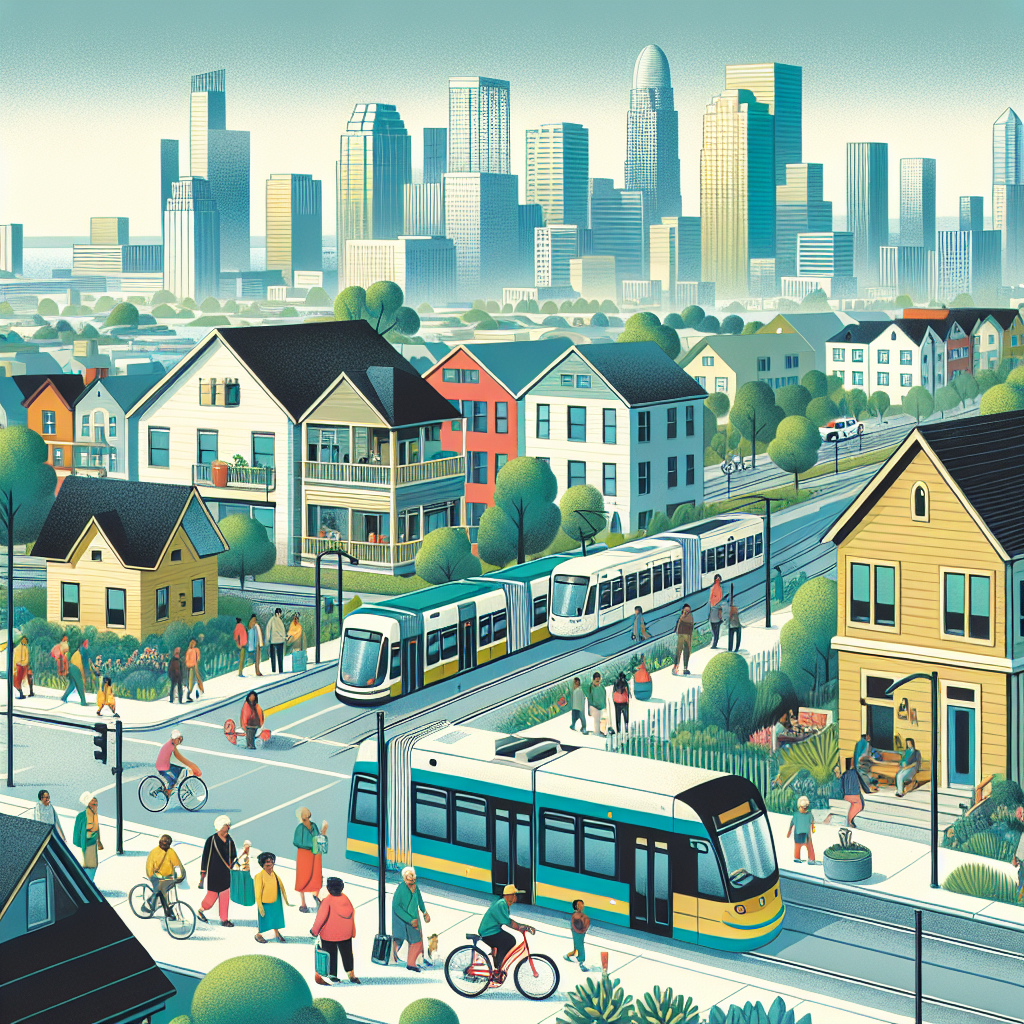
In the United States, Portland, Oregon, stands out as a model of integrated planning. The city has implemented transit-oriented development (TOD) strategies that focus on building affordable housing near public transportation hubs. This approach has not only improved accessibility for low-income residents but also spurred economic development and reduced the city’s carbon footprint.
Singapore offers another compelling case study. The city-state has employed a holistic approach to urban planning, where public housing and transportation are tightly coordinated. As a result, Singapore boasts high rates of public transit usage, efficient land use, and high-quality housing that is accessible to a wide range of income levels.
These examples demonstrate that with political will, smart planning, and community support, the integration of affordable housing and public transportation can be highly successful. They provide a roadmap for other cities aiming to create more equitable and sustainable urban environments.
Policy Recommendations
To effectively integrate affordable housing with public transportation, several policy recommendations can be considered. Firstly, cities should adopt the concept of Transit-Oriented Development (TOD). TOD focuses on creating compact, walkable neighborhoods centered around high-quality public transportation. This approach not only facilitates efficient land use but also enhances accessibility for residents.
Secondly, cities should provide incentives for private developers to build affordable housing near transit hubs. These incentives can include tax breaks, subsidies, or expedited permitting processes. Such measures can encourage the private sector to contribute to the development of integrated housing solutions.
Thirdly, it is essential to ensure that public transportation services are equitable and inclusive. This means prioritizing investment in underserved neighborhoods, improving the frequency and reliability of services, and making transit affordable for all residents.
Furthermore, comprehensive planning and coordination between various government agencies are crucial. Creating joint task forces or inter-agency committees can help align housing and transportation policies and streamline the implementation of integrated solutions.
Lastly, engaging the community is vital for the success of these initiatives. Public consultations, workshops, and informational campaigns can help build support for integrated planning and address any concerns or misconceptions among residents.
Future Prospects
As cities continue to grow and evolve, the integration of affordable housing and public transportation will become increasingly important. Future prospects for this integration are promising, as technological advancements and shifting urban priorities create new opportunities for innovation.
Emerging technologies such as autonomous vehicles and smart transit systems have the potential to revolutionize public transportation. These advancements can enhance the efficiency and accessibility of transit networks, making it easier to integrate them with affordable housing developments.
Additionally, the growing emphasis on sustainability and climate resilience in urban planning provides a strong impetus for integrated solutions. Cities are recognizing the need to reduce their carbon footprints and build more resilient communities in the face of climate change. Integrating housing and transportation is a key strategy for achieving these goals.
Moreover, the COVID-19 pandemic has highlighted the importance of equitable access to essential services and the need for resilient urban infrastructure. The lessons learned from the pandemic are likely to shape future approaches to housing and transportation planning, emphasizing the importance of inclusivity and preparedness.
Overall, the future of affordable housing and public transportation integration looks bright. By continuing to innovate, invest, and prioritize equitable development, cities can create more sustainable and inclusive urban environments for all residents.
Conclusion
In conclusion, the integration of affordable housing with public transportation offers a powerful solution for creating more equitable, sustainable, and resilient cities. By improving accessibility, reducing commuting costs, and fostering social cohesion, this approach can significantly enhance the quality of life for urban residents.
Despite the challenges that exist, successful case studies from around the world demonstrate that integrated planning is achievable with the right policies, investments, and community support. By adopting strategies such as Transit-Oriented Development, providing incentives for developers, ensuring equitable transit services, and fostering inter-agency collaboration, cities can pave the way for inclusive and sustainable urban development.
As urban populations continue to rise, the need for integrated solutions becomes more pressing. The future of affordable housing and public transportation integration looks promising, with technological advancements, sustainability imperatives, and lessons from recent global events guiding the way forward.
Ultimately, the integration of affordable housing and public transportation is not just a matter of infrastructure—it is a matter of social justice and economic opportunity. By prioritizing this integration, cities can build a brighter future for all their residents.
Frequently Asked Questions
1. Why is the integration of affordable housing and public transportation important in urban development?
The integration of affordable housing and public transportation plays a crucial role in urban development as it addresses the interconnected challenges of housing affordability and transportation accessibility. By aligning these two critical components, we can create more equitable cities where residents have access to essential services and opportunities. For many urban dwellers, the cost of housing can consume a significant portion of their income. When compounded with transportation expenses, the financial burden becomes even heavier. By strategically locating affordable housing near public transportation networks, we reduce transportation costs and travel time, contributing to overall economic stability and enhanced quality of life for residents. Not only does this integration support individual economic resilience, but it also fosters vibrant, interconnected communities and promotes sustainable urban growth.
2. How does access to public transportation influence the affordability of housing?
Access to public transportation significantly impacts the affordability of housing by influencing commuting costs and accessibility to jobs and amenities. Housing located near robust public transportation networks typically offers residents the ability to live without the high costs associated with car ownership, such as fuel, maintenance, insurance, and parking. Moreover, proximity to reliable transit reduces commuting times, allowing residents to invest more time in productive activities, improving their work-life balance and overall satisfaction with their living situation. As a result, properties near transit hubs tend to be in higher demand, often maintaining higher occupancy and stable property values. By integrating public transportation access with affordable housing initiatives, urban planners can make lower-cost living options more viable for a broader segment of the population, thus supporting diverse and inclusive communities.
3. What challenges do cities face when integrating affordable housing with public transportation?
Cities encounter numerous challenges when attempting to integrate affordable housing with public transportation. One major hurdle is the availability of land, as urban environments often face constraints regarding space and zoning laws. Real estate near transit hubs can be particularly contested due to high demand, leading to increased land prices that may deter affordable housing developments. Regulatory hurdles can also slow down or complicate development processes, requiring coordination across different governmental agencies to resolve issues efficiently. Furthermore, securing funding for both infrastructure and affordable housing projects presents a logistical challenge. Municipal budgets may be limited, necessitating collaboration with developers, investors, and non-profit organizations. Overcoming these challenges requires innovative approaches to financing, land use policies, and community engagement to ensure successful integration that meets the needs of diverse urban populations.
4. What are some examples of successful integration of affordable housing and public transportation?
There are several exemplary cases worldwide where the integration of affordable housing and public transportation has proven successful. One notable example is Portland, Oregon’s transit-oriented development initiatives, which focus on building compact, walkable urban centers with mixed-use developments that include affordable housing units alongside easy access to light rail and bus services. Similarly, Arlington County in Virginia has implemented a “Smart Growth” approach, emphasizing density around transit stations and providing affordable housing through innovative financing and zoning tools. In Asia, the city-state of Singapore has skillfully integrated public transportation and housing development; its Housing and Development Board ensures that public housing is located with easy access to extensive public transit options, thus reducing car dependency. In these cities, the collaborative approach to urban planning between governmental bodies, developers, and community organizations has played a significant role in creating livable, connected communities that serve as models for other urban centers worldwide.
5. How can policy makers effectively encourage the integration of affordable housing and public transportation?
Policy makers can foster the integration of affordable housing and public transportation through comprehensive urban planning and supportive policy frameworks. One effective strategy is the implementation of transit-oriented development (TOD) policies that encourage high-density, mixed-use developments near transit hubs. Encouraging public-private partnerships can unlock funding and expertise to develop affordable housing projects efficiently and sustainably. Additionally, zoning regulations can be adapted to allow for greater density and mixed land uses, along with incentives for developers to include affordable housing units in their projects. On a broader scale, establishing public policies that allocate funding specifically for the integration of transportation and affordable housing projects ensures a steady stream of resources. Policies that prioritize community involvement and feedback during the planning process can help ensure that developments meet the needs and preferences of the communities served, thereby fostering a sense of ownership and cooperation. By creating a holistic policy environment that aligns objectives across different governmental and private sectors, policy makers can drive meaningful advancements in integrating affordable housing and public transportation.


