
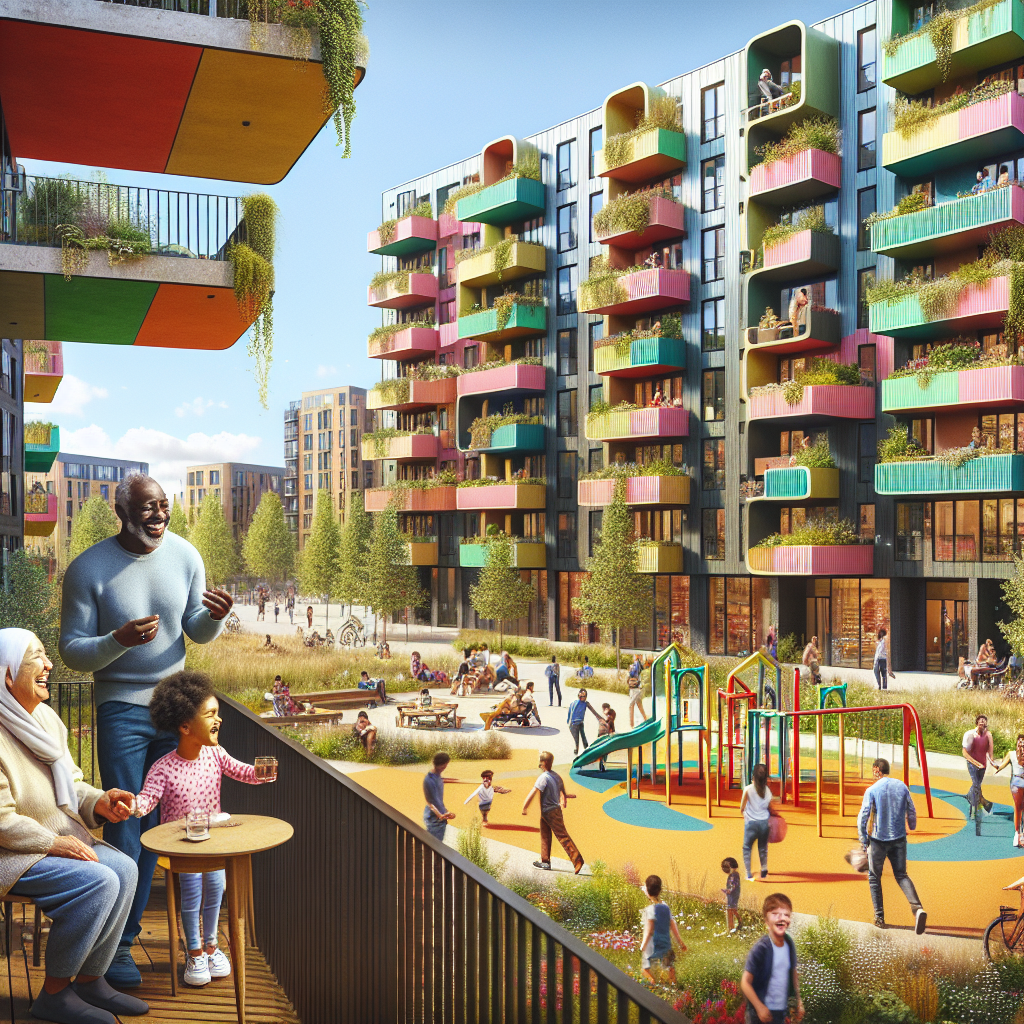
Affordable housing is a critical issue facing many urban areas today. As the cost of living continues to rise, more and more individuals find themselves struggling to afford suitable accommodation. However, addressing the issue of affordable housing goes beyond merely providing a roof over people’s heads. It involves creating environments where individuals can thrive, which is where the concept of integrating public spaces comes into play. Public spaces such as parks, community centers, and shared green areas play a significant role in enhancing the quality of life for residents. They serve as places for relaxation, socialization, and recreation, fostering a sense of community and belonging.
In this article, we will explore the intricate relationship between affordable housing and public spaces. We will delve into how these elements can be harmoniously combined to create vibrant, thriving communities. We’ll look at successful case studies and discuss the benefits of intertwining public amenities with residential areas. Moreover, we’ll examine the challenges involved and propose solutions to overcome them. Our goal is to shed light on the importance of holistic urban planning that prioritizes both affordable housing and well-designed public spaces.
The Importance of Public Spaces in Affordable Housing Projects
Public spaces are more than just patches of greenery or open areas; they are integral components of urban life. In the context of affordable housing, the significance of public spaces cannot be overstated. These spaces contribute to the physical and mental well-being of residents by providing areas for exercise, relaxation, and social interaction. When integrated into affordable housing projects, public spaces help to break down social barriers, promoting inclusivity and a sense of shared ownership among residents.
Moreover, well-designed public spaces can act as communal gathering spots where residents can interact, build relationships, and foster a sense of community. This is particularly important in affordable housing communities where social isolation can be a significant issue. Parks, playgrounds, and community gardens can serve as venues for community events, activities, and initiatives that bring people together, nurturing a sense of belonging and community spirit.
Additionally, public spaces can enhance the aesthetic appeal of affordable housing projects, making them more attractive and livable. Green spaces, in particular, have been linked to numerous health benefits, including reduced stress levels and improved mental health. By incorporating public spaces into affordable housing developments, urban planners can create environments that promote the well-being of residents and contribute to the overall vibrancy of the community.
Successful Case Studies: Blending Affordable Housing with Public Spaces
Several cities around the world have successfully integrated affordable housing with well-designed public spaces, creating dynamic and thriving communities. One such example is the High Line in New York City. Originally an elevated railway track, the High Line has been transformed into a linear public park that runs through several residential neighborhoods. The park has not only provided much-needed green space for residents but has also spurred economic development in the surrounding areas, including the construction of affordable housing units.
Another notable example is the Parque Biblioteca España in Medellín, Colombia. This project focused on creating a public park and library in a low-income neighborhood plagued by crime and violence. The park and library have become a focal point of the community, providing residents with access to educational resources, recreational activities, and a safe space for social interaction. The success of this project has been attributed to the involvement of the local community in the planning and implementation process, ensuring that the development met the needs and aspirations of residents.
Similarly, the Vauban neighborhood in Freiburg, Germany, is a prime example of sustainable urban development. This eco-friendly neighborhood features affordable housing, extensive green spaces, and community amenities such as schools, kindergartens, and shopping centers. The incorporation of public spaces into the design of the Vauban neighborhood has not only enhanced the quality of life for residents but has also promoted environmentally sustainable living.
Benefits of Integrating Public Spaces with Affordable Housing
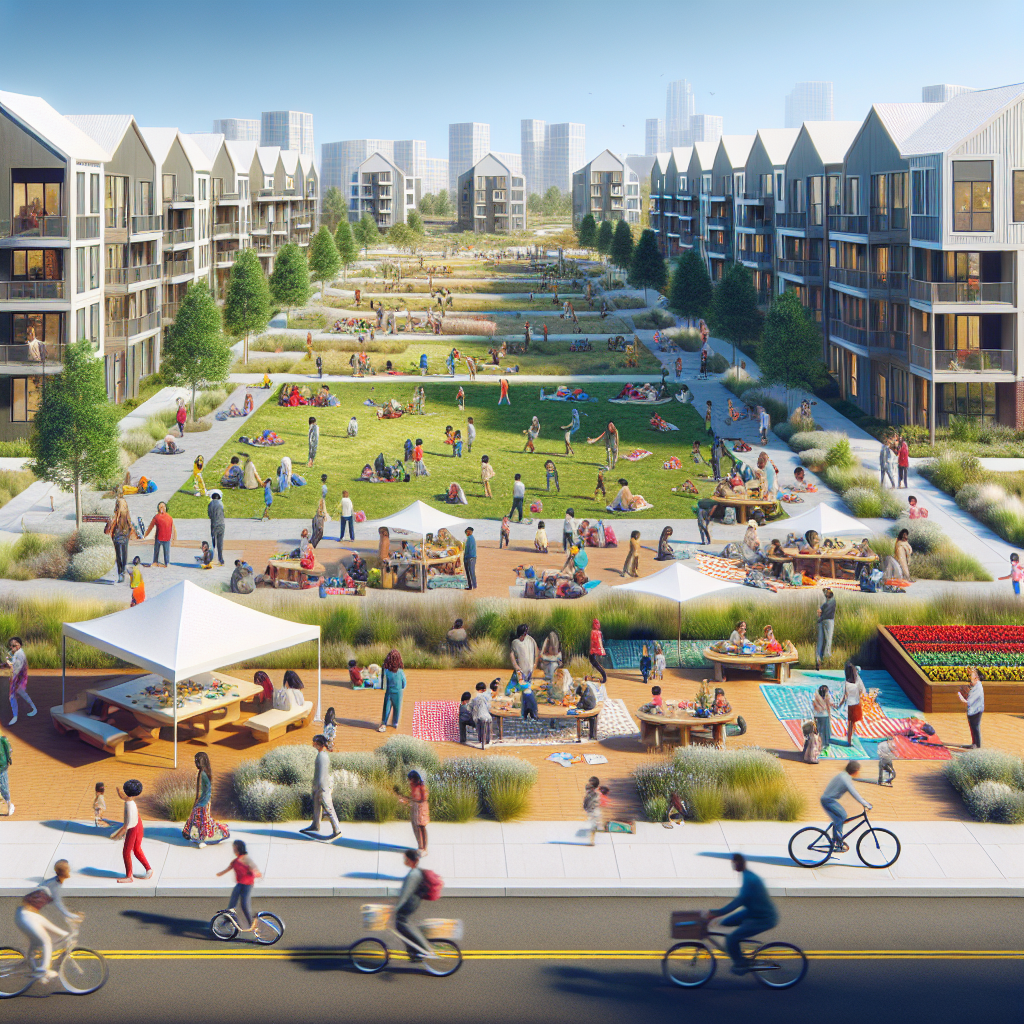
The integration of public spaces with affordable housing offers numerous benefits that extend beyond the immediate community. One of the most significant advantages is the enhancement of social cohesion. Public spaces provide opportunities for residents to interact, socialize, and participate in community activities, fostering a sense of belonging and unity. This can be particularly beneficial in affordable housing communities, where residents may come from diverse backgrounds and face social and economic challenges.
Another key benefit is the improvement of mental and physical health. Public spaces such as parks, playgrounds, and recreational areas encourage physical activity and play, which are essential for maintaining overall health and well-being. Additionally, access to green spaces has been linked to reduced stress levels, improved mental health, and increased feelings of happiness and satisfaction.
Public spaces also contribute to the economic vitality of affordable housing communities. They can attract businesses, create job opportunities, and increase property values. For instance, developments like the High Line in New York City and the Vauban neighborhood in Germany have demonstrated how public spaces can stimulate economic growth and attract investment, benefiting the entire community.
Furthermore, integrating public spaces into affordable housing developments can contribute to environmental sustainability. Green spaces and parks can serve as natural habitats for wildlife, promote biodiversity, and help reduce urban heat islands. They can also play a role in managing stormwater and improving air quality, enhancing the overall environmental quality of urban areas.
Challenges in Implementing Public Spaces within Affordable Housing Developments
While the benefits of integrating public spaces with affordable housing are evident, there are several challenges that urban planners and developers must address. One of the primary obstacles is the availability of land. In densely populated urban areas, finding suitable land for both affordable housing and public spaces can be challenging. Additionally, land costs can be prohibitively high, making it difficult to allocate resources for public amenities.
Another significant challenge is funding. Developing and maintaining public spaces requires substantial financial investment, which can be a barrier for affordable housing projects that often operate with limited budgets. Securing funding from public and private sources can be a complex process, and there is often competition for available funds.
Moreover, there can be resistance from local communities and stakeholders. Concerns about safety, maintenance, and potential misuse of public spaces can create opposition to their development. Engaging residents and stakeholders in the planning process is crucial to address these concerns and build support for public space initiatives.
Finally, the design and implementation of public spaces must be carefully considered to ensure they meet the needs of the community. Poorly designed or underutilized public spaces can become eyesores and negatively impact the community. It is essential to involve residents in the planning and design process and to consider factors such as accessibility, safety, and functionality to create successful public spaces.
Strategies for Overcoming Challenges and Success Recommendations
Despite the challenges, there are several strategies that urban planners and developers can employ to successfully integrate public spaces with affordable housing. One effective approach is leveraging public-private partnerships. Collaborating with private developers, businesses, and non-profit organizations can help secure funding and resources for public space projects. Additionally, public-private partnerships can facilitate the sharing of expertise and innovation, leading to more successful and sustainable developments.
Another strategy is incorporating community engagement in the planning process. Involving residents and stakeholders in the design and decision-making process ensures that public spaces meet the needs and aspirations of the community. Participatory planning can also build support and ownership among residents, increasing the likelihood of successful implementation and long-term sustainability.
Sustainable design and maintenance practices are also crucial. Utilizing environmentally friendly materials, incorporating green infrastructure, and implementing low-maintenance landscaping can reduce costs and enhance the sustainability of public spaces. Additionally, creating a comprehensive maintenance plan and allocating resources for ongoing upkeep is essential to ensure public spaces remain safe, functional, and attractive.
Urban planners should also consider mixed-use developments that combine residential, commercial, and public spaces. Mixed-use developments can create vibrant, diverse communities and generate economic activity that supports the maintenance and development of public spaces. Integrating affordable housing with commercial and public amenities can enhance the overall appeal and livability of the community.
Conclusion
Creating vibrant, thriving communities requires a holistic approach that prioritizes both affordable housing and well-designed public spaces. Public spaces are essential components of urban life, contributing to the physical and mental well-being of residents, fostering social cohesion, and promoting economic vitality. By integrating public spaces into affordable housing developments, urban planners and developers can create environments where individuals and communities can thrive.
While there are challenges to implementing public spaces within affordable housing developments, there are also numerous strategies and best practices that can help overcome these obstacles. Leveraging public-private partnerships, engaging the community in the planning process, utilizing sustainable design and maintenance practices, and incorporating mixed-use developments are all effective approaches to creating successful and vibrant communities.
As we look to the future, it is essential to prioritize the integration of affordable housing with public spaces in urban planning and development. By doing so, we can create inclusive, sustainable, and livable communities that enhance the quality of life for all residents. Let us strive to build cities that are not only economically and environmentally sustainable but also socially cohesive and vibrant, where everyone has the opportunity to thrive.
Frequently Asked Questions
1. What is affordable housing and why is it important in urban areas?
Affordable housing refers to residential properties that are made accessible to individuals or families whose income is below the median household income level. In many urban areas, the cost of living continues to climb, making it challenging for individuals, particularly those with lower incomes, to afford decent housing. Without affordable housing, many people are at risk of homelessness or living in inadequate conditions that don’t meet basic standards of health and safety. Moreover, having access to affordable housing is crucial for fostering diverse, sustainable communities where people of different backgrounds can live and work. It promotes economic stability, reduces poverty, and supports the well-being of families and individuals.
2. How does integrating public spaces enhance affordable housing projects?
Integrating public spaces in affordable housing projects transforms mere living arrangements into vibrant communities. Public spaces like parks, playgrounds, community centers, and shared gardens offer residents areas for relaxation, recreation, and social interaction, essential for mental and physical well-being. These spaces encourage connectivity, allowing individuals from varied backgrounds to mingle, fostering a sense of belonging and community spirit. Moreover, well-designed public spaces can increase the appeal and livability of a neighborhood, promoting health and environmental benefits such as reduced pollution and urban heat, more opportunities for civic engagement, and increased property values.
3. What are some strategies to effectively develop affordable housing and public spaces?
Some effective strategies for developing affordable housing linked with public spaces include mixed-use development, inclusionary zoning, and community land trusts. Mixed-use development combines residential, commercial, and recreational spaces into a single area, providing convenience and boosting local economies. Inclusionary zoning requires developers to construct a portion of their housing projects as affordable units. Community land trusts help ensure long-term affordability by owning land collectively for housing purposes, preventing market fluctuations from driving prices up. Additionally, collaborative planning with community input ensures that public spaces meet the actual needs and desires of residents, enhancing their usefulness and adoption.
4. What role does government policy play in shaping affordable housing and public spaces?
Government policy is pivotal in facilitating the growth of affordable housing and public spaces. Through policies like tax incentives, funding allocations, and zoning laws, governments can create an environment that’s conducive to the development of affordable homes. For instance, tax credits can make affordable housing projects more financially viable, while zoning ordinances can ensure that new developments include public spaces. Publicly funded projects or subsidies can also attract private sector partners to invest in affordable housing. In addition to these, strategic long-term urban planning that encompasses housing, transportation, and environmental policies can create a sustainable foundation for communities to thrive.
5. Can public spaces influence the success of affordable housing communities?
Absolutely, public spaces can significantly influence the success and sustainability of affordable housing communities. They provide essential social infrastructure that enhances residents’ quality of life. Quality public spaces can lead to increased public safety by promoting activity and surveillance through constant human presence, which can reduce crime. They also encourage active lifestyles, decrease stress levels, and improve overall mental health. Socially, they offer venues for community gatherings, cultural events, and everyday interactions, which build strong social ties and networks that are crucial for community development. Ultimately, the presence of such spaces in housing projects ensures that they are not just places where people live, but communities where people thrive.


