
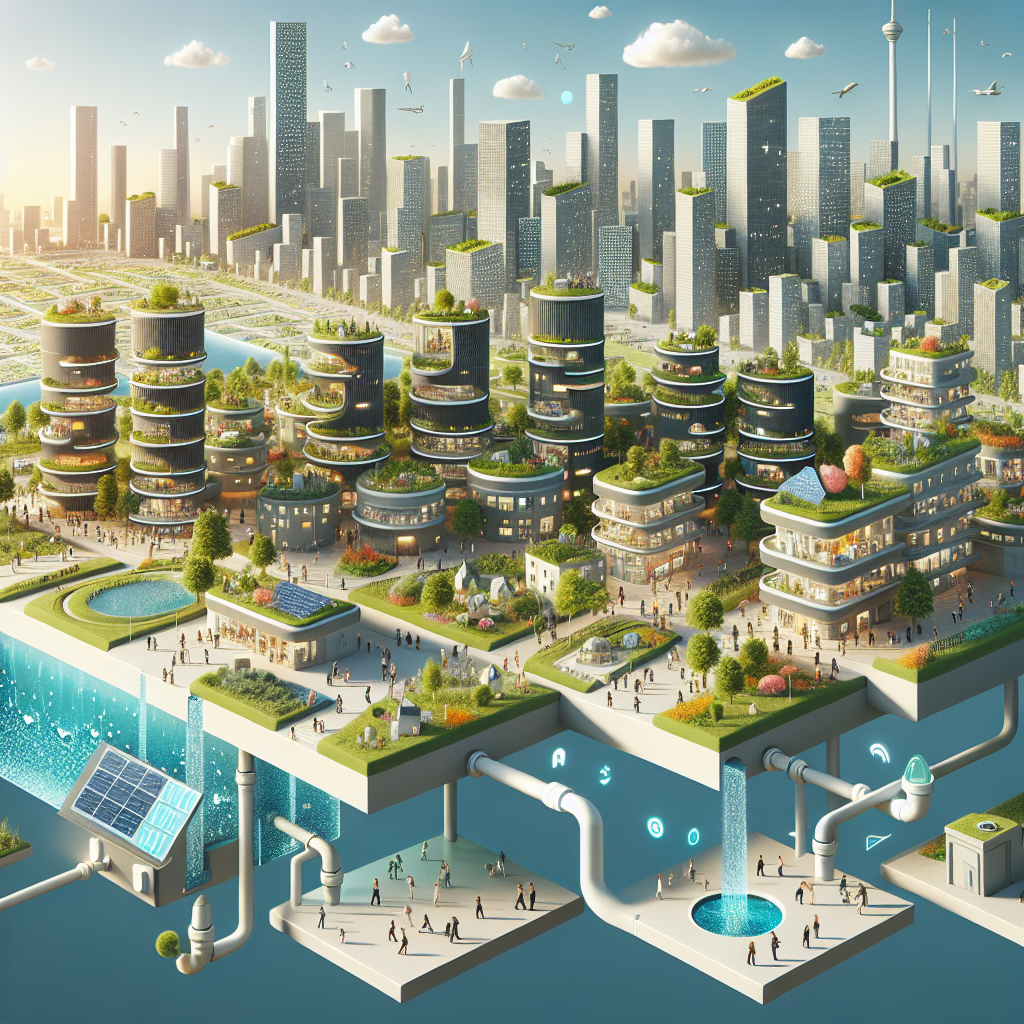
Affordable housing has become a critical need in many urban areas worldwide. An often overlooked component of affordable housing is effective water management. As populations grow and climate change impacts become more apparent, the necessity for integrating sustainable water practices into housing projects has never been greater. Water management in affordable housing encompasses numerous strategies, including water conservation, recycling, and efficient use of existing resources.
Water is fundamental to life; however, its availability is increasingly under threat. Urban housing developments, especially those designed to be affordable, must consider sustainable water solutions to ensure long-term viability and cost-efficiency. These solutions not only help in reducing water bills but also play a crucial role in environmental conservation. Properly managing water means minimizing waste, reducing the cost of living for residents, and improving the resilience of communities against water scarcity and climate change.
In the following sections, we will explore various strategies and practices that can be integrated into affordable housing projects to achieve better water management. From community-based solutions to advanced technological implementations, this article aims to provide a comprehensive overview of possible sustainable approaches.
Water Conservation Techniques
Water conservation is the first and most crucial step in managing water efficiently. For affordable housing projects, it is imperative to adopt water-saving measures that are both effective and financially viable. One of the simplest techniques includes the installation of low-flow fixtures. Low-flow showerheads, faucets, and toilets can significantly reduce water usage without compromising performance.
Further, the installation of dual-flush toilets offers an additional benefit. These toilets provide two flushing options – a lower volume for liquid waste and a higher volume for solid waste, which can save a substantial amount of water over time. Retrofitting older buildings with these new fixtures can also prove to be a cost-effective method of water conservation.
Rainwater harvesting is another technique that is gaining popularity. By collecting and storing rainwater, communities can reduce their dependence on municipal water supplies. This harvested water can be used for non-potable purposes such as irrigation, toilet flushing, and even laundry. Simple systems such as rain barrels can be installed in homes, while more complex systems might include underground tanks and plumbing integration.
Education and awareness programs also play a significant role in water conservation. Educating residents about water-saving practices, like fixing leaks, turning off the tap while brushing teeth, and opting for shorter showers, can collectively make a huge difference. When the entire community participates, the impact on water conservation can be considerable.
Greywater Recycling Systems
Greywater recycling involves the treatment and reuse of relatively clean wastewater from activities such as laundry, dishwashing, and bathing. Rather than sending this water directly to the sewer, greywater can be repurposed for non-potable uses, significantly reducing the demand for fresh water.
Affordable housing projects can integrate greywater systems to use this resource more efficiently. For instance, greywater can be used for landscape irrigation or toilet flushing. Implementing these systems requires an initial investment but proves to be cost-effective in the long run as it greatly reduces water bills.
There are typically two types of greywater systems: simple and complex. Simple systems are relatively inexpensive and easy to maintain, requiring minimal treatment. These systems might include diverting shower water directly to garden beds. Complex systems, on the other hand, involve more advanced treatment processes to make the greywater safe for a wider range of uses.
Successful greywater systems also depend on correct installation and maintenance. Regular monitoring and understanding the system’s capabilities and limits are vital to ensure its longevity and effectiveness. When executed well, greywater recycling not only conserves water but also offers a sustainable solution for affordable housing projects.
Efficient Landscaping Practices
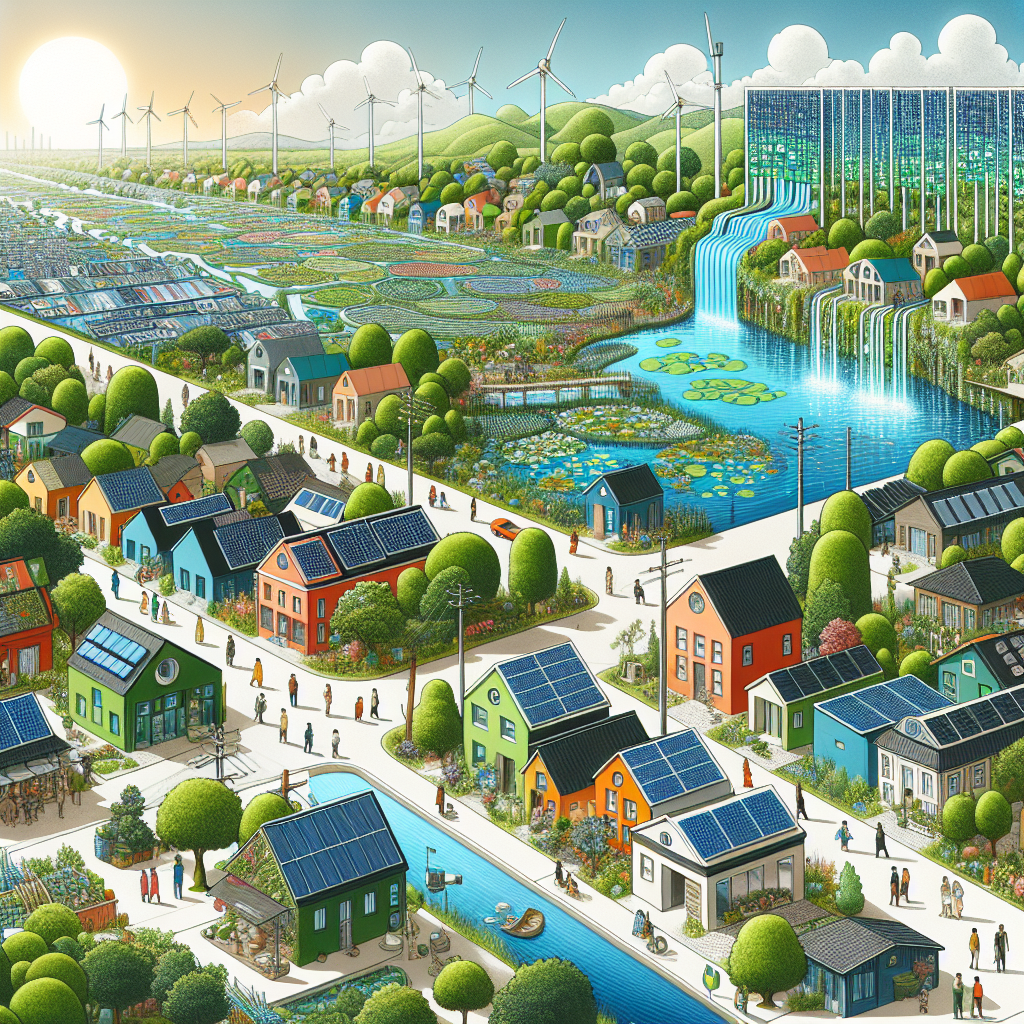
Landscaping plays a pivotal role in water management within affordable housing projects. By adopting water-efficient landscaping practices, developments can conserve significant amounts of water. One of the most effective strategies is xeriscaping, which involves selecting native or drought-tolerant plants that require minimal watering.
Incorporating rain gardens is another innovative approach. Rain gardens are designed to capture and absorb rainfall, reducing runoff and promoting groundwater recharge. They can be landscaped with plants that thrive on stormwater, further reducing irrigation needs.
Drip irrigation systems offer an efficient alternative to traditional sprinkler systems. These systems deliver water directly to the root zone of plants, minimizing evaporation and ensuring that plants get the necessary hydration. Automated drip systems with soil moisture sensors can optimize water use by only watering when needed.
Mulching is an additional technique that conserves water by reducing soil evaporation, moderating soil temperature, and suppressing weeds that would otherwise compete with plants for water. By implementing these landscaping practices, affordable housing projects can develop attractive, sustainable, and water-efficient outdoor spaces.
Smart Water Management Technologies
The advent of technology has brought forth various smart water management tools that can be beneficial for affordable housing. Smart metering systems, for instance, allow for real-time monitoring of water usage. These systems can help identify leaks, overuse, and inefficiencies, enabling timely interventions to prevent water waste.
Advanced irrigation controllers are another technological advancement. These controllers use weather data and soil moisture information to adjust the watering schedule, ensuring optimal water use. This technology is particularly useful in regions prone to droughts or irregular weather patterns.
Water-efficient appliances, such as washing machines and dishwashers with high Water Efficiency Rating System (WERS) ratings, can also play a significant role. These appliances use less water per cycle while maintaining functionality, making them ideal for affordable housing units.
Additionally, implementing Building Information Modeling (BIM) for water management can significantly enhance efficiency. BIM enables architects and engineers to design and simulate efficient water systems within the housing project before actual construction. This proactive approach helps in identifying potential issues and optimizing water use from the design stage itself.
Community-Based Initiatives
For sustainable water management, engaging the community is essential. Community-based initiatives ensure that residents are active participants in water conservation efforts. Creating water management committees within housing projects can provide a structured approach to education, monitoring, and execution of water-saving practices.
Community gardens, for example, utilize collective effort in growing plants and vegetables using efficient irrigation practices. This not only saves water but also fosters a sense of community among residents. Additionally, shared greywater systems and rainwater harvesting setups can be managed at the community level for broader impact.
Workshops and training sessions can educate residents about the importance of water conservation, teaching them practical methods to reduce water usage in their daily lives. Regular community meetings to discuss water usage data can help in strategizing and implementing better water management practices.
Moreover, involving residents in the planning and decision-making process for water management fosters a sense of ownership and responsibility. Community-driven approaches ensure sustainable practices are maintained, thereby enhancing the overall success of affordable housing projects.
Conclusion
Affordable housing and effective water management are intrinsically linked. Addressing water management within these projects involves a multifaceted approach combining conservation, recycling, efficient technologies, and community engagement. By integrating these sustainable solutions, not only is the immediate demand for water reduced, but the long-term sustainability and resilience of housing communities are significantly enhanced.
Affordable housing projects can serve as models for sustainable urban development when they incorporate comprehensive water management strategies. The benefits extend beyond just cost savings on water bills; they contribute to environmental conservation, public health, and overall quality of life. As water becomes a more precious resource, these practices will be indispensable.
Developers, policymakers, and community leaders must prioritize water management in affordable housing projects. An inclusive and participatory approach ensures that solutions are practical and widely accepted, fostering a culture of conservation. With the right strategies, affordable housing can lead the way in sustainable urban living, demonstrating that economic accessibility and environmental responsibility can go hand in hand.
Frequently Asked Questions
1. What is the connection between affordable housing and water management?
Affordable housing and water management are closely intertwined as both address essential human needs. In urban areas where housing is becoming increasingly expensive, providing affordable options is crucial for social and economic stability. However, an often overlooked aspect of affordable housing is the efficient management and utilization of water resources. Effective water management in affordable housing involves the implementation of strategies such as water conservation, recycling, and the efficient use of existing resources to ensure sustainability. These practices can significantly reduce costs for residents and also help combat the growing impacts of climate change. As cities continue to expand and the demand for housing rises, integrating sustainable water management solutions into affordable housing projects is essential to ensure that these habitats remain viable and environmentally responsible.
2. Why is water management important in sustainable affordable housing projects?
Water management is a crucial component of sustainable affordable housing projects for several reasons. Firstly, it helps to reduce the overall costs of water consumption for residents and housing authorities, making housing more affordable. Efficient water management practices, such as the installation of low-flow fixtures, rainwater harvesting systems, and greywater recycling, can significantly cut down on water usage and utility bills. Secondly, water management contributes to environmental sustainability by preserving precious water resources, reducing the strain on municipal water supply systems, and minimizing runoff and pollution. With climate change leading to more unpredictable weather patterns, including both droughts and floods, incorporating robust water management plans into housing projects ensures resilience against these challenges. This not only benefits the residents but also supports broader municipal and regional efforts to maintain a sustainable urban ecosystem.
3. How do sustainable water management practices affect the overall cost of affordable housing?
Sustainable water management practices can greatly influence the overall cost of affordable housing in a positive way. By implementing water-saving measures and technologies, housing developers and managers can reduce both the construction and maintenance expenses associated with water infrastructure. For example, incorporating rainwater collection systems or greywater recycling can decrease the dependency on municipal water supplies, leading to lower operational costs. Additionally, using materials and fixtures designed to conserve water can reduce initial installation costs and lead to savings on repairs and maintenance in the long term. These cost reductions can then be passed on to residents through lower utility bills and rent, making the housing truly affordable. Integrating these sustainable practices from the outset of a housing project can also attract incentives and support from government programs aimed at promoting environmentally friendly development, further offsetting costs.
4. What are some examples of sustainable water practices in affordable housing projects?
There are numerous sustainable water practices that can be incorporated into affordable housing projects to enhance their efficiency and sustainability. One example is the use of low-flow toilets, faucets, and showerheads, which significantly reduce water usage without compromising performance. Another practice is the implementation of rainwater harvesting systems, which capture rainwater for use in irrigation, toilet flushing, or even non-potable household applications, reducing reliance on the municipal water supply. Greywater recycling systems are also effective, as they allow water from sinks, baths, and washing machines to be reused for landscape irrigation or toilet flushing. Furthermore, drought-tolerant landscaping, or xeriscaping, helps to minimize the need for watering, maintaining a green environment without excessive water use. Collectively, these practices ensure that affordable housing projects are both cost-effective and environmentally responsible.
5. How does climate change impact the planning and management of water in affordable housing?
Climate change has a profound effect on the planning and management of water in affordable housing due to its influence on weather patterns and water availability. As climate change leads to increased frequencies of droughts and floods, it poses challenges for water supply reliability and infrastructure resilience. For affordable housing projects, this means incorporating adaptive water management strategies that can tolerate fluctuations in water availability. This could involve designing for drought resistance by prioritizing water-efficient fixtures and systems or enhancing flood management through improved drainage and water retention solutions. Planners must also consider the long-term sustainability of water sources and ensure that housing developments do not exacerbate existing water stresses. By integrating these considerations into the planning process, affordable housing projects can better withstand the implications of climate change, providing stable and secure environments for residents even as climate patterns shift unpredictably.


