

As our cities grow and evolve, the quest for affordable housing becomes ever more pressing. Dovetailing this quest with the need for effective urban mobility presents both a challenge and an opportunity. Our modern urban landscapes are shaped by the delicate interplay between the availability of affordable housing and the accessibility of efficient and inclusive modes of transportation. By nurturing these two critical elements, we can create cities that are not only accessible but also sustainable and inclusive.
The concept of affordable housing is multifaceted. It doesn’t merely refer to the economic feasibility of residing in a particular area but also encapsulates the quality of life that residents can achieve. Factors such as proximity to employment centers, access to educational institutions, healthcare facilities, and recreational amenities all weigh heavily on this definition.
Urban mobility, on the other hand, is about how easily people can move around the city. Effective urban mobility encompasses various transport modes like buses, trains, bicycles, and even pedestrian pathways. It also involves the infrastructure that supports these modes, such as road networks, public transportation systems, and smart city technologies. When affordable housing is well-integrated with robust urban mobility systems, it paves the way for a city that is not just habitable but thriving.
This article delves into the interplay between affordable housing and urban mobility, exploring how these elements can be synchronized to build accessible cities. We’ll examine case studies from around the world, dissect policy frameworks, and dive into innovative technologies that are making a difference.
The Interdependence of Housing and Transportation:
Affordable housing and urban mobility are two sides of the same coin. In contemporary urban planning, the significance of this relationship cannot be understated. When affordable housing is developed in areas with limited access to efficient transportation networks, the benefits of such housing can be significantly undermined.
For instance, if a family’s home is affordable but located far from employment opportunities, educational institutions, and healthcare services, the savings on housing costs may be nullified by high transportation expenses and the opportunity cost of time spent commuting. Therefore, ensuring the proximity of affordable housing to effective transportation systems is crucial.
Additionally, accessible transportation can open up a wider range of housing options. When people can reliably and affordably commute to work, they aren’t restricted to living in more expensive central urban areas and can consider more affordable residential zones on the city’s outskirts or in satellite towns. This can help alleviate the strain on housing markets in urban cores and promote more equitable urban development.
Conversely, failing to integrate transportation and housing effectively can lead to urban sprawl, increased traffic congestion, and environmental degradation. It can also exacerbate social inequality as those who cannot afford to live near their workplaces and other essential services are further marginalized.
Case Studies in Successful Integration:
Examining successful models of integrated affordable housing and urban mobility provides valuable insights. Various cities globally have strategically planned their infrastructure and policies to achieve this balance.
Barcelona, Spain: Barcelona is renowned for its highly efficient public transportation network. The city’s approach integrates affordable housing developments with comprehensive public transportation systems. The Metro, bus, and tram services connect residential areas to key commercial zones, educational institutions, and healthcare facilities, enabling residents to enjoy a high quality of life without exorbitant housing costs.
Singapore: Often cited as a benchmark for urban planning, Singapore’s Housing and Development Board (HDB) has successfully blended residential, commercial, and recreational spaces. The HDB estates are meticulously connected with the Mass Rapid Transit (MRT) and bus services, ensuring that residents can easily access all parts of the city. The deliberate integration ensures minimal commuting times and enhances the affordability of housing by broadening the range of areas where people can live.
Portland, USA: Portland has made significant strides in integrating affordable housing with urban mobility. The city’s investment in light rail and streetcar systems, coupled with development incentives for affordable housing near transit hubs, has fostered an inclusive urban environment. This strategic planning encourages higher-density housing and lowers transportation costs, making the city more accessible to a diverse populace.
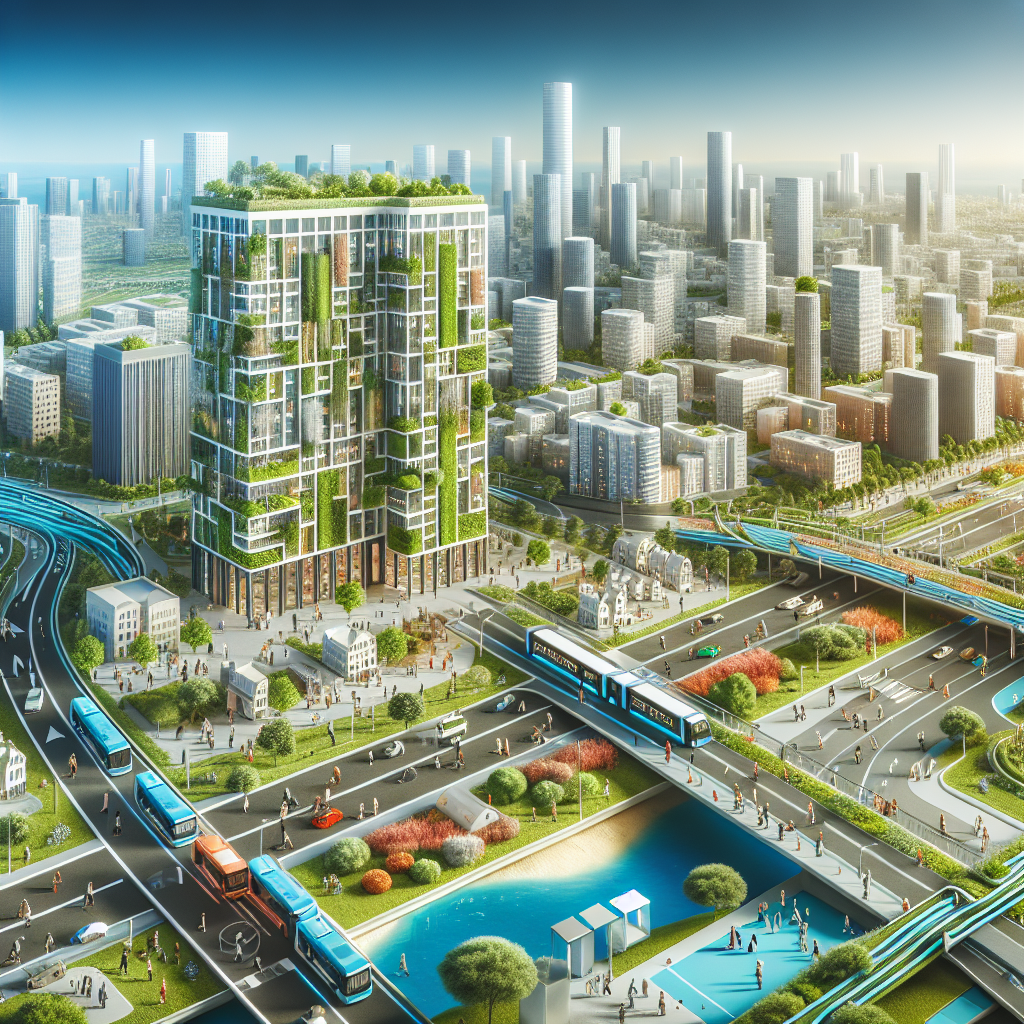
Policy Frameworks and Financial Mechanisms:
Effective policy frameworks and financial mechanisms are vital to fostering affordable housing and urban mobility. Governments play a central role in orchestrating this integration through legislation, subsidies, and planning guidelines.
Inclusionary Zoning: Inclusionary zoning policies mandate that a portion of new housing developments be allocated to affordable housing. This ensures a mix of housing options within the same development and supports socio-economic diversity. Such policies often work best in conjunction with transportation planning, ensuring that affordable housing units are accessible via public transport networks.
Transit-Oriented Development (TOD): Governments can leverage TOD principles to promote high-density residential and commercial developments near major transit stations. These strategies reduce the dependency on private vehicles by encouraging the use of public transportation, biking, and walking. TOD also often includes zoning incentives and subsidies to support affordable housing projects.
Public-Private Partnerships (PPP): Collaborations between the government and private sector can expedite the development of integrated housing and transportation projects. Through PPPs, governments can offer incentives such as tax breaks or subsidies to private developers to include affordable housing units and invest in transportation infrastructure.
Innovative Technologies in Urban Planning:
The advent of technology is transforming urban planning, making it possible to better integrate affordable housing and urban mobility. Technological innovations can offer data-driven solutions that enhance planning and ensure more efficient use of resources.
Geographic Information Systems (GIS): GIS can map and analyze spatial data, helping urban planners understand the relationship between housing and transportation infrastructures. With GIS, planners can identify optimal locations for new housing projects based on accessibility to transportation networks and essential services.
Smart Mobility Solutions: Technologies like mobile apps and IoT devices are improving urban mobility. For instance, real-time tracking systems provide updated information on public transportation schedules, reducing wait times and making transit systems more user-friendly.
Shared Mobility Services: Platforms for ride-sharing, bike-sharing, and scooter-sharing are reducing the need for private car ownership and broadening mobility options. They are particularly beneficial in areas where traditional public transportation is not viable, bridging the mobility gap for residents in affordable housing developments.
Data Analytics: Big data can analyze patterns in commuting and housing preferences, offering insights that help planners make informed decisions. For example, data on commuting patterns can reveal demand for new transit routes or improvements in existing services, ensuring efficient allocation of resources.
Conclusion:
The interplay between affordable housing and urban mobility is a cornerstone of sustainable and accessible city planning. By addressing the housing needs of the populace while simultaneously enhancing transportation systems, cities can cultivate environments that foster economic growth, social inclusion, and environmental sustainability.
Historically, the disconnect between housing and transportation has led to urban sprawl, social inequities, and environmental degradation. However, contemporary urban planning approaches that embrace the synergy between these two elements offer a pathway to more equitable and sustainable urban environments.
To build accessible cities, it is imperative for policymakers, urban planners, and stakeholders to adopt integrated approaches. This includes leveraging successful case studies, embracing innovative technologies, and implementing supportive policy frameworks. Public-private partnerships and community engagement should also play pivotal roles in shaping urban landscapes that cater to diverse needs.
Ultimately, fostering a harmonious blend of affordable housing and urban mobility requires a nuanced understanding of their interdependencies. By strategically planning and implementing initiatives that bind these elements together, we can create cities that not only accommodate more people but also enhance their quality of life. This holistic approach promises urban environments that are inclusive, resilient, and poised to meet the challenges of the future.
Frequently Asked Questions
1. What is the connection between affordable housing and urban mobility?
The relationship between affordable housing and urban mobility is an essential one as both elements significantly influence the shape and functionality of modern cities. Affordable housing ensures that people from various economic backgrounds can live in urban areas without being financially overburdened, enabling them to contribute to the diverse social tapestry and local economy. However, having affordable housing isn’t enough if residents cannot easily access their workplaces, schools, or other essential services. This is where urban mobility comes into play.
Efficient urban mobility means that people can move around the city with ease, using various transportation options such as buses, trains, cycling paths, or even safe walking routes. When urban mobility is integrated with affordable housing planning, it helps to create an environment where residents live not too far from essential services, workplaces, and recreational areas. This accessibility reduces the time and cost associated with commuting, which is especially beneficial for low-income households. By aligning urban mobility with housing development, we are creating inclusive cities where everyone has the opportunity to live a productive and fulfilling life, regardless of their economic status.
2. How can cities ensure they balance affordable housing with efficient transportation options?
Cities can strike a balance between affordable housing and efficient transportation by adopting comprehensive urban planning strategies. Firstly, urban planners should consider mixed-use developments that combine residential units with commercial spaces, ensuring that people do not have to travel vast distances for work, shopping, or leisure. Incorporating public transportation hubs within these developments is crucial. It provides seamless connectivity to different parts of the city, minimizing reliance on private vehicles and reducing traffic congestion.
Another strategy is to implement zoning laws and incentives that encourage developers to build affordable housing near existing transit lines. This can include tax breaks or bonuses for developers who incorporate affordability and accessibility in their projects. Additionally, cities should invest in creating pedestrian-friendly infrastructure, such as sidewalks and bike lanes, to promote active transportation. This not only encourages healthier lifestyles but also contributes to reducing carbon emissions. Lastly, ongoing community engagement ensures that developments meet the real needs of residents and integrate their feedback into future planning. Through these methods, cities can foster environments that prioritize people over vehicles, making living both affordable and accessible.
3. What impacts does inadequate urban mobility have on affordable housing?
Inadequate urban mobility can have significant adverse effects on affordable housing and the overall quality of life for residents. When transportation options are lacking or inefficient, residents of affordable housing often find themselves isolated from essential services, job opportunities, and social activities. This isolation can lead to increased commuting times and costs, which can be particularly detrimental for low-income families who might have to rely on more expensive or inconvenient modes of transportation.
Moreover, areas with poor mobility infrastructure see reduced property values, which can lead to underdevelopment or neglect. This not only diminishes the living conditions for residents but also disincentivizes investment in those areas, perpetuating cycles of poverty and inequality. In some cases, inadequate mobility can contribute to economic ghettoization, where low-income families are confined to areas with fewer opportunities for advancement. It is paramount that cities address these issues by integrating mobility solutions thoughtfully within the context of affordable housing, ensuring that all residents have equal access to the city’s resources and opportunities.
4. How do cities benefit from prioritizing the development of affordable housing linked with urban mobility?
Prioritizing the development of affordable housing that is well-connected with urban mobility has numerous benefits for cities. First and foremost, it promotes social equity by ensuring that all residents, regardless of income, have access to essential services and employment opportunities. This can lead to greater economic stability for individuals and families, enhancing the overall economic health of the city.
Environmentally, integrating housing and mobility reduces the reliance on private vehicles, which decreases traffic congestion and lowers carbon emissions. This leads to healthier urban environments and improves air quality, enhancing the health and wellbeing of all citizens. Additionally, by providing efficient transportation options, cities reduce the operational costs for residents, freeing up their income for other necessities and boosting local economies.
The integration also fosters more vibrant communities. When residents can easily access various parts of the city, they become more engaged in economic and cultural activities, contributing to urban vibrancy and diversity. This, in turn, makes cities more attractive places to live, work, and visit, stimulating further development and investment. Overall, linking affordable housing with urban mobility not only benefits the individuals who live there but also supports the sustainable growth and resilience of the city as a whole.
5. What role do policymakers play in ensuring the success of affordable housing and urban mobility initiatives?
Policymakers play a pivotal role in ensuring the success of affordable housing and urban mobility initiatives. They are responsible for creating and enforcing regulations that guide the development of urban spaces in a way that harmonizes housing with transportation needs. By setting clear guidelines and allocating resources effectively, they can promote developments that prioritize both affordability and accessibility.
Policymakers can incentivize developers through tax breaks, grants, or other subsidies to include affordable housing in areas with robust public transportation networks. They are also in a position to spearhead initiatives that expand and improve public transportation infrastructures, such as the development of bus rapid transit systems, expansion of rail networks, and the enhancement of cycling paths and pedestrian walkways.
Furthermore, effective policymaking involves engaging with communities to understand their specific needs and challenges. By fostering transparent communication and encouraging public participation in planning processes, policymakers can ensure that developments reflect the desires and requirements of residents. They can also collaborate with various stakeholders, including urban planners, environmentalists, and economists, to craft comprehensive strategies that address both current and future urban challenges. Ultimately, through policy interventions, lawmakers have the power to shape cities that are inclusive, sustainable, and well-connected, enhancing the quality of life for everyone.


