

In the face of escalating urbanization and growing population densities, the quest for affordable housing has become a focal point for governments, urban planners, and communities worldwide. Addressing this challenge involves more than just providing a roof over one’s head; it requires innovative and sustainable urban design that augments quality of life, nurtures a sense of community, and reduces environmental impact. This article delves into the nuanced interplay between affordable housing and sustainable urban design, shedding light on the principles, strategies, and benefits associated with integrating these two crucial aspects of modern living.
The concept of affordable housing traditionally centers on making homes available to low and middle-income families at prices that don’t exceed a certain percentage of their income. However, affordability is just one side of the coin. The sustainability factor brings a multi-dimensional approach, calling for designs that not only align with economic constraints but also embrace environmental stewardship and social inclusivity. Factors like energy efficiency, resource conservation, and connectivity are pivotal in creating habitats that support long-term habitation and growth.
As urban areas burgeon, the pressure on infrastructure, resources, and social services also mounts. This necessitates a shift towards creating resilient urban centers that can mitigate environmental impacts while fostering vibrant, healthy communities. Achieving such goals demands a strategic amalgamation of affordable housing policies and sustainable design principles. In this discourse, we will explore key strategies, the benefits of adopting sustainable urban designs in affordable housing projects, and the potential challenges that need to be addressed.
Principles of Sustainable Urban Design
Sustainable urban design revolves around the idea of creating urban environments that are livable, efficient, and adaptable. The core principles of sustainable urban design include compactness, connectivity, diversity, and green infrastructure. Compactness refers to the optimization of land use by encouraging denser developments, which minimizes sprawl and promotes accessibility. This can lower per capita infrastructure costs and enhance the feasibility of public transportation systems.
Connectivity ensures that different parts of a city are well-linked, facilitating easy movement of people and goods. It also implies the integration of various modes of transportation, including walking and cycling, which can significantly reduce carbon footprints. Diversity in sustainable urban design promotes a mix of residential, commercial, and recreational spaces within close proximity. This not only enhances vibrancy but also reduces the need for long commutes.
Green infrastructure encompasses the use of natural systems and processes within urban planning. This includes the integration of parks, green roofs, and natural water management systems, which can improve air quality, manage stormwater, and provide recreational spaces. Additionally, building designs that incorporate energy-efficient technologies and sustainable materials are paramount in reducing the overall environmental impact of urban developments.
These principles, when implemented effectively, can lead to sustainable, affordable housing that meets the needs of present and future generations. By fostering a sense of community and enhancing the overall quality of life, sustainable urban design can transform cities into more resilient and inclusive places to live.
The Intersection of Affordability and Sustainability
Combining affordability with sustainability in housing projects is not only feasible but also beneficial in the long run. Initial construction costs may be higher for sustainable buildings due to the use of quality materials and advanced technologies. However, the long-term benefits, both financial and environmental, far outweigh the initial investments.
Energy-efficient homes, for instance, can drastically lower utility bills for residents, making them more affordable over time. Features like solar panels, high-performance insulation, and energy-efficient windows and appliances can reduce energy consumption and utility costs. Furthermore, sustainable housing can enhance indoor air quality and overall health, reducing medical expenses for residents.
Water-efficient fixtures and landscaping can also contribute to affordability by decreasing water bills. Incorporating greywater systems and rainwater harvesting can further augment water conservation efforts, making the homes more resilient to water shortages. The use of durable and low-maintenance materials in construction reduces the need for frequent repairs and replacements, which translates to long-term cost savings.
From an environmental perspective, sustainable housing minimizes the carbon footprint through reduced energy and resource consumption. This is not only critical for mitigating climate change but also for creating healthier living conditions. Socially, integrating sustainable practices within affordable housing projects can foster a sense of pride and ownership among residents, enhancing community cohesion and well-being.
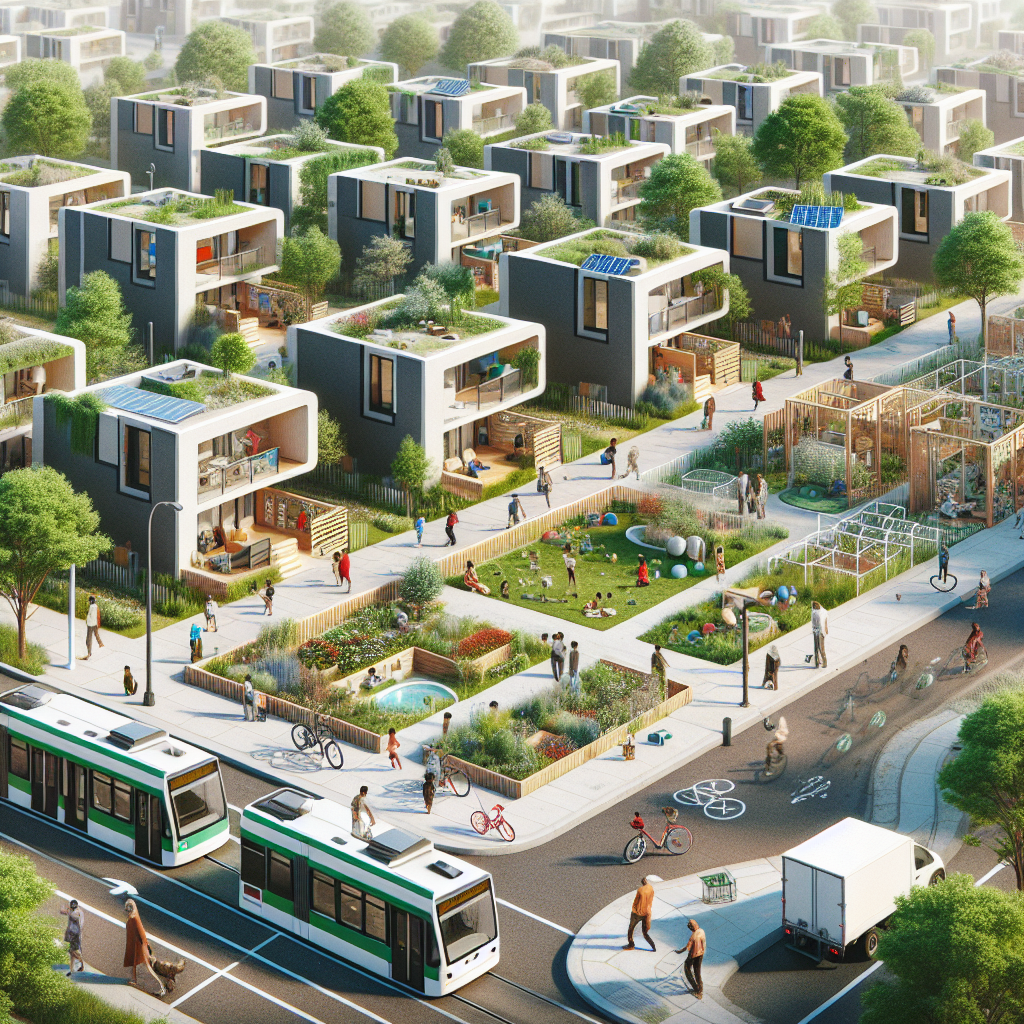
Strategies for Integrating Sustainability into Affordable Housing
There are several strategies through which sustainability can be integrated into affordable housing projects. One of the key approaches is through government policies and incentives that encourage developers to adopt sustainable practices. Grants, tax credits, and subsidies can make it financially viable for developers to incorporate green technologies and materials into their projects.
Public-private partnerships can be another effective strategy. Collaboration between government bodies, private developers, and non-profit organizations can pool resources and expertise to create affordable yet sustainable housing solutions. Such partnerships can also facilitate the sharing of best practices and innovations in sustainable urban design.
Community involvement is crucial in the planning and implementation of sustainable affordable housing projects. Engaging residents in the decision-making process ensures that their needs and preferences are considered, leading to more acceptable and successful outcomes. Community-driven initiatives can also foster a sense of ownership and responsibility towards the sustainability of the housing project.
Technological advancements can play a significant role in making affordable housing projects more sustainable. The use of smart home technologies, renewable energy sources, and advanced construction techniques can enhance energy efficiency and reduce costs. For instance, modular construction can streamline the building process, reduce waste, and lower construction costs while maintaining high standards of quality and sustainability.
Challenges to Achieving Sustainable Affordable Housing
While the integration of sustainability into affordable housing has numerous benefits, it is not without challenges. One of the primary obstacles is the higher upfront cost associated with sustainable building practices. Although the long-term savings are substantial, the initial investment can be a barrier, particularly for low-income housing developers who operate on tight budgets.
There is also the challenge of regulatory and zoning restrictions that may limit the implementation of certain sustainable practices. For instance, height restrictions or density caps can hinder the development of compact, energy-efficient buildings. Navigating through the myriad of regulations and obtaining the necessary approvals can be a time-consuming and costly process.
Another significant challenge is the lack of awareness and expertise in sustainable building practices among developers, architects, and builders. Training and education programs are necessary to equip these stakeholders with the knowledge and skills required to implement sustainable solutions effectively. Additionally, there may be resistance to change from stakeholders who are accustomed to traditional building practices.
The availability of sustainable materials and technologies can also pose a challenge. In some regions, accessing these materials and technologies can be difficult or expensive, limiting their use in affordable housing projects. Developing local supply chains and encouraging innovation in sustainable building materials can help mitigate this issue.
Case Studies and Success Stories
Several successful case studies demonstrate the potential of integrating sustainability into affordable housing projects. One such example is the Via Verde project in the Bronx, New York. This mixed-use development incorporates green roofs, energy-efficient systems, and community gardens, providing affordable housing while promoting environmental sustainability and community well-being.
In Freiburg, Germany, the Vauban district showcases how sustainable urban design can be achieved on a neighborhood scale. The district features energy-efficient buildings, extensive green spaces, and a focus on public transportation and cycling, creating a vibrant and sustainable community. The project has been hailed as a model for sustainable urban development globally.
Another notable example is the BedZED (Beddington Zero Energy Development) in the UK. This eco-village is designed to be carbon-neutral, with features like solar panels, energy-efficient appliances, and rainwater harvesting systems. The project demonstrates how sustainable design can be applied to create affordable and environmentally friendly housing solutions.
These case studies exemplify the successful integration of sustainability into affordable housing projects. They highlight the importance of innovative design, community involvement, and the leveraging of government policies and incentives to achieve sustainable outcomes.
Conclusion
As cities continue to grow and evolve, the need for affordable, sustainable housing becomes increasingly critical. Sustainable urban design offers a pathway to create housing solutions that are not only affordable but also environmentally and socially viable in the long run. By adhering to principles such as compactness, connectivity, diversity, and green infrastructure, we can develop urban environments that enhance the quality of life for all residents.
The intersection of affordability and sustainability presents unique opportunities and challenges. While initial costs and regulatory hurdles may pose difficulties, the long-term benefits in terms of lower utility bills, reduced environmental impact, and enhanced community well-being are substantial. Strategic approaches such as government incentives, public-private partnerships, community involvement, and technological advancements can facilitate the integration of sustainability into affordable housing projects.
Learning from successful case studies and best practices globally can provide valuable insights and inspiration for urban planners, developers, and policymakers. Ultimately, the fusion of affordable housing and sustainable urban design is essential in creating resilient, inclusive, and livable urban environments for current and future generations. By prioritizing sustainability in affordable housing, we can contribute to a more equitable and sustainable future.
Frequently Asked Questions
1. What are the core principles of sustainable urban design in affordable housing?
Sustainable urban design revolves around several key principles that ensure affordability and environmental stewardship. First, it emphasizes energy efficiency through the incorporation of renewable energy sources and superior insulation materials in housing projects. This not only reduces the overall cost of living by decreasing utility expenses but also minimizes the carbon footprint significantly. Additionally, sustainable design encompasses efficient water management systems, including rainwater harvesting and wastewater recycling, to minimize resource consumption.
Urban planners also focus on creating mixed-use developments that reduce the need for transportation and encourage community connectivity. By integrating residential, commercial, and recreational spaces, these developments promote walkability and reduce reliance on cars, further trimming down carbon emissions. Green spaces are another essential component, providing areas for relaxation and social interaction while contributing to urban biodiversity and air quality improvement.
Lastly, affordability in sustainable urban design is achieved through the use of durable, low-cost materials and innovative construction techniques like modular building, which speed up construction times and reduce costs. These principles, when effectively integrated, create a holistic urban environment that supports both the economic and ecological needs of the community.
2. How do affordable housing projects ensure long-term sustainability?
Affordable housing projects focus on long-term sustainability by incorporating a lifecycle approach to their planning and construction. This involves evaluating the environmental, economic, and social impacts of the housing project from its inception through to its eventual decommissioning. One of the primary methods used is sustainable construction practices that prioritize low-impact building materials and aim to minimize waste through recycling and reuse during the construction phase.
Moreover, ensuring sustainability involves the adoption of technologies such as solar panels, high-efficiency HVAC systems, and LED lighting to lessen ongoing energy demands. These technologies not only result in energy savings for tenants but also appeal to environmentally conscious stakeholders and investors, thereby securing long-term support and funding.
The integration of community gardens and green roofs helps manage urban heat and enhances local food security, contributing to residents’ health and well-being. Effective public transportation links and pedestrian-friendly designs also support sustainable living by reducing dependency on private vehicles, thus curbing CO2 emissions and alleviating congestion. Strategic maintenance plans ensure the housing project remains in good condition, preserving its value and appeal over time, and fostering increased investor confidence and community pride.
3. What role does government policy play in facilitating affordable and sustainable housing?
Government policy plays a pivotal role in promoting affordable and sustainable housing by establishing regulatory frameworks and financial incentives that guide development practices. By setting building codes and standards that mandate energy efficiency and low environmental impact, governments ensure that new housing projects meet important sustainability criteria. These regulations can include mandating the use of eco-friendly building materials, setting energy conservation targets, and requiring the incorporation of renewable energy technologies.
Additionally, governments can stimulate the creation of affordable housing through financial mechanisms such as subsidies, tax credits, and grants. These incentives can reduce the initial investment burden for developers, making it economically viable for them to pursue sustainable housing projects. Inclusionary zoning policies are another tool employed by governments to ensure that a portion of new developments is allocated for affordable housing, integrating diverse income levels within the same community.
Moreover, public-private partnerships often arise from government initiatives, leveraging both public funds and private investment to enhance the scale and quality of affordable housing solutions. By actively engaging in housing development, governments not only address immediate housing shortages but also lay the foundation for resilient and inclusive urban communities capable of adapting to future challenges.
4. How does community involvement influence affordable housing and sustainable urban design?
Community involvement is critical in shaping affordable housing and sustainable urban design projects that truly address local needs and aspirations. By engaging residents early in the planning process, developers gain invaluable insights into community priorities, such as the types of amenities desired, transportation preferences, and cultural values. This participatory approach fosters a sense of ownership and inclusion, leading to housing solutions that are more resilient and supportive of community well-being.
Communities often bring local knowledge and innovative ideas that planners and developers might overlook, such as potential sites for development that align with existing neighborhood dynamics or unique architectural styles that resonate with cultural identities. By incorporating these elements, projects become more harmonious with their surroundings and appreciate in both value and local acceptance.
Moreover, when communities are involved in decision-making, they are more likely to advocate for environmentally sustainable practices and policies that reflect their collective values. This grassroots advocacy can lead to stronger enforcement of sustainability standards and inspire similar developments in other areas. Ultimately, fostering community involvement not only improves the success of specific projects but also strengthens overall urban resilience by building community capitals and networks.
5. What challenges do developers encounter when integrating affordability and sustainability in urban housing projects?
Developers face several significant challenges when working to integrate affordability and sustainability in urban housing projects. One major obstacle is the initial cost barrier associated with sustainable materials and technologies, which can drive up development expenses. Although these elements typically yield long-term savings, the upfront investment can be prohibitive and deter developers, particularly in volatile real estate markets with uncertain returns.
Planning and regulatory hurdles also pose challenges, as developers must navigate complex approval processes for permits and zoning changes. Sustainability and affordable housing criteria can add layers of regulatory oversight, lengthening project timelines and increasing project risk. Overcoming these challenges often requires extensive negotiations with local authorities and thorough community engagement to ensure compliance and garner support.
Furthermore, developers must address the dual market challenge of appealing to both affordability and sustainability-conscious consumers. This requires carefully balancing cost-saving measures with design features and amenities that enhance the quality of life. Limited access to financing and insurance for sustainable buildings can also stifle development; therefore, developers often depend on government incentives and innovative financing tools to bridge funding gaps.
Ultimately, successful developers must be adept at managing these multifaceted challenges, using strategic collaborative approaches with stakeholders, leveraging financial instruments, and staying informed on evolving green technologies to deliver projects that meet the needs of both the environment and the community.


