

Affordable housing is not just a critical issue but a cornerstone of a well-functioning society. In numerous cities around the world, the escalating costs of housing have driven many into extreme living conditions and, in worst-case scenarios, homelessness. The provision of affordable housing aims to offer stable and secure residences for lower-income families, thus playing a pivotal role in preventing homelessness.
The Importance of Affordable Housing
The significance of affordable housing cannot be overstated. Affordable housing provides more than just a roof over one’s head; it offers a safe and nurturing environment where individuals and families can thrive. This basic necessity allows for improved health outcomes, better educational opportunities, and increased economic stability.
One of the major benefits of affordable housing is the mental and physical health benefits it provides. Stable housing can reduce stress and create an environment conductive to better physical and mental health. Studies have shown that having an affordable and stable place to live can lead to better mental health outcomes, including reduced rates of depression and anxiety.
Moreover, children in stable housing situations tend to perform better in school. They are more likely to attend regularly, have higher academic performance, and are less likely to face disruptions to their education due to frequent moves.
Challenges in Affordable Housing
Despite its importance, affordable housing is fraught with challenges. One of the primary obstacles is the significant shortage of affordable rental homes for low-income earners. The gap between demand and supply has been exacerbated by stagnating wages and increasing rental prices.
Additionally, zoning laws and land use regulations often restrict the development of affordable housing. These regulations can limit the availability of land suitable for residential development or make the development process prohibitively expensive. Community opposition, commonly known as NIMBYism (Not In My Back Yard), also poses significant barriers to the construction of affordable housing units.
Furthermore, funding and financial obstacles continue to impede progress. Government subsidies and support for affordable housing have often failed to keep pace with the need, leading to insufficient funding for the development and maintenance of affordable housing units.
Sustainable Housing Solutions
The development of sustainable housing solutions is essential to combat the affordable housing shortage. Sustainable housing not only addresses the immediate need for affordable housing but also ensures long-term viability and environmental responsibility.
One approach to sustainable housing is the use of innovative construction techniques and materials. For instance, modular housing and prefabricated buildings can significantly reduce construction costs and time. These methods can also minimize waste and reduce the environmental impact of new housing developments.
Energy efficiency is another critical component of sustainable housing. Implementing designs that maximize natural light, thermal performance, and energy-efficient appliances can lower utility costs for residents and reduce the overall environmental footprint of the housing units.
Additionally, developing affordable housing in conjunction with community amenities and public transportation can further promote sustainability. Convenient access to public transit reduces the need for car ownership, decreasing carbon emissions and enhancing residents’ quality of life.
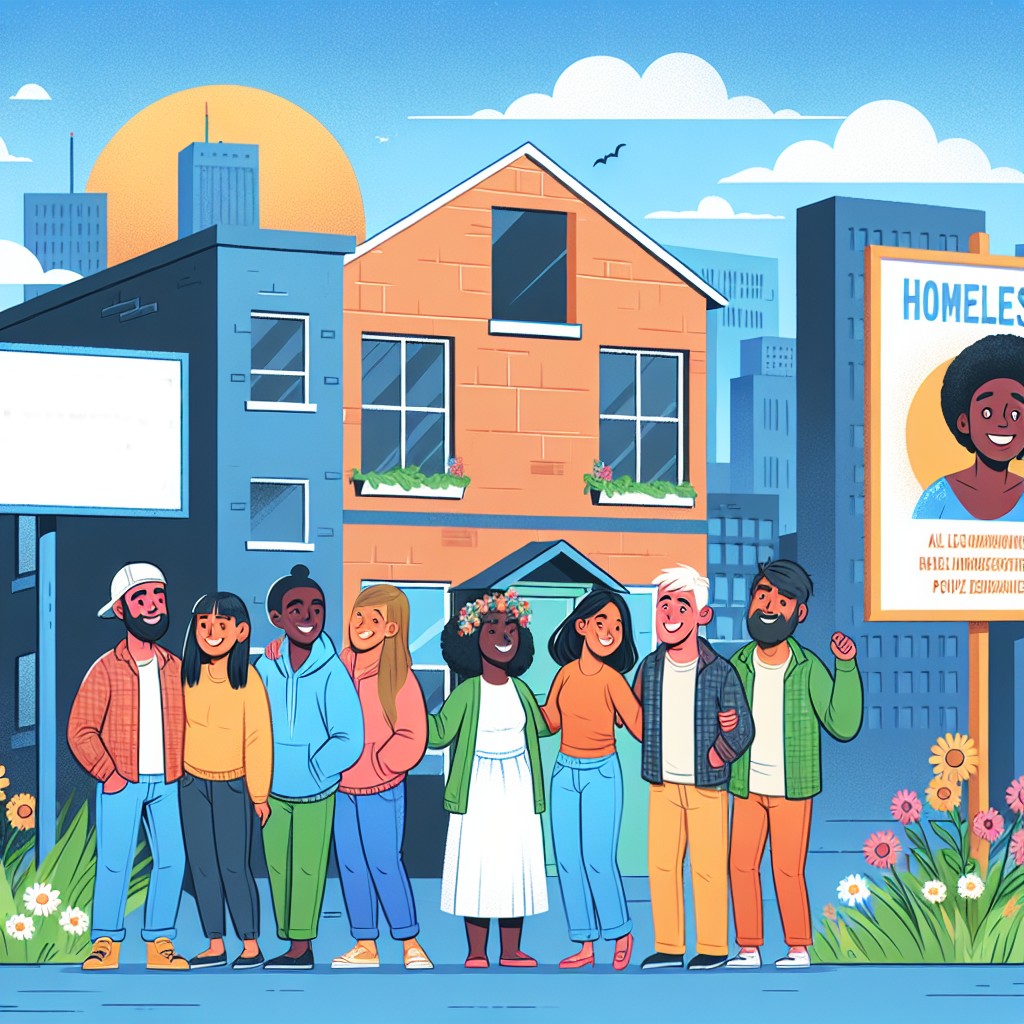
Government Initiatives and Policies
Government intervention and policies play a crucial role in fostering affordable housing development. Effective policies can bridge the gap between available resources and the high demand for affordable housing.
One of the key strategies is the implementation of inclusionary zoning policies, which require developers to include a certain percentage of affordable units in new residential developments. This approach not only increases the supply of affordable housing but also promotes social integration and diverse communities.
Another important policy is the provision of tax credits and financial incentives for developers who invest in affordable housing projects. These incentives can offset the costs of development and encourage the construction of more affordable units.
In addition to incentivizing developers, direct subsidies to low-income renters and homebuyers can also be effective in making housing more affordable. Housing vouchers and rental assistance programs help bridge the gap between what low-income families can afford and the market rental rates.
The Role of Non-Profit Organizations
Non-profit organizations also play a significant role in addressing affordable housing needs. These organizations often develop, manage, and advocate for affordable housing projects, leveraging their expertise and resources for the benefit of lower-income communities.
Non-profits such as Habitat for Humanity and the National Low Income Housing Coalition are at the forefront of affordable housing efforts. They work to raise awareness, influence policy, and provide direct housing solutions for those in need.
Moreover, non-profits often engage in community-based efforts to build stronger, more resilient neighborhoods. By fostering partnerships with local governments, businesses, and residents, they can create comprehensive support systems that extend beyond housing to include social services, job training, and educational programs.
Furthermore, non-profit organizations frequently champion innovative and inclusive housing models, such as co-housing and community land trusts. These models emphasize collective ownership and management, ensuring long-term affordability and sustainability.
The Future of Affordable Housing
Looking ahead, the future of affordable housing will require a multifaceted approach that incorporates innovation, collaboration, and an enduring commitment from all stakeholders. Emerging technologies, such as 3D printing and smart home systems, offer new possibilities for cost-effective and efficient housing development.
Additionally, harnessing data and predictive analytics can enhance planning and decision-making processes, ensuring that resources are allocated effectively and that housing solutions are tailored to the specific needs of communities.
At the same time, fostering a culture of inclusivity and social responsibility will be crucial. Engaging communities in the planning and development processes can lead to more equitable and supportive housing solutions. By prioritizing the needs and voices of vulnerable populations, we can create housing systems that promote dignity, stability, and opportunity for all.
Finally, ongoing advocacy and investment in affordable housing are essential to meet the growing demand. It is imperative that governments, private sector entities, and non-profits continue to champion affordable housing initiatives and collaborate on innovative solutions.
Conclusion
Affordable housing is integral to the well-being and success of individuals, families, and communities. It provides the foundation upon which people can build their lives, pursue opportunities, and achieve their potential. Addressing the affordable housing crisis requires a concerted effort from all sectors of society, including government, non-profits, and the private sector.
By recognizing the importance of affordable housing and investing in sustainable, inclusive solutions, we can work towards a future where everyone has access to safe, stable, and affordable housing. Efforts to prevent homelessness must go hand-in-hand with efforts to expand affordable housing opportunities, ensuring that no one is left behind.
As we move forward, it is crucial to remain committed to the principles of equity, inclusivity, and sustainability. By coming together and taking decisive action, we can create a more just and equitable society where everyone has the opportunity to thrive.
Frequently Asked Questions
1. What is affordable housing, and why is it important?
Affordable housing refers to housing units that are available at a cost commensurate with the incomes of low to moderate-income households. The purpose is to ensure that these households have access to safe, reasonable, and secure living conditions without diverting an overwhelming portion of their income. This is essential because housing costs are one of the most significant expenses in a family’s budget. When housing is unaffordable, families may have to cut back on other critical needs such as healthcare, food, education, and utilities. Affordable housing is a cornerstone for a stable society as it provides individuals and families the stability they need to thrive, work productively, and contribute to their communities. Moreover, it is an essential tool in preventing homelessness by reducing the risk factors that make people vulnerable to losing their homes.
2. How can affordable housing help prevent homelessness?
Affordable housing plays a key role in preventing homelessness by offering secure and stable housing options for lower-income populations who are at a higher risk of becoming homeless due to economic instability. When housing costs outstrip wages, it places a severe burden on families, potentially leading to evictions and displacement. By providing affordable housing, communities can lessen this financial strain, reducing the chances that individuals or families will fall into homelessness due to unaffordable rent increases, unexpected financial emergencies, or job loss. Additionally, affordable housing often comes with support services that help tenants manage finances, gain employment, and connect with necessary social services, all of which contribute significantly to homelessness prevention.
3. What are some common strategies used to provide affordable housing?
Communities and governments employ a variety of strategies to promote affordable housing. Some popular methods include government subsidies that decrease the cost of rent or make buying homes more attainable for first-time buyers. Inclusionary zoning policies also play a role by mandating that new developments include a certain percentage of affordable units. Public-private partnerships, where local governments collaborate with developers to create affordable units, are also common. Housing voucher programs, such as Section 8 in the United States, provide direct assistance to allow families to choose private market housing while paying a portion of the rent themselves. Finally, community land trusts help stabilize costs by owning the land beneath housing developments and leasing it to homeowners, thus reducing the overall price of ownership. Each of these interventions is part of a larger strategy to maintain or increase the availability of affordable housing stock.
4. What challenges exist in creating and maintaining affordable housing?
The creation and maintenance of affordable housing face several challenges. High land and construction costs can deter developers from pursuing affordable housing projects, as these often yield lower profits compared to luxury developments. Zoning laws and community opposition or “NIMBYism” (Not In My Back Yard) can also stymie the development of affordable housing by impeding necessary housing expansion or the establishment of mixed-income projects in certain areas. Additionally, government funding and subsidies for affordable housing can be limited and inconsistent, making long-term planning difficult. Rising maintenance costs and inflation can further threaten the affordability and overall quality of housing over time. Addressing these challenges requires a coordinated approach involving policy changes, incentives for developers, and supportive community education to destigmatize affordable housing developments.
5. How can individuals help with homelessness prevention and the promotion of affordable housing?
Individuals can contribute to homelessness prevention and the advancement of affordable housing through several actions. Engaging with local policymakers to advocate for more affordable housing developments and supporting policies that protect tenants’ rights and living conditions are vital. Volunteering with local organizations that provide services to the homeless or those at risk of losing housing can directly impact people’s lives by offering support and resources. Donating to housing-focused charities or community land trust programs can help fund initiatives that create or sustain affordable housing. Additionally, raising awareness and reducing stigma around affordable housing and homelessness through education and conversation can build community support for these essential developments. As each community member lends their voice or resources to the cause, the collective effort strengthens the overall impact on housing stability.


