

Affordable housing is a critical component in addressing social equity, allowing individuals and families from various socioeconomic backgrounds to have access to safe and secure living conditions. However, in the pursuit of developing affordable housing, environmental sustainability often seems to take a backseat. The correlation between affordable housing and environmental sustainability is not just an academic discussion but constitutes a core element of urban planning that can redefine how cities and communities evolve.
The integration of environmentally sustainable practices into affordable housing can present numerous benefits. These include reducing energy consumption, lowering utility costs for residents, and minimizing the environmental footprint of residential buildings. In today’s context, where the impacts of climate change are becoming increasingly apparent, ensuring that affordable housing developments are sustainable is not just an option but a necessity.
While on the surface, it may seem challenging to align these objectives, innovative strategies and policies are paving the way for affordable, sustainable housing. This article delves into various aspects of this important issue, examining how environmentally friendly practices can be integrated into the framework of affordable housing.
Environmental Challenges of Traditional Affordable Housing
Traditional affordable housing has often been synonymous with lower costs achieved through compromises on environmental considerations. Conventional materials and construction methods used in affordable housing developments usually result in significant greenhouse gas emissions. Moreover, these buildings often lack the energy efficiency to keep operational costs low for the residents over time.
The environmental footprint of such developments is substantial. They contribute to the urban heat island effect, increase dependency on fossil fuels, and often neglect sustainable waste management practices. Moreover, these projects sometimes lead to urban sprawl, further contributing to environmental degradation.
These environmental challenges necessitate a shift in how we approach the construction and operation of affordable housing. By not addressing these issues, we risk perpetuating a cycle of environmental harm and missed opportunities for improvement. To create housing that is both affordable and sustainable, it is essential to identify and mitigate the environmental drawbacks associated with traditional affordable housing developments.
Innovative Building Materials
One of the most effective approaches to integrating sustainability into affordable housing is through the use of innovative building materials. New advancements in material science have introduced a range of eco-friendly materials that can be utilized without significantly increasing the overall cost of development.
For instance, recycled materials like reclaimed wood, recycled steel, and even materials derived from industrial by-products can be employed to reduce the environmental impact. Insulation materials made from recycled and natural fibers help maintain energy efficiency in homes, reducing heating and cooling costs significantly.
Another promising material is cross-laminated timber (CLT), which not only sequesters carbon but also offers durability and cost-effectiveness. Additionally, the integration of green roofs and walls can significantly enhance the energy efficiency of buildings while providing benefits such as improved air quality and stormwater management.
By incorporating these innovative materials into the design and construction of affordable housing, builders can create homes that are not only cost-effective but also environmentally friendly. The key is to balance the initial investment with long-term savings and environmental benefits, making sustainable affordable housing a viable reality.
Energy-Efficient Design
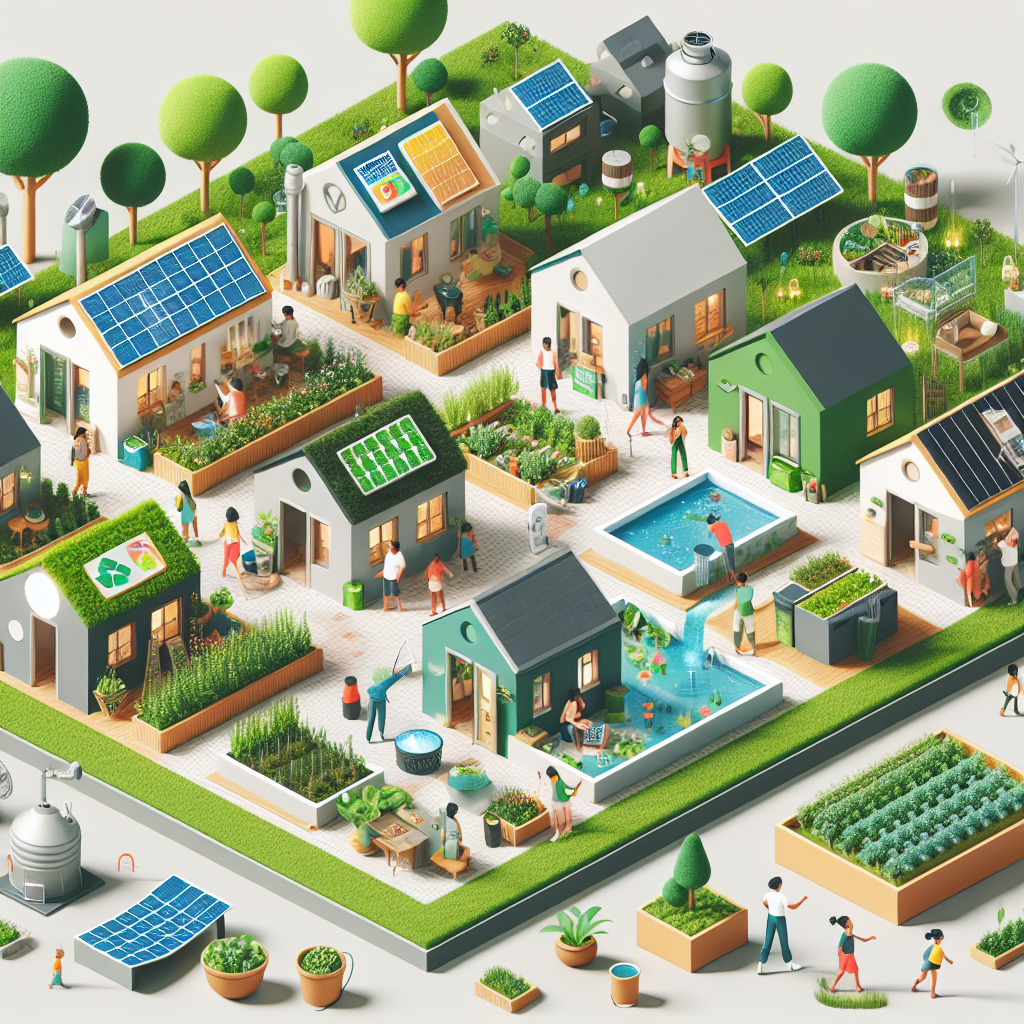
Energy-efficient design is another crucial element in the development of sustainable affordable housing. Modern architectural practices enable the integration of various energy-saving features that significantly reduce a building’s carbon footprint and operational costs.
Passive solar design, for instance, utilizes the building’s orientation, layout, and materials to naturally regulate indoor temperature, thereby reducing the need for artificial heating and cooling. Incorporating large, energy-efficient windows allows for ample natural light, decreasing the dependency on electric lighting during the day.
Further energy efficiency can be achieved through the installation of modern HVAC systems, which are designed to consume less energy while providing improved comfort. Additionally, energy-efficient appliances and lighting fixtures are essential components of a sustainable home.
The benefits of energy-efficient design are twofold: they decrease the environmental impact of housing developments and significantly reduce utility bills for residents, thereby making housing more affordable in the long term. Innovative design solutions are continuously evolving, providing a range of options for creating energy-efficient, affordable housing.
Green Certifications and Standards
Green certifications and standards play a pivotal role in guiding and validating the sustainability of affordable housing projects. Certifications such as LEED (Leadership in Energy and Environmental Design), ENERGY STAR, and Passive House set benchmarks for energy efficiency, water usage, and overall environmental impact.
Achieving these certifications can sometimes add to the upfront cost of housing projects. However, they also ensure that buildings adhere to rigorous environmental and efficiency standards, leading to long-term savings and benefits. These certifications provide a framework for sustainable construction and operation, making it easier for developers to implement eco-friendly practices.
Moreover, buildings that meet green certification standards often qualify for various incentives and grants from government and private entities. These financial benefits can offset the initial costs and make it more feasible to integrate sustainability into affordable housing.
Green certifications also serve as a marketing tool, attracting environmentally conscious residents and investors. They ensure transparency and accountability, demonstrating a commitment to sustainability and providing a clear path toward achieving eco-friendly affordable housing.
Policy and Government Support
Government policy and support are crucial in the promotion of environmentally sustainable affordable housing. Public policies can incentivize green building practices, provide funding for sustainable projects, and establish regulations that require minimum environmental standards.
Various government programs, such as grants, tax incentives, and low-interest loans, are designed to encourage the development of sustainable affordable housing. These programs help bridge the gap between higher initial costs and the long-term benefits of such projects.
Policies targeting urban planning and zoning can also promote sustainable housing. For instance, higher density zoning can reduce urban sprawl, leading to the preservation of green spaces and more efficient land use. Furthermore, integrating affordable housing with public transportation systems can reduce dependency on private vehicles, decreasing overall carbon emissions.
Collaborative efforts between local governments, developers, and communities are essential in creating an environment conducive to sustainable affordable housing. Effective policy frameworks and government support can drive significant progress in the field, ensuring that sustainability becomes an integral part of affordable housing development.
Community Engagement and Education
Community engagement and education are key components in achieving environmentally sustainable affordable housing. Informed and engaged communities are more likely to support and participate in sustainable practices, contributing to the success and longevity of these projects.
Educating residents about the benefits of energy efficiency, recycling, and other sustainable living practices can lead to greater acceptance and involvement. Workshops, community meetings, and educational materials can provide valuable information and encourage residents to adopt eco-friendly habits.
Furthermore, involving the community in the planning and development process ensures that the housing meets their needs and preferences. This collaborative approach can lead to more tailored, effective solutions and foster a sense of ownership and responsibility among residents.
Sustainable affordable housing is not just about the bricks and mortar; it’s also about building resilient and environmentally conscious communities. By prioritizing community engagement and education, we can create a culture of sustainability that extends beyond the physical structures, leading to enduring positive impacts.
Conclusion
The integration of affordable housing and environmental sustainability is a multifaceted challenge that requires innovative solutions and collaborative efforts. The supply of affordable housing should not come at the expense of environmental health; rather, it should incorporate sustainable practices to benefit both residents and the planet.
By addressing the environmental challenges of traditional affordable housing, using innovative building materials, implementing energy-efficient designs, adhering to green certifications and standards, leveraging policy and government support, and engaging and educating communities, we can create affordable housing that is both economically feasible and environmentally responsible.
Moving forward, it is crucial to prioritize sustainability in affordable housing projects. This approach not only leads to long-term cost savings and improved living conditions but also contributes to broader efforts to combat climate change and promote environmental stewardship.
The road to achieving sustainable affordable housing is paved with opportunities for creativity and collaboration. By embracing these opportunities, we can build a future where everyone has access to secure, affordable, and environmentally friendly homes, leading to healthier communities and a more sustainable world.
Frequently Asked Questions
1. What is the significance of integrating environmental sustainability into affordable housing?
The integration of environmental sustainability into affordable housing is crucial for multiple reasons. Firstly, it ensures that housing developments conserve energy and resources, reducing operational costs and minimizing ecological footprints. This is especially important for low-income families who can benefit significantly from reduced utility bills. Sustainable housing also contributes to better air quality, both indoors and outdoors, by using eco-friendly materials and methods, which enhances residents’ health and well-being.
Additionally, implementing sustainable practices within affordable housing supports broader climate change initiatives. By incorporating green technologies such as solar panels, energy-efficient appliances, and water-saving systems, these developments can significantly reduce carbon emissions and resource consumption. Ultimately, sustainable housing projects exemplify a long-term vision for urban growth that respects and protects the planet while supporting economically disadvantaged communities.
2. How can affordable housing developers effectively incorporate sustainable practices?
Developers can adopt a variety of strategies to incorporate sustainability into affordable housing. To start, they can use sustainable building materials, such as recycled or locally sourced products, which can reduce construction costs and environmental impact. Incorporating design features like proper insulation, energy-efficient glazing, and ventilation systems can enhance energy performance, further lowering utilities expenses for residents.
Utilizing green roofs and walls can aid in temperature regulation, improve air quality, and increase biodiversity. Implementing rainwater harvesting systems and low-flow plumbing fixtures can significantly cut down on water usage. Furthermore, incorporating smart home technology allows for efficient energy management, granting residents the ability to monitor and reduce their energy use actively.
Additionally, developers should prioritize community engagement and education. By empowering residents with information and tools to maintain sustainability, communities foster an ongoing commitment to green living. Lastly, securing partnerships with government entities and non-profit organizations can provide financial incentives and grants that support integrating these environmentally sustainable measures.
3. Are there financial incentives available for developers who prioritize environmental sustainability in affordable housing?
Yes, there are several financial incentives available for developers who incorporate sustainable practices into affordable housing projects. Local, state, and federal governments often offer various forms of support, including tax credits, grants, and low-interest loans, to encourage the development of environmentally sustainable housing.
For example, programs like the Federal Low Income Housing Tax Credit (LIHTC) can be paired with energy efficiency initiatives to provide additional financial benefits. Similarly, renewable energy grants and incentives, such as those from the Department of Energy or Environmental Protection Agency, can offset the costs of installing solar panels, geothermal systems, or other green technologies.
Additionally, some utilities offer rebates for the installation of energy-efficient appliances and systems, which can significantly reduce upfront costs. Digital platforms and NGOs may also provide resources and technical assistance to help developers identify and secure the best incentives tailored to their specific projects.
4. What challenges do developers face when trying to integrate sustainability into affordable housing?
Developers often encounter several challenges when integrating sustainability into affordable housing projects. One significant obstacle is the upfront cost associated with sustainable materials and technologies, which although they promise long-term savings, can initially appear prohibitive, especially for projects with tight budgets.
Regulatory hurdles can also pose challenges; developers must navigate varying local codes and standards, which can complicate the integration of innovative sustainable solutions. Moreover, there is sometimes a lack of expertise in sustainable building practices, requiring developers to seek additional training or external consultants, adding to project timelines and costs.
Market dynamics can also impact the feasibility of incorporating green features, as economic shifts may alter demand and the value proposition of sustainable investments. Furthermore, engaging stakeholders such as investors, government bodies, and community members requires effectively communicating the benefits and necessity of sustainable investments so that everyone is aligned in their goals.
5. How does sustainable affordable housing contribute to long-term urban planning initiatives?
Sustainable affordable housing plays a vital role in holistic urban planning by fostering environments conducive to socio-economic mobility and environmental stewardship. Through the integration of sustainable practices, these developments support resilient cities, capable of withstanding environmental stressors and adapting to future challenges.
In the context of urban planning, sustainable affordable housing encourages density and efficient land use, reducing urban sprawl and preserving green spaces. It contributes to the creation of vibrant, mixed-use communities that are accessible, safe, and healthy for residents of all backgrounds. These developments promote inclusivity and social equity, ensuring that urban growth benefits everyone, not just a select few.
By aligning with broader sustainability goals, such housing projects enhance transportation networks, reinforce public health initiatives, and contribute to reducing the overall ecological impact of cities. Long-term, they foster a culture of sustainability and eco-conscious living, ingraining these values into the fabric of urban life and reshaping the way cities operate for generations to come.


