
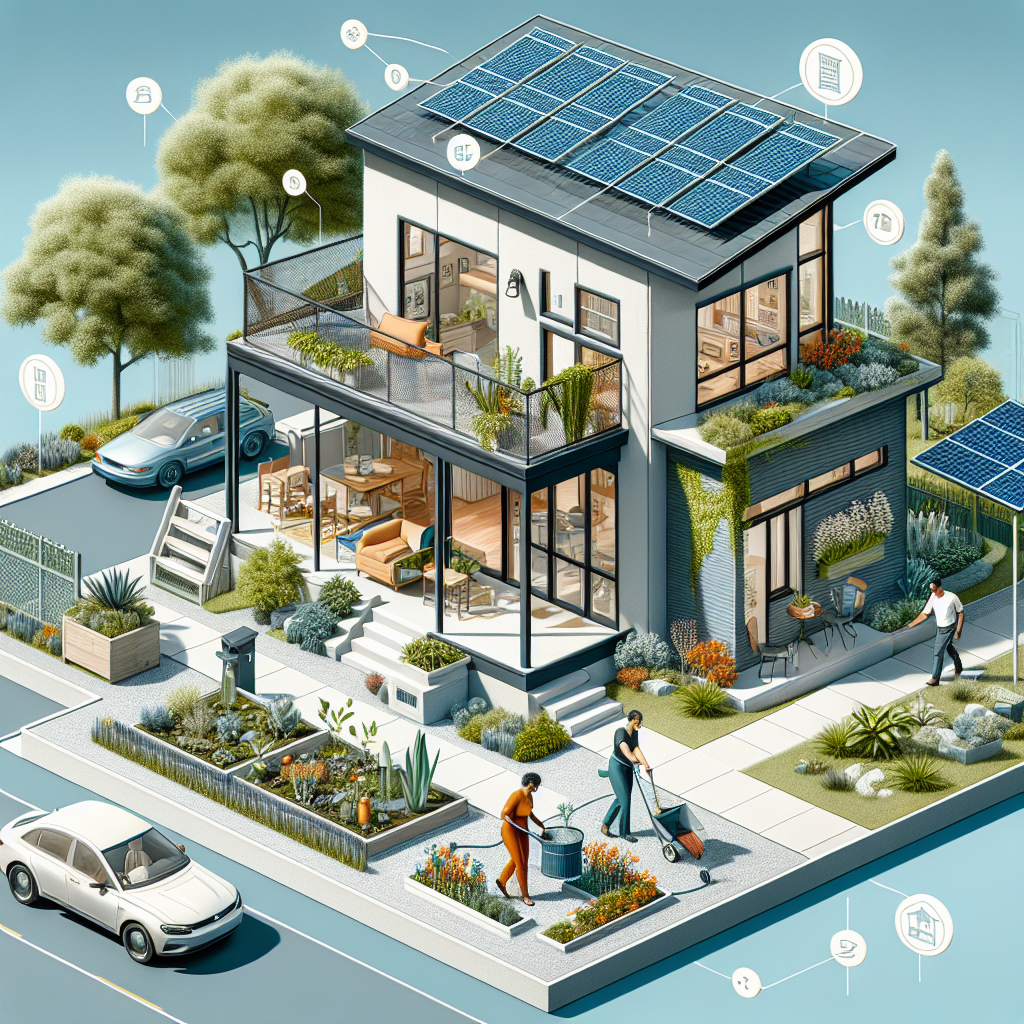
The concept of affordable housing is central to urban planning, yet it remains an ongoing challenge in many cities worldwide. As populations continue to rise, the demand for housing increases, and ensuring that this housing remains affordable without sacrificing quality becomes paramount. An additional layer to this challenge is the need to make such housing energy-efficient. Combining affordability with energy efficiency not only helps reduce living costs for residents but also promotes environmental sustainability.
For many families, housing costs represent the largest portion of their monthly expenses. When utilities are factored in, the financial burden can become overwhelming. With energy-efficient affordable housing, residents can enjoy reduced utility bills, access to healthier living environments, and a decreased carbon footprint. As societal awareness grows around environmental sustainability and climate change, the integration of energy-efficient solutions in housing is more important than ever.
This article dives deep into the intersection of affordability and energy efficiency in urban housing. We’ll explore the current landscape, discuss key challenges, highlight successful case studies, and provide actionable strategies for future developments. Whether you’re a policymaker, developer, or potential homeowner, this comprehensive guide will provide valuable insights into how affordable housing can be both cost-effective and energy-efficient.
The Current Landscape of Affordable Housing and Energy Efficiency
The context of affordable housing varies globally, influenced by local economies, government policies, and societal needs. In many developed countries, affordable housing initiatives often focus on subsidies, rent control, and incentivized development. Concurrently, energy efficiency is becoming a regulatory requirement, with many governments mandating building codes that reduce energy consumption.
For instance, in the United States, the Department of Housing and Urban Development (HUD) has been actively promoting energy-efficient affordable housing through various programs. These programs often involve partnerships with local governments, non-profits, and private-sector developers. Similar initiatives exist worldwide, such as the European Union’s Horizon 2020 project aimed at enhancing the energy efficiency of public buildings, including affordable housing units.
Despite these efforts, challenges remain. High initial costs, lack of awareness, and resistance to change are common barriers. Many developers are still hesitant to integrate energy-efficient technologies into affordable housing projects due to the perceived increase in upfront investment. However, numerous studies have demonstrated that the long-term savings on energy bills and maintenance costs far outweigh these initial expenses.
Challenges in Implementing Energy Efficiency in Affordable Housing
While the benefits of energy efficiency are clear, several challenges hinder its widespread adoption in affordable housing projects. One notable challenge is the higher upfront cost associated with energy-efficient materials and technologies. This can be particularly daunting for developers working on tight budgets.
Moreover, there is a knowledge gap among stakeholders in the housing sector about the best practices and the latest innovations in energy-efficient building. Many developers and policymakers lack the expertise needed to design and implement these solutions effectively. Consequently, they may shy away from undertaking such projects.
Financing also plays a critical role. Securing funding for affordable housing development that incorporates energy-efficient strategies can be challenging. Banks and financial institutions may be reluctant to offer favorable terms, citing the higher perceived risks. This is particularly true in regions where the banking sector is less robust or where the real estate market is not well-regulated.
Lastly, there is often resistance from potential residents. Some people may perceive energy-efficient homes as overly expensive or subject to higher maintenance costs, despite evidence to the contrary. Overcoming these misconceptions requires concerted educational campaigns and transparent communication about the long-term financial and health benefits of living in energy-efficient homes.

Successful Case Studies in Affordable, Energy-Efficient Housing
Despite the challenges, numerous case studies demonstrate the feasibility and benefits of combining affordability with energy efficiency. One exemplary case is the “Solar Decathlon” competition organized by the U.S. Department of Energy. This event encourages collegiate teams to design and build solar-powered, energy-efficient homes. Many of the prototypes have been converted into sustainable, affordable housing units post-competition.
Another noteworthy example is the BedZED (Beddington Zero Energy Development) project in London, which is the UK’s largest eco-community. BedZED is not only made up of affordable units but is also designed to be carbon neutral. This means that it produces as much energy as it consumes, with the aid of solar panels, energy-efficient appliances, and superior insulation.
In India, the “Indira Awas Yojana” program focuses on providing affordable homes to the rural poor, integrating energy-efficient features such as rainwater harvesting and solar heating. These homes are built using locally sourced materials and are designed to maintain a comfortable indoor climate, thereby reducing the need for mechanical heating and cooling systems.
These case studies illustrate that with proper planning, innovative design, and adequate financing, it is entirely possible to construct homes that are both affordable and energy-efficient. The success of such projects serves as a valuable blueprint for future developments around the world.
Actionable Strategies for Integrating Energy Efficiency in Affordable Housing
Integrating energy efficiency in affordable housing requires a multi-faceted approach that involves various stakeholders, from policymakers to developers to residents. Here are some actionable strategies that can pave the way:
- Policy Support: Governments should incentivize the development of energy-efficient affordable housing through tax breaks, grants, and subsidies. Clear regulations and standards should be established to guide developers.
- Financial Instruments: Banks and financial institutions should be encouraged to offer favorable loans and mortgages for energy-efficient housing projects. Green bonds and impact investing can also play a significant role.
- Education and Training: Providing training programs for developers, architects, and builders on energy-efficient technologies and practices can bridge the knowledge gap. Public awareness campaigns can also educate potential homeowners about the benefits.
- Technology and Innovation: Leveraging modern technologies such as solar panels, smart grids, and energy-efficient appliances can help in reducing both initial and operational costs. Continuous innovation and research should be promoted.
- Community Involvement: Engaging the community in the planning and development process ensures that the solutions meet the actual needs and preferences of the residents. This also fosters a sense of ownership and responsibility towards maintaining energy efficiency.
Implementing these strategies can significantly enhance the availability of energy-efficient affordable housing. The benefits extend beyond cost savings, contributing to the overall well-being of communities and the environment.
The Future of Affordable, Energy-Efficient Housing
The future of affordable housing is intrinsically linked with energy efficiency. As urbanization continues to accelerate, the need for sustainable housing solutions becomes more pressing. Technology stands to play an increasingly vital role in this evolution. Advances in smart home technologies, renewable energy sources, and sustainable building materials are likely to further the development of affordable, energy-efficient housing.
Moreover, the global political landscape is leaning heavily towards climate action. Policies like the European Green Deal and the Biden Administration’s infrastructure plans are promising frameworks that support energy-efficient development. This political will, combined with consumer demand for sustainable living solutions, provides a promising outlook for the future.
At the same time, awareness and education around the importance of energy efficiency are growing. Residents are becoming more environmentally conscious and are more likely to choose homes that are both affordable and energy-efficient. This shift in consumer preference will drive demand, encouraging more developers to adopt energy-efficient practices.
In conclusion, while challenges remain, the path to integrating energy efficiency in affordable housing is clear. Through strategic planning, technological innovation, and collaborative efforts, it is possible to create homes that are affordable, sustainable, and energy-efficient. The future holds great promise for a harmonious blend of affordability and environmental stewardship in urban housing.
Conclusion
Affordable housing and energy efficiency should not be seen as mutually exclusive goals. On the contrary, their integration offers substantial benefits, ranging from reduced utility costs for residents to lowered environmental impacts. The barriers to achieving this integration are not insurmountable. Through concerted efforts, informed policy-making, and innovative design, it is entirely feasible to develop housing that is both cost-effective and energy-efficient.
As we move forward, all stakeholders in the housing sector must play their part. Policymakers should provide the necessary regulations and incentives, financial institutions ought to offer supportive financing options, developers need to embrace energy-efficient technologies, and residents should be educated about and engaged in sustainable living practices. Ultimately, the focus should be on creating resilient, inclusive communities where affordability and sustainability go hand in hand.
In closing, the journey towards widespread affordable, energy-efficient housing is a collective endeavor. The examples provided, ongoing advancements in technology, and shifting societal norms all point towards a future where everyone can enjoy the benefits of a sustainable home. The time to act is now, ensuring that energy-efficient affordable housing becomes the standard rather than the exception.
Frequently Asked Questions
1. What constitutes affordable housing?
Affordable housing refers to housing options that are reasonably priced and accessible to people across various income levels, particularly those earning a low to moderate income. The general benchmark for housing affordability is that a household should not spend more than 30% of its annual income on housing costs, including rent or mortgage and utilities. However, affordability can vary depending on location, market conditions, and government policies. Effective affordable housing strategies aim to balance cost with quality, ensuring that residents have safe, healthy, and stable living environments without the financial burden that often accompanies housing expenses.
2. Why is energy efficiency important in affordable housing?
Energy efficiency is crucial in affordable housing because it directly impacts the cost of living. By incorporating energy-efficient designs and technologies, housing becomes less expensive to maintain. Residents can save significantly on utility bills, which is especially important for low-income households. These savings can be redirected towards other essential needs such as healthcare, education, and transportation. Additionally, energy efficiency contributes to environmental sustainability by reducing the carbon footprint of buildings, conserving natural resources, and decreasing reliance on non-renewable energy sources. Implementing energy-efficient solutions in affordable housing is a win-win for both the occupants and the planet.
3. How can affordable housing be made energy-efficient?
There are several ways to enhance energy efficiency in affordable housing. Implementing better insulation and weatherproofing helps retain heating and cooling, dramatically improving a home’s energy performance. Installing energy-efficient windows and high-performance HVAC systems can further reduce energy use. Integrating renewable energy sources, such as solar panels, can provide significant cost savings and environmental benefits. Emphasizing the use of energy-efficient appliances and lighting, such as LED bulbs, contributes too. Design strategies like passive solar design can optimize natural light and heat. Collaboration between builders, policymakers, and residents ensures that energy-efficient measures meet both cost and ecological goals.
4. What roles do governments play in promoting affordable housing and energy efficiency?
Governments at all levels play a crucial role by implementing policies and incentives to encourage the development and maintenance of affordable, energy-efficient housing. They can allocate funding for subsidies or tax credits for both builders and tenants, making it more financially feasible to invest in energy-efficient designs and technologies. Zoning laws and building codes can be updated to include energy efficiency standards. Government-backed programs can support research and development of innovative construction methods or materials that emphasize sustainability and cost savings. Additionally, government agencies can facilitate partnerships and collaborations among stakeholders, ensuring that policies are effectively and efficiently executed.
5. What are the challenges in combining affordability and energy efficiency in housing?
Despite the benefits, several challenges may arise when trying to merge affordability with energy efficiency in housing. Initial capital investment can be a barrier, as energy-efficient materials and systems often require upfront costs that may not be immediately feasible for developers focusing on keeping housing affordable. There may also be a lack of awareness or understanding regarding the long-term financial benefits of energy efficiency, leading to resistance among developers and homebuyers. Furthermore, technological barriers, policy constraints, and varying regulatory environments can complicate matters. Overcoming these hurdles requires a coordinated approach involving education, incentives, and alignment of public and private sector interests.


