

Housing is a fundamental human right, yet many people, particularly those with disabilities, face significant challenges in accessing affordable and accessible housing. This issue has garnered increasing attention as societies worldwide aim to be inclusive and equitable. Affordable housing, defined as housing that costs no more than 30% of a household’s income, is critical for people with disabilities who often face financial constraints and require specific accommodations to live independently.
People with disabilities represent a significant portion of the population, and their needs must be met to ensure they live dignified and independent lives. Disabilities can range from mobility impairments to cognitive disabilities, each requiring different adaptations in housing. Unfortunately, the current housing market often fails to provide sufficient accessible options, leading to a significant gap that impacts the quality of life for these individuals.
Understanding the intersection of affordable housing and accessibility is essential for planners, policymakers, and developers. It goes beyond merely constructing affordable units; it encompasses ensuring these units are suitably modified to meet the diverse needs of people with disabilities. This article explores the importance of affordable, accessible housing, the current challenges faced, and potential solutions to bridge the existing gap.
The Importance of Accessibility in Affordable Housing
Accessibility in affordable housing is not just a matter of convenience but a critical aspect of inclusive urban planning. Accessible housing allows people with disabilities to lead more independent and fulfilling lives. It promotes social inclusion, reduces reliance on caregiving, and enhances overall well-being. This, in turn, has positive ripple effects on the broader community.
Furthermore, accessible housing addresses the issue of equity. People with disabilities often face higher risks of poverty due to increased medical expenses and limited employment opportunities. Ensuring they have access to affordable, accessible housing can significantly enhance their economic stability. It’s a proactive approach to preventing homelessness among one of society’s most vulnerable groups.
Additionally, there are societal and economic benefits. When people with disabilities have stable housing, their engagement in community activities increases, enriching the diverse fabric of the community. Economically, reducing the barriers to housing can decrease the burden on social services and healthcare systems by preventing issues that arise from inadequate housing.
Current Challenges in Providing Accessible, Affordable Housing
Despite the recognized importance, numerous challenges hinder the provision of accessible, affordable housing. One major hurdle is the cost. Retrofitting existing buildings to meet accessibility standards or constructing new accessible units often requires substantial investment, which developers may be reluctant to undertake without incentives.
Regulatory frameworks can also be complex and inconsistent. While some regions have stringent accessibility standards, others may lack comprehensive policies, leading to varied levels of accessibility. Enforcement of these regulations is another issue; without strict oversight, compliance can be lax, resulting in substandard or inadequate accommodations.
Societal attitudes and awareness also play a role. There is sometimes a lack of understanding about what accessibility truly entails, leading to inadequate solutions that don’t fully meet the needs of people with disabilities. This is compounded by societal stigmas and misconceptions about disabilities, which can lead to minimal prioritization of accessible housing.
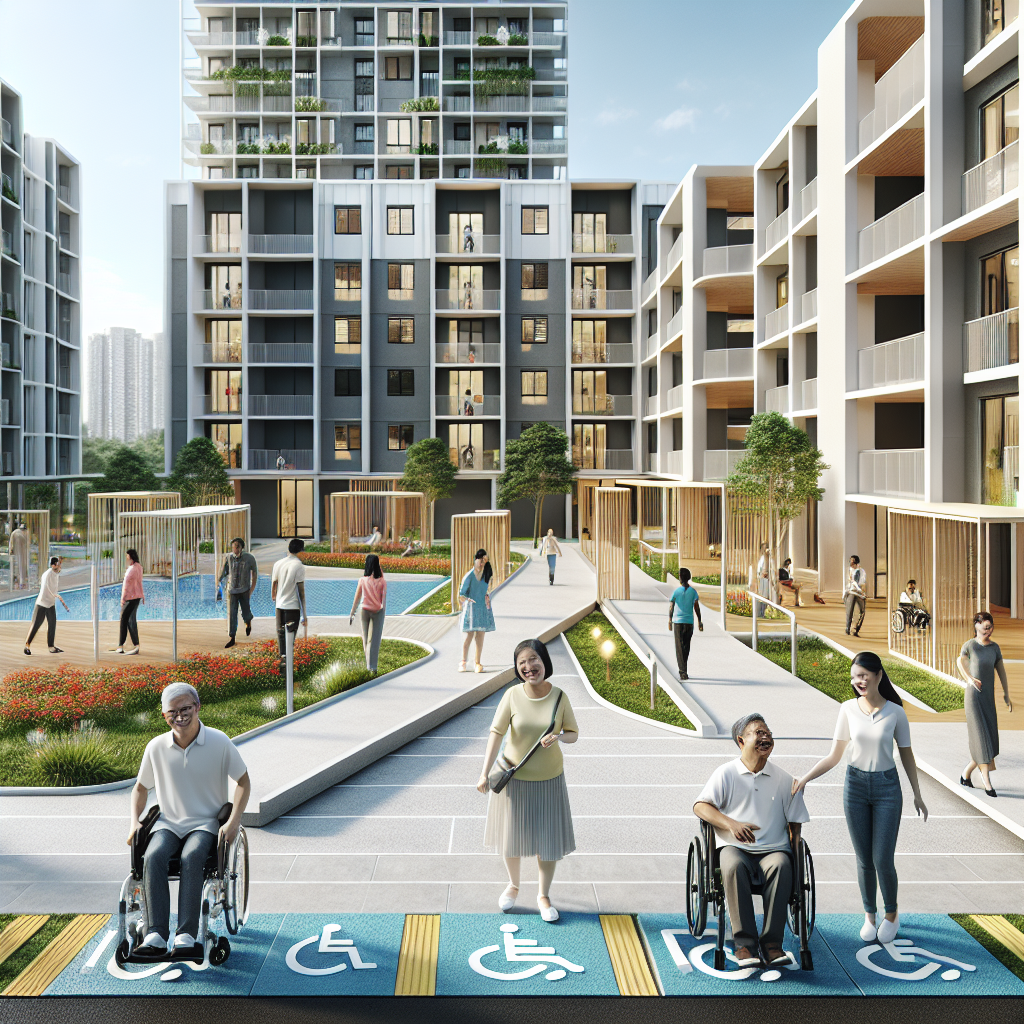
Strategies for Enhancing Accessibility
Addressing the challenges requires a multipronged approach involving policy reforms, financial incentives, and awareness campaigns. Policymakers should enforce and expand regulations mandating accessibility in all new housing developments. This can be complemented by incentives for developers to include accessible features, such as tax credits or grants.
Education and training for architects, planners, and developers are crucial. By incorporating universal design principles, which focus on creating spaces accessible to all, building professionals can better meet the needs of people with disabilities. This proactive design approach ensures accessibility from the ground up rather than relying on costly retrofits.
Engaging with people with disabilities during the planning and design phases can provide valuable insights into their needs and preferences. User-centered design approaches and participatory planning can lead to more effective and satisfactory solutions. Additionally, raising public awareness about the importance of accessible, affordable housing can shift societal attitudes and prioritize these needs in community planning.
Examples of Successful Accessible Housing Initiatives
Examining successful initiatives can provide a roadmap for creating more inclusive housing solutions. For instance, the U.S. Section 811 program offers subsidies to developers to create affordable, accessible housing for people with disabilities. These developments not only comply with strict accessibility standards but also integrate supportive services to assist residents in maintaining independence.
In Europe, Sweden’s extensive social housing program includes significant investment in accessibility. The country employs a mix of subsidies, strict regulations, and innovative design to ensure housing meets the needs of all residents, including those with disabilities. This holistic approach has resulted in widespread availability of high-quality, accessible housing.
Local community-driven projects also make a difference. In Canada, the Inclusive Design Challenge encourages cities to develop creative, inclusive housing solutions. Winners receive grants to implement their ideas, fostering local innovation and ensuring the unique needs of communities are addressed.
Future Directions and Innovations
Looking to the future, technological advancements and innovative design are set to revolutionize accessible housing. Smart home technologies, for example, offer great potential to enhance accessibility. Features like voice-activated controls, automated doors, and sensors can significantly improve the ease of use for people with disabilities.
Modular and prefabricated housing are other areas of innovation. These methods can reduce construction costs and time, making it easier to produce affordable, accessible units swiftly. Furthermore, modular designs can be easily adapted to meet various accessibility needs, offering a flexible solution for diverse populations.
Sustainable design practices also intersect with accessibility. Creating energy-efficient, accessible homes reduces living costs and environmental impact, benefiting both residents and the broader community. The integration of sustainable and accessible design principles offers a comprehensive approach to housing that addresses multiple societal goals simultaneously.
Conclusion
The journey to provide accessible, affordable housing is complex but essential. It is a critical aspect of creating inclusive, equitable communities where everyone has the opportunity to live independently and with dignity. While challenges exist, a combination of strong policies, innovative design, and active community engagement can drive significant progress.
Policymakers, developers, and society at large must recognize and prioritize the housing needs of people with disabilities. Incorporating accessibility from the outset, along with providing necessary financial and regulatory support, can ensure that housing developments meet the diverse needs of all residents.
Ultimately, accessible, affordable housing is about more than just meeting regulations; it’s about fostering inclusion and improving the quality of life for people with disabilities. As society advances, the commitment to accessibility must be unwavering, ensuring that everyone, regardless of ability, can find a place they can call home.
Frequently Asked Questions
1. What are the specific challenges faced by people with disabilities in accessing affordable housing?
People with disabilities face a myriad of challenges in the housing market that can make finding affordable, accessible housing seem like an uphill battle. For starters, there is often a limited supply of housing units that are both accessible and affordable. This shortage is further exacerbated by various obstacles such as zoning laws that restrict the construction of accessible homes and a general lack of awareness or consideration for accessibility needs within the housing sector.
Moreover, individuals with disabilities may encounter bureaucratic red tape when trying to apply for housing assistance or navigate complex eligibility requirements. Financial constraints also play a significant role; disabilities may limit employment opportunities, leading to lower incomes and, thus, tighter budgets. In many cases, affordable housing for people with disabilities necessitates the adaptation of homes or special facilities, which can further drive prices up due to the additional cost of renovations or specialized resources.
Additionally, discrimination—whether direct or subtle—continues to be a barrier. Despite laws designed to protect them, individuals with disabilities may be marginalized or overlooked in the competitive housing market. All of these factors together create a challenging environment for securing suitable housing.
2. How can affordable housing be made more accessible to people with disabilities?
Making affordable housing accessible for people with disabilities requires a multifaceted approach involving changes at both the policy and practical levels. On a policy level, governments and local authorities need to enact and enforce inclusive housing policies that prioritize accessibility. This can include implementing more stringent accessibility standards in building codes, as well as providing incentives to developers to create more inclusive housing stock.
Financially, there needs to be more robust support systems, such as increased funding for housing vouchers specifically for individuals with disabilities and subsidies for developers who build accessible units. It’s essential to streamline the processes for applying to these programs, making them less cumbersome and more intuitive for those in need.
On a practical level, increasing awareness about the importance of accessible housing is crucial. Advocacy and education campaigns can help change cultural attitudes and encourage developers, landlords, and policymakers to recognize and act on the needs of individuals with disabilities. Additionally, involving individuals with disabilities in the design and planning phases of housing can help ensure that new units meet the diverse needs of this community.
3. What is the role of government in ensuring accessible, affordable housing for people with disabilities?
The government plays a pivotal role in ensuring that affordable and accessible housing becomes a reality for people with disabilities. Essentially, their responsibility lies in policy creation, enforcement, and support. Governments are tasked with developing policies that mandate accessibility features in new and existing housing, stipulating that accommodations such as ramps, wide doorways, lifted outlets, and tactile or auditory features be included as standard practice rather than exceptions.
Enforcement is another critical area. Laws such as the Americans with Disabilities Act (ADA) or similar legislation worldwide need robust enforcement to ensure compliance. Many housing infrastructures may still be lacking simply because existing laws aren’t thoroughly implemented, necessitating consistent monitoring and accountability mechanisms.
Support extends beyond just policy and enforcement; it includes financial support through subsidies, grants, and various financial incentives for property owners and developers who commit to keeping a portion of their housing accessible and affordable. Governments should also work alongside non-profit organizations to effectively allocate resources and pool expertise in meeting the housing needs of disabled individuals.
4. Are there any specific programs or incentives available for people with disabilities seeking affordable housing?
Yes, there are several programs and incentives explicitly designed to assist people with disabilities in gaining access to affordable housing. For one, the Section 811 Supportive Housing for Persons with Disabilities program in the United States offers capital advances to nonprofit organizations to develop rental housing, and it provides project rental assistance for very low-income adults with disabilities.
There are also housing choice vouchers, commonly known as Section 8, which many local Public Housing Authorities (PHAs) administer with a priority for those living with disabilities. These vouchers help cover the difference between the cost of rent and 30% of the individual’s income.
Additionally, many governments offer tax credits or deductions both for individuals making home modifications pertinent to their disabilities and developers creating accessible housing. Programs like Medicaid could also offer assistance for certain in-home support services and modifications that facilitate independent living, which can ultimately impact housing affordability.
5. What role do community-based organizations play in supporting accessible affordable housing for those with disabilities?
Community-based organizations play an indispensable role in bridging the gap between people with disabilities and accessible affordable housing. These organizations are often at the forefront of advocacy, education, and direct support. They serve as crucial intermediaries between individuals in need and the various bureaucratic programs that aim to assist them.
Through advocacy, they can push for better policies, increased funding, and infrastructural changes at both the local and national levels. This advocacy often extends into grassroots efforts, sensitizing the community about the importance and need for accessible housing, aiming to reduce stigmas and increase inclusivity within neighborhoods.
Moreover, they provide direct services, such as helping individuals navigate the complex process of applying for housing aid or benefits, offering workshops, and providing personalized support to assist with housing applications or finding modified housing options.
Education forms an essential part of their offerings as well. These organizations often provide education on rights, available programs, and advocacy tips to empower individuals with disabilities to advocate for themselves. Community-based organizations are essentially the lifelines that provide accessible information and support, tailored to the real needs of people with disabilities.


