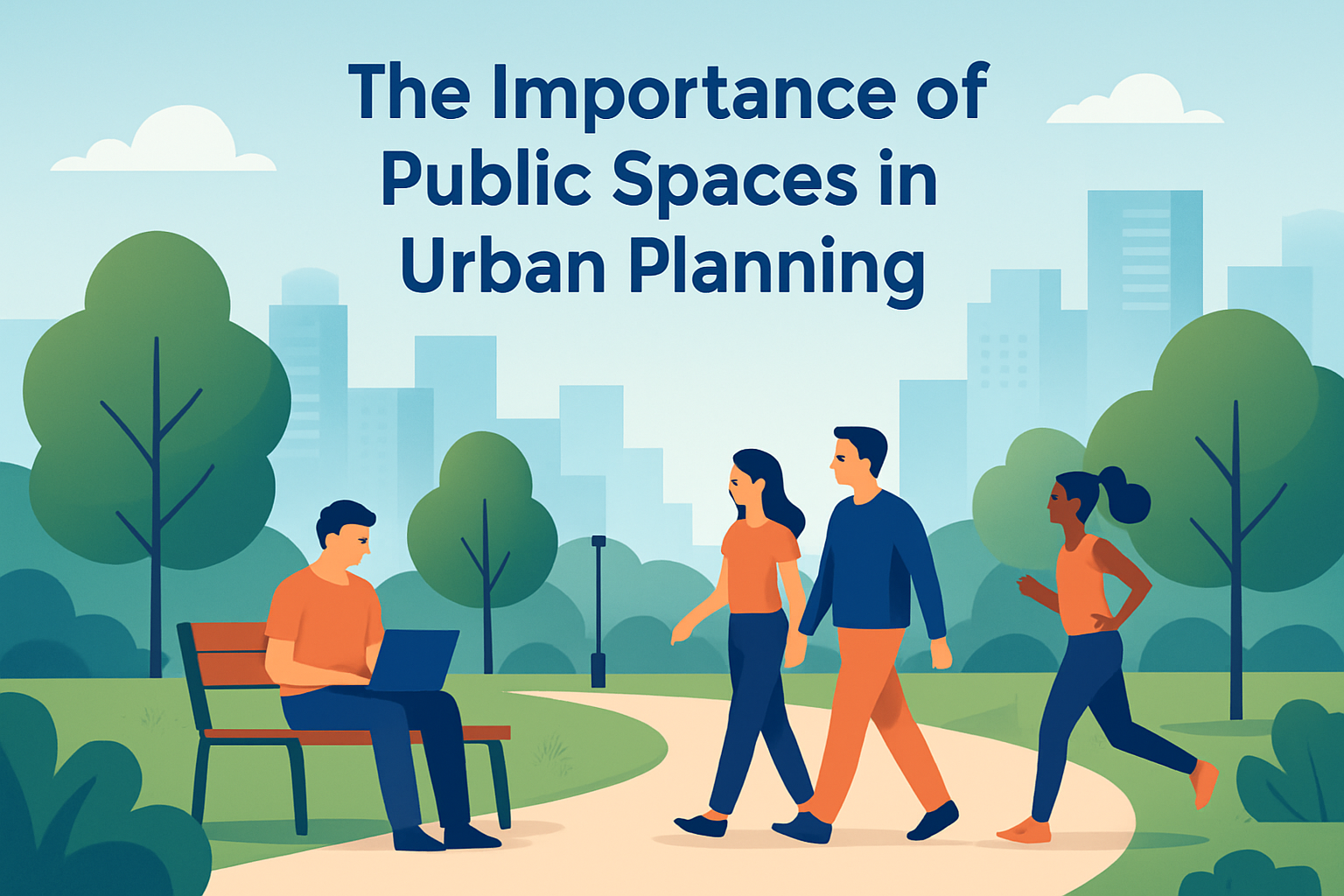
Public spaces are an intrinsic part of our urban environments, contributing to the social, economic, and cultural vitality of our communities. Defined broadly, public spaces are areas that are open and accessible to people of any background. This includes parks, squares, streets, and public buildings such as libraries and community centers. The significance of these spaces is not just in their utility but in their ability to serve as hubs of social interaction. They provide a platform for people to connect, collaborate, and foster community ties. In today’s digital age, where face-to-face interactions are often replaced with virtual ones, the need for physical spaces where people can gather and interact is more crucial than ever. By fostering interpersonal connections, public spaces enhance the community’s social fabric, which is vital for the wellbeing of its members. This article explores the role that public spaces play in fostering social interaction, offering insights into their multifaceted contributions and showcasing real-world examples that highlight their importance.
Creating Inclusive Environments for Diverse Populations
Public spaces are dynamic environments that bring together people from varied backgrounds, cultures, and identities. The inclusivity of these areas is key to encouraging social interaction among diverse groups. A well-designed public space can bridge social divides, allowing individuals to interact in a neutral area where they feel safe and accepted.
Take, for instance, the example of Bryant Park in New York City. Known for its vibrant atmosphere, the park attracts people from all walks of life. You’ll find tourists, office workers, students, and locals all mingling in its open green spaces. Bryant Park hosts a variety of events such as yoga classes, film screenings, and book readings that cater to different interests, promoting inclusivity and interaction across diverse demographics. This dynamic mix of people in a shared space fosters a sense of community and can lead to increased understanding and empathy among its users.
Encouraging Civic Engagement and Community Building
Public spaces serve as breeding grounds for civic engagement. They provide the physical canvas on which democratic activities such as protests, rallies, and public meetings can take place. When citizens gather in public spaces, they have the opportunity to express their views, advocate for change, and collectively participate in the democratic process.
An exemplary case of this role is Tahrir Square in Cairo, Egypt. During the Arab Spring, this public space became symbolic of the struggle for democracy and reform. It was in Tahrir Square where citizens gathered to demand political change, making the square a focal point for civic engagement. Such spaces allow communities to come together, share their concerns, and work collectively towards resolving them, thereby reinforcing social bonds and a sense of agency.
Facilitating Recreation and Promoting Well-being
Beyond facilitating social and civic engagement, public spaces also offer recreational opportunities that promote physical health and mental well-being. Access to nature within city limits provides a respite from the urban hustle, allowing individuals to relax, exercise, and socialize in an open environment.
A shining example is Central Park in New York City. With its vast landscapes, jogging tracks, and sports facilities, Central Park encourages physical activity while serving as a serene retreat from the city’s chaos. It’s not uncommon to see people jogging, biking, or playing sports alongside picnicking families and tourists. This mix of activities promotes a healthy lifestyle and provides a platform for people to engage with one another through shared interests.
Spurring Economic Growth through Vibrant Public Spaces
Public spaces can also serve as catalysts for economic growth. By attracting visitors and locals alike, they contribute to the economic vitality of urban areas. Shops, cafes, and vendors often cluster around popular public spaces, benefiting from the increased foot traffic they bring.
| Feature | Public Space Impact | Economic Benefit |
|---|---|---|
| Foot Traffic | Increases visitor numbers | Boosts sales for nearby businesses |
| Events and Activities | Draws diverse crowds | Creates opportunities for local vendors |
| Accessibility | Attracts a wide range of demographics | Supports public transport and local travel |
Consider the example of Millennium Park in Chicago. Originally an industrial wasteland, the park has been transformed into a bustling cultural spot that hosts concerts, art exhibits, and community events. Its development has spurred investment in the surrounding areas, leading to the growth of restaurants, hotels, and retail outlets. This has not only bolstered the local economy but has also created jobs, transforming the area into a vibrant economic hub.
Supporting Creativity and Cultural Expression
Public spaces offer a canvas for creativity and cultural expression, providing a stage where local artists and performers can showcase their work. This cultural vibrancy not only enriches the community but also invites dialogue and connection among its members.
For example, the Southbank Centre in London hosts a variety of cultural activities, from live music and art exhibitions to literature festivals. It serves as an incubator for creative endeavors, inviting both performers and audiences to engage with diverse cultural expressions. Such activities foster a sense of belonging and pride within the community, as individuals come together to celebrate and enjoy the local culture.
Providing Safe Spaces for Interaction and Engagement
Safety is a crucial consideration in fostering social interaction. Public spaces need to not only be accessible, but also designed with safety in mind to ensure that all community members feel comfortable and secure while using them. This involves thoughtful planning, adequate lighting, clear signage, and regular maintenance.
One pertinent example of a safe and inclusive public space is the High Line in New York City. This elevated greenway is renowned not only for its landscape architecture but also for its safe and family-friendly environment. The High Line provides seating areas, walking paths, and engaging installations, making it a popular spot for families, tourists, and locals alike. Through careful design and management, it creates an atmosphere where social interaction is both natural and encouraged.
Summarizing the Social Power of Public Spaces
In conclusion, public spaces play a crucial role in fostering social interaction by providing inclusive environments that bring together diverse populations. They encourage civic engagement, offer recreational activities that promote well-being, and spur economic growth by attracting visitors and supporting local businesses. By nurturing creativity and cultural expression, these spaces become rich social canvases where communities can convene, share experiences, and grow together.
The real-world examples of Bryant Park, Tahrir Square, Central Park, Millennium Park, Southbank Centre, and the High Line highlight the myriad ways public spaces contribute to social cohesion and interaction. These spaces are not just physical locations within a city; they are vibrant ecosystems that sustain social and cultural life. They remind us that even in an increasingly digital world, the need for physical spaces to connect, engage, and build community remains irreplaceable.
As readers consider the role of public spaces in their own communities, we encourage taking steps to engage with and support these areas. Whether it’s participating in a local event, advocating for the development of public spaces, or simply enjoying them with family and friends, each action contributes to the overall vibrancy and health of our communities.
Frequently Asked Questions
1. What is the role of public spaces in fostering social interaction?
Public spaces are vital components within our urban environments that play a crucial role in fostering social interaction. By design, these areas are accessible to everyone, regardless of age, socio-economic status, or background, which makes them perfect places for community engagement. Public spaces like parks, squares, and streets provide arenas where people can connect, share experiences, and foster relationships. For instance, a park with open green areas invites families for picnics, encourages children to play, and gives joggers a place to run, naturally fostering interaction amongst various users. Similarly, public squares often host events and markets, which attract people from all walks of life, encouraging cultural exchange and community bonding. When people meet in these communal areas, they are more likely to interact, leading to stronger neighborhood ties and a sense of belonging.
2. How do public spaces contribute to a community’s social wellbeing?
The presence of well-maintained and thoughtfully designed public spaces significantly contributes to a community’s social wellbeing. First, these spaces offer residents a place to unwind, recharge, and socialize, which is essential for mental health and wellbeing. People feel a sense of safety and comfort in welcoming public areas, which enhances their overall life satisfaction. Furthermore, public spaces often serve as neutral grounds where social barriers can be lowered. This fosters inclusivity, as individuals are more likely to interact with neighbors and strangers alike, creating opportunities to form friendships and networks. For instance, children playing together in a local playground can bridge cultural and socio-economic divides, resulting in more cohesive and resilient communities. Additionally, public spaces often host cultural events, such as music concerts or theater shows, offering people shared cultural experiences that enhance community spirit and social cohesion.
3. How can the design of public spaces impact social interaction?
The design of public spaces greatly influences how effectively they facilitate social interaction. Well-designed spaces encourage people to gather, linger, and engage with one another. For example, incorporating seating areas, shade, and landscaping can make a space more inviting and comfortable, prompting people to spend more time there. Accessibility is another key consideration; pathways should be well-organized to accommodate all users, including those with disabilities. Importantly, a sense of safety must be integrated into the design, with lighting and visibility being essential components. Design elements like art installations, fountains, or murals can act as conversation starters, encouraging people to interact. Additionally, creating varied zones within a space catering to different activities – from sports and exercise areas to quiet zones for relaxation – can attract diverse groups of people with varying interests, promoting a mix of interactions.
4. What are some examples of public spaces that successfully promote social interaction?
Many public spaces around the world are celebrated for their success in promoting social interaction. For instance, Central Park in New York City is renowned for its design and variety of activities that bring people together. Whether it’s families enjoying a day out, individuals jogging, or groups picnicking, the park offers ample opportunities for interaction. Similarly, Millennium Park in Chicago attracts residents and tourists alike with its interactive art installations, such as ‘The Bean,’ fostering conversation and social media sharing. Another example is the bustling atmosphere of Las Ramblas in Barcelona, where street performers and an array of eateries contribute to a vibrant street life encouraging people to stop, watch, and interact. Furthermore, public libraries, when designed as community-oriented spaces, offer more than just books; they provide community meeting rooms, events, and workshops, facilitating interaction and cultural exchange.
5. What challenges do urban planners face when creating public spaces aimed at enhancing social interaction?
Urban planners face multiple challenges when designing public spaces intended to enhance social interaction. One significant challenge is balancing diverse needs and expectations. Different demographic groups (e.g., families, youth, elderly) may have varying requirements and preferences for using public spaces. Planners must create inclusive environments that cater to as many of these needs as possible. Funding and resource allocation often pose an obstacle as well, since developing and maintaining public spaces can require significant financial investment. Furthermore, ensuring accessibility for all, including people with disabilities, requires thoughtful design and sometimes additional costs. Safety is another concern, as people are less likely to use spaces where they feel insecure. This includes addressing issues like crime prevention through environmental design (CPTED), adequate lighting, and surveillance. Lastly, achieving public buy-in and fostering a sense of ownership among community members can be challenging but is essential for the long-term success and maintenance of these spaces.