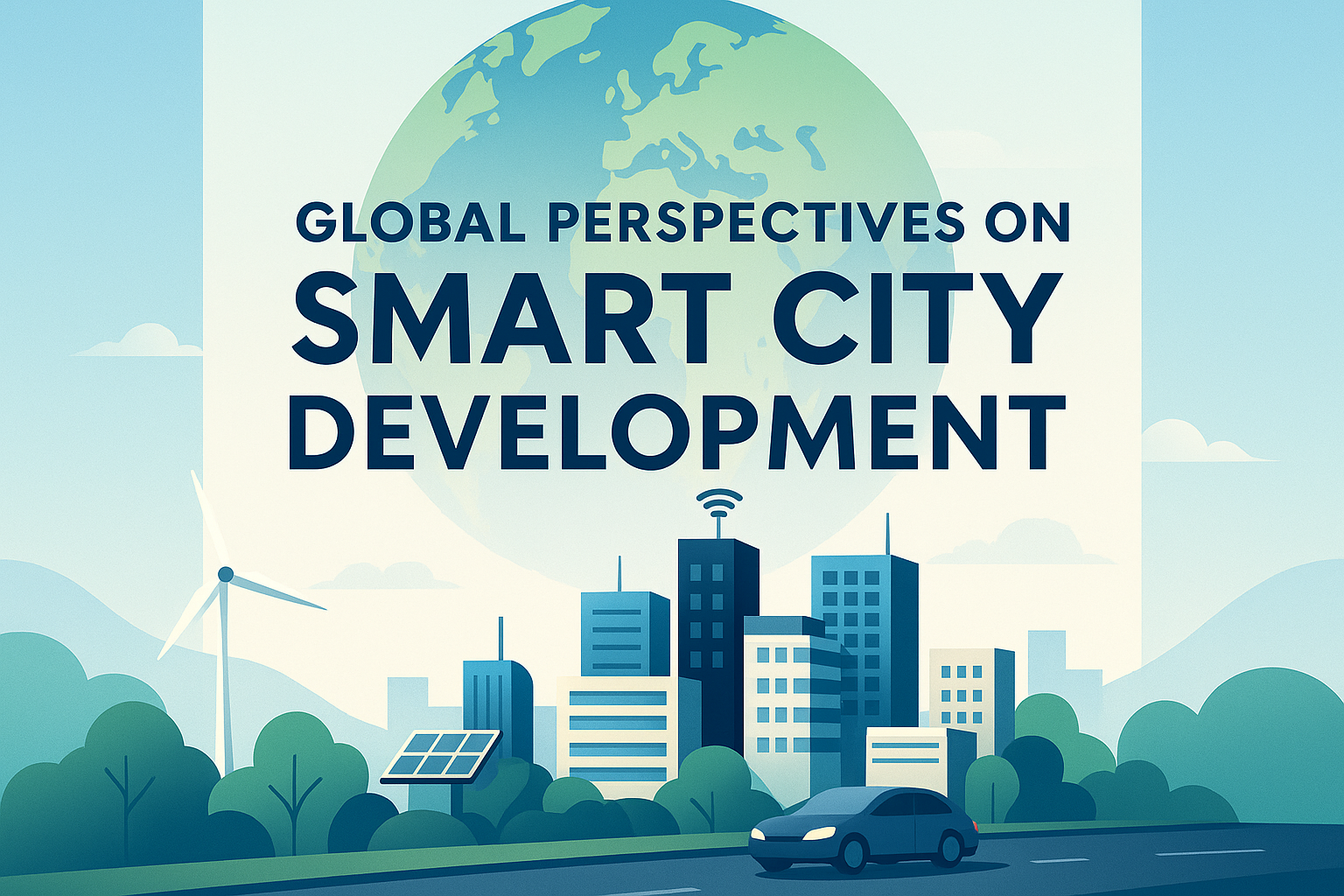
As urban areas across the globe continue to expand rapidly, the concept of smart city development has emerged as a linchpin in modern urban planning. Smart cities integrate digital technology and data to improve the quality of life, optimize energy consumption, and enhance sustainability. They utilize Internet of Things (IoT) devices, advanced data analytics, and innovative technology to manage cities efficiently. Developing these cities matters because it addresses some of the most pressing urban challenges, including pollution, resource management, public safety, and transportation. Moreover, transitioning to smarter cities holds the promise of improved economic opportunities, increased citizen engagement, and more resilient urban environments. This article delves into global perspectives on smart city development, offering insights into how different regions implement their unique models, the benefits they have reaped, and the challenges they continue to face.
Technological Integration in Smart Cities
At the heart of smart city development is the effective integration of technology to transform urban infrastructure and services. This involves utilizing IoT frameworks, cloud computing, and artificial intelligence (AI) to create more interconnected, efficient, and adaptable urban environments. For instance, the city of Amsterdam has gained recognition as a pioneer in smart city strategies. By employing a network of sensors, Amsterdam gathers real-time data to manage traffic, reduce energy consumption, and optimize public transportation. This system helps reduce traffic congestion and pollution, ensuring smoother commutes and a better environment for citizens.
Smart cities also leverage technology to provide better public services. Barcelona, another prominent smart city, has incorporated IoT sensors to efficiently manage waste collection. These sensors indicate when bins are full, ensuring timely waste collection and reducing unnecessary trips, thus saving energy and resources. Such innovations illustrate the profound impact technological integration has on urban life, enhancing efficiency and fostering sustainable practices.
Urban Mobility and Transportation Solutions
Transportation forms the backbone of any city’s infrastructure, directly influencing economics, health, and quality of life. Smart urban mobility ensures the seamless movement of citizens while minimizing environmental impact. Curitiba, Brazil, exemplifies success in smart transportation. The city boasts an innovative Bus Rapid Transit (BRT) system that prioritizes buses on dedicated lanes, reducing travel time, and optimizing public transit efficiency. This system has not only decreased carbon emissions but also improved accessibility, affordability, and convenience for Curitiba’s residents.
Moreover, Helsinki is an innovative leader, implementing a Mobility as a Service (MaaS) model. Their Whim app integrates public transport, taxis, car rentals, and bikes into a single subscription service. By providing a wide range of mobility options in one platform, Helsinki ensures that citizens have efficient, flexible, and eco-friendly ways to navigate their urban landscape. Such initiatives not only alleviate traffic congestion but also promote a shift towards more sustainable modes of transport.
Energy Efficiency and Sustainability Practices
Energy efficiency is a priority in smart city development, playing a fundamental role in reducing environmental impact and conserving resources. The city of Oslo has made considerable strides in this area. Oslo developed robust initiatives that prioritize energy efficiency, including financial incentives for renewable energy projects and strict energy standards for buildings. These efforts have led to a 50% reduction in carbon emissions since 1991, positioning Oslo as a leader in urban sustainability.
Singapore, on the other hand, has developed a sophisticated system to manage its energy consumption. The city utilizes an intelligent energy grid that provides real-time data on energy distribution and usage across the city. This helps to identify inefficiencies and mitigate energy waste, ensuring optimized distribution and consumption. Such endeavors underscore the critical importance of investing in energy innovations, contributing significantly to sustainable urban development.
Public Safety and Citizen Wellbeing
Ensuring the safety and wellbeing of citizens is a primary objective underlying smart city initiatives. By deploying smart technologies, cities enhance surveillance, emergency response, and risk management, ultimately increasing public safety. The city of Chicago has adopted predictive analytics in their crime forecasting system. By analyzing historical data, weather patterns, and socioeconomic factors, Chicago’s police department can allocate resources more efficiently and break crime trends proactively.
In addition, incorporating smart health technologies into city frameworks offers citizens improved access to healthcare services. Seoul is a leading example of utilizing technology to enhance citizen wellbeing. The city’s smart healthcare initiative leverages wearable health monitoring devices, providing real-time data to doctors and enabling timely health interventions. This integration of health technology improves the quality of care and access, particularly for the elderly and those with chronic conditions.
| City | Smart Initiative | Benefit |
|---|---|---|
| Amsterdam | Integrated Sensor Network | Reduced Traffic Congestion |
| Barcelona | IoT Waste Management | Efficient Waste Collection |
| Curitiba | Bus Rapid Transit System | Decreased Carbon Emissions |
| Oslo | Renewable Energy Incentives | Reduced Carbon Emissions |
| Seoul | Wearable Health Monitoring | Improved Health Access |
Challenges in Smart City Development
Despite the numerous benefits, developing smart cities comes with unique challenges. Data privacy remains a significant concern as cities collect vast amounts of data through various technologies. The lack of robust cybersecurity measures places citizens’ data at risk, necessitating the development of comprehensive policies and protection protocols.
Cost is another challenge, as smart technology implementation requires significant investment and resources. Creating the initial infrastructure, maintaining technological systems, and ensuring scalability pose considerable financial hurdles for many cities. The economically driven disparity can slow global progress in smart urban development.
Lastly, societal acceptance and adaptability to technology play a crucial role. Citizens must be willing to support smart city initiatives and adopt new technologies in their everyday lives. Successful implementation of smart city frameworks requires comprehensive public engagement and education strategies to ensure that all citizens, irrespective of socio-economic status, can benefit from technological advancements.
Summarizing Global Perspectives on Smart City Development
Smart city development is a transformative process that holds considerable promise for enhancing urban life. By leveraging technology, cities can achieve improved efficiency, sustainability, and quality of life, addressing contemporary urban challenges. The global examples discussed, from Amsterdam’s sensor network to Seoul’s healthcare initiative, illustrate the diverse ways cities are evolving.
However, as cities progress towards smarter futures, they must navigate challenges related to data privacy, financial constraints, and societal engagement. Addressing these challenges requires collaborative efforts from governments, private sectors, and citizens alike. As individuals and communities become more involved, the potential for smart cities becomes increasingly feasible.
For policy-makers, urban planners, and citizens interested in contributing to this evolution, engaging in dialogue and participating in local government initiatives are crucial steps. Exploring the potential of smart city technology not only makes cities a better place today but also paves the way for a sustainable and efficient urban future.
Frequently Asked Questions
1. What is the driving force behind smart city development?
Smart city development is primarily driven by the rapid growth of urban areas around the world. As cities expand, they face challenges such as overcrowding, pollution, inefficient resource management, and strained infrastructure. To address these issues, smart city initiatives aim to create more efficient, sustainable, and livable urban environments. The key driving force is the integration of digital technologies into city infrastructure to enhance various urban functions. By utilizing Internet of Things (IoT) devices, advanced data analytics, and innovative technologies, smart cities can manage resources more efficiently, leading to improved public services, reduced energy consumption, and a better quality of life for residents. Global trends, such as climate change and the need for sustainable development, also play a pivotal role in promoting smart city development, pushing governments and organizations to innovate and adapt to the future of urban living.
2. How do smart cities improve the quality of life for residents?
Smart cities improve the quality of life by implementing various technologies that make daily living more convenient, safe, and sustainable. For instance, smart transportation systems reduce traffic congestion and improve mobility through real-time data analysis and intelligent traffic management solutions. Public safety is enhanced through the use of connected surveillance systems and emergency response technologies. Smart meters and grids help optimize energy usage, leading to lower utility bills and reduced carbon footprints. Additionally, smart waste management systems use sensors to monitor waste levels in bins and optimize collection routes, reducing operational costs and environmental impact. Overall, smart cities create an environment where residents can enjoy better public services, increased connectivity, and cleaner, healthier surroundings, ultimately fostering a higher standard of living.
3. What role does technology play in smart city development?
Technology is at the core of smart city development, serving as the backbone for innovation and efficiency. Smart cities rely heavily on IoT devices that collect and transmit real-time data across various sectors, such as transportation, energy, water management, and public safety. This data is then analyzed using advanced data analytics to make informed decisions and optimize city operations. For example, intelligent transportation systems leverage traffic data to improve flow and reduce emissions. Smart grids use technology to balance energy demand and supply efficiently, incorporating renewable energy sources. Technology also supports citizen engagement by providing platforms for communication and feedback between residents and city officials. Overall, technology enables cities to be more responsive, adaptive, and sustainable, addressing urban challenges proactively and dynamically.
4. How do smart cities contribute to environmental sustainability?
Smart cities contribute to environmental sustainability in several ways. One significant contribution is through the optimization of energy consumption. Smart grids and meters allow for efficient energy distribution and consumption tracking, encouraging the use of renewable energy sources. Smart lighting systems, which adjust brightness based on real-time demand and occupancy, reduce energy wastage. Additionally, smart cities employ sustainable water management practices, such as monitoring and controlling water usage through sensors, preventing leaks, and optimizing irrigation for green spaces. Urban mobility is another area where smart cities contribute to sustainability by promoting public transportation, cycling, and walking through technology-enhanced infrastructure and real-time information systems. Additionally, smart waste management systems help reduce landfill waste and encourage recycling. By integrating these technologies and practices, smart cities reduce their environmental footprint and promote a healthier, more sustainable urban ecosystem.
5. What challenges do cities face in implementing smart city initiatives?
Despite the promising benefits, cities face several challenges in implementing smart city initiatives. One major hurdle is the financial investment required to upgrade existing infrastructure and deploy new technologies. This can be particularly difficult for cities with limited budgets or those in developing regions. Another challenge is the integration of technologies, as many cities have legacy systems that are not easily compatible with modern solutions. Ensuring interoperability and standardization across different sectors is crucial but often challenging. Data privacy and security are also significant concerns; as more data is collected and shared, protecting citizen information from breaches and misuse becomes paramount. Furthermore, the rapid pace of technological change can lead to concerns about obsolescence and the need for continual updates. Finally, gaining public acceptance and fostering a collaborative approach between government, businesses, and residents is essential for successful implementation, requiring robust communication and community engagement strategies. Addressing these challenges is crucial for realizing the full potential of smart city initiatives.