Urban infrastructure comprises essential systems that facilitate the functioning of cities, including transportation networks, water supply, sewage, and utilities. One critical aspect of urban infrastructure is traffic management systems, which ensure efficient, safe, and sustainable movement within increasingly populated urban environments. As the world continues to urbanize, cities face challenges such as congestion, pollution, and accidents, necessitating innovative approaches to traffic management. This introduction examines the significance of urban infrastructure and the evolution of traffic management systems to meet modern urban challenges.
The expansion of urban areas globally has necessitated robust infrastructure to maintain essential services and improve quality of life. Urban infrastructure encompasses the physical and organizational structures required to operate a city efficiently. Among these, transportation is perhaps the most visible and vital component. Effective transportation infrastructure underpins economic growth, enhances accessibility, and addresses environmental concerns.
Traffic management systems aim to optimize the use of existing transportation networks while minimizing environmental impacts. These systems incorporate a range of technologies and strategies designed to manage traffic flows, reduce congestion, improve safety, and promote sustainable modes of transportation. From traditional traffic lights to intelligent transportation systems (ITS), traffic management has evolved significantly.
As urban populations grow and transportation needs increase, cities must adopt comprehensive strategies to manage traffic efficiently. This requires innovative approaches that leverage technology and data analytics, integrate various transportation modes, and engage stakeholders. Understanding the complexity of urban environments and the role of traffic management systems is essential for creating cities that are not only livable and equitable but also sustainable amid changing global dynamics.
Urban Infrastructure’s Role in Traffic Management
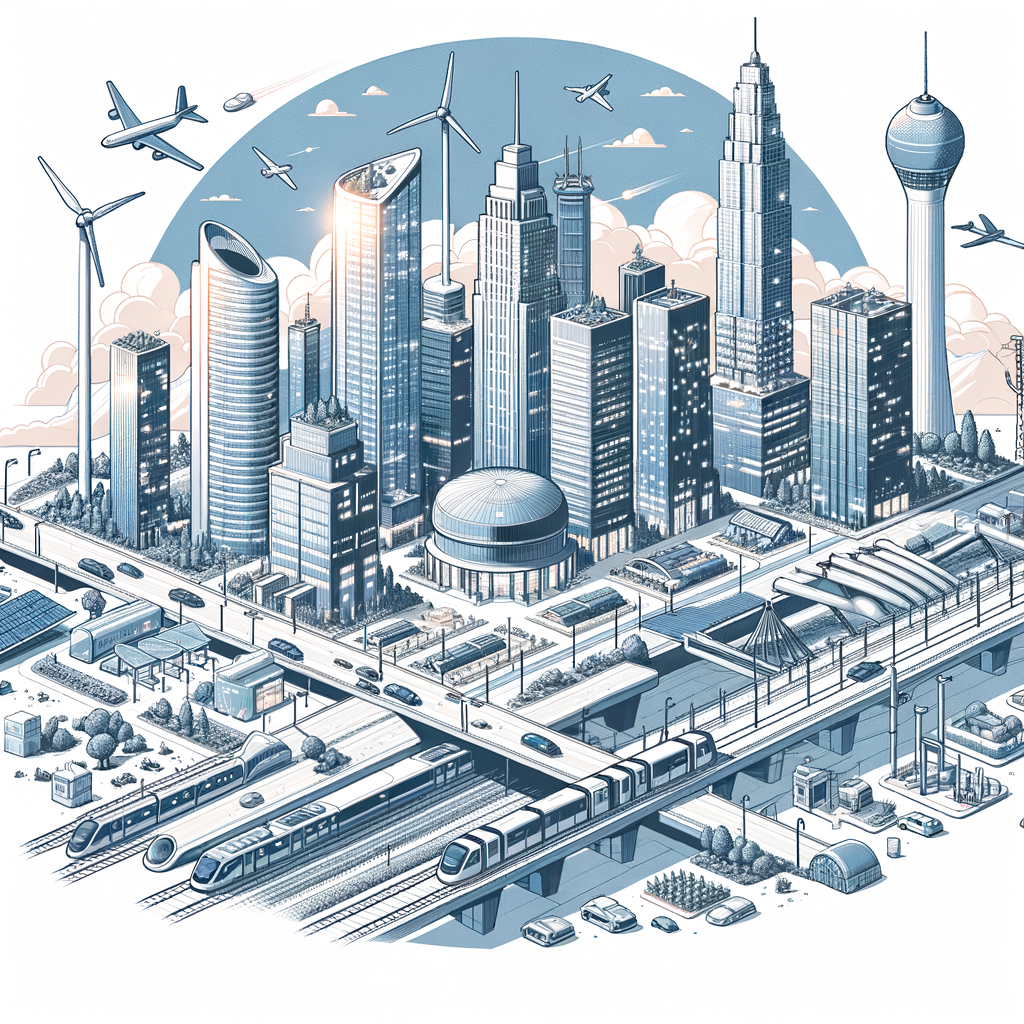
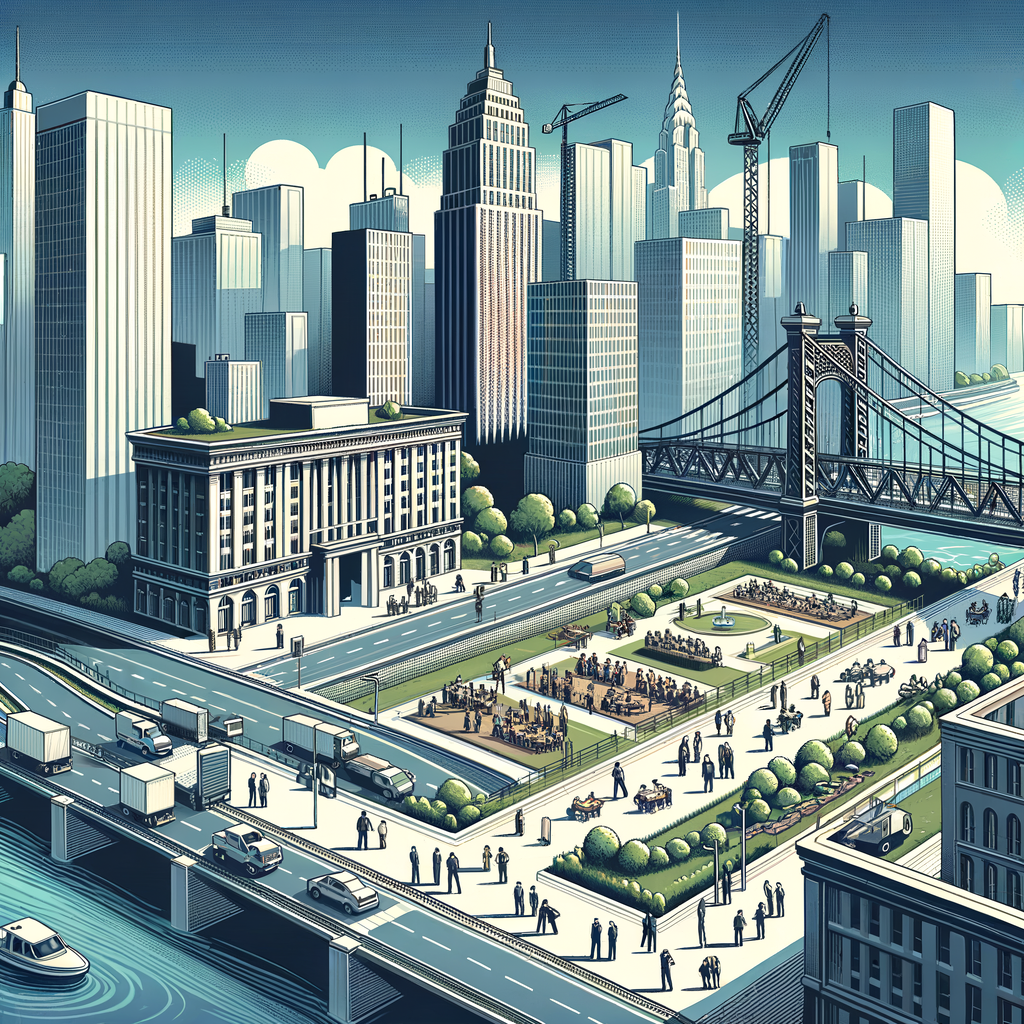
Urban infrastructure plays a crucial role in facilitating the movement of people and goods within cities. It encompasses the physical and organizational structures that support the transportation network, such as roads, bridges, tunnels, public transit systems, and traffic control devices. Well-designed infrastructure improves accessibility, connecting people to jobs, education, healthcare, and other services.
Road networks form the backbone of urban transportation infrastructure. They consist of highways, arterial roads, collector roads, and local streets. The efficiency of a city’s road network directly impacts traffic flow, congestion levels, and travel times. Properly designed roads with adequate capacity, intersections, and signage ensure optimal traffic distribution and enhance safety.
Public transportation systems, such as buses, trains, trams, and subways, are integral to reducing reliance on private vehicles and easing congestion. Well-coordinated transit networks provide efficient, affordable, and sustainable mobility solutions. Infrastructure investments in railways, bus rapid transit systems, and dedicated lanes for public transit can significantly improve service quality and increase ridership.
Bicycle and pedestrian infrastructure is increasingly recognized for its contribution to sustainable urban mobility. Dedicated bike lanes, pedestrian pathways, and bike-sharing programs encourage non-motorized transportation, reduce vehicular traffic, and promote healthier lifestyles. Investments in such infrastructure not only enhance accessibility but also improve urban liveability.
Challenges Facing Urban Traffic Management
Urban traffic management faces numerous challenges exacerbated by rapid population growth and urbanization. Increased demand for transportation often leads to higher congestion levels, which affect economic productivity and quality of life. Traffic congestion results in wasted time, increased fuel consumption, and environmental pollution.
Traffic safety is another significant concern. Traffic accidents pose a risk to public safety and contribute to injury, fatalities, and property damage. Developing effective measures to reduce accidents and improve road safety is an ongoing challenge for traffic management authorities.
Pollution and environmental sustainability are critical issues in urban traffic management. Emissions from vehicles contribute to poor air quality and climate change, necessitating the adoption of cleaner technologies and alternative transportation modes. Balancing economic growth with environmental protection is crucial for sustainable urban development.
Coordination among various stakeholders, including government agencies, private sectors, and local communities, is essential to address these challenges effectively. Collaborative approaches foster the integration of new technologies and policies to optimize traffic management strategies, ensuring efficient, safe, and sustainable urban mobility.
Technological Innovations in Traffic Management
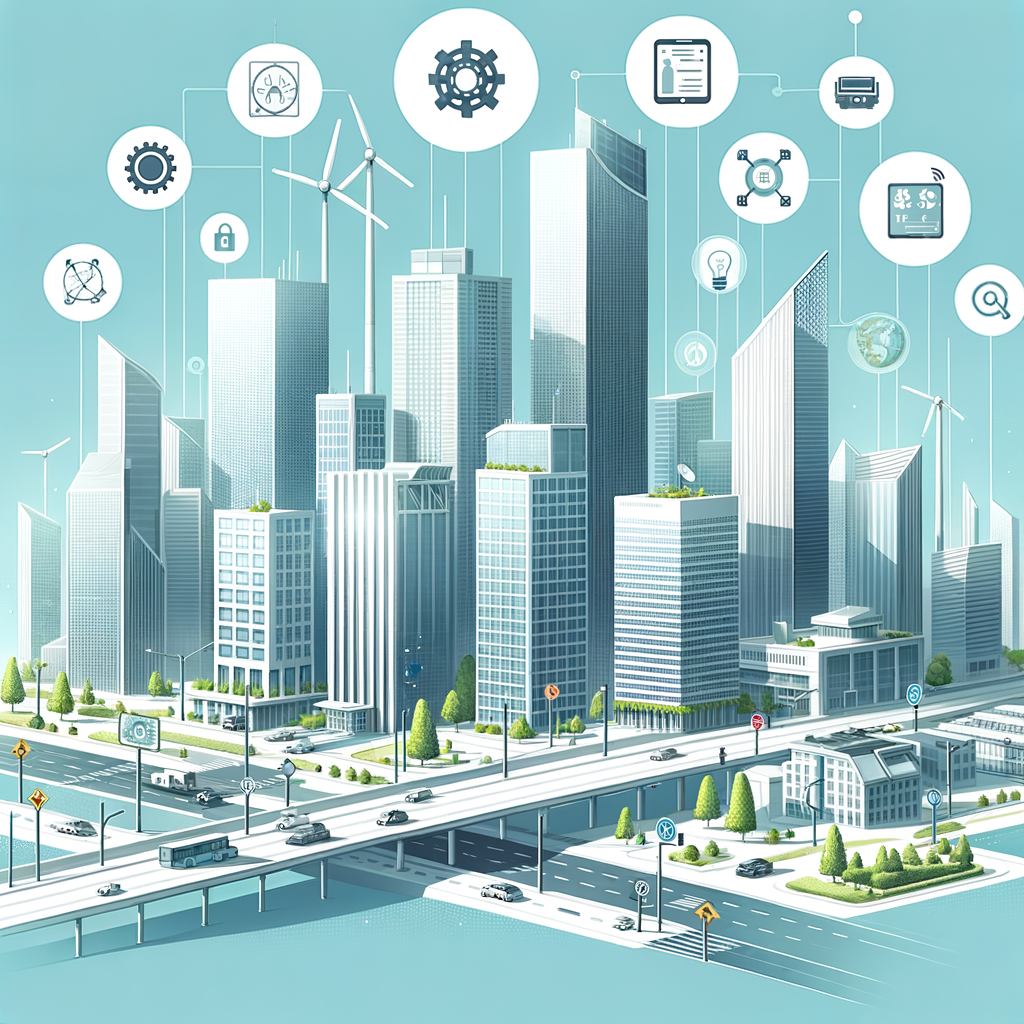
Technological advancements play a pivotal role in transforming traditional traffic management systems. Intelligent transportation systems (ITS) integrate information and communication technologies into transport networks, enhancing traffic flow, safety, and efficiency. ITS applications include real-time traffic monitoring, adaptive traffic signal control, electronic toll collection, and dynamic message signs.
Data analytics and big data offer insights into travel patterns, congestion hotspots, and network performance. By analyzing data from various sources, such as GPS, sensors, and cameras, traffic managers can make informed decisions and implement targeted interventions. Predictive analytics enable proactive measures to prevent congestion and improve traffic operations.
Connected and autonomous vehicles represent a paradigm shift in urban traffic management. These vehicles can communicate with each other and with infrastructure, enhancing traffic safety, reducing congestion, and optimizing vehicle operations. Autonomous vehicle technology promises to alter transportation systems fundamentally, reducing human error and increasing efficiency.
The Internet of Things (IoT) facilitates the integration of devices, vehicles, and infrastructure within a unified network. IoT enables real-time data exchange, enhancing coordination and automation in traffic management. Smart traffic lights, sensor-embedded roads, and connected vehicles contribute to a seamless mobility experience, ensuring optimal traffic flow.
Strategies for Sustainable Urban Traffic Management
Sustainable urban traffic management strategies focus on balancing transportation needs with environmental and social considerations. Promoting public transportation, cycling, and walking is imperative to reduce reliance on private vehicles and curb emissions. Public transit optimization involves improving service frequency, reliability, and accessibility to attract more users.
Cities can implement car-sharing and ride-sharing programs to reduce vehicle ownership and congestion. These programs maximize the use of existing vehicles, decrease traffic volumes, and lower carbon footprints. Encouraging electric and hybrid vehicles through incentives and infrastructure support can also contribute to sustainable mobility.
Policies aimed at demand-side management, such as congestion pricing and high-occupancy vehicle lanes, regulate traffic flows during peak hours. Congestion pricing charges drivers for road use in high-demand areas, incentivizing shifts to off-peak travel or alternative transport modes. High-occupancy vehicle lanes prioritize vehicles with multiple passengers, promoting carpooling and reducing congestion.
Urban planning plays a critical role in traffic management by designing transit-oriented developments (TOD). TODs integrate residential, commercial, and recreational spaces with public transit, minimizing travel distances and encouraging non-motorized transportation. Mixed-use development reduces dependency on private vehicles and fosters vibrant, walkable communities.
Conclusion
Urban infrastructure and traffic management systems are integral components of modern cities, shaping their economic vitality, environmental sustainability, and quality of life. As urban areas continue to expand, the need for effective traffic management becomes increasingly urgent. The challenges of congestion, pollution, and safety necessitate innovative solutions backed by technology and strategic planning.
Investment in resilient infrastructure, coupled with the adoption of intelligent transportation systems, offers pathways to enhanced urban mobility. By optimizing existing transportation networks, cities can achieve safer and more efficient traffic management. Embracing technological advancements, such as connected vehicles and IoT, facilitates data-driven decision-making and improves traffic operations.
Creating sustainable urban traffic management strategies requires a multidisciplinary approach that involves policymakers, urban planners, technologists, and citizens. Collaborative efforts can lead to comprehensive mobility solutions that address immediate challenges while promoting long-term sustainability.
Ultimately, urban infrastructure and traffic management systems are key determinants of a city’s competitiveness and livability. As cities plan for the future, prioritizing sustainable and inclusive mobility will be vital to building resilient urban environments that meet the needs of current and future generations.
Frequently Asked Questions
1. What is urban infrastructure, and why is it important for cities?
Urban infrastructure is the backbone of modern cities, encompassing a wide array of systems that ensure cities operate smoothly. These include transportation networks like roads, bridges, and public transit; water supply systems that provide clean water; sewage and waste management systems; and utilities such as electricity and gas. All these elements are essential because they facilitate everyday activities, promote public health, support economic growth, and enhance the quality of life for urban residents. Without robust urban infrastructure, cities would struggle to manage the basic necessities of their populations, leading to issues like congestion, pollution, and unlivable conditions. It acts as the critical framework supporting everything from commuting to communication, making it indispensable for cities in efficiently managing their resources and serving their inhabitants.
2. How do traffic management systems contribute to urban infrastructure?
Traffic management systems are a vital component of urban infrastructure because they directly address the challenges posed by increasing urbanization, such as congestion, pollution, and traffic accidents. These systems include technologies and strategies that enhance the safety, efficiency, and reliability of transportation networks. For instance, they employ traffic signals, signs, road markings, and speed limits to control the flow of vehicles and pedestrians. Moreover, modern traffic management systems incorporate intelligent transportation technology, like real-time data collection, GPS, and predictive analytics to optimize traffic conditions. These systems can adapt to changing circumstances, such as accidents or road maintenance, and provide drivers with information to navigate efficiently. By doing so, they help reduce travel times, lower emissions, and improve public safety, making cities more livable and environmentally sustainable.
3. What challenges do cities face in implementing effective traffic management systems?
Cities encounter several challenges when implementing traffic management systems. First is the issue of existing infrastructure; many cities have older road networks that weren’t designed for high traffic volumes, which complicates the introduction of new technologies. Second, financial constraints can limit the ability of city planners to deploy advanced systems or maintain existing infrastructure effectively. There’s also the complexity of integrating various transportation modes—like buses, subways, and cyclists—into a cohesive system that functions smoothly for everyone. Moreover, cities must comply with regulatory requirements and ensure that technology is adopted without infringing on citizens’ privacy or safety. Lastly, rapidly changing technology means that cities must continually update and adapt their systems to make use of the latest innovations. Overcoming these hurdles requires strategic planning, investment, and collaboration between public authorities, private companies, and the community.
4. How do modern traffic management systems utilize technology to improve urban mobility?
Modern traffic management systems leverage technology to significantly enhance urban mobility in various ways. One of the key technologies involved is Intelligent Transportation Systems (ITS), which make use of information and communication technologies to collect real-time data on traffic conditions. This data is processed to inform decisions and optimize traffic flow. For example, Adaptive Traffic Signal Control uses sensors and cameras to adjust traffic lights in response to actual traffic conditions, minimizing delays. Moreover, GPS technology and mobile apps provide drivers with real-time information about road conditions and alternative routes. Autonomous vehicles and connected car technology are also revolutionizing traffic management by enabling vehicles to communicate with each other and with infrastructure, making transport systems more efficient and reducing the likelihood of human error. All of these technological advancements contribute to smoother traffic flow, reduced congestion, and enhanced safety for all road users in urban areas.
5. What role do citizens play in the effectiveness of traffic management systems?
Citizens are crucial to the success of traffic management systems as they are the primary users of urban transportation networks. Their behavior directly impacts the effectiveness of these systems. When citizens comply with traffic regulations such as obeying traffic signals, adhering to speed limits, and following road signs, they contribute to smoother traffic flow and enhanced safety. Moreover, the adoption of new technologies and services depends heavily on user acceptance. If citizens are resistant to using mobile apps for navigation or do not trust autonomous vehicles, these technologies cannot deliver their full potential benefits. Furthermore, public feedback plays an essential role in identifying problems and suggesting improvements to traffic management approaches. Cities often rely on surveys and participatory platforms to gather community input to inform decisions. Therefore, active citizen engagement, responsible driving behavior, and cooperative participation in technological innovations are indispensable for effective traffic management systems.