

Urban planning and policy have a significant role to play in addressing the needs of aging populations. With an increasing number of elderly individuals residing in urban areas, it is vital to design cities and towns that cater to their specific requirements. This article will delve into the principles of urban planning for aging populations, focusing on accessibility and inclusivity, which can significantly impact the quality of life for seniors.
Introduction
The global population is aging rapidly, with the proportion of people aged 60 and above growing faster than any other age group. According to the World Health Organization (WHO), the population of seniors is expected to double by 2050, reaching up to 2.1 billion. This demographic shift brings forth unique challenges and opportunities in urban planning. Creating environments where elderly individuals can thrive independently and safely becomes imperative.
In the context of urban planning, accessibility refers to the ease with which people can access and benefit from the infrastructure, services, and amenities available within a city. For aging populations, this concept goes beyond merely navigating space; it encompasses adequate housing, transportation, public spaces, and health services that are tailored to their specific needs. Planners must consider the physical, social, and economic dimensions of accessibility to create age-friendly cities.
As aging populations often face mobility issues, sensory impairments, and health challenges, the design of urban spaces should prioritize inclusivity. Incorporating age-friendly principles into urban planning not only enhances the lives of seniors but also benefits other population groups, promoting a universally accessible and sustainable urban environment.
Prioritizing Mobility and Transportation
Transportation is a critical component of urban planning for aging populations. Seniors often rely on public transportation, walking, or specialized services to navigate their environment. Ensuring that these modes of transportation are accessible and user-friendly is paramount.
First, urban planners should focus on creating walkable neighborhoods. Sidewalks should be wide, well-lit, and free from obstructions to facilitate easy mobility. Crosswalks need to be clearly marked and equipped with adequate signal timing to allow seniors to cross streets safely. Additionally, benches and rest areas should be strategically placed along walking routes to provide resting points for those who may require frequent breaks.
Public transit systems must also be designed with older adults in mind. Buses, trains, and stations should offer features such as low floors, priority seating, and audible announcements to assist those with mobility or sensory impairments. Training transit staff to be courteous and helpful to older passengers further enhances the experience for aging riders.
Specialized transportation services, including dial-a-ride and paratransit services, provide an essential lifeline for seniors who are unable to use regular public transit. Ensuring the availability and reliability of these services is crucial in helping aging populations maintain their independence and connect with the community.
Designing Age-Friendly Housing
Housing is a fundamental aspect of urban planning that significantly affects the well-being of older adults. Age-friendly housing solutions should prioritize accessibility, affordability, and community integration.
In terms of accessibility, homes should be designed or retrofitted to accommodate the needs of aging residents. Features such as no-step entries, wide doorways, single-floor living, and accessible bathrooms and kitchens can make a significant difference in allowing seniors to live independently and safely within their homes. Universal design principles should be applied to ensure that housing is usable by people of all ages and abilities.
Affordability is another critical factor. Many elderly individuals live on fixed incomes, so providing affordable housing options is essential. Planners should consider incorporating subsidized housing units, co-housing models, or mixed-income developments to ensure that seniors have access to adequate and affordable housing.
Community integration is equally important. Age-friendly housing should be located within close proximity to essential services such as healthcare facilities, grocery stores, and recreational areas. This proximity ensures that seniors can easily access the services they need without facing transportation barriers.
Creating Inclusive Public Spaces
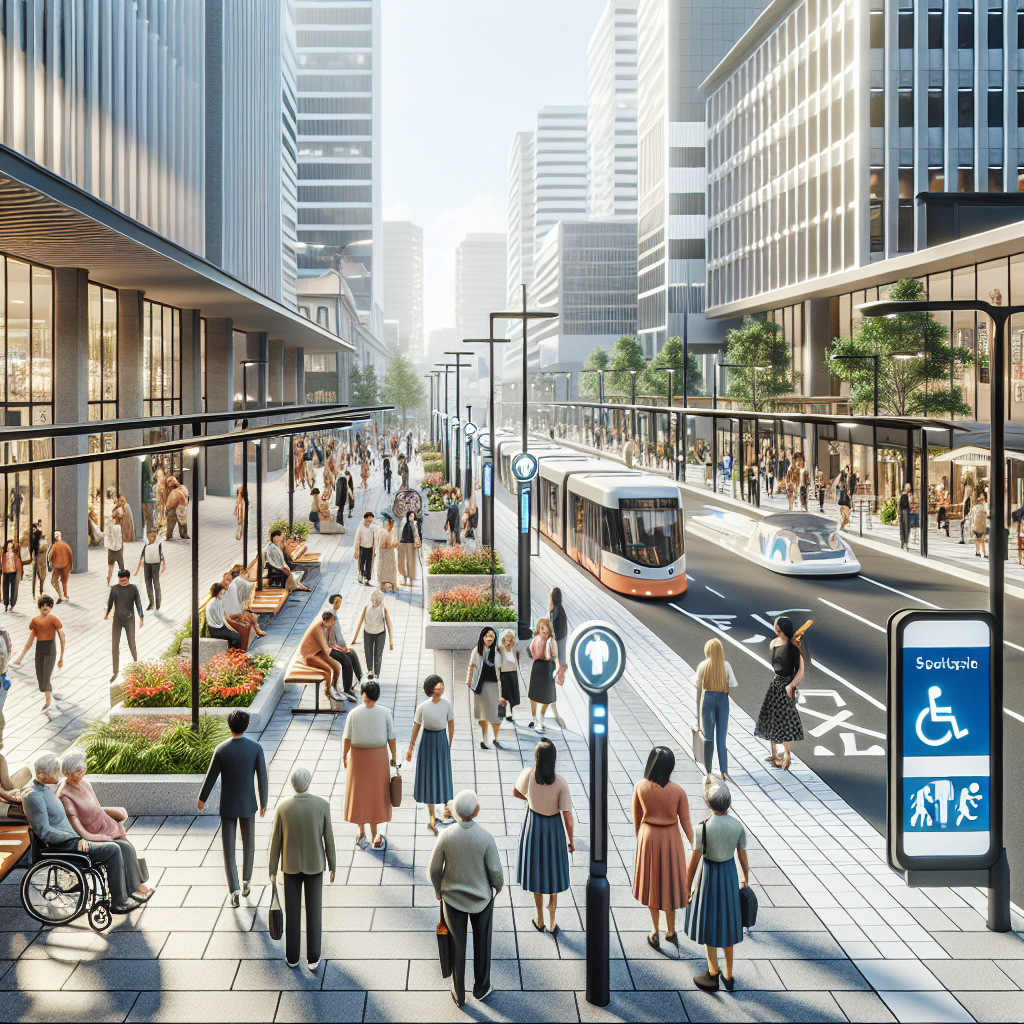
Public spaces, including parks, plazas, and community centers, play a vital role in promoting social interaction, physical activity, and overall well-being for older adults. These spaces should be designed to be inclusive and welcoming for seniors.
Accessibility in public spaces involves providing amenities such as benches, shade structures, and safe walking paths. For instance, parks should feature smooth, well-maintained pathways suitable for wheelchairs and walkers, as well as plenty of seating options for rest and socialization. Additionally, accessible restrooms and water fountains are crucial for ensuring that seniors can comfortably spend time in public spaces.
Beyond physical accessibility, public spaces should foster social inclusion. Community centers can offer programs and activities geared towards older adults, such as fitness classes, arts and crafts workshops, or social clubs. These activities promote social engagement and help combat loneliness and isolation, which are common issues among the elderly.
Intergenerational spaces, where people of different ages can come together, also benefit older adults. Designing playgrounds adjacent to seating areas for grandparents or creating community gardens where people of all ages can participate in gardening activities are examples of how public spaces can be designed to promote intergenerational interaction.
Ensuring Accessible Healthcare Services
Access to healthcare is critical for aging populations, as seniors often require regular medical attention due to chronic conditions or age-related health issues. Urban planning should aim to ensure that healthcare services are easily accessible and tailored to the needs of older adults.
Healthcare facilities such as clinics, hospitals, and pharmacies should be conveniently located within the community. This reduces travel time and makes it easier for seniors to attend appointments and access medications. In addition, accessible transportation options, such as shuttle services to medical facilities, can further facilitate access to healthcare.
Healthcare services should also be designed with the specific needs of seniors in mind. This includes providing adequate seating in waiting areas, clear signage, and ensuring that facilities are physically accessible. Additionally, healthcare providers should be trained in geriatric care to offer the best possible support to aging patients.
Telehealth services have also emerged as a valuable tool for seniors, particularly those with mobility limitations. Planners should work to ensure that older adults have access to the technology and internet connectivity required to utilize telehealth services effectively.
Promoting Social Connectivity and Engagement
Social connectivity is a crucial aspect of well-being for older adults. Loneliness and social isolation can have severe effects on both physical and mental health. Urban planning can play a vital role in fostering social connections and engagement among seniors.
One of the ways to promote social connectivity is through the development of community centers and senior centers. These facilities can serve as hubs for social activities, educational programs, and support services. They provide a space for seniors to meet, interact, and form friendships.
Planners can also encourage the development of volunteer programs and mentorship opportunities, allowing older adults to contribute to their communities and feel a sense of purpose and belonging. For example, seniors can mentor younger individuals, share their skills through community classes, or participate in local governance.
In addition, the design of neighborhoods should promote social interactions. Mixed-use developments, where residential, commercial, and recreational spaces are integrated, encourage people to spend time outside their homes and engage with their neighbors. Creating pedestrian-friendly environments and public spaces that invite gatherings can also enhance social connectivity.
Fostering Digital Inclusion
In today’s digital age, technology plays an essential role in communication, accessing services, and staying informed. However, many older adults may face challenges in using digital devices and platforms, leading to a digital divide. Urban planning should aim to foster digital inclusion for aging populations.
Providing digital literacy programs and training sessions can help seniors become more comfortable with technology. Community centers, libraries, and senior centers can offer classes on using smartphones, computers, and the internet, enabling older adults to connect with family, friends, and online services.
Ensuring that public spaces and facilities offer free Wi-Fi can also support digital inclusion. This allows seniors to stay connected while visiting parks, community centers, or other public areas.
In addition, urban planners should collaborate with technology providers to develop user-friendly and accessible digital solutions for seniors. This includes designing websites and applications with clear navigation, large fonts, and voice-activated options to accommodate those with visual or motor impairments.
Conclusion
Urban planning for aging populations is a multifaceted endeavor that requires a comprehensive and inclusive approach. By prioritizing accessibility, mobility, age-friendly housing, inclusive public spaces, accessible healthcare services, social connectivity, and digital inclusion, urban planners can create environments that enhance the quality of life for older adults.
Designing cities and communities that cater to the needs of seniors not only benefits the aging population but also contributes to a more inclusive and sustainable urban environment for all residents. As the global population continues to age, it is essential for policymakers, planners, and communities to work together to develop age-friendly solutions that promote independence, well-being, and social inclusion for older adults.
By embracing these principles and incorporating them into urban planning and policy, we can ensure that our cities and towns are prepared to meet the challenges and opportunities of an aging population, ultimately fostering vibrant and inclusive communities for everyone.
Frequently Asked Questions
1. What is urban planning for aging populations, and why is it necessary?
Urban planning for aging populations involves designing and structuring urban environments to meet the needs of the elderly. This is increasingly necessary due to the demographic shifts resulting from longer life expectancies and the growing number of people over the age of 65. As cities expand and evolve, they need to accommodate this demographic by providing accessible transportation, housing, healthcare facilities, and public spaces that are safe and user-friendly for older adults. Without thoughtful planning, seniors may face mobility barriers, social isolation, and decreased quality of life, making urban planning a crucial aspect of creating inclusive, age-friendly communities.
2. How can urban environments be made more accessible for the elderly?
Urban environments can be made more accessible through several strategies. The key is to ensure that infrastructure is designed with seniors in mind, focusing on mobility, safety, and ease of navigation. This includes installing ramps and elevators, ensuring public transport is senior-friendly with low-floor buses and well-marked stops, and creating well-maintained, wide sidewalks with benches for resting. Additionally, clear signage, adequate lighting, and tactile paving can help those with visual impairments. When urban planners consider these factors, they contribute to an environment where seniors can live independently and actively participate in community life.
3. What role does public transportation play in urban planning for aging populations?
Public transportation is a vital component of urban planning for aging populations. It ensures that seniors who may not drive anymore can still have access to healthcare, shopping, recreation, and social activities. Reliable, frequent, and affordable access to transportation helps prevent social isolation and supports older adults in maintaining their independence. For transportation systems to be truly senior-friendly, they should offer features such as priority seating, clear announcements, and easy-to-use ticketing systems. Moreover, transportation options should cater to the varying needs of seniors, including buses, subways, and demand-responsive services like shuttles and subsidized taxi services.
4. What are some examples of features in public spaces that accommodate aging populations?
Public spaces that accommodate aging populations incorporate features that promote safety, accessibility, and social interaction. Parks and recreational areas, for instance, should offer flat walking paths, exercise equipment suitable for all fitness levels, and community gardens for leisure activities. Rest areas with seating and shade are crucial for older adults to stop and relax during walks. Public buildings, such as libraries and community centers, need to provide wheelchair-accessible entrances, restrooms equipped with handrails, and elevators for easy floor access. Additionally, inclusive design elements like textured surfaces and contrasting colors are beneficial for those with visual impairments. These thoughtful modifications help create environments where seniors feel welcomed and empowered to engage with their surroundings.
5. How can technology be integrated into urban planning to benefit aging populations?
Technology plays a transformative role in urban planning for aging populations, offering innovative solutions to improve accessibility and convenience. Smart city technology, like sensors and mobile apps, can enhance the urban experience for seniors by providing real-time information on public transport schedules or alerts for traffic conditions. Wearables and home automation systems support independent living by monitoring health and safety at home. Cities can also implement digital platforms that facilitate community engagement and provide easily accessible ways for seniors to participate in local projects or events. Embracing these technological advances fosters a connected, supportive environment, ensuring that aging populations are not left behind in the rapid urban development.


