

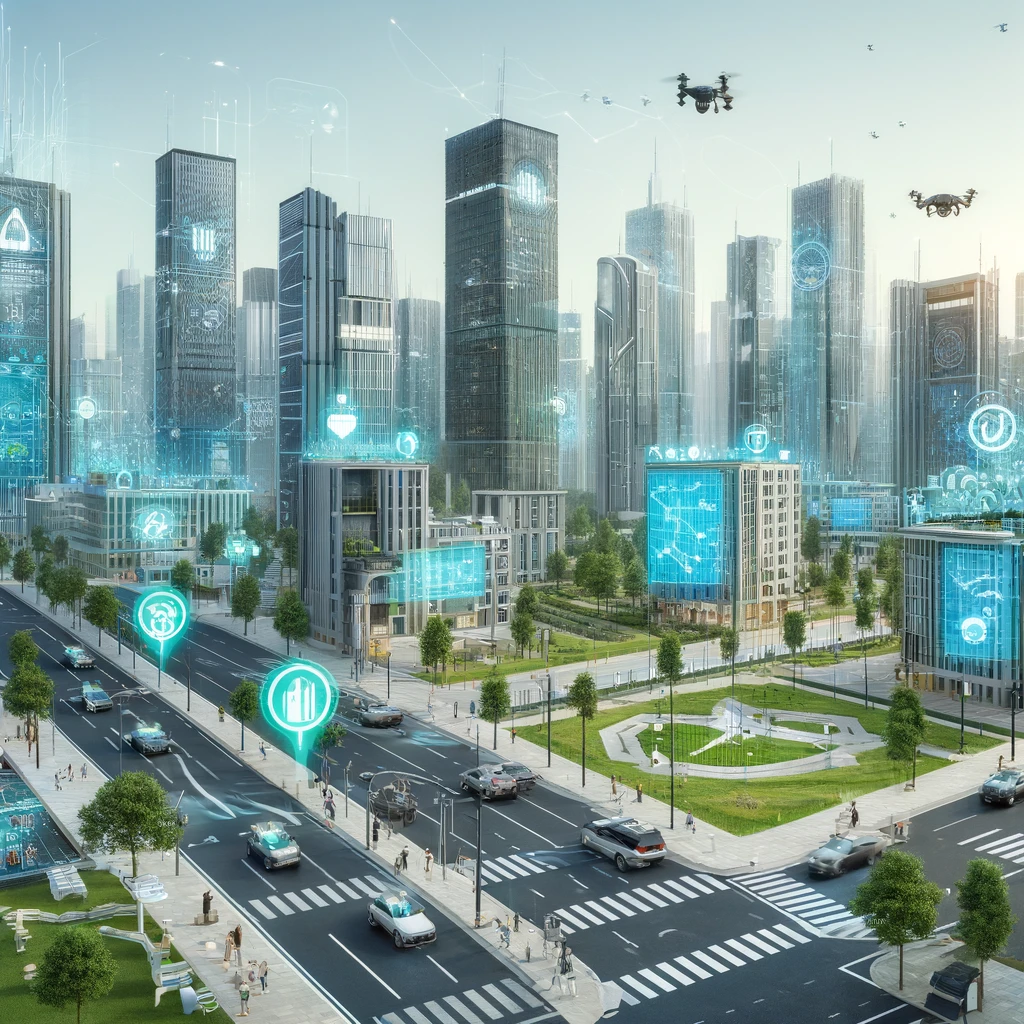
In recent years, technology has fundamentally transformed various aspects of human life, and urban planning is no exception. As urbanization accelerates globally, cities are under immense pressure to innovate and adapt to the evolving needs of their growing populations. Technology has become an indispensable tool for urban planners, enabling them to design smarter, more sustainable, and inclusive cities. From Geographic Information Systems (GIS) that provide detailed spatial data, to predictive analytics for anticipating urban growth, the integration of technology in urban planning is reshaping our urban landscapes.
Understanding the impact of these technological advancements requires a comprehensive look at how they influence the key elements of urban planning. This includes land use, transportation, housing, and environmental management. It is crucial to grasp how technology can address the challenges that modern cities face, from congestion and pollution to housing shortages and inadequate infrastructure. Moreover, the rise of smart cities powered by the Internet of Things (IoT) and artificial intelligence (AI) presents both opportunities and challenges, making it vital to explore the implications for urban planning policies and practices.
Technological Innovations in Land Use Planning
Land use planning has undergone significant changes thanks to technological advancements. One of the most influential tools in this area is the Geographic Information System (GIS). GIS enables urban planners to collect, analyze, and visualize spatial data effectively. This technology allows for meticulous analysis of land use patterns, identification of potential sites for development, and assessment of environmental impact. By combining layers of data, such as demographics, topography, and infrastructure, GIS helps planners make informed decisions that balance growth with sustainability.
Furthermore, 3D modeling and simulation software have revolutionized the way cityscapes are visualized and planned. These tools provide a realistic representation of potential developments, helping stakeholders to understand the spatial dynamics and aesthetics of proposed projects. They also facilitate better communication with the public, enabling residents to participate actively in the planning process. As a result, technology not only enhances the precision of land use planning but also promotes greater transparency and inclusivity.
Advancements in Transportation Planning
The advent of new technologies has also made a remarkable impact on transportation planning. Intelligent Transportation Systems (ITS) utilize data analytics, AI, and IoT to improve traffic management and public transportation services. For instance, real-time traffic monitoring and adaptive signal control systems can reduce congestion and enhance the flow of vehicles. These systems use sensors and cameras to collect data on traffic conditions, which is then analyzed to optimize traffic signals and minimize delays.
Moreover, the integration of technology in public transportation has led to the development of smart transit systems. Features such as real-time tracking, mobile ticketing, and predictive maintenance improve the efficiency and user experience of public transport. Autonomous vehicles and ride-sharing platforms are other technological advancements that have the potential to reshape urban mobility. By reducing the reliance on private cars, these innovations can alleviate traffic congestion and lower carbon emissions.
Housing and Smart Infrastructure
Technology has a profound impact on housing and infrastructure development, ensuring that new constructions are both smart and sustainable. Building Information Modeling (BIM) is one such technology that improves the design, construction, and maintenance of buildings. BIM creates digital representations of physical and functional properties, allowing planners and architects to collaborate seamlessly and detect potential issues before construction begins. This reduces costs and enhances the quality of housing projects.
In addition, the concept of smart homes and IoT-enabled buildings is gaining traction. These technologies improve energy efficiency, enhance security, and provide convenience for residents. For instance, smart thermostats, lighting systems, and home security devices can be controlled remotely via smartphones, making homes more comfortable and efficient. Moreover, the adoption of green building technologies, such as solar panels and rainwater harvesting systems, contributes to the sustainability of urban housing.
Environmental Management and Sustainability
Environmental management is another critical area where technology has made significant strides. Urban planners now have access to advanced tools for monitoring and mitigating environmental impacts. Remote sensing technology, for example, allows for the collection of data on land cover, vegetation, and water bodies. This information is crucial for assessing the ecological health of urban areas and planning for green spaces and conservation efforts.
Additionally, technologies such as air quality monitoring systems and noise mapping tools help in managing pollution levels in cities. These systems provide real-time data that can be used to implement effective pollution control measures. Furthermore, the adoption of renewable energy sources, smart grids, and waste management technologies enhances the sustainability of urban environments, reducing the ecological footprint of growing cities.
Challenges and Policy Implications
While technology offers numerous benefits for urban planning, it also presents several challenges that need to be addressed. One of the primary concerns is the digital divide, which underscores the disparity between those who have access to technology and those who do not. Ensuring equitable access to technological tools and infrastructure is essential for inclusive urban planning.
Moreover, data privacy and security are critical issues that arise with the increasing use of digital technologies. Urban planners must develop policies and frameworks that protect sensitive data and prevent misuse. Transparency in data collection and usage is vital to maintain public trust and support for technological initiatives. Additionally, the rapid pace of technological advancements necessitates continuous learning and adaptation for urban planners, calling for ongoing training and capacity-building efforts.
Conclusion
In conclusion, technology has a transformative impact on urban planning, driving innovation and efficiency in various aspects of city development. From land use and transportation to housing and environmental management, technological advancements provide powerful tools for building smarter and more sustainable cities. However, it is crucial to navigate the challenges associated with technology, such as the digital divide and data privacy concerns, to ensure that the benefits are equitably distributed and ethical considerations are upheld.
As cities continue to grow and evolve, the integration of technology in urban planning will become increasingly important. Policymakers, urban planners, and stakeholders must work collaboratively to harness the potential of technology while addressing its challenges. By doing so, we can create urban environments that are not only innovative and efficient but also inclusive and sustainable, ultimately enhancing the quality of life for all residents.
“`htmlFrequently Asked Questions
1. How is technology influencing modern urban planning?
Technology is playing a transformative role in modern urban planning by integrating advanced tools and systems that improve efficiency, sustainability, and inclusivity in city development. One of the primary technologies used is Geographic Information Systems (GIS), which allows urban planners to analyze and visualize spatial data. This enables a deeper understanding of urban environments and supports better decision-making. Additionally, advancements like sensor networks and the Internet of Things (IoT) are facilitating real-time data collection to monitor things like traffic flow, pollution levels, and energy usage. This real-time information helps cities optimize resource allocation and enhance services for their populations. The integration of 3D modeling and simulation tools also allows planners to visualize potential urban developments and assess their impacts before implementation. All these technologies combined are paving the way for more responsive and adaptive cities that better meet the needs of their residents.
2. What role do Geographic Information Systems (GIS) play in urban planning?
Geographic Information Systems (GIS) are pivotal in urban planning as they provide a platform to capture, store, analyze, and display geographical and spatial data. GIS technology helps urban planners in multiple ways: it enables detailed mapping and analysis of land use, infrastructure, and environmental conditions. Planners can use GIS to conduct spatial analysis, creating models that predict future urban growth trends and potential bottlenecks in city infrastructure. This allows cities to prepare adequately, developing strategically placed infrastructure and services. Moreover, GIS aids in improving public transport systems by optimizing routes and schedules, directly impacting the efficiency of community mobility. The ability to overlay various data sets in GIS means planners can make more informed decisions to create sustainable urban environments that are well-equipped to handle future challenges like climate change and population growth.
3. How do technologies like IoT and sensor networks enhance urban living?
The Internet of Things (IoT) and sensor networks are redefining urban living by creating smart city ecosystems that are highly interconnected and efficient. Sensors collect vast amounts of data in real time, which is then used to manage city operations like traffic, waste management, and public safety. For instance, IoT-enabled traffic systems can adjust traffic lights dynamically to ease congestion, reducing travel time and emissions. Smart waste management systems use sensors to monitor when trash bins need emptying, optimizing collection routes and reducing operational costs. Additionally, these technologies can monitor environmental conditions such as air quality and noise levels, enabling cities to respond promptly to issues and maintain healthy living conditions. In essence, IoT and sensor networks provide cities with actionable insights that lead to improved urban management, making day-to-day life more convenient, safe, and sustainable for residents.
4. How is technology helping create more sustainable urban environments?
Technology is crucial for fostering sustainability in urban environments by enabling innovative solutions for managing resources and minimizing environmental impact. Renewable energy systems, like solar panels and wind turbines, are being integrated into urban areas to reduce reliance on fossil fuels. Advancements in building technology have led to the development of energy-efficient structures that minimize carbon footprints, such as smart buildings that automatically control lighting, heating, and cooling systems based on occupancy and usage patterns. Water management systems also benefit from technology; smart metering and leak detection systems help conserve water, ensuring this precious resource is used effectively. Furthermore, technology aids in the planning and implementation of sustainable transport systems. With electric vehicles (EVs) and charging infrastructure becoming more widespread, cities can reduce greenhouse gas emissions significantly. Technology fosters a holistic approach to urban planning where environmental impact is continuously assessed and mitigated, ensuring urban development aligns with sustainability goals.
5. How can technology facilitate more inclusive urban planning?
Technology fosters inclusivity in urban planning by allowing for enhanced public engagement and data-driven decision-making processes that consider diverse community needs. Digital platforms and tools enable broader participation in planning decisions through online surveys, virtual town halls, and interactive mapping interfaces where citizens can provide feedback. These avenues ensure a wider range of voices is heard, from different socio-economic backgrounds, ensuring that urban developments serve all demographics. Technologies like artificial intelligence can analyze extensive demographic data to identify underserved communities, guiding targeted interventions that improve access to essential services like healthcare, education, and public transport. Moreover, augmented reality (AR) and virtual reality (VR) technologies provide immersive experiences that help different stakeholders visualize potential changes in their communities, fostering informed discussions and consensus-building. This participatory approach facilitated by technology not only empowers citizens but also results in urban environments that are more equitable and tailored to the diverse needs of urban populations.
“`


