
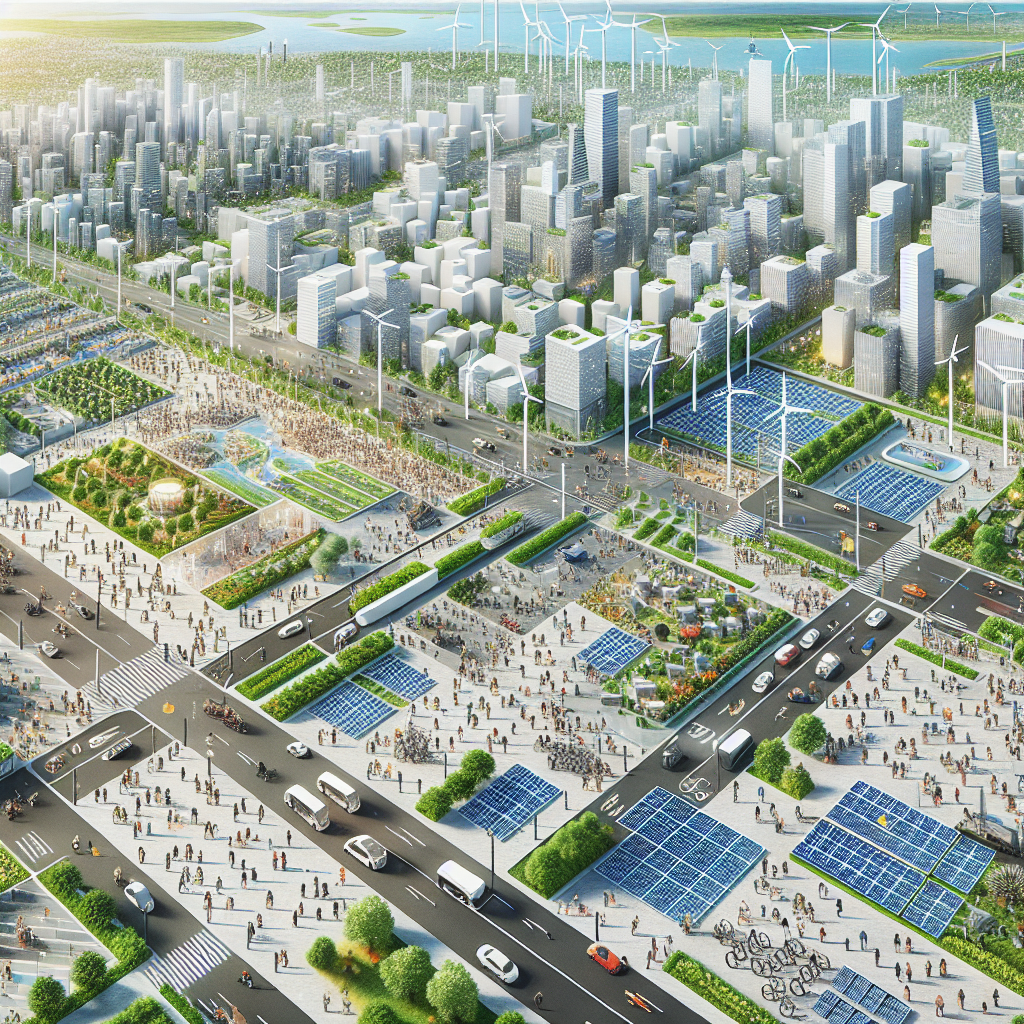
Urban planning has been a cornerstone of societal development for centuries, guiding the growth and organization of cities in a way that supports modern living. However, the rapid advancement of technology in recent decades has revolutionized the way we approach urban development. The concept of smart cities, where infrastructure and services are enhanced through digital solutions, is no longer a futuristic vision but a present-day reality. Integrating technology into urban planning is crucial to tackle the challenges of urbanization, such as congestion, pollution, and resource management, while also improving quality of life for residents.
This article delves into the various aspects of urban planning for smart cities, examining the integration of technology in urban policy, the impact on sustainability, the role of data analytics, and the ways in which these advancements contribute to creating more efficient, livable, and sustainable urban environments. By understanding these key components, urban planners, policymakers, and city dwellers can better appreciate the transformative potential of smart city initiatives.
Technology-Driven Urban Policies:
In the era of smart cities, technology-driven urban policies are essential to cope with the complexities of modern urban environments. Cities worldwide are adopting policies that leverage digital innovations to improve infrastructure, services, and overall governance. One prominent example is the implementation of smart grids, which utilize information and communication technologies (ICT) to manage electricity consumption effectively, reduce energy wastage, and lower costs. This technology enables greater transparency and control over energy use, contributing to a more sustainable and resilient urban area.
Transportation is another critical area where technology can significantly enhance urban planning. Intelligent Transportation Systems (ITS) use sensors, cameras, and communication technologies to monitor and manage traffic flow, reduce congestion, and improve safety. For instance, adaptive traffic signal systems can adjust signal timings based on real-time traffic conditions, thereby enhancing traffic flow and reducing delays. Additionally, the introduction of electric and autonomous vehicles offers new possibilities for reducing emissions and increasing mobility options within cities.
Moreover, smart city policies often include initiatives aimed at improving public safety and emergency response. Advanced surveillance systems, combined with data analytics, enable more efficient monitoring of urban areas and quicker responses to incidents. Integrating such technologies into urban planning policies ensures the long-term security and well-being of city inhabitants.
Sustainability and Smart Urban Planning:
One of the most pressing challenges urban planners face today is creating sustainable cities. Integrating technology into urban planning provides numerous opportunities to develop eco-friendly and resource-efficient urban spaces. Smart waste management systems, for example, use IoT (Internet of Things) devices to monitor waste levels in real time, optimizing collection routes and reducing the environmental impact of waste collection services. Such systems not only help to keep cities clean but also contribute to more efficient resource utilization.
Green building technologies and energy-efficient construction practices are central to sustainable urban planning. Smart buildings are designed with advanced materials and systems that reduce energy consumption and minimize the environmental footprint. Features such as automated lighting, heating, and cooling systems, as well as renewable energy sources like solar panels, are commonly integrated into these buildings. Furthermore, urban planners are increasingly focusing on creating green spaces and promoting urban agriculture, which improve air quality, provide recreational areas, and enhance the overall well-being of residents.
Water management is another critical aspect of sustainability in urban planning. Smart water management systems use sensors and data analytics to monitor water quality, detect leaks, and ensure efficient water usage. These technologies help to preserve water resources and deliver clean and safe water to city residents, which is particularly important in regions prone to water scarcity.
Data Analytics in Urban Planning:
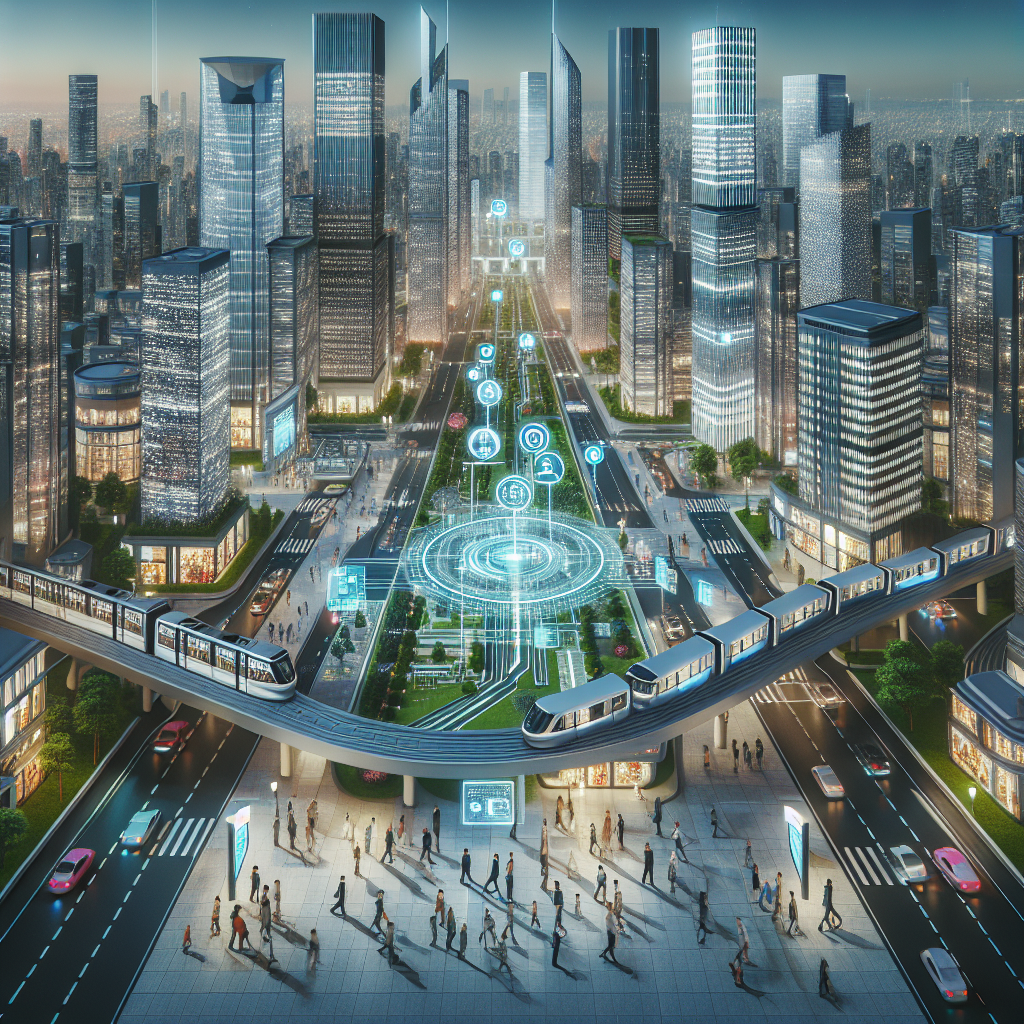
The role of data analytics in urban planning cannot be overstated. As cities become more connected and data-driven, the ability to analyze vast amounts of information quickly and accurately becomes crucial. Data analytics helps urban planners make informed decisions based on real-time data, improving the efficiency and effectiveness of urban services. For example, predictive analytics can forecast traffic patterns, allowing city authorities to implement measures to alleviate congestion before it becomes problematic.
Moreover, data analytics offers valuable insights into residents’ behavior and needs, enabling more responsive and citizen-centric urban planning. By analyzing data from various sources, such as social media, sensors, and public feedback, planners can identify trends, preferences, and areas requiring improvement. This information helps to prioritize development projects and allocate resources more effectively, ensuring that urban policies align with the community’s needs.
Implementing data analytics also enhances transparency and accountability in urban governance. Open data platforms provide citizens with access to information about city operations, fostering trust and encouraging public participation in the decision-making process. As a result, urban policies can be more inclusive and democratic, reflecting the aspirations and concerns of the broader population.
Smart Infrastructure Development:
Infrastructure development is a key component of urban planning, and with the advent of smart cities, this aspect has undergone significant transformations. Smart infrastructure incorporates advanced technologies to deliver services more efficiently and sustainably. One such area is smart lighting systems, which use sensors and IoT technology to adjust lighting based on the presence of people or vehicles, thereby conserving energy and reducing operational costs.
Another critical area of smart infrastructure development is smart grids for energy distribution. These grids enable the integration of renewable energy sources, such as wind and solar power, into the urban energy supply, reducing reliance on fossil fuels and decreasing greenhouse gas emissions. Moreover, smart grids enhance the reliability and resilience of the urban energy system by providing real-time monitoring and swift responses to any disruptions. In the realm of transportation, smart infrastructure includes the development of electric vehicle charging stations, bike-sharing systems, and smart public transit solutions. These advancements promote sustainable mobility options and reduce the carbon footprint associated with urban transportation.
Furthermore, smart infrastructure extends to the realm of communication. High-speed internet connectivity and 5G networks are foundational to smart city initiatives, enabling seamless communication between devices and facilitating the efficient functioning of digital services. Such connectivity also supports the deployment of intelligent and connected infrastructure, including smart public services, buildings, and utilities, all of which contribute to a smarter urban environment.
Citizen Engagement and Participation:
Citizen engagement and participation are integral to the success of smart city initiatives. Empowering residents to take an active role in urban planning decisions ensures that development projects reflect the needs and aspirations of the community. Technology plays a pivotal role in facilitating this engagement, providing platforms for citizens to voice their opinions, share feedback, and participate in the decision-making process. Online platforms and mobile applications dedicated to urban planning allow citizens to submit suggestions, report issues, and access information about ongoing projects. Crowdsourcing initiatives collect valuable input from the community, enhancing the quality of urban planning decisions and ensuring that they resonate with the preferences and requirements of residents. Moreover, the use of augmented reality (AR) and virtual reality (VR) technologies offers immersive experiences that help citizens visualize planned developments and provide feedback. These technologies make urban planning more accessible and engaging, fostering a sense of ownership and responsibility among residents. Citizen participation also extends to public consultations and town hall meetings, where planners present ideas and gather input from the community. Integrating digital tools into these processes ensures that a wider range of voices are heard, including those who may be unable to attend in-person meetings. By promoting inclusivity and transparency through technology, urban planners can build trust and foster support for smart city initiatives.
Future Prospects and Challenges:
The integration of technology into urban planning for smart cities heralds a future of unprecedented possibilities. As technology continues to advance, urban planners will have access to even more sophisticated tools and solutions to address the complexities of urbanization. The concept of a “digital twin,” where a virtual replica of the city is used to simulate and analyze urban processes, holds great promise for revolutionizing urban planning and management. However, the path to creating smart cities is not without challenges. One of the primary concerns is the digital divide, which refers to the gap between those with access to digital technologies and those without. Ensuring equitable access to technology and digital services is essential to prevent exacerbating existing social inequalities. Urban planners and policymakers must prioritize inclusive strategies that bridge this divide and ensure that all citizens can benefit from smart city developments. Data privacy and security are also paramount considerations. The vast amounts of data collected and analyzed in smart cities raise concerns about the potential for data breaches and misuse. Implementing robust data protection measures and transparent data governance frameworks is crucial to safeguarding citizens’ privacy and maintaining public trust. Furthermore, the successful integration of technology into urban planning requires collaboration across various sectors, including government, private enterprises, and academic institutions. Building partnerships and fostering a culture of innovation and experimentation will be instrumental in overcoming challenges and realizing the full potential of smart cities. Conclusion:
Urban planning for smart cities, underpinned by the integration of technology, represents a paradigm shift in how cities are designed, managed, and experienced. From technology-driven policies and sustainable practices to data analytics and smart infrastructure, the components of smart cities are transforming urban environments into more efficient, livable, and sustainable spaces. By harnessing the power of digital innovations, urban planners can address the multifaceted challenges of urbanization and create cities that are resilient, adaptive, and responsive to the needs of their inhabitants. However, achieving this vision requires careful consideration of inclusion, data privacy, and collaborative efforts. As we look toward the future, the continued evolution of smart city technologies promises to unlock new possibilities and shape urban planning in ways we have yet to fully comprehend. Embracing these advancements with a forward-thinking approach and a commitment to equity and sustainability will pave the way for smarter, more connected, and thriving urban communities.
Frequently Asked Questions
1. What is the role of technology in urban planning for smart cities?
Technology serves as a backbone in the realm of urban planning for smart cities. It helps streamline the way we approach urban development, allowing cities to function more efficiently and sustainably. From data analytics that guide decision-making to advanced communication networks that improve connectivity, technology integrates various elements of urban life. It enables real-time monitoring and management of resources such as electricity, water, and transportation systems, ensuring they are used efficiently. Additionally, technology facilitates the development of smart infrastructures, such as intelligent street lighting and connected public services, which enhance the quality of life for residents. Essentially, it creates a framework where cities can evolve dynamically and respond to the diverse needs of citizens, making urban spaces more livable, safer, and environmentally friendly.
2. How do smart city technologies enhance public safety?
In a smart city, public safety is significantly enhanced through a host of technological innovations. For instance, the deployment of IoT (Internet of Things) devices like connected surveillance cameras allows for continuous monitoring of public spaces, enabling quicker response times in emergencies. Advanced data analytics can predict crime hotspots, thereby allowing law enforcement agencies to allocate their resources more efficiently. Also, smart technologies provide emergency alert systems that notify citizens about natural disasters or other crises timely, improving preparedness and response. Moreover, smart sensors can detect environmental hazards, such as gas leaks or pollution levels, significantly reducing risks to public health. Overall, smart city technologies create a more secure environment through real-time data, predictive analytics, and enhanced communication channels.
3. How do smart cities impact the quality of life for their residents?
Smart cities have a profound impact on the quality of life for residents by creating environments that are more convenient, efficient, and sustainable. Residents enjoy improved public services thanks to advanced technologies that streamline everything from public transportation to waste management. For example, smart public transport systems use real-time data to manage route efficiency and reduce congestion, making commutes faster and more predictable. Similarly, intelligent waste management systems optimize trash collection routes to decrease emissions and operational costs. Additionally, smart energy grids and sustainable building designs contribute to reduced utility costs and a smaller carbon footprint. Furthermore, smart cities often boast improved access to information and services through digital platforms, encouraging public engagement and participation in community activities. By integrating technology into urban planning, these cities offer enhanced living standards that cater to the diverse needs of their populations.
4. What challenges do urban planners face when integrating technology into smart cities?
Urban planners encounter several challenges when integrating technology into the smart city framework. A primary concern is data privacy and security, as the collection and use of vast amounts of sensitive data can lead to breaches if not managed properly. Moreover, there are financial hurdles, as smart city projects require significant investment in infrastructure and technology that may not be readily available. There is also the challenge of ensuring inclusivity, so technological advancements benefit all city residents and not just those with access to digital resources. Additionally, urban planners must navigate the complexity of integrating new technologies with existing systems without disruptions. Finally, there is the need for robust policies and regulatory frameworks that guide the implementation of smart solutions, ensuring they align with long-term urban development goals. Addressing these challenges is critical to the successful adoption of smart city concepts.
5. What role do public-private partnerships play in the development of smart cities?
Public-private partnerships (PPPs) play a crucial role in the development of smart cities by leveraging the strengths and resources of both sectors. Governments often lack the financial resources and technical expertise required to implement large-scale smart city projects, and this is where private companies come into play. These partnerships can provide the necessary technological infrastructure, innovation, and investment needed for developing smart urban solutions. Private companies contribute by supplying advanced technologies such as IoT devices, cloud platforms, and data analytics software, while the public sector provides the regulatory framework and ensures that developments align with community needs and interests. Furthermore, PPPs can accelerate the deployment of smart technology, ensuring that projects move forward smoothly and efficiently. By combining resources, expertise, and a shared vision for urban improvement, PPPs drive the evolution of smart cities and contribute to building more sustainable and resilient urban environments.


