
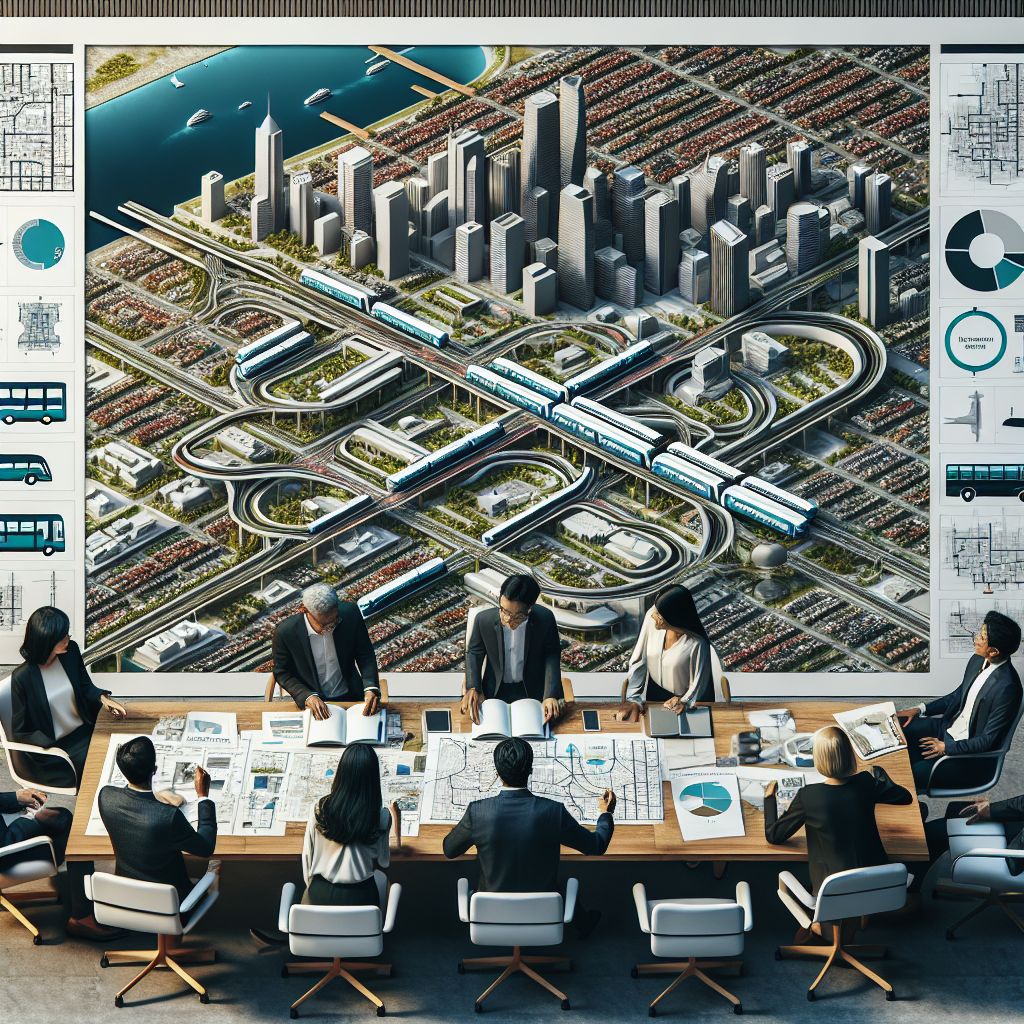
Urban planning plays a pivotal role in the development of sustainable cities. At its core, one of its fundamental components is public transportation. Effective integration of public transportation within urban frameworks can significantly enhance livability, reduce environmental impacts, and promote economic growth. For urban planners and policymakers, understanding the nuances of public transportation and its implementation is crucial. In this article, we delve into the intersection of urban planning and public transportation, shedding light on essential policies and practices.
Introduction
Urban planning is an intricate process that involves collaborating with various stakeholders to design and manage the development of urban areas. A critical aspect of this is public transportation, which serves as the backbone of urban mobility. The importance of public transportation cannot be overstated; it facilitates efficient movement, supports economic activities, and contributes to social equity by providing accessible and affordable transit options for all residents.
Public transportation encompasses various modes, including buses, subways, trams, and bike-sharing systems. For urban planners, integrating these modes efficiently within the urban space is paramount. The goal is not just to provide transportation options but to ensure that these options are accessible, reliable, and meet the needs of the community.
However, achieving this can be challenging. Urban areas often face issues such as congestion, air pollution, and spatial constraints. To address these challenges, effective policies and practices must be put in place. Policymakers and urban planners need to work hand in hand to develop comprehensive transportation plans that are sustainable, inclusive, and future-proof.
Strategic Planning for Public Transportation
Strategic planning forms the foundation of effective public transportation systems. This involves long-term thinking and a holistic approach to address present and future transportation needs. A strategic transportation plan typically includes assessing current infrastructure, forecasting future demand, and identifying areas for improvement.
One of the primary steps in strategic planning is conducting thorough data analysis. This involves collecting data on traffic patterns, population growth, and commuter behavior. By analyzing this data, planners can identify trends and make informed decisions regarding transportation needs.
In addition to data analysis, stakeholder engagement is crucial. This includes involving community members, businesses, and local governments in the planning process. Stakeholder engagement ensures that the transportation plan reflects the needs and preferences of the community it serves.
Another critical aspect of strategic planning is incorporating sustainability. This involves designing transportation systems that minimize environmental impacts. For instance, promoting the use of electric buses and incorporating bike lanes can reduce carbon emissions and foster a greener urban environment.
Policy Development and Implementation
Effective public transportation hinges on robust policy development and implementation. Urban planners and policymakers must collaborate to create policies that promote sustainable and efficient transportation systems. These policies should address various aspects, including funding, infrastructure development, and regulatory frameworks.
Funding is a significant challenge in developing public transportation systems. Securing adequate funding requires a multi-faceted approach, involving federal, state, and local governments. Public-private partnerships can also play a crucial role in financing transportation projects. These partnerships involve collaboration between government agencies and private-sector companies to pool resources and expertise.
Infrastructure development is another critical component. This includes constructing new transit facilities, upgrading existing infrastructure, and ensuring connectivity between different transportation modes. High-quality infrastructure is essential for providing reliable and efficient transportation services.
Regulatory frameworks are equally important. These frameworks set the standards for safety, accessibility, and operational efficiency. Policymakers must develop regulations that ensure the safe and smooth functioning of transportation systems while promoting innovation and adaptability.
Case Studies of Successful Urban Transportation Systems
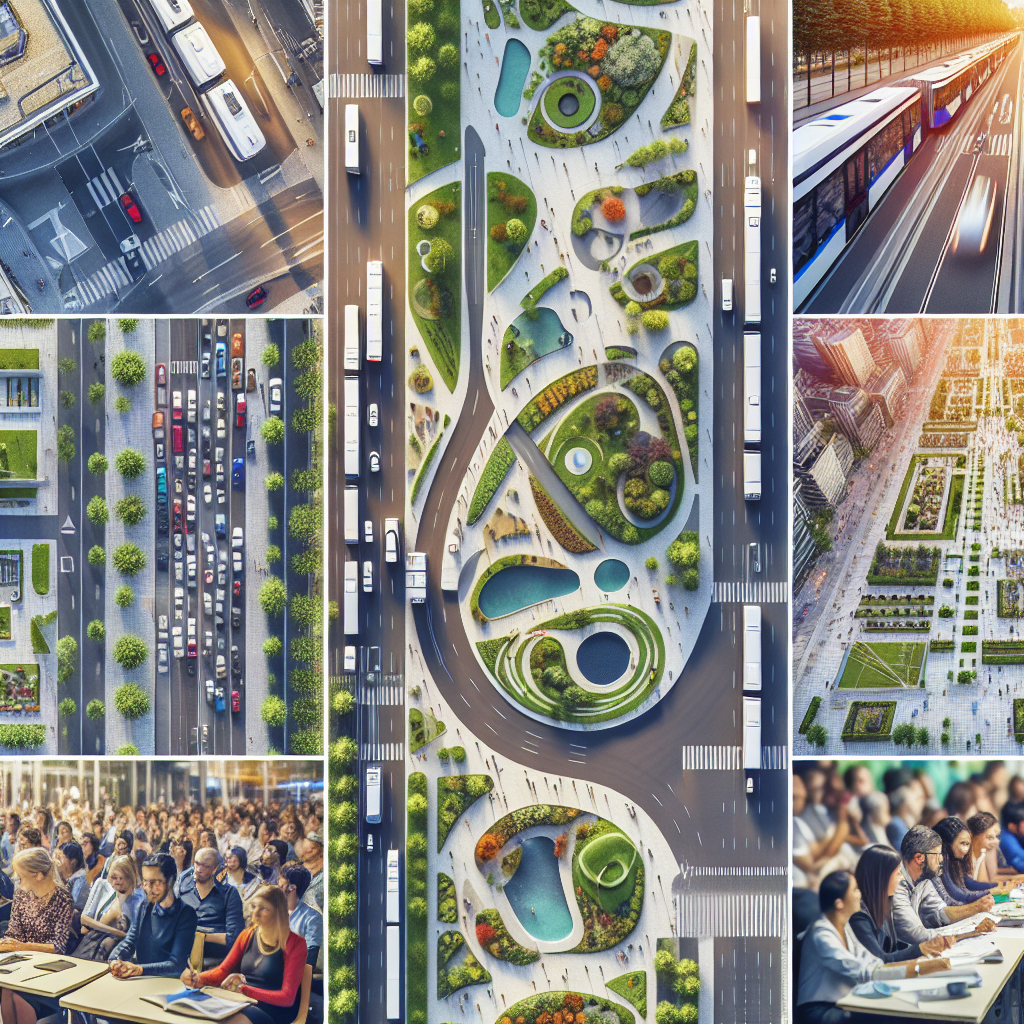
Examining successful urban transportation systems can provide valuable insights and lessons for other cities. Case studies of cities such as New York, Tokyo, and Copenhagen highlight best practices and innovative approaches to urban transportation.
In New York City, the Metropolitan Transportation Authority (MTA) manages a comprehensive network of subways, buses, and commuter trains. The city has invested heavily in modernizing its infrastructure and implementing technology-driven solutions such as real-time tracking and contactless payments. These efforts have significantly improved the efficiency and user experience of public transportation.
Tokyo’s public transportation system is renowned for its punctuality and reliability. The city has developed an extensive network of trains and buses, integrated seamlessly with other modes of transportation. Tokyo’s focus on convenience and accessibility, such as multi-lingual signage and barrier-free access, has made it a model for other metropolitan areas.
Copenhagen’s commitment to sustainable transportation is exemplified by its extensive cycling infrastructure. The city has invested in developing bike lanes, bike-sharing programs, and encouraging residents to adopt cycling as a primary mode of transportation. This has resulted in reduced traffic congestion, lower carbon emissions, and a healthier population.
The Role of Technology in Urban Transportation
Technology plays a transformative role in shaping modern urban transportation systems. Advancements in technology have revolutionized how people navigate cities, offering innovative solutions for improving efficiency and accessibility.
One notable technology is the use of data analytics and artificial intelligence (AI) in transportation planning. Data analytics helps cities understand commuter patterns, predict demand, and optimize transit routes. AI-powered systems can provide real-time updates, enhance passenger safety, and streamline operations.
Another significant development is the rise of smart transportation systems. These systems leverage Internet of Things (IoT) devices, such as sensors and connected vehicles, to create an integrated and responsive transportation network. Smart systems can manage traffic flow, monitor infrastructure, and provide adaptive signal control, reducing congestion and enhancing mobility.
Mobile apps and digital platforms have also transformed the commuter experience. Applications providing real-time information on transit schedules, route planning, and ticketing have made public transportation more user-friendly and convenient. These platforms empower commuters with the information they need to make informed decisions and plan their journeys efficiently.
Challenges and Future Directions
Despite significant advancements, urban transportation systems face ongoing challenges that require innovative solutions. Addressing issues such as funding constraints, infrastructure maintenance, and climate change is essential for creating resilient and sustainable transportation networks.
Funding remains a perennial challenge for public transportation projects. Securing consistent and adequate funding from government budgets, public-private partnerships, and alternative financing mechanisms is critical. Transparent allocation and efficient utilization of funds are essential to ensure sustainable development and maintenance of transportation infrastructure.
Infrastructure maintenance and upgrades present another challenge. Aging infrastructure requires continuous investment in repairs and modernization. Planning for routine maintenance while minimizing disruptions to services demands a proactive approach. Leveraging technology for predictive maintenance and adopting resilience measures can extend the lifespan of infrastructure and improve reliability.
Climate change poses significant risks to urban transportation systems. Rising temperatures, extreme weather events, and sea-level rise can disrupt transit services and damage infrastructure. Adapting transportation systems to climate-resilient designs, including flood-resistant transit stations, elevated tracks, and sustainable construction materials, is crucial for long-term viability.
Conclusion
Urban transportation and planning are intricately connected. Effective public transportation systems can transform cities, making them more livable, sustainable, and economically vibrant. Achieving this requires a comprehensive approach that includes strategic planning, policy development, and leveraging technology.
Collaboration among policymakers, urban planners, and the community is essential for developing transportation systems that cater to the diverse needs of urban residents. By drawing on best practices, embracing technological innovations, and addressing challenges proactively, cities can build transportation networks that stand the test of time.
The future of urban transportation is dynamic and ever-evolving. As cities continue to grow and adapt, the role of urban planning and transportation policies will remain crucial. By prioritizing sustainable development, accessibility, and technological integration, we can shape a future where urban transportation enhances the quality of life for all residents.
Frequently Asked Questions
1. What is the role of urban planning in public transportation?
Urban planning is essentially the blueprint for how cities and communities develop and are organized. When it comes to public transportation, urban planning is crucial because it ensures that transportation systems are efficiently and effectively integrated into urban landscapes. This includes the design and layout of roads, the accessibility of transit hubs, and the coordination with residential, commercial, and industrial areas. Planners work to ensure that transit systems meet the needs of a city’s population, are sustainable, and contribute to the overall urban ecosystem by reducing traffic congestion and pollution. Effective urban planning can make public transportation systems more reliable, timely, and capable of reducing the dependency on personal vehicles, which in turn fosters environmentally-friendly practices and social inclusivity.
2. How can urban planners enhance the efficiency of public transportation systems?
Urban planners can enhance public transportation efficiency through a variety of strategies. One critical approach is developing transit-oriented development (TOD), which involves creating communities that are centered around and benefit from public transit access. Proper zoning can support higher-density living and mixed-use developments near transit stations, promoting an increase in transit ridership. Planners also focus on improving the network connectivity of transportation systems, enabling seamless intermodal transfers. This includes creating dedicated lanes for buses and other high-capacity vehicles, implementing smart traffic management systems, and integrating technology such as real-time tracking for better schedule adherence. Additionally, maintaining and upgrading infrastructure is essential, along with continuous public engagement to adapt services to their evolving needs and preferences.
3. What challenges do urban planners face when integrating public transportation into urban areas?
Integrating public transport in urban planning comes with its fair share of challenges. One of the primary challenges is funding and financial constraints, as creating new transportation networks or upgrading existing ones requires substantial investment. Coordination between various government agencies and private entities can also be complex and difficult to manage. Another challenge is managing the spatial constraints in rapidly growing urban environments, where space is limited for additional infrastructure. Moreover, addressing public resistance to change or new developments, often rooted in NIMBY (Not In My Backyard) thinking, can be problematic. Urban planners must also consider the technological challenges and the pressures of ensuring systems remain up-to-date and resilient against future changes or disruptions. Lastly, ensuring that public transportation systems are inclusive and accessible to all demographics, including people with disabilities, remains a critical challenge for urban planners.
4. What impact does public transportation have on a city’s economy?
Public transportation is a vital component of urban economic vitality. Reliable transit systems boost access to employment, education, and services, allowing more economic transactions to occur with greater efficiency. By reducing commute times and easing the movement of goods and people, cities can enhance productivity. Public transportation systems attract businesses and developers, often boosting the value of nearby properties, and encouraging commercial growth around transit hubs. This, in turn, can stimulate job creation, both through direct employment in the transportation sector and through secondary economic activities. Additionally, public transit can help reduce the overall cost of living in urban areas by decreasing individual transportation expenses, leaving more disposable income for other uses. Moreover, by promoting a cleaner urban environment, public transport systems enhance a city’s livability, making it a more attractive place for talent and businesses alike.
5. How does public transportation contribute to environmental sustainability?
Public transportation is one of the key contributors to reducing a city’s environmental footprint. By lowering reliance on individual car travel, public transportation helps cut down on emissions of greenhouse gases and pollutants which are primary drivers of climate change and air pollution. Systems like subways, trams, and buses often employ cleaner and more efficient fuel technologies or run on renewable energy, further minimizing their environmental impact. The increased energy efficiency of mass transit over individual cars translates into less energy consumption per person, reducing the strain on natural resources. Additionally, by reducing urban sprawl and encouraging higher population densities around transport corridors, public transportation limits the expansion into natural habitats and helps in preserving green spaces. All of these effects contribute to a healthier urban environment, ultimately supporting broader goals of sustainability.


