

Urban planning is a critical discipline that shapes the built environment of our cities. In recent decades, the pressing issue of climate change has forced urban planners to rethink and adapt their strategies to ensure sustainability and resilience. With rising sea levels, increasing temperatures, and more frequent extreme weather events, the impact of climate change on urban areas is undeniable. Cities, as centers of population and economic activity, are particularly vulnerable to these changes. Therefore, effective urban planning is essential for mitigating the adverse effects and building future-proof cities.
The interplay between urban planning and climate change is complex and multidimensional. It covers a wide range of factors, from land use and zoning to transportation and infrastructure development. Urban planners must consider environmental, economic, and social sustainability while addressing the unique challenges posed by climate change. This requires innovative approaches, interdisciplinary collaboration, and public engagement to create urban environments that are adaptable and resilient.
This article aims to explore the critical intersections between urban planning and climate change. We will delve into the strategies employed by urban planners, case studies of cities that are leading the way in climate adaptation, and the policy frameworks necessary for supporting these efforts. By understanding these elements, stakeholders can better prepare to tackle the evolving challenges of climate change in urban contexts.
As cities continue to grow and evolve, the need for proactive and forward-thinking urban planning becomes increasingly urgent. Join us as we examine how cities can adapt to the future, ensuring that urban environments remain vibrant, livable, and sustainable for generations to come.
Climate-Responsive Urban Design
Climate-responsive urban design involves integrating climate adaptation and mitigation strategies into the planning and development process. This approach prioritizes sustainability and resilience by considering the specific climate-related risks and opportunities relevant to a particular area. Key elements include optimizing land use, enhancing green infrastructure, and improving building efficiency.
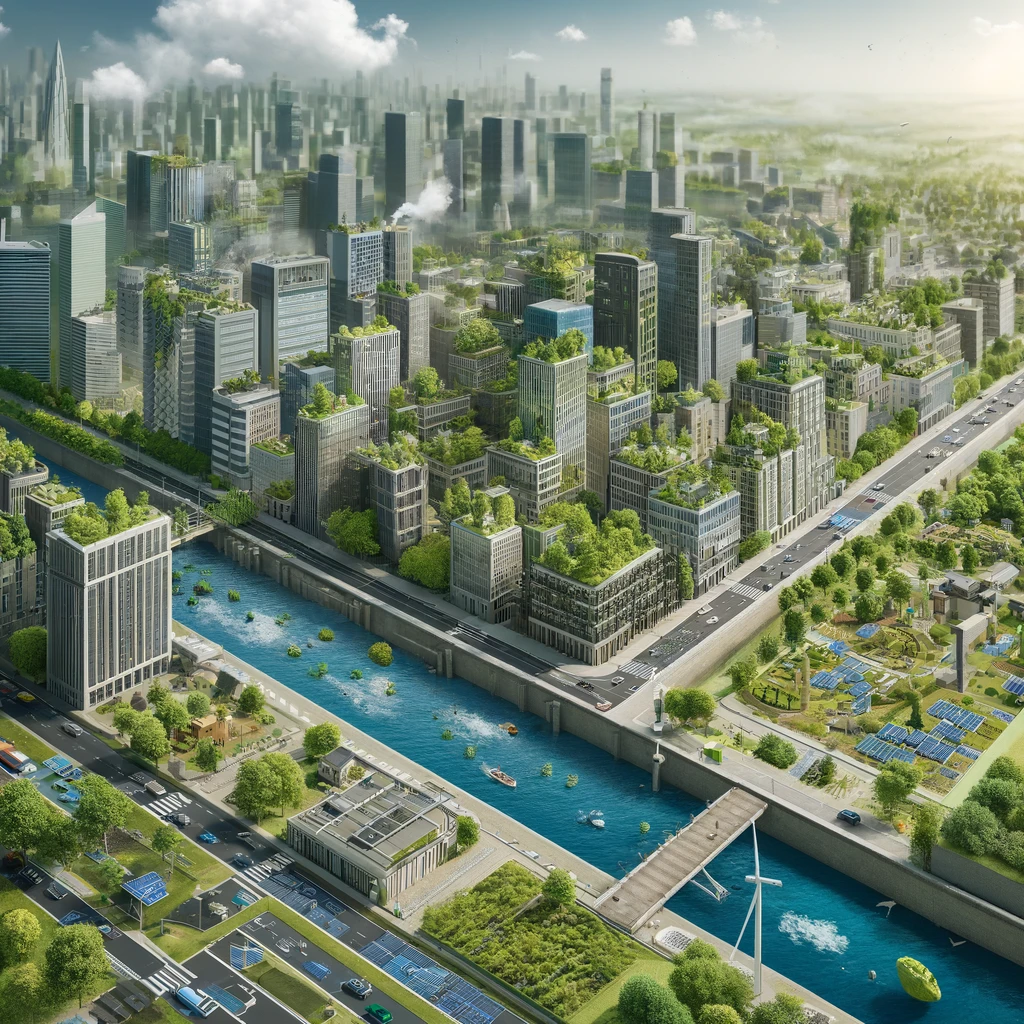
One of the fundamental principles of climate-responsive design is the concept of “green infrastructure.” This refers to a network of natural and semi-natural areas designed to provide environmental, economic, and social benefits. Examples include parks, green roofs, rain gardens, and urban forests. By incorporating green infrastructure into urban areas, cities can mitigate the heat island effect, manage stormwater, and enhance biodiversity.
In addition to green infrastructure, climate-responsive design also emphasizes the importance of energy-efficient buildings. This involves incorporating sustainable building materials, improving insulation, and optimizing the orientation and design of buildings to reduce energy consumption. Implementing energy-efficient technologies such as solar panels and smart grids further contributes to reducing a city’s carbon footprint.
Transportation is another critical aspect of climate-responsive urban design. Promoting public transit, cycling, and walking over car dependency can significantly reduce greenhouse gas emissions. Additionally, investing in electric vehicle infrastructure and developing pedestrian-friendly urban layouts can further support sustainable transportation options.
Overall, climate-responsive urban design requires a holistic approach that integrates various strategies to create resilient and sustainable urban environments. By prioritizing green infrastructure, energy-efficient buildings, and sustainable transportation, cities can better prepare for the impacts of climate change while enhancing the quality of life for their residents.
Case Studies: Leading Climate-Adaptable Cities
Several cities across the globe have emerged as leaders in climate adaptation, demonstrating innovative urban planning approaches to address climate change. These case studies provide valuable insights and inspiration for other cities aiming to enhance their resilience and sustainability.
One notable example is Copenhagen, Denmark, which has set ambitious goals to become carbon-neutral by 2025. The city’s Climate Plan encompasses various initiatives, including expanding green spaces, investing in sustainable transportation, and implementing climate-resilient infrastructure. Copenhagen’s “Cloudburst Management Plan” is a key component, aimed at mitigating flooding through a combination of green and grey infrastructure solutions.
Another example is Singapore, known for its forward-thinking urban planning and emphasis on sustainability. The “Garden City” concept integrates extensive green spaces throughout the urban landscape, enhancing the city’s resilience to heat and promoting biodiversity. Singapore also invests in cutting-edge technologies, such as the use of desalination and rainwater harvesting to ensure water security.
New York City, USA, provides a compelling case of climate adaptation in response to Hurricane Sandy’s devastating impact in 2012. The city’s “OneNYC” plan outlines measures to enhance resilience, including fortifying coastal defenses, implementing green infrastructure, and upgrading the power grid. Additionally, New York has enacted stringent building codes to ensure new developments are resilient to future climate-related hazards.
These leading cities showcase the potential of innovative urban planning in addressing climate change. By learning from their successes and challenges, other urban areas can adopt similar strategies and tailor them to their unique contexts. Such collaboration and knowledge-sharing are essential for fostering a global movement towards climate-adaptable cities.
Policy Frameworks and Governance
Effective policy frameworks and governance are crucial for supporting climate-responsive urban planning. Governments at all levels play a vital role in establishing regulations, providing funding, and facilitating collaboration among stakeholders. A comprehensive policy approach ensures that climate adaptation and mitigation efforts are integrated into urban planning processes.
National and local governments must prioritize climate action in their policy agendas. This includes setting clear targets for reducing greenhouse gas emissions, enhancing resilience, and promoting sustainable development. Implementing policies such as carbon pricing, renewable energy incentives, and sustainable building codes can drive progress towards these goals.
Collaboration between different levels of government is essential for effective governance. For instance, national governments can provide funding and policy guidance, while local governments can implement context-specific measures. Public agencies, private sector partners, and community organizations should also be engaged in the planning process to ensure a diverse range of perspectives and expertise.
Another critical aspect of governance is ensuring transparency and accountability. Policymakers must establish mechanisms for monitoring and evaluating the progress of climate adaptation efforts. This may involve regular reporting, public consultations, and independent assessments. Transparent governance fosters public trust and encourages ongoing engagement in climate action initiatives.
In summary, robust policy frameworks and effective governance are essential for supporting climate-responsive urban planning. By fostering collaboration, setting clear targets, and ensuring transparency, governments can create an enabling environment for sustainable and resilient urban development.
Engaging Communities and Stakeholders
Engaging communities and stakeholders is a fundamental aspect of climate-responsive urban planning. Active participation from residents, businesses, and organizations ensures that diverse perspectives are considered and that solutions are tailored to local needs. Inclusive engagement fosters a sense of ownership and empowerment, which is vital for the success of climate adaptation efforts.
Public participation can take various forms, including workshops, public hearings, and community advisory boards. These platforms allow residents to voice their concerns, share ideas, and collaborate with planners and policymakers. Effective communication is key to ensuring that complex climate science and planning concepts are accessible and understandable to the public.
Grassroots initiatives and community-led projects also play a significant role in climate adaptation. For example, neighborhood-based green infrastructure projects, such as community gardens and rainwater harvesting systems, can enhance local resilience and foster community spirit. Supporting and scaling up such initiatives can have a broader positive impact on urban sustainability.
Collaboration with the private sector is also essential. Businesses can contribute to climate adaptation by adopting sustainable practices, investing in green technologies, and providing funding for community projects. Public-private partnerships can leverage resources and expertise to implement large-scale climate-resilient infrastructure and services.
Ultimately, engaging communities and stakeholders is about building a collective vision for a sustainable and resilient urban future. By fostering collaboration, inclusivity, and empowerment, urban planners can develop solutions that genuinely meet the needs and aspirations of all residents.
The Role of Technology and Innovation
Technology and innovation play a pivotal role in advancing climate-responsive urban planning. From data analytics to smart infrastructure, emerging technologies offer new tools and solutions for enhancing urban resilience and sustainability. Leveraging these innovations can help cities better understand, plan for, and adapt to the impacts of climate change.
One of the significant advancements is the use of geographic information systems (GIS) and spatial data analytics. These tools allow planners to visualize and analyze complex data sets related to climate risks, such as flood zones, heat islands, and vulnerable infrastructure. GIS-based tools can inform decision-making, optimize resource allocation, and prioritize interventions.
Smart city technologies, including the Internet of Things (IoT) and sensors, provide real-time monitoring and management of urban systems. For example, smart grids enhance energy efficiency and reliability by dynamically adjusting to demand and integrating renewable energy sources. Similarly, smart water management systems optimize water usage and detect leaks, ensuring sustainable water supply.
Innovative building technologies, such as advanced materials and construction methods, contribute to climate resilience. For instance, green roofs and walls not only insulate buildings but also provide urban green spaces that mitigate heat and enhance biodiversity. Additionally, modular and prefabricated construction can reduce waste and accelerate the deployment of resilient infrastructure.
Lastly, digital platforms and apps enable greater public engagement and participation in urban planning processes. Crowdsourcing platforms allow residents to report issues, provide feedback, and contribute ideas for community projects. Such technologies foster transparency and collaboration, empowering citizens to be active participants in climate adaptation efforts.
In conclusion, embracing technology and innovation is essential for modern urban planning. By integrating advanced tools and solutions, cities can enhance their capacity to adapt to climate change and ensure a sustainable future.
Conclusion
The intersection of urban planning and climate change is a critical frontier in shaping the future of our cities. As we have explored, integrating climate-responsive design, learning from leading cities, establishing robust policy frameworks, engaging communities, and leveraging technology are all essential components of effective urban planning for climate adaptation.
The urgency of addressing climate change cannot be overstated. With the growing frequency and intensity of climate-related events, cities must adopt proactive and innovative approaches to safeguard the well-being of their residents and the vitality of their economies. Urban planners, policymakers, and stakeholders must work collaboratively to create resilient, sustainable, and vibrant urban environments.
As we look to the future, it is clear that the challenges of climate change will continue to evolve. However, with deliberate and strategic planning, cities can not only adapt to these challenges but also transform them into opportunities for positive change. By prioritizing sustainability, inclusivity, and innovation, we can build urban environments that are better equipped to withstand the impacts of climate change and thrive in the decades to come.
In summary, urban planning has a pivotal role in shaping the resilience and sustainability of our cities. By understanding and addressing the complex interplay between urban development and climate change, we can create a future where urban environments are resilient, sustainable, and livable for all. The journey towards climate-adaptable cities requires vision, collaboration, and commitment, but the rewards of a resilient urban future are well worth the effort.
Frequently Asked Questions
1. How does urban planning contribute to climate resilience in cities?
Urban planning is a pivotal element in bolstering a city’s resilience against the myriad challenges posed by climate change. By the careful orchestration of land use, transportation systems, infrastructure, and public spaces, urban planners can build urban environments that are not just efficient but also robust against environmental changes. For instance, strategic land usage can minimize risk by keeping developments away from flood-prone areas. Planners can design green spaces such as parks and green roofs, which mitigate urban heat islands and contribute to carbon sequestration. Additionally, resilient city planning incorporates adaptable infrastructures that can withstand extreme weather events without a pronounced interruption to daily life. Through these intricacies, urban planning doesn’t just react to climate challenges but outpaces them, paving the way for vibrant, sustainable, and secure urban areas.
2. What are some specific strategies urban planners use to adapt cities to climate change?
Urban planners deploy a spectrum of strategies to gird cities against the evolving threats posed by climate change. One approach is the enhancement of green infrastructure, which includes introducing more parks, wetlands, and urban forests, thus boosting a city’s ability to manage stormwater and reduce heat. Planners also recalibrate building codes and zoning laws to elevate resilience standards, requiring flood-proof constructions and utilizing reflective materials to curb heat absorption. Incorporating renewable energy sources into the city’s energy mix, planners can lessen the overall carbon footprint and bolster energy security. Transportation networks are overhauled to favor public transit, cycling, and pedestrian pathways, thereby promoting efficiency and reducing emissions. Each of these strategies, built upon the principle of sustainability, helps cities not just to survive but thrive amid climatic adversities.
3. Why are cities more vulnerable to climate change than rural areas?
Cities are particularly susceptible to the impacts of climate change due to the sheer concentration of populations, infrastructure, and economic activities. Urban areas often face the ‘urban heat island’ effect, which causes cities to remain significantly warmer than surrounding rural areas due to the heat-absorbing materials like concrete and asphalt. Additionally, cities have large impervious surfaces leading to increased risk of flooding during intense rainfall events. Coastal cities bear the extra burden of rising sea levels, making them prone to erosion and storm surges. With the increasing frequency of extreme weather events, cities can experience disruptions in essential services such as electricity, water, and transportation, which could bring economic activities to a grinding halt. The complexities of such densely populated areas amplify the challenges, making proactive planning essential to safeguard against these increasing vulnerabilities.
4. How can urban planning help reduce a city’s carbon footprint?
Urban planning plays an instrumental role in diminishing a city’s carbon footprint. By focusing on sustainable transportation systems, planners can reduce reliance on fossil fuel-powered vehicles. This is achieved by promoting public transit, cycling, and pedestrian pathways, which not only cut carbon emissions but also enhance air quality. Density is another lever planners use – promoting denser developments allows for more efficient energy use as services and amenities are more accessible, reducing the need for long commutes. Incorporating mixed-use development, where residential, commercial, and recreational spaces co-exist, fosters walkable communities over sprawling, car-dependent ones. Furthermore, urban planners integrate renewable energy technologies, like solar and wind, into city landscapes and support policies for energy-efficient buildings. Collectively, these strategies orchestrate a concerted effort to lower greenhouse gas emissions, contributing to a healthier environment.
5. What role does community participation have in urban planning for climate adaptation?
Community participation is an invaluable component of urban planning, especially when devising climate adaptation strategies. Informed and engaged community members can offer insights into local challenges and opportunities that might not be evident to planners. By involving the community in the planning process, cities can ensure that climate adaptation measures address the needs and priorities of the very people they will impact. Transparent communication and public forums allow residents to voice concerns, propose ideas, and contribute to decision-making processes. This collaborative approach not only fosters trust but also enhances the educational aspect of understanding climate impacts, empowering communities with the knowledge to be proactive participants in sustainability efforts. Thus, community participation channels collective wisdom into crafting localized, effective, and equitable climate solutions, crucial for enduring climate resilience in urban areas.


