

Urban planning has a profound impact on public health. The design and implementation of urban environments directly influence the physical, mental, and social well-being of the population. From the layout of roads and public transportation systems to the availability of green spaces and the location of healthcare facilities, every facet of urban planning can either enhance or undermine public health. In this article, we will delve into the multifaceted relationship between urban planning and public health, examining how thoughtful urban design can promote healthy lifestyles and reduce the burden of disease.
Urban planning isn’t a concept restricted to the aesthetic and functional aspects of cities. It is a vital tool that shapes the living conditions of urban residents. Policies and practices in urban planning play crucial roles in determining the quality of air we breathe, the safety of our streets, our ability to exercise, and our access to nutritious food, among other factors. The interplay between urban planning and public health is increasingly recognized by policymakers, urban planners, and health professionals who advocate for cities designed to promote health and well-being.
In the next sections, we will explore various dimensions of this connection. We will look at how urban infrastructure affects physical health, how green spaces contribute to mental well-being, the role of transportation in promoting active lifestyles, the impact of housing policies on health outcomes, and the significance of community and social cohesion in urban design.
The Influence of Urban Infrastructure on Physical Health
The built environment in urban areas significantly affects physical health. Infrastructure, including the availability and condition of sidewalks, bike paths, and recreational areas, plays a key role in determining levels of physical activity. Walkable neighborhoods, for instance, encourage residents to engage in regular physical activity, which is crucial for preventing lifestyle-related diseases such as obesity, diabetes, and heart diseases. On the other hand, poorly designed infrastructure with limited pedestrian amenities can discourage physical activity and contribute to a sedentary lifestyle.
Accessible and well-maintained public spaces also provide opportunities for exercise and social interaction, both of which are essential for physical health. Parks, sports facilities, and leisure areas enable people to stay active, reducing the risk of chronic diseases. Additionally, the presence of public amenities such as benches, water fountains, and restrooms can make outdoor spaces more welcoming and user-friendly, encouraging their utilization by people of all ages and abilities.
Moreover, the proximity of healthcare facilities to residential areas influences access to medical care, which is a critical component of public health. Urban planning that integrates health services within the community ensures that residents can easily reach hospitals, clinics, and pharmacies. This accessibility is especially important in emergencies and for individuals with limited mobility or transportation options.
Green Spaces and Mental Well-Being
Exposure to nature and green spaces has a positive effect on mental health. Urban planning that incorporates parks, gardens, and natural landscapes within cities can mitigate the stress and anxiety associated with urban living. Green spaces provide a sanctuary from the hectic pace of city life, offering a place for relaxation, recreation, and socialization.
Research has shown that access to green spaces is linked to lower levels of depression, anxiety, and stress. Natural environments often serve as a buffer against the mental fatigue caused by the constant noise and commotion of urban areas. Moreover, green spaces can enhance social cohesion by serving as communal areas where residents gather, interact, and build relationships.
Furthermore, the aesthetic appeal of green spaces contributes to the overall well-being of the community. Beautifully designed parks and gardens can boost morale, foster a sense of belonging, and improve the quality of life for urban residents. The benefits of green spaces extend beyond mental health, also encouraging physical activity and providing cleaner air by reducing pollution.
Transportation Systems and Active Lifestyles
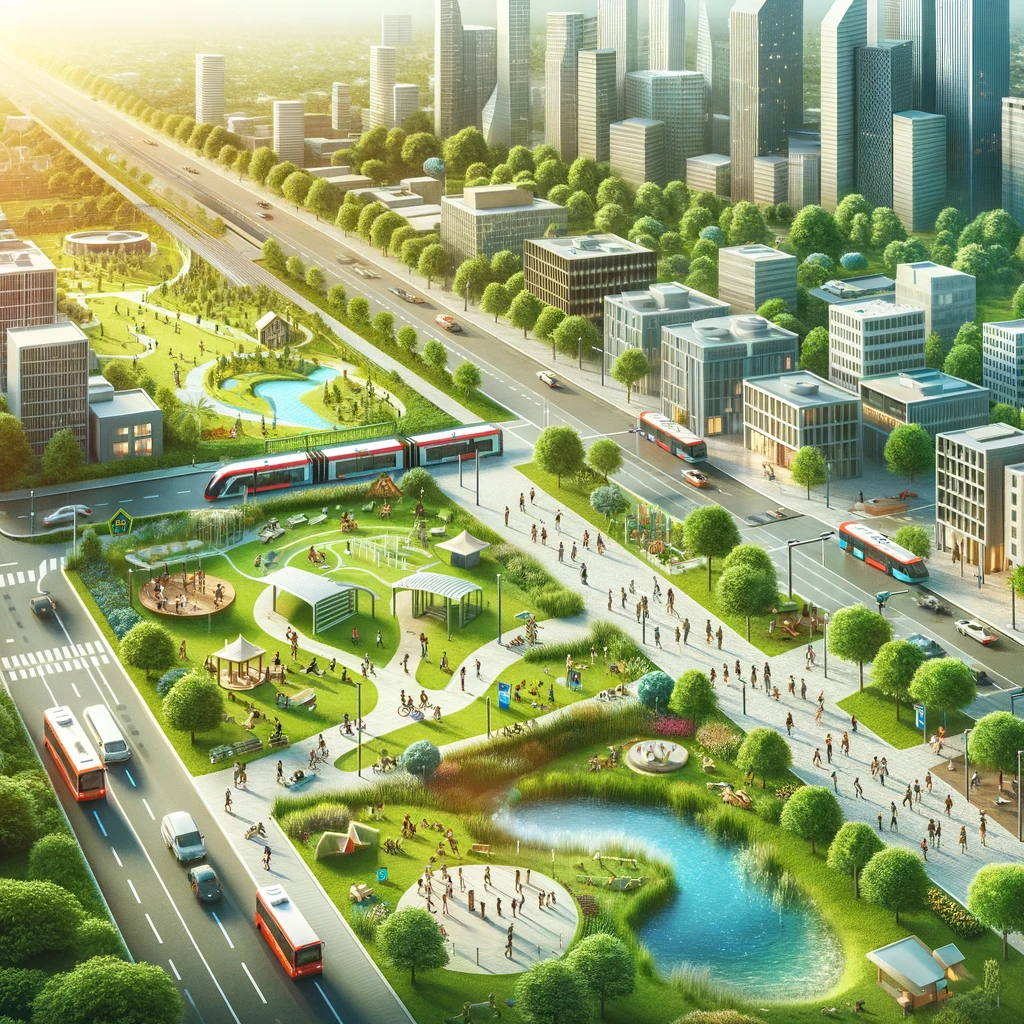
Transportation policies and infrastructure greatly influence public health by shaping the ways people move through urban environments. Cities that prioritize public transportation, cycling, and walking over car use can promote more active lifestyles. Urban planning that includes extensive networks of bike lanes, pedestrian pathways, and efficient public transit can reduce dependency on cars, decrease traffic congestion, and lower pollution levels.
Active transportation modes such as walking and cycling are associated with numerous health benefits, including reduced risk of chronic diseases, improved cardiovascular health, and enhanced mental well-being. Moreover, these modes of transport can contribute to cleaner air and a healthier environment by reducing emissions of greenhouse gases and pollutants.
Public transportation also plays a critical role in health equity. Reliable and affordable transit options ensure that all residents, regardless of socioeconomic status, have access to employment, education, healthcare, and other essential services. The design of transportation systems that cater to diverse needs—including those of the elderly, disabled, and low-income populations—is essential for creating inclusive, health-promoting urban environments.
Housing Policies and Health Outcomes
The design and quality of housing have direct implications for public health. Affordable, safe, and quality housing is a fundamental determinant of health. Urban planning that addresses housing inequalities can lead to significant improvements in health outcomes. Issues such as overcrowded living conditions, substandard housing, and lack of access to basic amenities like clean water and sanitation are major health risks that can be mitigated through effective urban planning and policy interventions.
Healthy housing environments reduce exposure to hazards such as lead, mold, and indoor air pollution, which can cause respiratory problems, neurological disorders, and other health issues. Access to adequate heating, cooling, and ventilation is crucial for maintaining indoor air quality and preventing illnesses associated with extreme temperatures.
Furthermore, stable housing contributes to better mental health by reducing stress and anxiety associated with housing instability. Programs that support affordable housing and prevent homelessness are integral to public health strategies, ensuring that all individuals have a secure place to live and thrive.
Community and Social Cohesion in Urban Design
Social cohesion and community engagement are vital components of healthy urban environments. Urban planning that fosters strong community bonds can enhance public health by creating spaces that promote social interaction, mutual support, and collective well-being. Neighborhoods designed with communal areas, such as playgrounds, community centers, and public squares, encourage residents to engage with one another, reducing social isolation and promoting a sense of community.
Socially cohesive communities are better equipped to address public health challenges, as they can mobilize resources, share information, and provide support during crises. Community engagement in urban planning processes also ensures that the needs and preferences of residents are considered, leading to more inclusive and responsive urban policies.
Moreover, social cohesion can enhance safety and reduce crime rates, contributing to a more secure and health-promoting environment. Strong community networks foster a sense of trust and cooperation, which are essential for collective action and resilience in the face of public health threats.
Conclusion
The relationship between urban planning and public health is complex and multifaceted. Thoughtful urban design that prioritizes the health and well-being of residents can lead to significant improvements in public health outcomes. From promoting physical activity through accessible infrastructure and green spaces to ensuring equitable access to transportation and housing, urban planning plays a crucial role in shaping healthy communities.
As cities continue to grow and evolve, the integration of public health considerations into urban planning processes becomes increasingly important. Policymakers, urban planners, and public health professionals must work collaboratively to create environments that support healthy lifestyles, reduce health disparities, and enhance the overall quality of life for urban residents.
Future urban planning initiatives should prioritize sustainability, equity, and community engagement to address the diverse needs of urban populations. By fostering environments that promote physical, mental, and social well-being, we can build healthier, more resilient cities for generations to come.
Frequently Asked Questions
1. How does urban planning affect physical health?
Urban planning plays a critical role in shaping the physical health of a city’s residents. One of the primary ways it does so is through the design of transportation systems and the provision of pedestrian-friendly infrastructure. For instance, when cities are laid out in a way that prioritizes walkability, with safe streets, ample sidewalks, and dedicated bike lanes, it encourages people to incorporate more physical activity into their daily routines. This can lead to reduced rates of obesity, cardiovascular diseases, and other chronic health conditions. Additionally, access to parks and recreational areas promotes exercise, reduces stress, and can significantly improve physical well-being.
Conversely, poorly planned urban environments that lack these features might force reliance on cars, leading to sedentary lifestyles, increased pollution, and resultant health issues like respiratory diseases or obesity-related conditions. An urban plan that considers the health of its residents will integrate cycling tracks, public transport options, and recreational spaces to foster a healthier lifestyle.
2. In what ways does urban planning influence mental health?
Mental health is deeply intertwined with the built environment, and urban planning significantly impacts this aspect of our well-being. Living in densely populated urban settings can often lead to stress due to noise, overcrowding, and limited access to nature. Urban planning can mitigate such stressors by thoughtfully creating spaces that offer tranquility and respite. Well-planned green spaces and parks serve as sanctuaries from the hustle and bustle of city life, offering a calming effect that can reduce anxiety and depression symptoms.
Moreover, urban designs that promote community interaction and social cohesion contribute positively to mental health. Features like communal areas, cultural hubs, and interactive public art projects encourage social engagement, which can diminish feelings of isolation and loneliness. Well-lit and safe social environments ensure that residents feel comfortable engaging with their community, thus fostering a sense of belonging and support.
3. What role do public transportation systems play in public health within urban planning?
Public transportation is a linchpin in the relationship between urban planning and public health. A well-designed, efficient public transport system can significantly lower the reliance on private vehicles, which in turn reduces traffic congestion, air pollution, and greenhouse gas emissions. These changes have direct health benefits, as reduced emissions improve air quality, decreasing the prevalence of respiratory diseases such as asthma and bronchitis.
Additionally, the integration of public transportation encourages physical activity, as individuals are more likely to walk or bike to transit stations. This increase in daily physical activity contributes to better overall health and well-being. Moreover, reliable public transport opens up access to healthcare facilities, employment, education, and recreational activities, contributing to an improved quality of life and social equity. Ensuring inclusivity in transit planning guarantees that all demographics, including the elderly and disabled, can maintain mobility and independence, further supporting public health outcomes.
4. How does access to green spaces contribute to public health in urban areas?
Green spaces are a vital component of urban planning that have a transformative impact on public health. They provide essential opportunities for relaxation, recreation, and connection with nature, which are crucial for both physical and mental health. Regular exposure to green spaces has been shown to reduce stress levels, lower blood pressure, and elevate mood, benefits that are increasingly important in fast-paced urban environments.
Moreover, parks and natural areas encourage physical activity such as walking, jogging, or cycling, which are key in the prevention of obesity and related health issues. Green spaces also improve air quality by filtering pollutants and releasing oxygen. Additionally, they have a cooling effect on urban areas, mitigating the urban heat island effect, which can have adverse health effects during extreme heat events. An inclusive approach to urban planning would ensure equitable distribution of green spaces so that all community members, irrespective of socioeconomic status, can enjoy these health benefits.
5. How does the location of healthcare facilities impact public health in the context of urban planning?
The strategic location of healthcare facilities is a cornerstone of public health in urban settings. Access to healthcare is crucial, and urban planning must take into account the accessibility of hospitals, clinics, and other health services. Proximity to these facilities ensures that individuals can receive timely medical care, which is vital for emergency situations and regular health maintenance.
Furthermore, well-planned healthcare infrastructure can address public health disparities by ensuring that marginalized and underserved populations, who often experience the greatest barriers to healthcare, have better access to these essential services. This requires diversity in the types of healthcare services offered, including mental health and preventative care, and ensuring that these resources are accessible via public transportation or within walking distance for the majority of residents.
The integration of healthcare into urban planning is not only about the placement of brick-and-mortar facilities; it also involves creating environments that support health in broader terms, such as offering community-based health programs and ensuring clean water and sanitation. When urban planners consider the full spectrum of public health needs, they not only enhance the well-being of residents but also work towards building more resilient and healthy urban communities.


