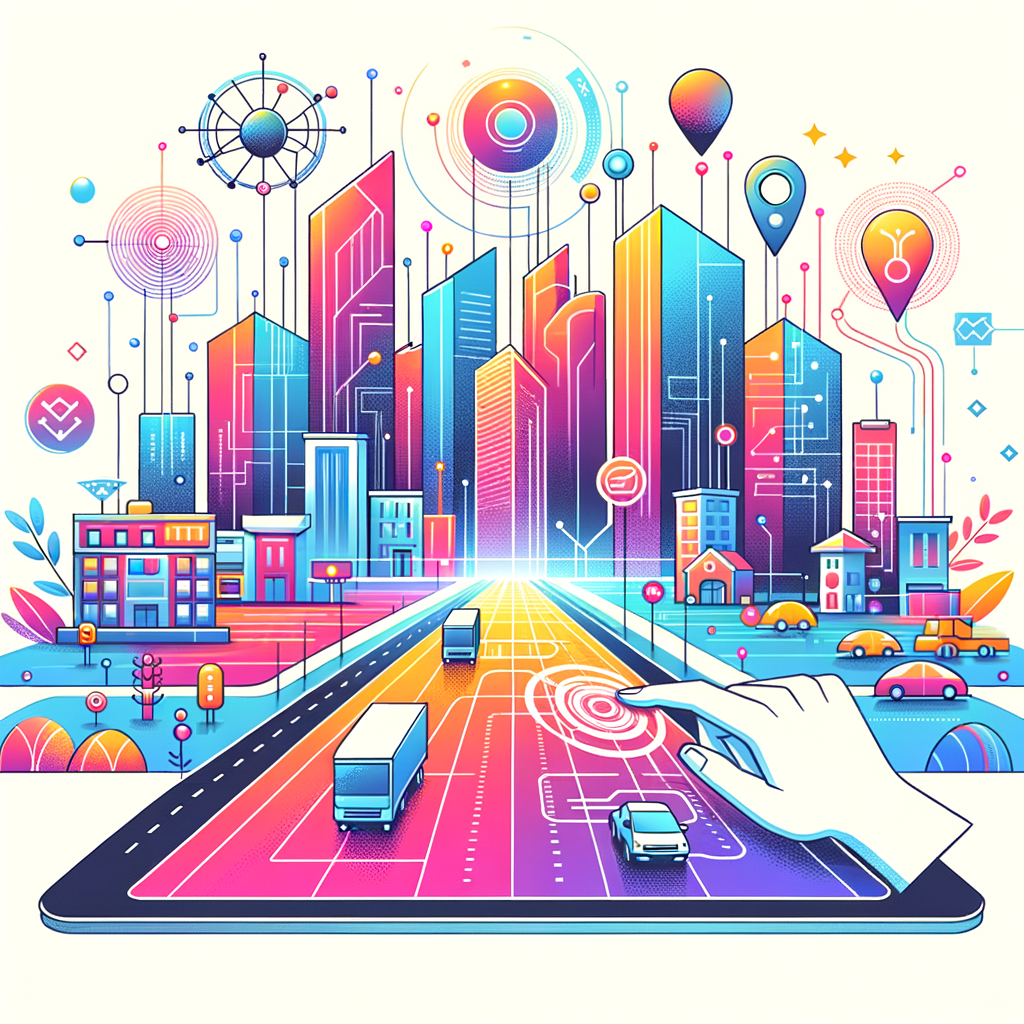
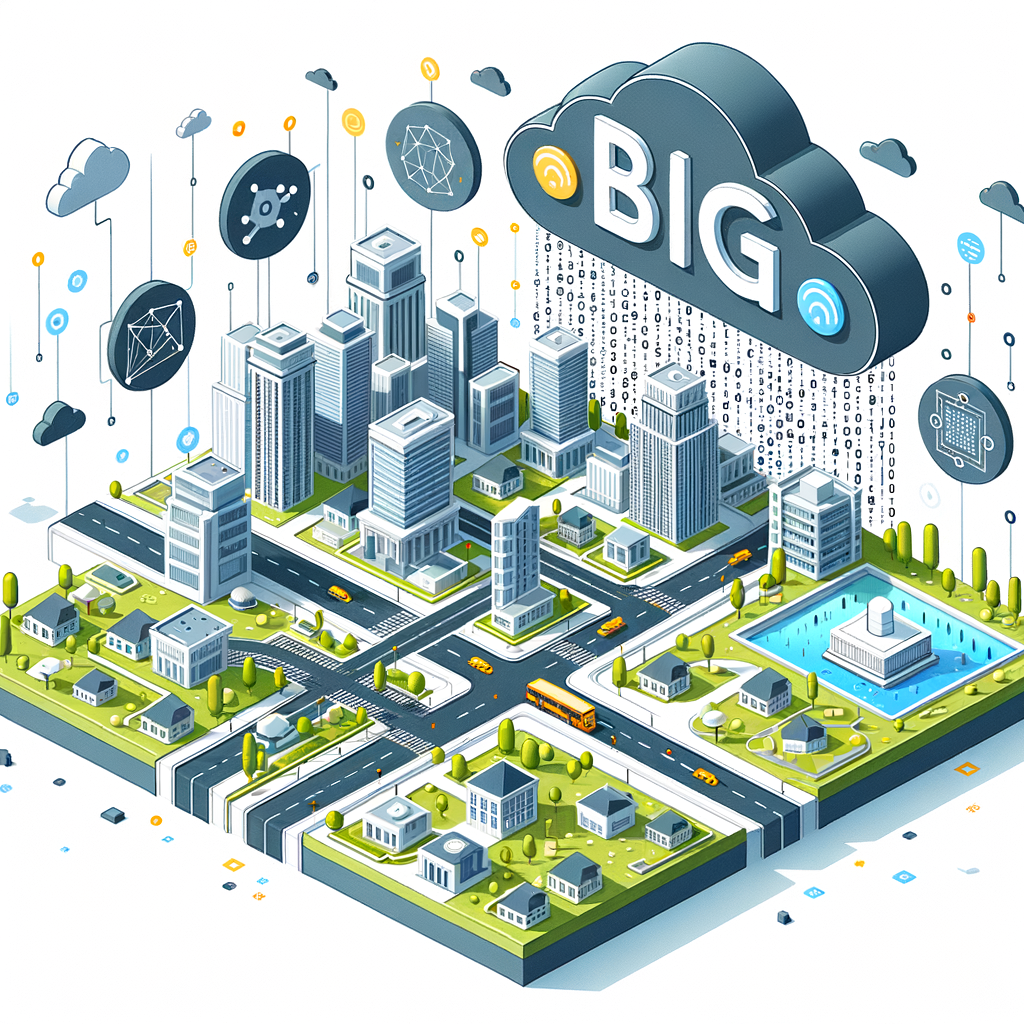
The rise of smart cities is transforming urban environments around the globe. Characterized by the integration of technology into various facets of urban living, smart cities are designed to enhance the quality of life for their inhabitants while optimizing resource use, promoting sustainability, and facilitating robust infrastructure. However, an often overlooked but critical aspect of these urban landscapes is the phenomenon of urban heat islands (UHIs). An urban heat island is an area significantly warmer than its rural surroundings due to human activities. As smart cities seek to implement advanced technologies and infrastructure solutions, it is imperative to understand the intersection of these innovations with the challenge of UHIs. This exploration will provide insights into how smart city technologies can both exacerbate and alleviate the effects of UHIs, as well as offer strategies for mitigating these impacts. Given the increasing global temperatures and the rising number of cities transitioning towards becoming ‘smart’, addressing the influence of smart cities on UHIs has never been more crucial.
Smart cities rely heavily on interconnected devices and systems to improve urban living conditions. This modernization includes the deployment of sensors, data analytics, and smart infrastructures such as efficient energy systems and intelligent transportation networks. While these advancements promise significant environmental benefits, the inadvertent effects of increased urban density, technological infrastructure, and energy consumption contribute to the UHI effect. Exploring this duality, where smart city elements become both problem and solution, requires a detailed examination of technologies deployed, their design, and their operational implications. Through this analysis, urban planners, policymakers, and technologists can find pathways for mitigating the negative impacts of UHIs while leveraging the potential benefits of smart city designs to achieve a more sustainable and livable urban environment. This article will delve into this complex relationship, evaluating the current landscape and future prospects for integrating smart cities into the ongoing struggle against UHIs.
Understanding Urban Heat Islands
Urban heat islands (UHIs) occur when cities experience higher temperatures than their rural surroundings. The UHI effect is primarily caused by the modification of land surfaces and waste heat generated by energy usage. The proliferation of concrete, asphalt, buildings, and other alterations leads to reduced natural vegetation, contributing to less evaporative cooling and more heat absorption. This results in a localized increase in temperature that can vary significantly compared to surrounding rural areas. The consequences of UHIs are multifaceted—they impact energy consumption, elevate pollution levels, and often exacerbate heat-related illnesses among urban populations. Moreover, UHIs contribute to the demand for more air conditioning, leading to increased energy use which, in a feedback loop, further intensifies the UHI effect.
The introduction of smart city technologies offers potential solutions to tackle the negative impact of UHIs. However, increased urban densities and technological infrastructures can inadvertently amplify UHIs if not managed correctly. Factors such as increased emissions from technological devices, greater energy consumption from digital platforms, and higher concentrations of population can all intensify local temperature differences. Though smart cities have a negative image regarding their potential to exacerbate UHIs, significant potential still exists to balance this through strategic urban planning, innovative technologies, and environmentally conscious designs aimed at reducing heat stress and promoting cooler urban climates.
Technological Influence of Smart Cities on UHIs
Smart cities incorporate a range of technologies that influence urban microclimates and heat profiles. Key technologies implemented include smart grids, robust data networks, autonomous vehicles, and extensive surveillance systems. Each of these can impact UHIs directly and indirectly. Smart grids can manage energy distribution more efficiently, potentially reducing waste heat generation. However, their infrastructure—such as data centers—can contribute to localized warming. Similarly, data networks require energy-intensive hardware, albeit distributed, that may radiate heat. Smart transportation systems, which advocate for electric and autonomous vehicles, reduce emissions from combustion but require charging infrastructures that might contribute to urban warming.
Buildings in smart cities are often equipped with advanced energy management systems and smart building technologies, designed to improve energy efficiency. Techniques such as green roofs, cool roofs, and reflective materials are deployed to lessen heat absorption and promote cooling. These innovations play a crucial role in reducing the UHI effect by promoting energy efficiency and lessening heat absorption into dense urban infrastructures. Similarly, the use of sensors to monitor and manage urban temperatures can allow cities to implement adaptive cooling strategies, optimizing resource use while minimizing unnecessary energy expenditure.
Urban Planning and Design Strategies
Urban planning and landscape architecture are critical components in managing the impact of smart cities on UHIs. The use of green spaces, urban forests, and water bodies can significantly mitigate the heating effects of urban areas. Urban designs that focus on increasing green coverage create essential cooling zones, which help reduce the temperature differential characteristic of UHIs. Implementing urban green infrastructure becomes more effective when combined with smart technologies; for example, using IoT devices for the management of irrigation systems can ensure that urban plants are optimally nourished and maintained, enhancing their cooling effects while conserving water.
Walkability and the promotion of non-motorized transit options also play vital roles in reducing city heat. Smart cities can promote the use of pedestrian-friendly zones, encouraging walking and cycling as feasible and preferred means of transportation. Coupled with shaded paths and tree-lined streets, these strategies enhance human comfort while minimizing reliance on energy-intensive cooling systems. Smart transportation systems that minimize idle traffic, manage congestion, and optimize traffic flows contribute to reduced vehicle emissions, which are significant contributors to urban heat.
Data Analytics and Environmental Monitoring
Data analytics provide powerful tools for monitoring UHI effects and employing responsive mitigating strategies effectively. In smart cities, the aggregation of real-time data through sensors, drones, and other monitoring tools allows for the comprehensive analysis of climatic variables and heat island indexes. This data can then be used to model urban microclimates and assess heat distribution patterns across different city zones. Accurate models enable urban planners to make informed decisions about where to implement cooling interventions and optimize reflective surfaces in areas most affected by UHIs.
Moreover, predictive analytics can forecast future trends concerning climate; thus, interventions could be planned in advance, reducing potential UHI effects efficiently. By adjusting urban strategies in real-time based on climate predictions or current data, smart cities can employ adaptive management techniques that mitigate burgeoning warming effects and foster sustainable urban environments.
Implementing Renewable Energy Solutions
Renewable energy plays a pivotal role in addressing the problematic aspects of UHIs in smart cities. The transition from fossil fuels to renewable energy sources such as solar, wind, and geothermal helps in decreasing greenhouse gas emissions and combating the root causes of global warming contributing to UHIs. Smart cities can heavily invest in renewable infrastructures, such as solar panels and wind turbines, to meet their energy needs without adding to the heat output of urban areas.
Solar power, in particular, offers a dual benefit when designed effectively. Roofs rigged with solar panels not only reduce energy bills but also reflect sunlight, decreasing heat absorption and mitigating UHI effects. Integrating renewable energy into smart grids and ensuring that buildings are powered by clean energy can significantly reduce the urban carbon footprint, contribute to cooler urban climates, and enhance the overall sustainability of smart cities.
Conclusion
As global populations continue to swell and urban areas increasingly transition into smart cities, the need to address urban heat islands becomes increasingly crucial. Smart city technologies present both challenges and opportunities for managing UHIs effectively. While increased urban density, high-energy infrastructures, and technological proliferation have the potential to exacerbate heat island effects, they also offer solutions through improved energy efficiency, urban design, and data-driven approaches. With strategic planning and implementation, smart cities can transform the UHI landscape positively.
Through a combination of green architectural designs, renewable energy adoption, efficient urban planning, and extensive use of environmental data analytics, smart cities can significantly reduce their heat output. The challenge for urban planners and city developers lies in balancing technological advancements with environmental sustainability initiatives. This approach not only minimizes the exacerbating impacts of urban heat islands but also promotes a healthier, more sustainable, and more resilient urban ecosystem—one that can adequately support the needs of its inhabitants in the face of climactic challenges.
Future research and development in smart city technologies could yield even more innovative solutions to UHI challenges. These efforts could set a precedent for urban development worldwide, showcasing how cities can evolve in a manner that mitigates such adverse effects while leveraging the promises of technology for better living standards. It stands as a testament to the potential harmony between urban modernization and environmental preservation—one that we must strive to realize fully in the coming years.