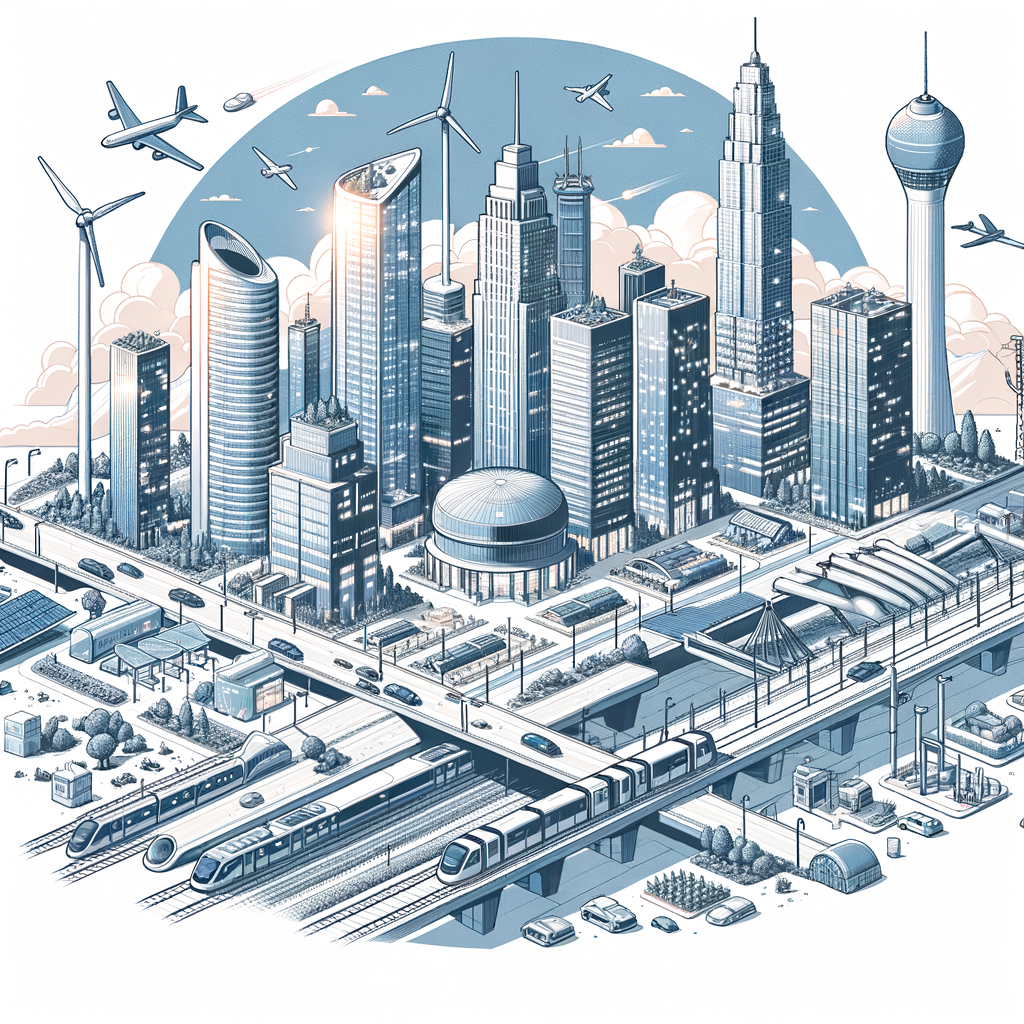
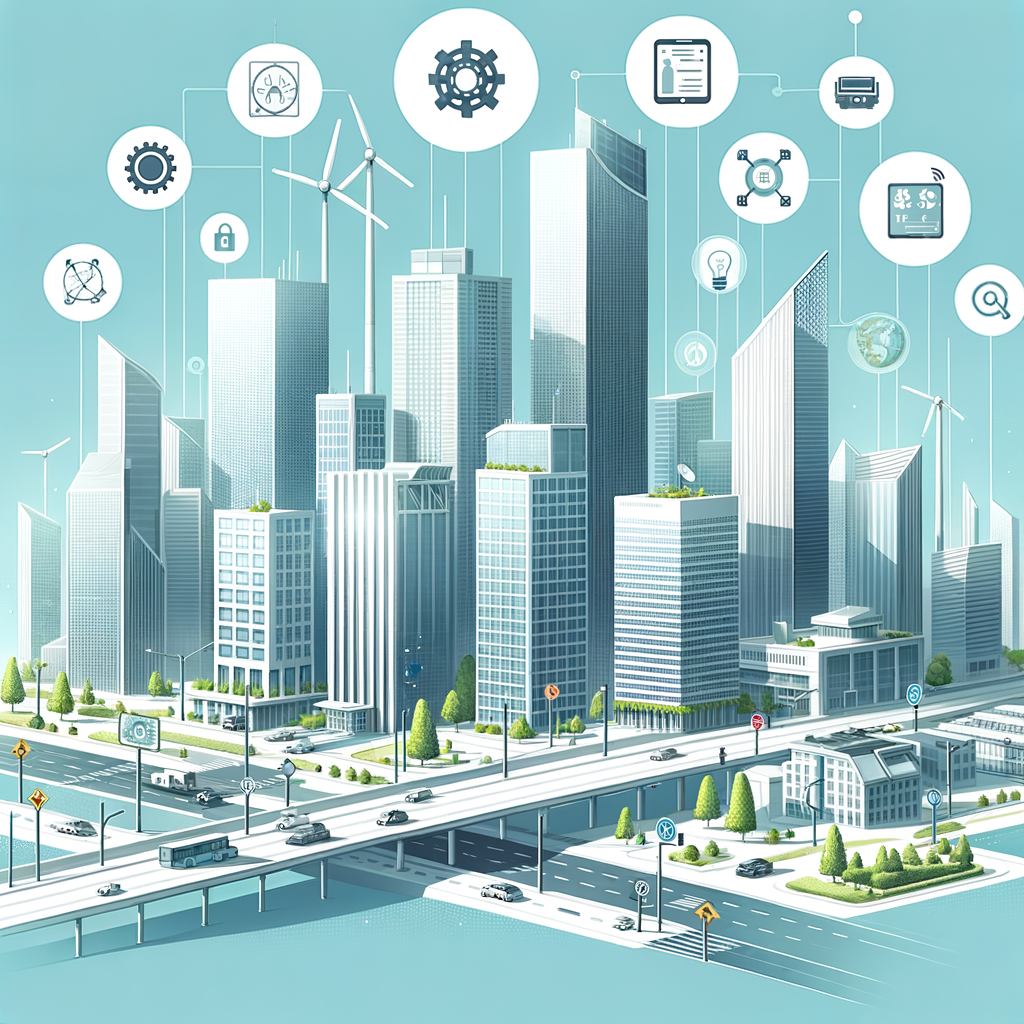
In recent years, the rapid growth of urban areas has brought a significant strain on city infrastructure, raising questions about sustainability and the future of our built environments. As more people move to urban centers, cities face numerous challenges, including managing resources, reducing waste, and ensuring that buildings serve their inhabitants without compromising the needs of future generations. The rise of sustainable building practices presents a viable path to address these challenges. This article delves into urban infrastructure and the integration of sustainable building practices, highlighting strategies that can foster environmentally friendly, economically viable, and socially responsible urban development. As cities continue to grow and evolve, examining the intersection of infrastructure and sustainability reveals how innovative solutions can create cities that thrive today and tomorrow.
Challenges in Urban Infrastructure
Urban areas are facing a multitude of challenges that require urgent attention. From aging infrastructure to overcrowding, cities are struggling to keep up with the pace of development. One of the primary issues is the need for efficient transportation systems. As city populations grow, the number of vehicles on the roads also increases, resulting in traffic congestion, air pollution, and increased commute times. Addressing this challenge requires a multi-faceted approach that integrates sustainable public transportation systems, such as electric buses, metro lines, and bike-sharing initiatives.
Housing shortages represent another significant challenge for urban infrastructure. The demand for affordable housing has skyrocketed, yet the supply has not kept pace, leading to the expansion of informal settlements and the associated socio-economic issues. Creating affordable housing solutions involves examining zoning laws, incentivizing green building practices, and leveraging technology to improve the efficiency and affordability of construction processes.
Outdated water and sanitation systems also pose significant challenges to growing urban areas. Cities often struggle with maintaining the quality and availability of water, managing stormwater, and ensuring efficient waste disposal. Sustainable urban development requires that cities upgrade their existing systems with more efficient technology, adopt water-saving practices, and apply an integrated urban water management approach.
Sustainable Building Practices
Sustainable building practices focus on reducing the environmental impact of construction projects while enhancing the overall efficiency of buildings. This involves the thoughtful selection of materials, innovative design techniques, and leveraging technology to create buildings that are energy-efficient, resource-conscious, and resilient to climate change. One effective approach is the use of green roofs and walls, which provide insulation, reduce urban heat, and create urban green spaces that enhance biodiversity.
Another crucial aspect of sustainable building involves energy efficiency. As buildings consume around 40% of global energy, reducing their energy consumption is paramount. Adopting passive solar design, utilizing energy-efficient lighting and appliances, and installing renewable energy systems such as solar panels and wind turbines can significantly reduce a building’s energy footprint. Smart buildings equipped with energy management systems contribute significantly to this effort, as they optimize energy use, provide real-time feedback, and allow for more personalized energy conservation strategies.
The use of sustainable materials also plays a critical role in reducing the environmental impact of construction. By choosing renewable, recycled, or locally sourced materials, builders can decrease the carbon footprint and help preserve natural resources. Materials such as bamboo, reclaimed wood, and recycled metal offer durability, aesthetic appeal, and minimal environmental cost.
Innovation in Urban Infrastructure
Innovation is central to transforming urban infrastructure into a sustainable framework for future cities. Public-private partnerships, technological advancements, and policy changes are driving significant innovations in urban infrastructure, paving the way for more resilient and adaptable cities. Smart cities are one of the most promising innovations in this regard, employing advanced information and communication technologies to optimize urban services and improve the quality of life for city residents.
Smart grids, for instance, are revolutionizing energy distribution by providing more efficient and reliable power while allowing for the integration of renewable energy sources. Likewise, the internet of things (IoT) is being leveraged to monitor and manage urban infrastructure systems, such as traffic lights and public utilities, to ensure their efficient operation and maintenance.
Urban planning tools are being transformed by geographic information systems (GIS) and other mapping technologies that enable planners to visualize the impact of proposed developments on the urban landscape. These tools help in making informed decisions that take into account environmental, social, and economic factors, ensuring that urban expansion does not compromise sustainability.
Policy and Regulation
The transformation of urban infrastructure through sustainable building practices is heavily influenced by policy and regulation. Governments play a critical role in defining the regulatory framework that guides building practices and ensures adherence to sustainability goals. Mandates for sustainable construction techniques, such as green building certifications and incentives for using renewable energy sources, drive the adoption of environmentally friendly building practices.
For instance, many cities have implemented green building codes that require new buildings to meet specific sustainability criteria, such as energy efficiency, water conservation, and indoor air quality standards. Urban planning policies also emphasize the importance of mixed-use developments, which integrate residential, commercial, and recreational spaces, reducing the need for long commutes and encouraging more sustainable modes of transportation.
Furthermore, policy frameworks encourage the regeneration of underutilized urban areas, promoting the redevelopment of old industrial sites into vibrant, sustainable communities. These policies facilitate the efficient use of space and resources, helping to combat urban sprawl and preserve green zones within cities.
Community Engagement and Education
Empowering communities is an essential component of fostering sustainable urban development. Engaging residents in urban planning and sustainable building initiatives ensures that the social, cultural, and economic needs of communities are addressed. Public consultations, participatory design processes, and educational campaigns strengthen community involvement and support for sustainable strategies.
Education is a powerful tool in promoting sustainability across urban infrastructure. By raising awareness about the benefits of green building and sustainable urban practices, communities are better equipped to advocate for changes that align with sustainability goals. Educational programs that focus on future generations play a vital role, instilling a sense of environmental stewardship among youths and preparing them to lead in the development of sustainable urban environments.
The role of non-governmental organizations (NGOs) and community-based organizations (CBOs) is invaluable in resource mobilization, capacity building, and advocacy for sustainable urban development. Their involvement facilitates knowledge sharing and community mobilization, catalyzing grassroots efforts to address local sustainability challenges and influencing policy at higher levels.
International Collaboration
Urban infrastructure and sustainable building practices benefit from international collaboration, which provides a platform for sharing knowledge, resources, and innovations across borders. Cities around the world face similar challenges, and international cooperation facilitates the exchange of best practices, successful case studies, and lessons learned. Global efforts, such as the United Nations’ Sustainable Development Goals, emphasize the need for collaboration to address urban challenges holistically.
Cities in developed countries offer valuable insights for developing nations in terms of innovative technologies and successful sustainability strategies. Conversely, developing countries provide perspectives on resiliency and adaptability under limited resources, offering lessons in efficiency and resourcefulness that can be applied globally. International forums, conferences, and networks serve as essential points of connection, fostering partnerships and collaboration between stakeholders across the globe.
Conclusion
The pressing challenges faced by urban areas demand innovative and sustainable solutions to ensure cities remain livable and resilient amid rapid growth and environmental changes. By focusing on sustainable building practices, cities can reduce their environmental impact and create infrastructures that support the health, well-being, and prosperity of their inhabitants. The successful integration of sustainable practices within urban infrastructure is contingent upon collaboration across sectors, from policy and regulation to community engagement and education.
As the global population continues to urbanize, there is an increasing urgency for holistic approaches that incorporate environmental, economic, and social considerations into urban planning and development. While the path to sustainable urban infrastructure is complex, the potential for creating resilient and resource-efficient cities is both achievable and necessary. A global commitment to sustainable building practices and urban infrastructure is crucial in securing the future of urban environments for generations to come.
By harnessing the power of technology, innovation, and collaboration, cities can emerge as beacons of sustainability, paving the way for a future where urban life thrives in harmony with nature. Increased awareness, sustained commitment, and purposeful action are the cornerstones of this transformation, ensuring urban infrastructure evolves in a manner that is equitable, sustainable, and aligned with the aspirations of its citizens.
Frequently Asked Questions
1. What is urban infrastructure and why is it important?
Urban infrastructure refers to the fundamental facilities and systems serving a city, which include transportation, water supply, electrical grids, telecommunications, and public institutions like schools and hospitals. This infrastructure is critical because it supports daily city operations, contributes to the quality of life for residents, and facilitates economic activities. As urban populations grow, there’s an ever-increasing demand on these systems, requiring maintenance, expansion, and modernization to ensure cities remain livable and functional. Without efficient urban infrastructure, cities can suffer from traffic congestion, inadequate waste management, water shortages, and other challenges that can hinder growth and sustainability. Well-planned infrastructure is the backbone of urban growth, ensuring that cities can meet current needs while accommodating future demands.
2. How does sustainable building contribute to urban infrastructure?
Sustainable building practices play a crucial role in enhancing urban infrastructure by reducing environmental impact, conserving resources, and promoting healthier living spaces. By using eco-friendly materials, energy-efficient systems, and smart designs, sustainable buildings minimize resource consumption and carbon emissions. This aligns with the goal of urban infrastructure to support cities economically and environmentally. For example, buildings equipped with solar panels or green roofs not only save energy but also reduce heat island effects, thereby cooling down urban areas. Additionally, sustainable buildings often incorporate water-saving fixtures and rainwater harvesting systems, which contribute to efficient water use—an important aspect of urban infrastructure management. Moreover, as buildings are a significant part of urban landscapes, adopting sustainable building practices helps cities manage rising populations without exacerbating environmental problems, providing a framework for a sustainable future.
3. What are the challenges of implementing sustainable building practices in urban areas?
One of the primary challenges of implementing sustainable building practices in urban areas is the higher initial cost. Sustainable materials and technologies can require a larger upfront investment compared to conventional options, which can be a barrier for developers and property owners. Furthermore, there can be a lack of knowledge or expertise around sustainable construction methods, both in design and execution, making it more difficult to achieve desired sustainability outcomes. In highly dense urban areas, space constraints can also impede the ability to incorporate sustainable features like extensive green spaces or renewable energy systems. Regulatory and policy frameworks may not always adequately support sustainable initiatives, creating hurdles for those attempting to adopt these practices. Additionally, there can be resistance to change, as stakeholders accustomed to traditional building methods may be hesitant to pivot towards more sustainable alternatives. Despite these challenges, the long-term benefits of sustainable buildings, such as reduced operating costs and enhanced occupant health, are gradually driving increased adoption in urban environments.
4. How does urban infrastructure impact resource management in cities?
Urban infrastructure significantly impacts resource management in cities by determining how resources such as water, energy, and raw materials are utilized, distributed, and conserved. Effective infrastructure optimizes resource usage, enhances efficiency, and minimizes waste, contributing to sustainable urban growth. For instance, an integrated public transportation system can reduce reliance on personal vehicles, lowering fuel consumption and emissions. Proper waste management facilities and recycling programs can significantly cut down on the waste sent to landfills, conserving materials and extending their lifecycle through reuse. Water-efficient plumbing and irrigation systems ensure that water resources are not squandered and allow for better handling of urban demands. Additionally, smart grid technologies in electrical systems facilitate more efficient energy distribution and consumption. By influencing how resources are managed, urban infrastructure helps cities reduce environmental footprints, improve resilience to challenges like climate change, and promote the well-being of their populations.
5. What role do government policies play in promoting sustainable building and urban infrastructure?
Government policies are pivotal in promoting sustainable building practices and enhancing urban infrastructure by setting regulations, providing incentives, and driving investment into sustainable technologies. Through legislation and building codes, governments can mandate certain sustainability standards that developers must adhere to, such as energy efficiency requirements or the use of renewable materials. Incentives, such as tax reductions, grants, or subsidies for green projects, encourage private sectors to invest in sustainable infrastructure. Urban planning policies can incorporate sustainability considerations that ensure infrastructure developments align with wider environmental goals, such as land-use planning that prioritizes green areas or public transit over parking spaces. Governments can also support research and development in emerging technologies that contribute to the sustainability of urban areas. Moreover, they can participate in public education campaigns that raise awareness and foster community engagement around sustainability issues. By creating a supportive policy environment, governments enable cities to transition towards more sustainable and resilient urban infrastructure effectively.