

Urban planning plays a critical role in shaping the environments we live in, influencing not only the layout and functionality of our cities but also various aspects of our daily lives. One significant but often overlooked area is food security. As urban areas continue to grow, it is essential to address how urban planning can help ensure that all residents have access to sufficient, safe, and nutritious food. In this article, we will delve into the integral relationship between urban planning and food security, examining key areas such as land use, transportation, and community initiatives.
Introduction
Urban planning is a multidimensional field that encompasses the design and regulation of the physical space within urban areas. It involves the strategic deployment of land, resources, and services to create a harmonious living environment for all residents. While these efforts are often directed at housing, transportation, and public spaces, an equally important aspect is how urban planning influences food security. In an age where the global population is increasingly urbanized, the role of urban planning in ensuring food security has come to the forefront.
Food security is defined by the Food and Agriculture Organization (FAO) of the United Nations as the condition in which “all people, at all times, have physical and economic access to sufficient, safe, and nutritious food that meets their dietary needs and food preferences for an active and healthy life.” Achieving food security in urban settings presents unique challenges, given the complexity and density of metropolitan areas. Factors such as land availability, transportation networks, and socio-economic disparities all come into play, requiring thoughtful and proactive planning.
In this introduction, we will outline the importance of integrating urban planning with food security goals. We will explore how effective urban planning can mitigate the challenges posed by urbanization and contribute to a more resilient food system. This holistic approach not only benefits individual health and well-being but also promotes social cohesion and economic stability within urban communities. Throughout this article, we will delve deeper into various strategies and policies that can fortify the role of urban planning in ensuring food security.
Land Use and Zoning
Land use and zoning are fundamental aspects of urban planning that directly impact food security. Proper land use planning involves allocating spaces for different purposes, such as residential, commercial, industrial, and agricultural activities. In many urban areas, the scarcity of land and high real estate prices make it challenging to designate adequate spaces for food production.
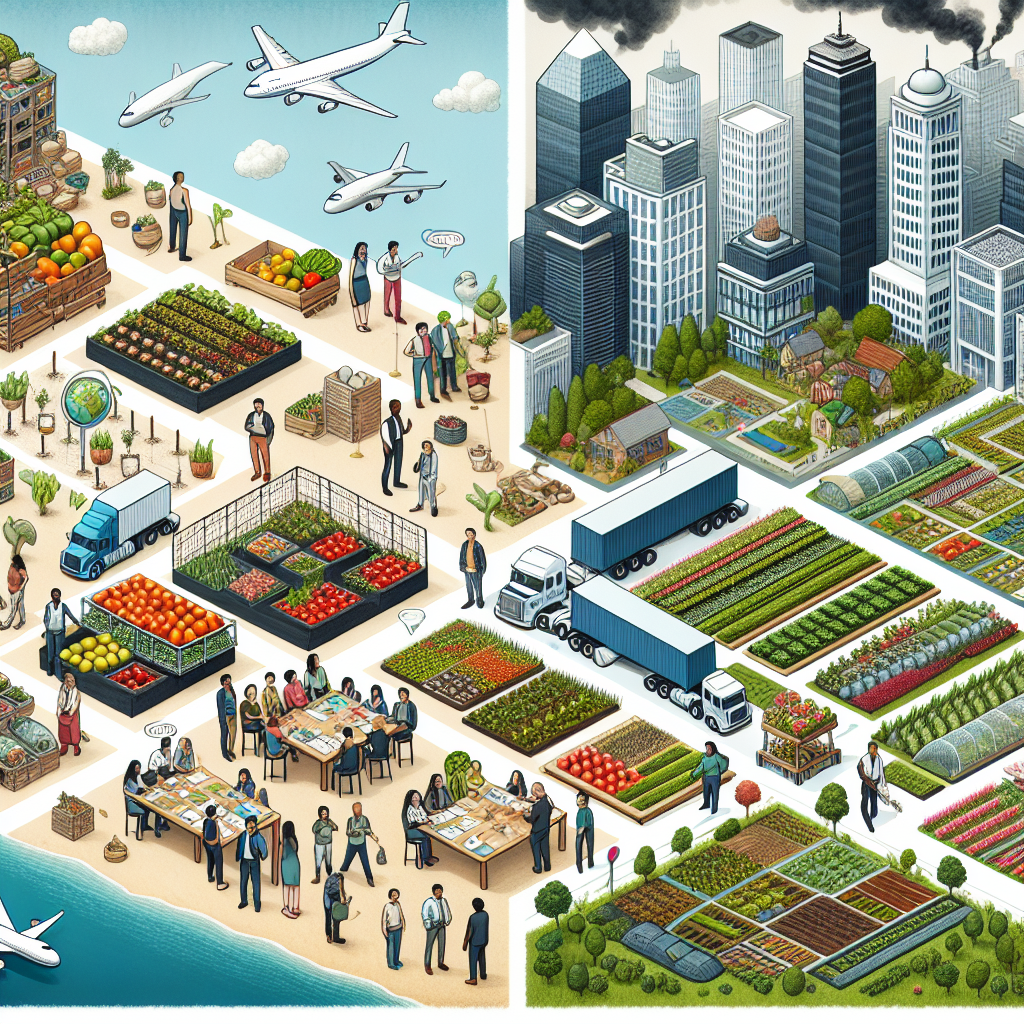
One effective strategy is the incorporation of urban agriculture into the cityscape. Urban agriculture refers to the practice of cultivating, processing, and distributing food within urban areas. This can take various forms, including community gardens, rooftop farms, and vertical farming systems. Integrating urban agriculture into land use planning helps to locally produce fresh food, reducing the dependency on external food supplies and minimizing transportation costs and greenhouse gas emissions.
Zoning regulations can either facilitate or hinder urban agriculture. For instance, cities can adopt zoning codes that encourage the development of community gardens or allow for urban farms in designated zones. Revising zoning laws to be more inclusive of urban agricultural activities can significantly enhance local food production. Additionally, mixed-use zoning—which allows for residential, commercial, and agricultural uses within the same area—can promote vibrant, food-secure communities.
Furthermore, underutilized and vacant parcels of land can be repurposed for food production. Transforming these areas into community gardens or urban farms not only increases local food availability but also revitalizes neglected neighborhoods. These initiatives contribute to social interaction, environmental sustainability, and community resilience.
Transportation and Food Distribution
Efficient transportation and food distribution networks are pivotal in maintaining food security in urban areas. The ease with which food can be transported from farms, both rural and urban, to local markets and neighborhoods affects food availability, affordability, and safety. Urban planners must consider the optimization of transportation infrastructure to facilitate the smooth flow of food supplies.
Transportation planning should involve developing reliable public transit systems that connect residential areas with markets and food hubs. This includes ensuring that low-income and marginalized communities have access to affordable transportation options to reach grocery stores and farmers’ markets. Enhancing connectivity between urban and peri-urban areas can also support the integration of local food supply chains, making fresh produce more accessible to city dwellers.
Besides public transit, urban planners can encourage the use of non-motorized transport, such as cycling and walking, through the development of pedestrian-friendly streets and bike lanes. These measures can improve access to food retailers, especially within neighborhoods that lack conventional grocery stores.
Moreover, the concept of “food hubs” is gaining traction as a means to facilitate local food distribution. Food hubs are centralized locations where food from multiple sources is aggregated, stored, and distributed. They can serve as vital nodes in the food supply chain, helping to shorten the distance from farm to table and ensure a steady supply of fresh food to urban markets. Strategic placement of food hubs within cities can enhance accessibility and reduce food deserts.
To further support efficient food distribution, urban planners can work with local governments to incentivize local food businesses, such as food co-ops, mobile markets, and independent grocers. These entities play a critical role in diversifying the food retail landscape and providing options for residents who may not have access to larger grocery stores.
Community Involvement and Education
Community involvement and education are key components in strengthening food security through urban planning. Engaging residents in the planning process ensures that their needs and preferences are considered, leading to more effective and inclusive solutions. Community-driven initiatives can mobilize local resources, skills, and knowledge to address food security challenges.
One of the most effective ways to foster community involvement is through the establishment of community gardens and urban farms. These projects bring people together to grow their own food, share knowledge, and build a sense of ownership and pride in their local food systems. Urban planners can facilitate the creation of these spaces by allocating public land and providing resources and technical assistance to community groups.
Educational programs are also instrumental in promoting food security. Urban planners can collaborate with local schools, non-profit organizations, and health agencies to develop educational initiatives on nutrition, sustainable agriculture, and food preservation. Providing residents with the knowledge and skills to grow, prepare, and store their own food can increase self-reliance and reduce dependency on external food sources.
Furthermore, urban planners can support the formation of local food councils or food policy councils. These councils bring together diverse stakeholders, including residents, farmers, businesses, and government agencies, to collaboratively address food security issues. They can advocate for policies and programs that promote local food production, improve food access, and support sustainable food systems.
Community engagement also extends to participatory planning processes, where residents have a direct say in urban planning decisions. This approach ensures that food security concerns are integrated into broader urban development plans. By involving communities in the decision-making process, urban planners can create more resilient and responsive food systems that reflect the unique needs of each neighborhood.
Policy and Regulation
Policies and regulations play a crucial role in shaping food security outcomes in urban areas. Effective policies can create an enabling environment for food production, distribution, and access, while poorly designed regulations can impede efforts to achieve food security. Urban planners must work closely with policymakers to develop and implement regulations that support sustainable and equitable food systems.
One important policy area is land use regulation. As discussed earlier, zoning laws and land use plans should be designed to accommodate urban agriculture and local food production. Policymakers can incentivize the use of vacant lots for community gardens and provide tax breaks or grants to support urban farmers. Additionally, policies can promote the preservation of agricultural land in peri-urban areas to ensure a steady supply of local food.
Food policy councils and other multi-stakeholder groups can play a critical role in advocating for supportive policies. These bodies can conduct research, raise awareness, and mobilize support for policy changes that enhance food security. For example, they can push for the inclusion of food access goals in comprehensive city plans and advocate for regulations that support healthy food environments, such as limits on fast-food outlets near schools.
Urban planners can also collaborate with public health agencies to develop policies that address food-related health disparities. This includes measures to improve the nutritional quality of school meals, support food assistance programs, and promote healthy eating through education and outreach efforts.
Furthermore, urban planners should consider the broader regulatory environment that affects food security. This includes regulations related to food safety, transportation, and labor. Ensuring that these regulations are aligned with food security goals can help create a holistic and integrated approach to urban food systems.
Innovative Solutions for Urban Food Security
As urban areas continue to expand and evolve, innovative solutions are needed to address the unique challenges of urban food security. Urban planners and policymakers must be open to embracing new technologies and approaches that can enhance local food systems and improve access to nutritious food.
One promising innovation is the use of vertical farming and hydroponic systems. These methods allow for the cultivation of crops in controlled environments, using significantly less land and water than traditional farming. By integrating vertical farms into urban spaces, cities can produce a substantial amount of fresh produce locally, reducing reliance on distant food sources and minimizing environmental impact.
Another cutting-edge solution is the use of digital platforms to connect consumers with local food producers. Online farmers’ markets, mobile apps, and e-commerce platforms can facilitate direct sales between farmers and urban residents, bypassing traditional supply chains and reducing food waste. Urban planners can support these initiatives by providing the necessary infrastructure and regulatory framework for seamless operation.
Smart technologies, such as Internet of Things (IoT) devices and data analytics, can also play a role in optimizing urban food systems. Sensors and monitoring tools can track and manage various aspects of food production and distribution, from soil moisture levels to inventory management. By leveraging data, urban planners can make informed decisions and proactively address food security challenges.
Additionally, urban planners can explore innovative approaches to food waste management. Implementing composting programs, supporting food recovery networks, and promoting circular economy principles can help reduce food waste and create a more sustainable food system.
Ultimately, the success of these innovative solutions depends on the collaboration and buy-in from various stakeholders, including residents, businesses, government agencies, and non-profit organizations. By fostering a culture of innovation and collaboration, urban planners can drive transformative change in urban food security.
Conclusion
The role of urban planning in food security cannot be understated. As cities continue to grow and face complex challenges, it is imperative to adopt a holistic and integrated approach to urban planning that prioritizes food security. Through thoughtful land use planning, efficient transportation networks, community involvement, supportive policies, and innovative solutions, urban planners can create resilient and sustainable food systems that ensure all residents have access to sufficient, safe, and nutritious food.
In conclusion, food security is a multifaceted issue that requires the concerted efforts of various stakeholders. Urban planners, in particular, have a unique opportunity to shape the physical and social environments that influence food security. By recognizing the interconnectedness of food systems and urban development, and by proactively addressing the barriers to food access, urban planners can play a pivotal role in creating healthy, equitable, and food-secure cities.
As we look to the future, it is essential to continue exploring new ideas, technologies, and approaches to enhance urban food security. By staying adaptable and open to change, urban planners can ensure that our growing cities are not only sustainable and livable but also capable of nourishing all their residents.
Frequently Asked Questions
1. How does urban planning influence food security?
Urban planning significantly impacts food security by shaping how our cities are developed, including the distribution and accessibility of food-related infrastructure. Well-planned cities prioritize the integration of food systems into urban designs, considering elements like markets, community gardens, and food hubs. This integration ensures that all city residents have easy access to affordable and nutritious food. Beyond physical access, urban planning also accounts for transportation routes that bring food into urban centers from rural areas, affecting costs and availability. Moreover, urban planners consider environmental sustainability, which impacts agriculture and food resilience in the long term.
2. What are some specific urban planning strategies that improve food security?
Several urban planning strategies can advance food security, including the development of urban agriculture spaces, such as rooftop or community gardens, which provide fresh produce locally. Setting aside land for farmers markets is another strategy that promotes local, accessible produce directly to consumers. Planners can also promote policies supporting food cooperatives or local food hubs that distribute regional produce efficiently. Additionally, zoning laws can be adjusted to include areas specifically for food production and sales, ensuring a consistent and reliable food supply chain within urban environments. Urban planners may also implement food pathways to connect peripheral agricultural sites with urban cores.
3. Can urban planning address food deserts and how?
Yes, urban planning can effectively address food deserts—areas with limited access to affordable and healthy food. Planners can strategically position supermarkets or grocery stores within these underserved areas, essentially providing necessary food supplies. They can also promote public transportation routes that connect residents of food deserts to more food-secure neighborhoods. Implementing urban agriculture initiatives within these areas is another crucial strategy. Not only do community gardens provide fresh produce, but they also empower residents to participate directly in their food systems. Increasing the presence of farmer’s markets in these areas can introduce a diversity of food options where traditional brick-and-mortar stores are absent.
4. How do urban green spaces contribute to food security?
Urban green spaces enhance food security by serving as areas for urban agriculture, like community gardens, orchards, and even small-scale farms. These spaces not only provide a reliable source of fresh produce but also serve as educational hubs where residents can learn about sustainable farming practices and nutrition. Green spaces also help in preserving biodiversity, which is vital for a resilient food system. Incorporating green spaces into urban planning can mitigate urban heat, supporting climate-resilient environments crucial for food production. The integration of these spaces within residential areas increases local food access and promotes a community-centered approach to food security.
5. What role does technology play in urban planning to enhance food security?
Technology plays a transformative role in urban planning to bolster food security. Tools like Geographic Information Systems (GIS) help planners analyze spatial data to optimize locations for food access points, such as markets and production areas. Advanced logistics systems manage the efficient distribution of food, reducing waste and ensuring timely delivery. The rise of smart city technologies offers new ways to monitor and manage urban food systems, including the use of sensors and data analytics to optimize water usage in urban farms, monitor air conditions for pollution, and enhance supply chain efficiency. Additionally, technology facilitates community engagement through apps and platforms that connect residents with local food initiatives and resources. Urban planning that leverages technology can thus create robust, responsive, and inclusive food systems.


